
Contract Rate Season
| Contract Rate Season | The annual period when major shipping lines and their customers negotiate and set fixed freight rates for container transport on a specific trade lane for the upcoming year. |
|---|---|
| Origin | A major export region or port (e.g., China, Northern Europe) |
| Destination | A major import region or port (e.g., US West Coast, Mediterranean) |
| Typical duration | Approximately one year |
| Primary participants | Ocean carriers and large-volume shippers (BCOs) |
| Key negotiated element | All-in freight rate per container (FAK or commodity-specific) |
| Common container types | 40-foot standard and high-cube containers (40'GP, 40'HQ) |
| Timing | Negotiations typically conclude in the months preceding the contract year (e.g., Q4 for Transpacific) |
Origin and history
The Contract Rate Season is a commercial practice originating from the global container shipping industry. Its development is intrinsically linked to the standardization of maritime containerization in the latter half of the 20th century. The practice emerged as a systematic response to the need for predictable cost planning for high-volume shippers moving goods on major trade lanes. It became a formalized industry norm during the 1980s and 1990s alongside the rise of comprehensive service contracts between carriers and their customers. This period saw a shift from purely spot market movements to longer-term contractual agreements governing a significant portion of cargo. The season is now a fundamental and stable component of the annual cycle in global liner shipping, synchronized with the fiscal and planning calendars of multinational corporations.
What it is for
The Contract Rate Season is a designated annual period during which ocean carriers and shippers or their representatives negotiate and finalize long-term service contracts. Its primary function is to establish fixed freight rates, allocated capacity, and other terms of service for the transportation of containerized goods over a specific trade lane for the upcoming contract year. This process provides cost certainty and supply chain stability for shippers who commit to moving large volumes of cargo. Conversely, it guarantees a baseline of cargo volume and revenue for shipping lines, allowing for more efficient fleet and network planning. The season is not for booking individual shipments but for setting the overarching financial and operational framework under which those bookings will later be made. It systematically decouples the long-term strategic planning of supply chains from the short-term volatility of the spot freight market.
Pros and cons
A primary advantage of the Contract Rate Season is the financial predictability it offers to shippers, allowing for accurate annual budgeting and protection against sudden spot market spikes. It also ensures committed access to vessel capacity on key routes, which is crucial for manufacturers and retailers with rigid production and delivery schedules. For carriers, it provides a stable revenue base and facilitates more efficient asset utilization and network design. A significant con, however, is the risk of locking in a rate that later proves unfavorable if the spot market collapses, leaving contracted shippers paying above-market prices while their competitors benefit. Shippers with poor volume forecasting often regret their contracts, as they may pay penalties for failing to meet minimum quantity commitments or pay for unused capacity. A common mistake is focusing solely on the base freight rate during negotiations while overlooking critical ancillary terms, such as detention and demurrage free time, equipment guarantees, and service reliability metrics, which can drastically impact total landed cost.
Who it suits
The Contract Rate Season suits large-volume shippers, such as multinational manufacturers, big-box retailers, and major commodity traders, whose supply chains require consistent, high-volume container movements on fixed trade lanes. It is also essential for freight forwarders and Non-Vessel Operating Common Carriers (NVOCCs) who aggregate cargo from multiple smaller shippers to secure volume-based contracts. This system is less suitable for small and medium-sized enterprises with sporadic, low-volume, or highly variable shipping patterns, as they cannot commit to the minimum volume requirements. It is also a poor fit for shippers of time-sensitive or spot-market goods where routing flexibility and last-minute rate shopping are more valuable than cost certainty. Entities with highly sophisticated logistics departments that can accurately forecast demand and expertly negotiate complex contractual clauses are best positioned to leverage the Contract Rate Season effectively.
Latest Contract Rate Season news
Latest reporting
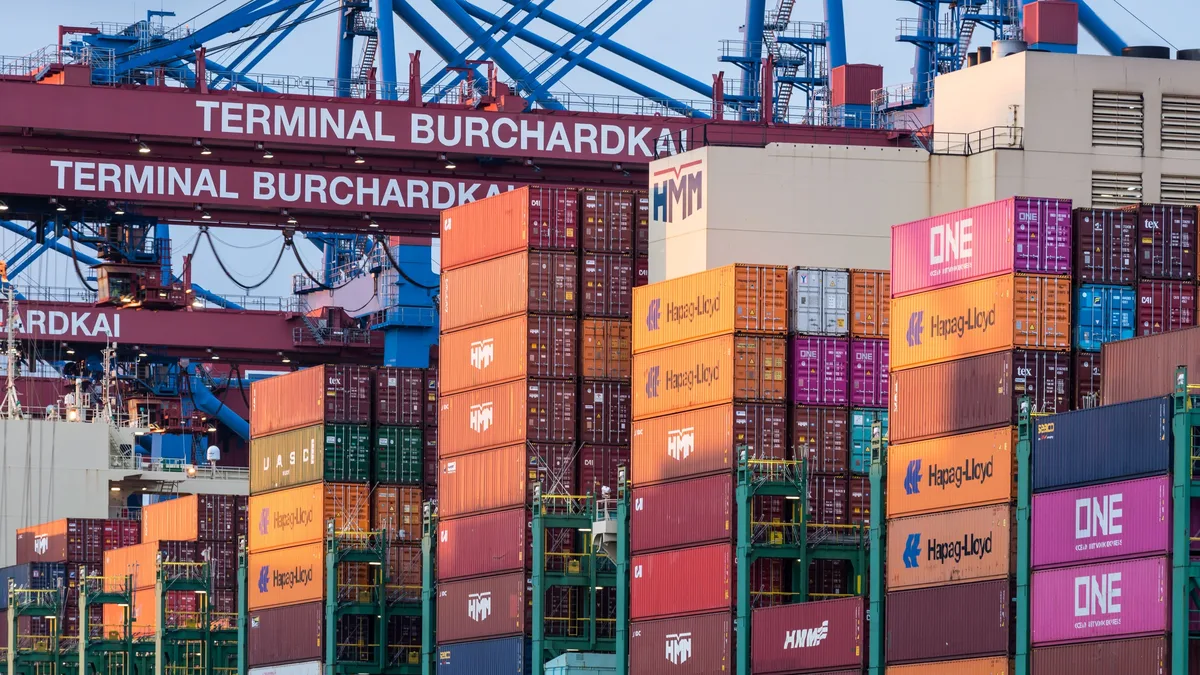
CMA CGM completes $1.4bn FedEx Supply Chain
CMA CGM has finalized its $1.4 billion purchase of FedEx Supply Chain, integrating the contract logistics business into its Ceva Logistics arm to

Fed Rate Hike Raises Costs for Freight Industry
The Federal Reserve's latest interest rate increase will raise capital costs for carriers and cool consumer demand, directly impacting logistics...

Ocean freight rates defy post-peak easing as capacity
Transpacific container spot rates remain above $10,000 as strong US demand, port delays, and carrier blank sailings extend the peak season, according...
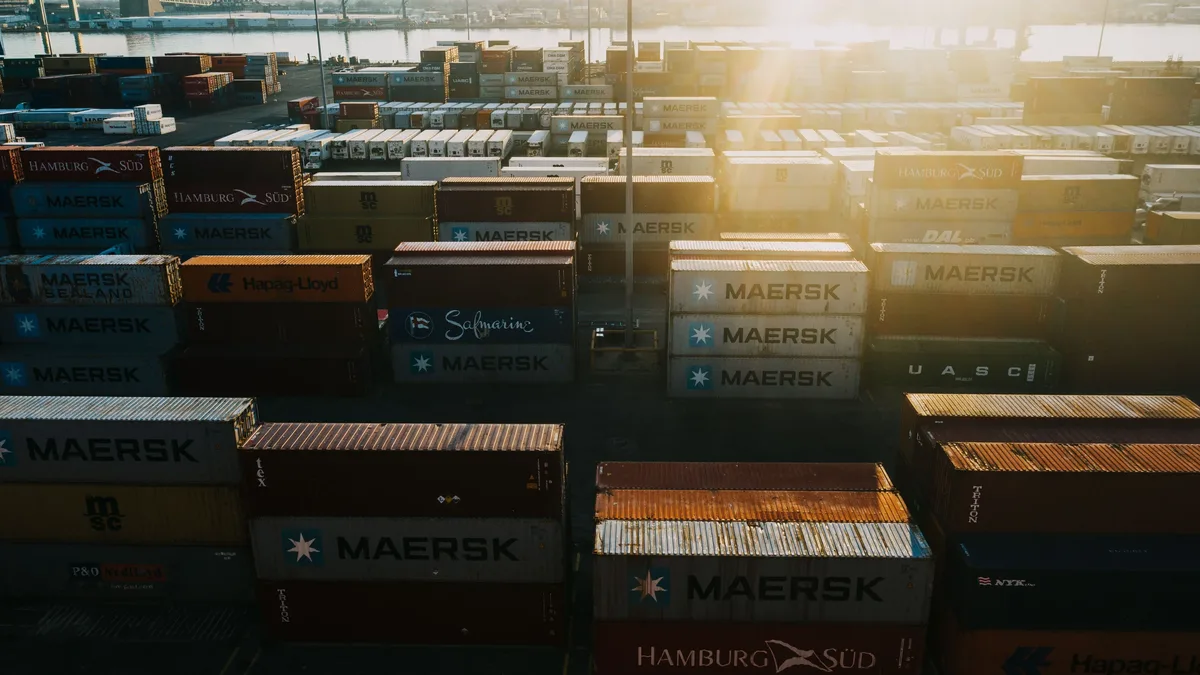
U.S. Container Imports Peak in September, Defying Forecasts
The peak shipping season for U.S. Container imports is extending into September, which is now forecast to be the busiest month of 2026, driven by...

Air cargo demand up 6% in August, rates ease
Global air cargo demand grew 6% year-on-year in August 2026, maintaining a strong summer. Spot rates averaged $3.13 per kg, still 24% higher than a...
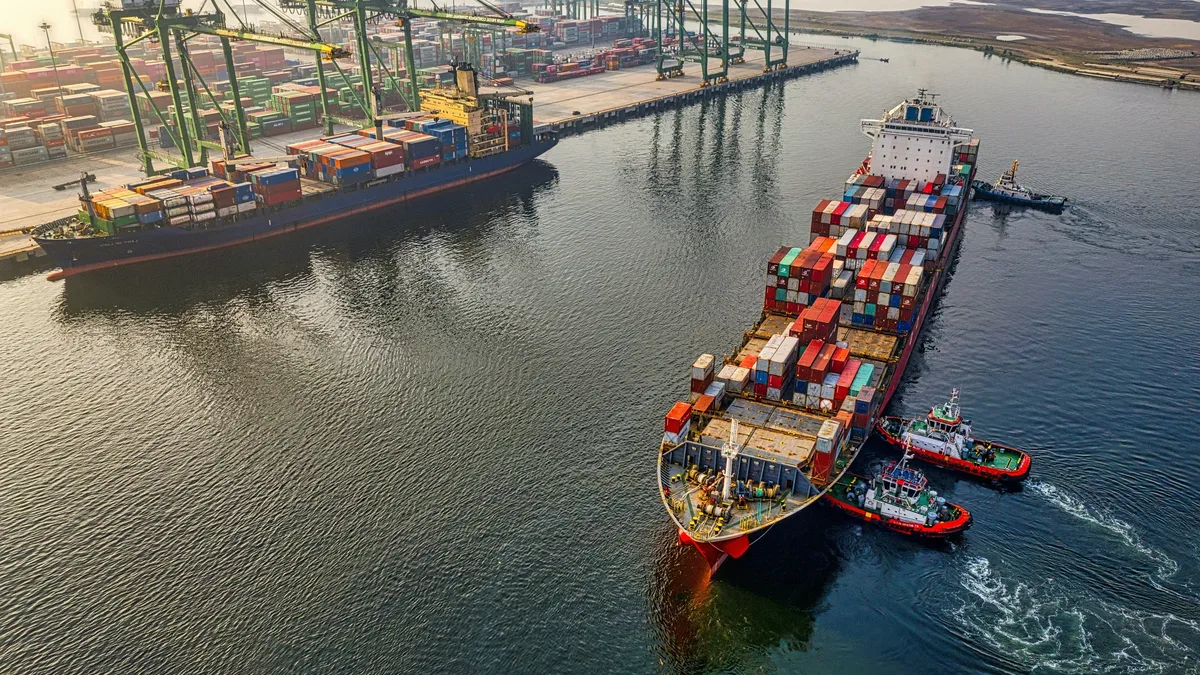
Transpacific container spot rates surge as late peak demand
Container spot freight rates on transpacific routes to the US east and west coasts rose sharply this week due to late peak season demand, while...