U.S. Container Imports Peak in September, Defying Forecasts
The peak shipping season for U.S. Container imports is extending into September, which is now forecast to be the busiest month of 2026, driven by sustained
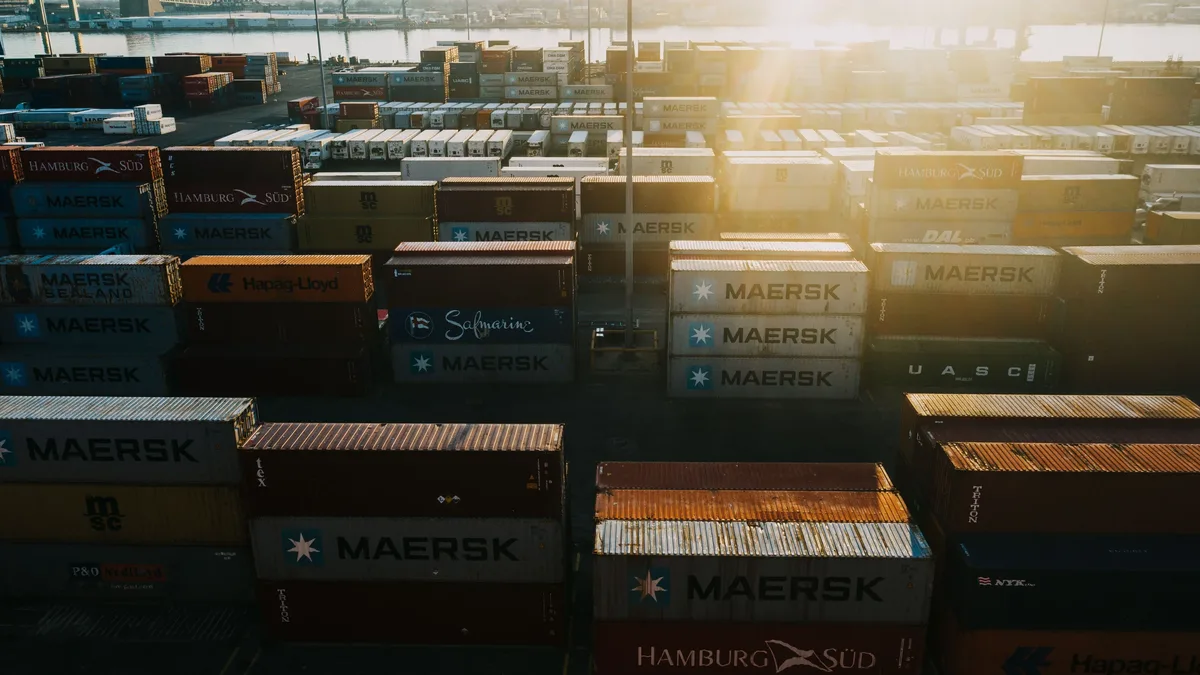
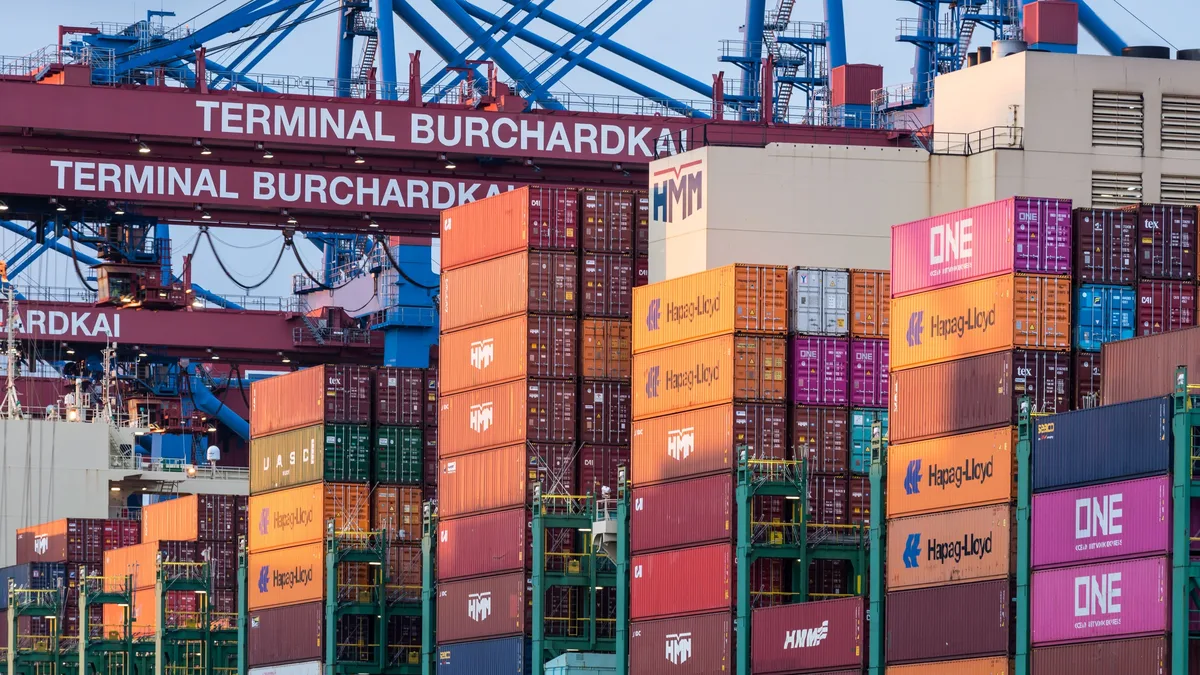
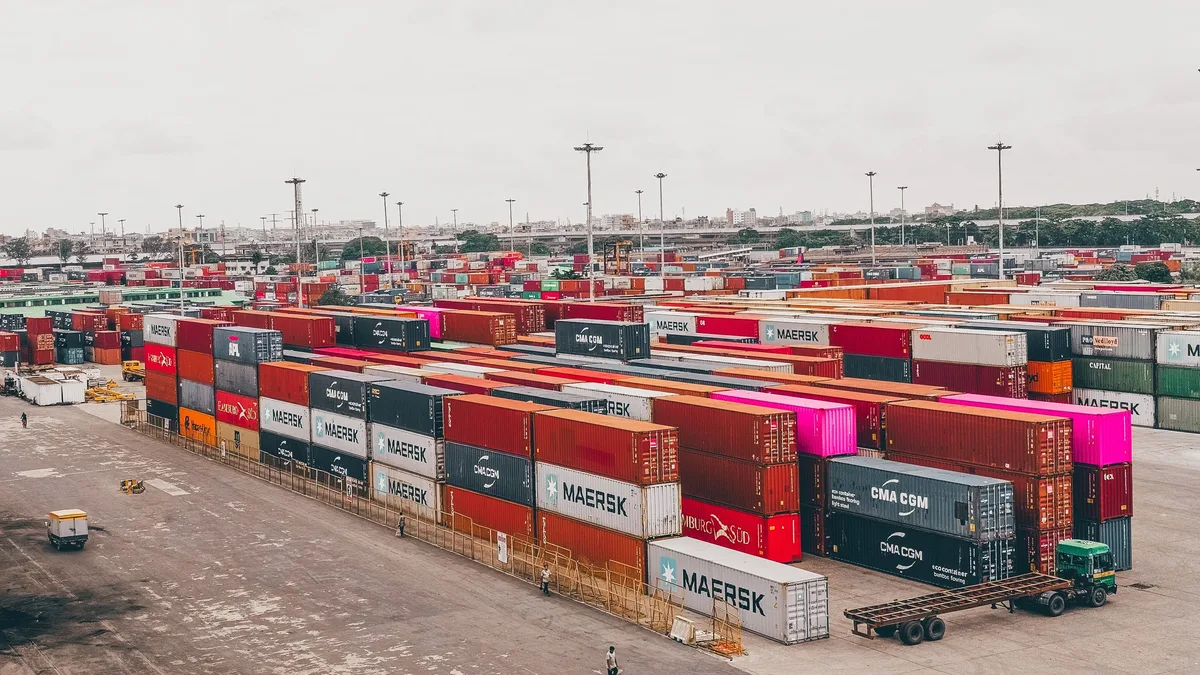
The peak shipping season at major U.S. Container ports is lasting longer than anticipated. September is now forecast to be the busiest month of the year for imports, according to the latest Global Port Tracker report from the National Retail Federation and Hackett Associates.
September imports are projected to reach 2.31 million twenty-foot equivalent units (TEU). This represents a 9.6% increase from September 2025 and slightly exceeds the 2.3 million TEU recorded in July 2026. This outlook marks a significant revision from last month's forecast, which had September at only 2.16 million TEU and suggested May's 2.24 million TEU would remain the annual high.
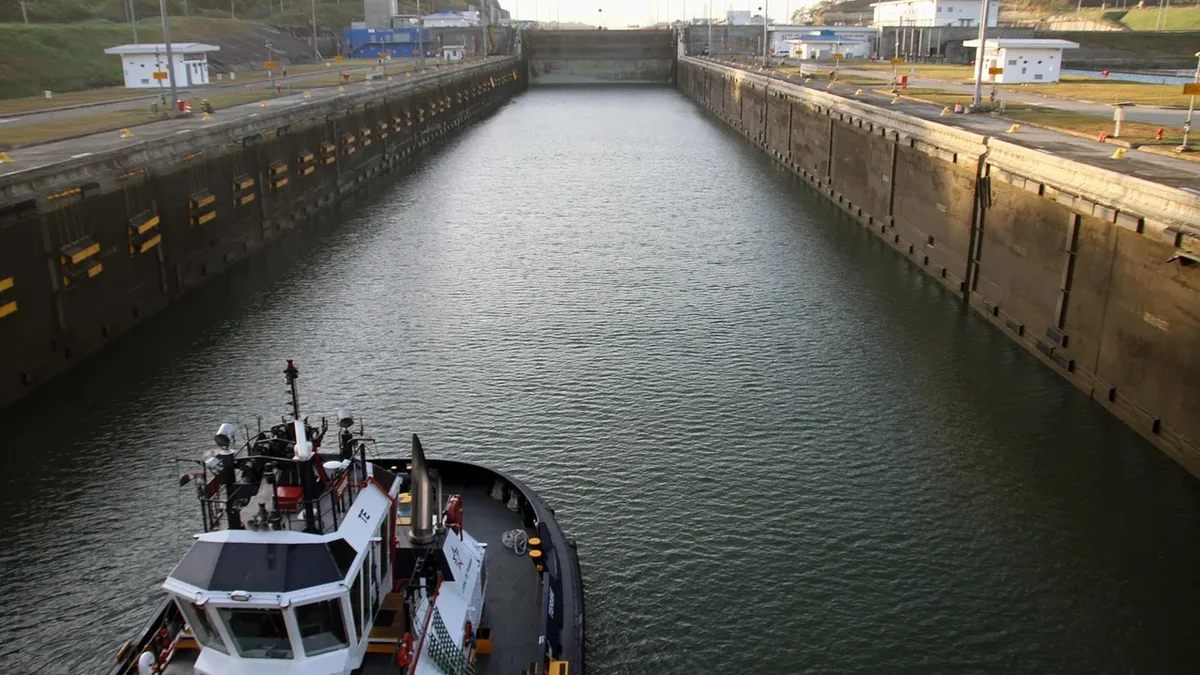
"We thought the peak season would be mostly behind us by now, but that’s not the case," said NRF Vice President for Supply Chain and Customs Policy Jonathan Gold. He attributed the shift partly to vessel delays from bad weather in China and some ships rerouting away from the Panama Canal due to drought concerns. Gold also pointed to resilient consumer spending. "Consumers keep buying despite tariffs, inflation and high fuel prices, and retailers keep bringing in merchandise to meet demand," he said.
An Unusual and Buoyant Season
This year's import pattern has been atypical. Retailers frontloaded cargo earlier in the year to handle tariff changes and supply chain uncertainty, pulling some traditional late-summer volume into spring and early summer. By August, it seemed this frontloading had ended and volumes would decline. Instead, import levels have stayed raise.
Final figures for July show the ports covered by the report handled 2.3 million TEU, a 3.2% increase from June but a 3.9% decrease from July 2025. The estimate for August has been revised upward to 2.29 million TEU, which would be a 1.3% year-over-year decline. Last month's forecast for August was 2.22 million TEU.
Hackett Associates founder Ben Hackett described imports over the past three months as "buoyant" despite economic headwinds like higher tariffs and fuel prices linked to conflict in Iran. "Retail sales remain strong and cargo is moving relatively smoothly, although there are reports of vessel delays and increased times required for cargo to move through the supply chain," Hackett stated.
Forecast for the Coming Months
The September surge is expected to be followed by a seasonal slowdown. The Global Port Tracker report provides the following forecasts for the remainder of the year and into early 2027.
| Month | Forecast Volume (TEU) | Year-Over-Year Change |
|---|---|---|
| October | 2.11 million | Up 1.7% |
| November | 2.00 million | Down 0.9% |
| December | 2.03 million | Up 1.1% |
| January 2027 | 2.09 million | Down 1.0% |
Full-Year Outlook Revised Upward
For the entire year, imports at the covered ports are now expected to reach 25.7 million TEU. This is a 1% increase over the 25.4 million TEU recorded in 2025 and is slightly higher than last month's forecast of 25.5 million TEU. The first half of 2026 already totaled 12.7 million TEU, up 1.1% from the same period in 2025.
The revised projections add another layer to a peak season repeatedly reshaped by tariffs, geopolitical disruptions, and evolving shipping patterns. The final estimate for August imports is 2.29 million TEU.