FAA grants Boeing 777 freighter emissions
The FAA has granted Boeing a waiver to produce 35 current-generation 777 freighters beyond a 2028 emissions deadline, easing a widebody cargo capacity
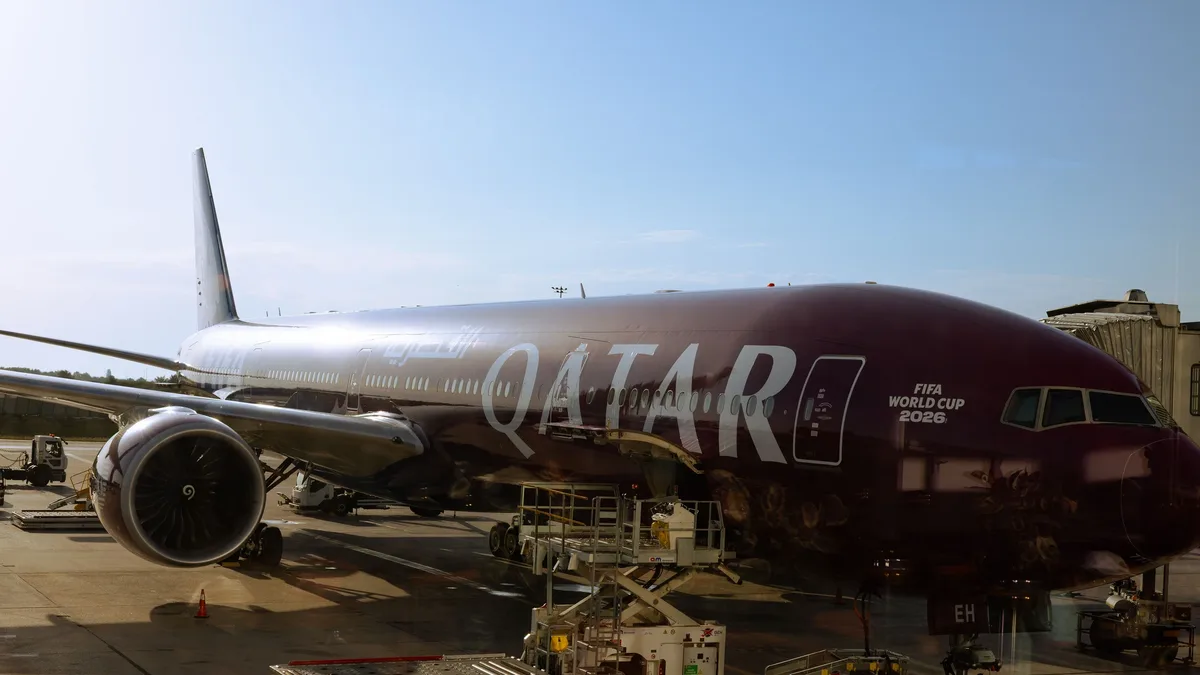
The Federal Aviation Administration has granted Boeing an exemption to produce 35 current-generation 777 freighters beyond an international emissions deadline. The decision, made last week, provides a three-year window until January 1, 2031, for the sale of these aircraft, which would otherwise have been banned from production after 2027.
Air cargo capacity is severely constrained. Retirements of older freighters, strong demand linked to the AI data center boom, and ocean shipping disruptions from the Iran war have tightened the market. Compounding the shortage, Airbus and Boeing are delivering far fewer widebody passenger planes, which normally carry about half of global air cargo in their bellies.
Air freight consultant Tom Crabtree provided figures on the widebody delivery slump. In 2019, the two manufacturers delivered 345 large passenger aircraft. Last year, they combined for only 179 deliveries. They are on pace for only a few more in 2026 due to engine quality and supply chain issues. The result is that dedicated freighters now handle about 60% of total air cargo volume.
Market impact of the exemption
Air cargo volume is up more than 4.7% year-over-year through August, well above a slight increase in capacity. This dynamic has pushed spot rates up by more than 25% from the prior year, according to market researchers. Boeing estimates that without the exemption, it would lose more than $15 billion in export sales.
The exemption applies to the International Civil Aviation Organization's 2028 fuel efficiency and carbon emissions standards. Without it, Boeing would not be eligible to receive FAA airworthiness certificates for the 777F after 2027. The FAA stated the environmental impact of the 35 additional aircraft is negligible, representing a fraction of a percent of additional fuel burn compared to overall fleet emissions.
The FAA has determined the exemption is in the public interest due to the limited number of potentially exempted airplanes, the unavailability of the more fuel-efficient B777-8F, the production timelines... And the limited operational and environmental impacts, the agency's order stated.
The path to a new freighter
Boeing is developing a next-generation 777-8 freighter to comply with the new standards, but it has faced delays. First deliveries are not expected until late 2028 or 2029. Boeing has booked more than 80 orders for the new model, including a recent finalized order from Korean Air for eight jets last week.
Boeing originally stated it did not plan to produce 777 freighters beyond orders on its books at the end of 2024. However, it changed its mind as customers continued to ask for planes. Recent orders include two jets each for China Airlines and China Southern Airlines this summer, and four for Saudia. China Airlines also ordered four classic 777s last November.
| Airline | Order Quantity | Aircraft Type |
|---|---|---|
| Korean Air | 8 | 777-8 Freighter (next-gen) |
| China Airlines | 2 (plus 4 in Nov. 2023) | Classic 777 Freighter |
| China Southern Airlines | 2 | Classic 777 Freighter |
| Saudia | 4 | Classic 777 Freighter |
Regulatory and industry support
Engine-maker GE Aerospace, the Aerospace Industries Association, and the U.S. Chamber of Commerce supported the exemption in government filings. The European Aviation Safety Agency, Airbus's primary regulator, did not object. However, a foreign government could still prohibit airlines from operating post-2027 classic 777s in their airspace.
Airbus is developing its own all-new A350 freighter, tentatively scheduled for a commercial debut in late 2027. Consultant Tom Crabtree estimates that by the end of 2030, Boeing will have delivered between 390 and 400 units of the classic 777F, making it the most popular widebody freighter ever. Boeing also has six unfilled orders from Russia-based Volga-Dnepr on its books that likely will never be produced due to export restrictions.