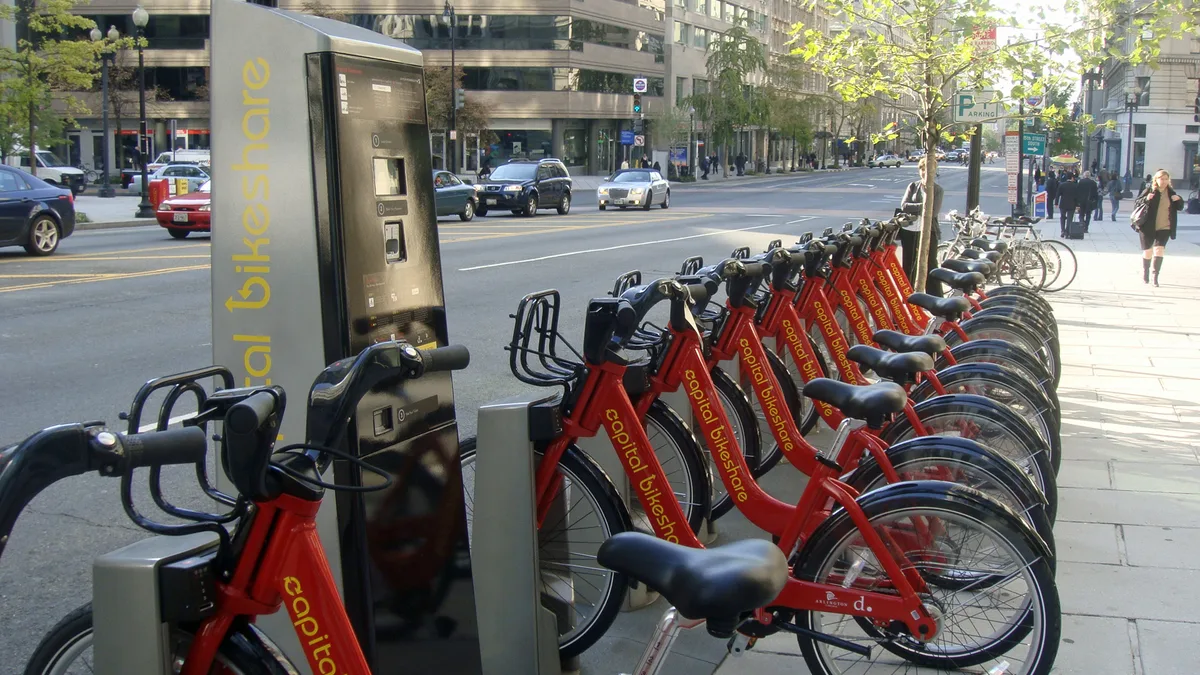
Last Mile And Parcel
| Mode | Last Mile And Parcel |
|---|---|
| Definition | The final leg of delivery from a transportation hub to the end recipient. |
| Primary Vehicle | Delivery van or truck. |
| Typical Cargo Unit | Individual parcel or pallet. |
| Key Cost Drivers | Delivery density, access constraints, service level. |
| Common Service Levels | Standard, express, scheduled. |
| Original Use | Retail and business-to-consumer goods delivery. |
Origin and history
The operational concept of the Last Mile And Parcel trade lane originates from the commercial logistics networks of the late 20th century, primarily in North America and Western Europe. Its formalization as a distinct logistical segment accelerated with the rise of catalog retailing and, decisively, with the advent of business-to-consumer e-commerce in the 1990s. This period saw a fundamental shift from bulk industrial freight to the movement of individual, disparate parcels directly to residential addresses. The development was driven by large integrated carriers and postal services that began to architect dedicated networks for small package delivery. Technological advancements in barcode scanning, route optimization software, and later, real-time tracking, were critical enablers for managing the complexity of this lane. The term "last mile" itself entered common logistical parlance by the early 2000s, crystallizing the recognition of this final leg as the most costly and complex part of the supply chain.
What it is for
The Last Mile And Parcel trade lane exists specifically for the transportation of individual, unitized packages from a local distribution hub or sorting center to their final destination, which is typically a residential doorstep, business, or parcel locker. Its primary function is to fulfill direct-to-consumer delivery promises made by retailers and e-commerce platforms, bridging the gap between regional transportation networks and the end recipient. This lane also handles the reverse flow of returns, which is an integral and growing operational component. It is designed to accommodate a vast array of package sizes, though with practical limits, and requires handling for individual delivery appointments or notifications. The lane's structure is built around daily route cycles, where a delivery vehicle is loaded with a geographically clustered set of parcels for a driver to complete within a single shift. Its ultimate purpose is to provide the final link of visibility and physical possession transfer, completing the commercial transaction.
Pros and cons
A primary advantage of a dedicated last mile and parcel network is the ability to provide time-definite and tracked delivery, which meets modern consumer expectations and supports sophisticated inventory management for sellers. The specialization allows for density optimization in urban and suburban areas, making frequent, small-scale deliveries economically viable at scale. However, the lane is notoriously the most expensive segment of logistics, with costs per parcel often constituting over half of the total shipping expense due to low drop density, labor intensity, and traffic delays. Common failures include missed delivery windows, package damage from repeated handling, and high rates of "first-attempt failed delivery" due to customer absence, which immediately doubles the cost of that delivery. Many retailers regret underestimating the complexity and cost of returns, which can cripple profitability on thin-margin goods. A frequent mistake is treating last-mile carriers as a commodity service without accounting for the severe service quality variations between urban cores and rural routes, leading to brand damage from inconsistent customer experiences.
Who it suits
This trade lane suits large-scale retailers and e-commerce marketplaces that generate high volumes of dispersed, direct-to-consumer orders and can leverage volume to negotiate carrier rates. It is essential for businesses selling physical goods where immediate in-store pickup is not the primary fulfillment model, particularly those in apparel, electronics, and home goods. Manufacturers adopting a direct-to-consumer sales model bypassing traditional retail also become reliant on these parcel networks. The lane suits consumers who prioritize convenience and home delivery over speed or cost, and it is a critical infrastructure component for subscription box services and meal kit delivery companies. It is less suitable for ultra-low-margin commodities where shipping costs can exceed product value, or for businesses in extremely remote regions where standard parcel service is prohibitively expensive or unreliable. Companies with highly predictable, bulk deliveries to fixed commercial locations often find dedicated freight or less-than-truckload services more economical than parcel lane rates.
Latest Last Mile And Parcel news
Latest reporting
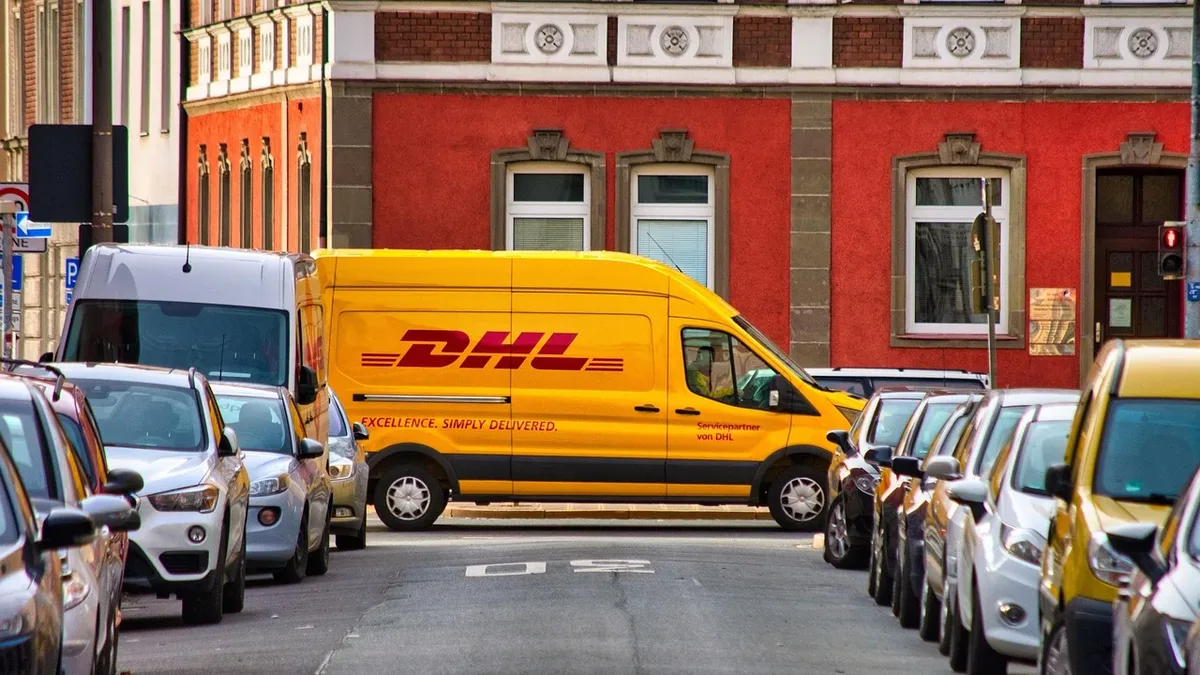
DHL expands Cologne parcel center capacity to 50,000
DHL has completed an expansion of its Cologne-Eifeltor parcel center, boosting its sorting capacity to nearly 50,000 pieces per hour and adding 250...
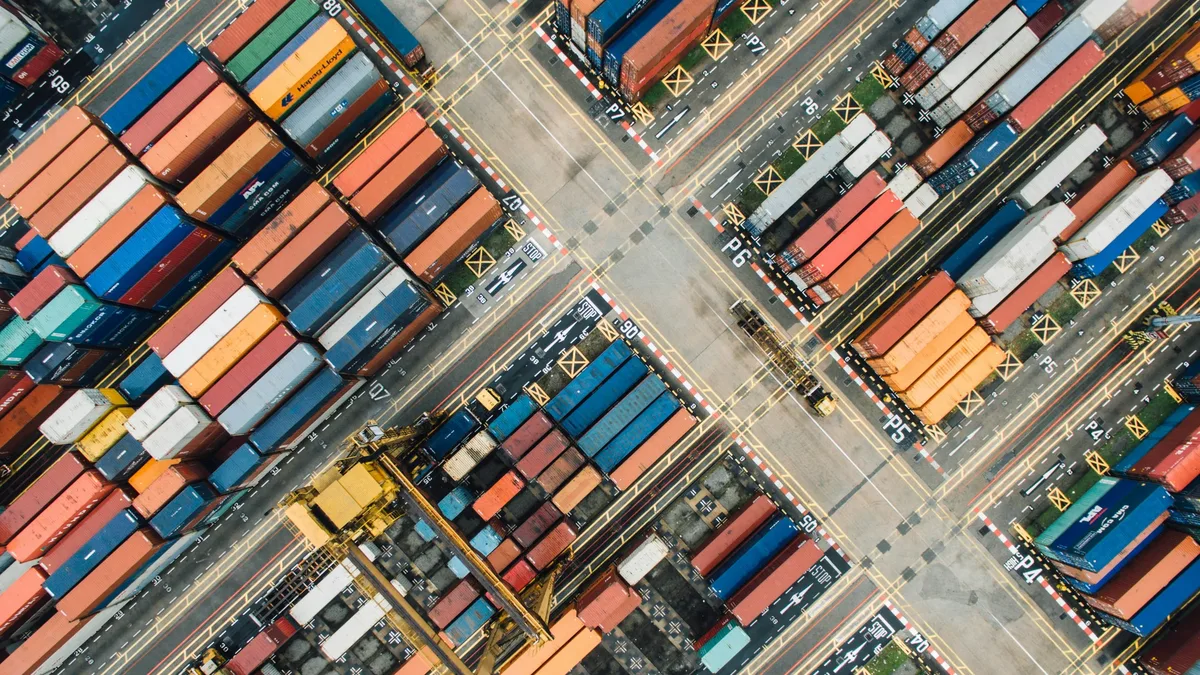
UPS Adopts New Global Logistics Model
UPS announced a new global operating model and leadership structure, concretely shifting focus from low-margin parcel delivery to high-value...
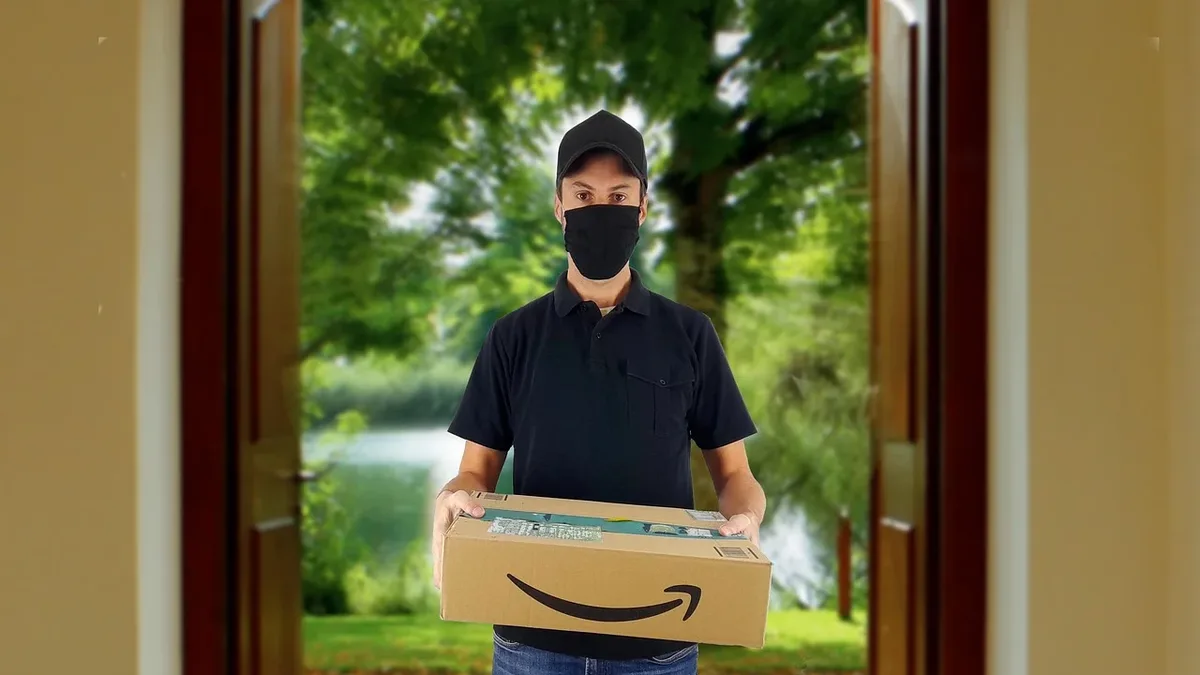
Canada Post adds weekend parcel delivery
Canada Post will launch weekend parcel delivery in Ottawa, Montreal, and Toronto later this year as part of a modernization push.
Thamesborg Completes Arctic Transit
Dutch cargo vessel Thamesborg completes Northwest Passage transit after last year's grounding