Asia Europe Services
| Alliance name | Asia Europe Services |
|---|---|
| Trade lane | Asia to Northern Europe |
| Member lines | Varies by consortium |
| Service type | Weekly fixed-day container shipping |
| Vessel size class | Ultra Large Container Vessel (ULCV) |
| Typical transit time | Varies by specific port pair |
| Key Asia load ports | Shanghai, Ningbo, Qingdao, Yantian |
| Key Europe discharge ports | Rotterdam, Hamburg, Antwerp, Felixstowe |
Origin and history
Asia Europe Services is a collective operational framework for container shipping on the trade lane between Asia and Europe. It originated from the commercial shipping practices of major global container lines in the late 20th century. The structure was formalized as carrier alliances, which are vessel-sharing agreements, in the 1990s and early 2000s. These alliances were a strategic response to overcapacity and intense competition following the expansion of global trade. The modern iteration of these services is dominated by three major alliances that control most capacity on the route. Their historical development is directly tied to the commercialization of the standardized shipping container and the growth of manufacturing in East Asia.
What it is for
Asia Europe Services exist to provide scheduled maritime freight transport for containerized goods between Asian and European ports. The primary function is to offer shippers a regular, predictable sequence of vessel departures and arrivals across this key trade route. These services consolidate cargo from multiple shipping lines within an alliance onto shared vessels to maximize load efficiency. They establish fixed port rotations, connecting major hubs like Shanghai, Ningbo, Singapore, Rotterdam, and Hamburg. The network is designed to optimize vessel utilization and manage the immense volume of trade, which includes consumer goods, machinery, and raw materials. The structure allows member carriers to offer a wider geographic coverage of port calls without individually deploying a fleet on every pathway.
Pros and cons
A primary advantage is the frequency of sailings and dense port coverage provided by the pooled networks, offering shippers multiple weekly options. The system also promotes operational efficiency for carriers, which can theoretically stabilize costs. A significant con is the reduced choice for shippers, as the alliance structure means multiple competing brands operate virtually identical service schedules. This can complicate claims and liability issues during disruptions, as the operating carrier may differ from the booking carrier. The consolidation of capacity can lead to coordinated blank sailings during low demand, abruptly reducing available space and influencing rates. Shippers often regret relying solely on alliance services when major disruptions occur, as the complex shared networks can amplify delays across the entire system.
Who it suits
These services suit large-volume shippers and freight forwarders with consistent, predictable cargo flows who prioritize schedule frequency over brand differentiation. They are appropriate for standard commodity goods where transit time reliability within a known range is acceptable, and absolute speed is not the critical factor. Large retailers and manufacturers with dedicated logistics teams capable of navigating complex alliance schedules and booking systems are typical users. They are less suited for shipments requiring highly specific or expedited handling, where a dedicated service from a single carrier might provide clearer accountability. Shippers with sensitive or time-critical cargo often find the alliance model risky during port congestion, as vessel rotations can be abruptly altered. The structure primarily benefits entities whose shipping strategy is built around balancing cost against a standardized, high-frequency service network.
Latest Asia Europe Services news
Latest reporting
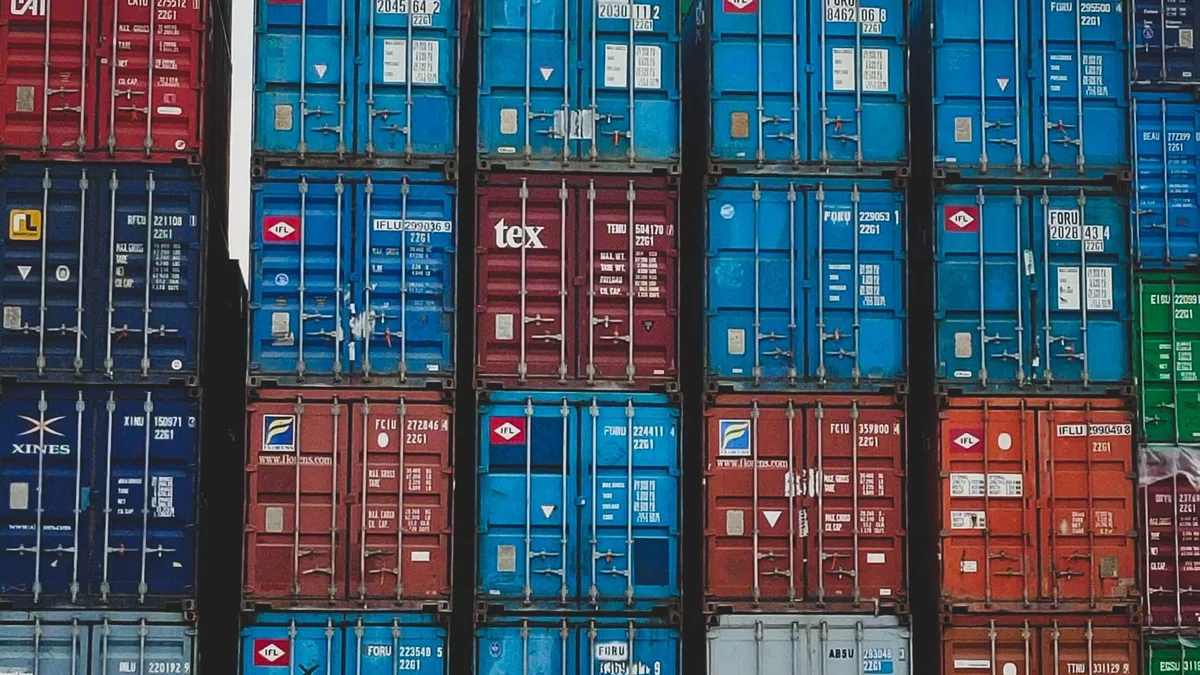
Canada shifts sourcing to EU, UK amid US
Canadian importers are testing shipments from Europe to replace tariff-hit US goods, driven by new trade pacts and punitive cross-border duties.
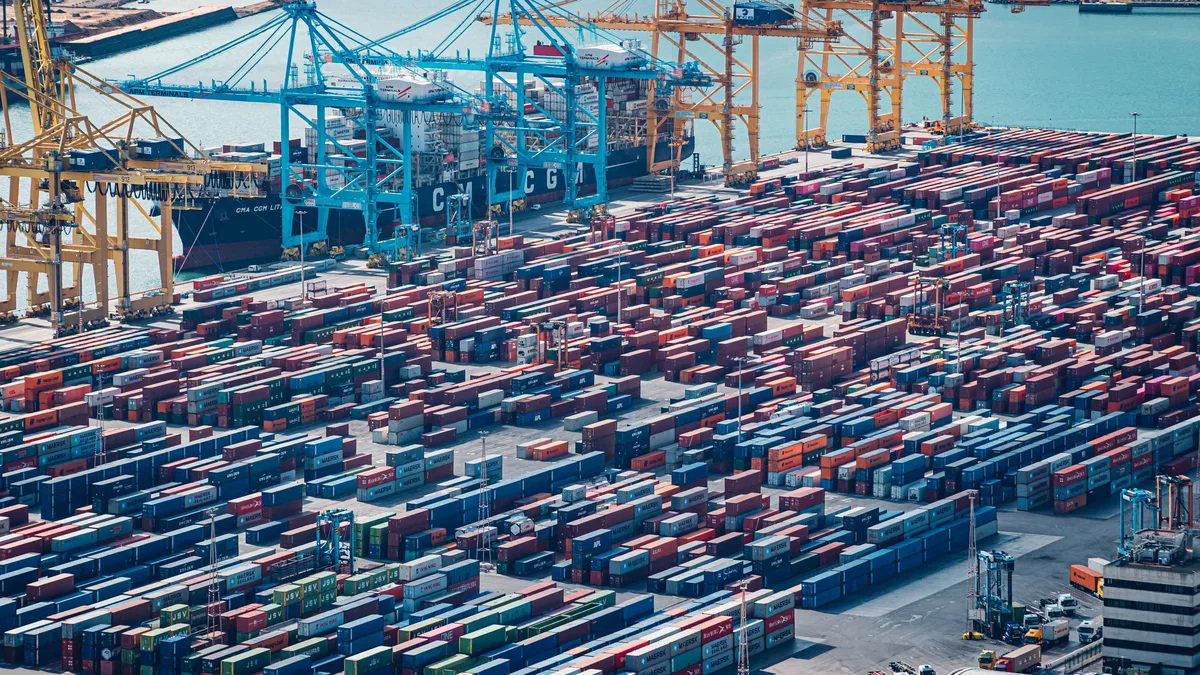
Hong Kong shifts port strategy from volume
Hong Kong's new five-year plan pivots its port strategy from chasing container volume to developing higher-value services, targeting smart, green...
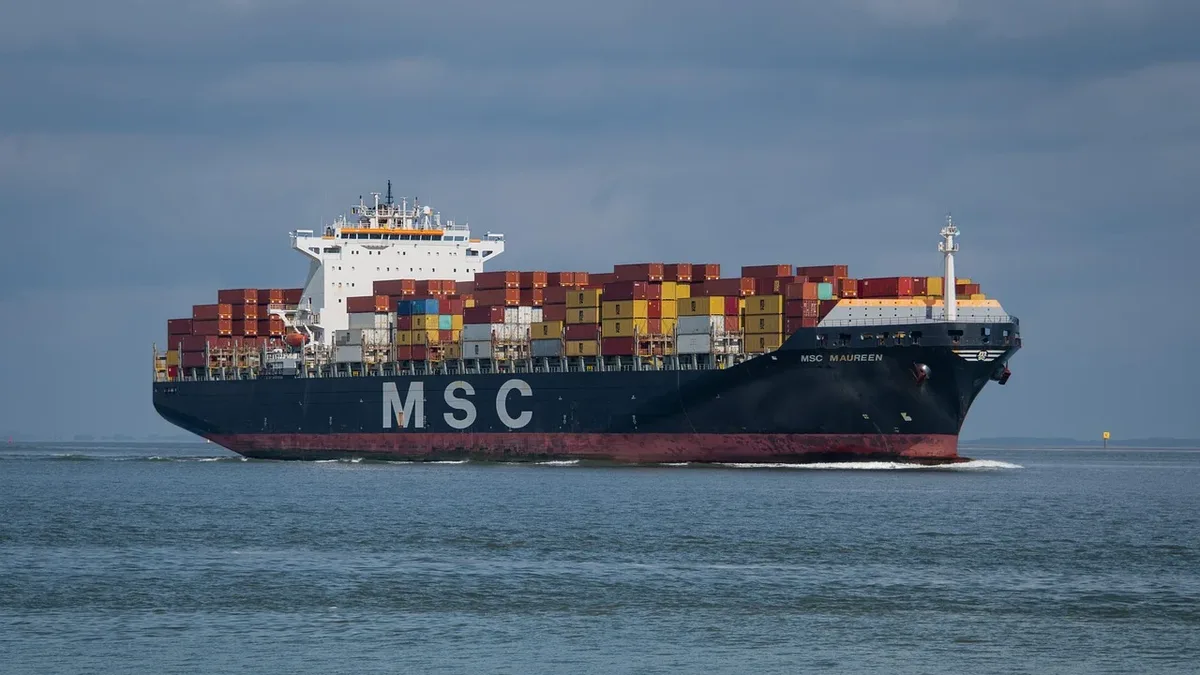
New Ships Boost Capacity on Strong Asia-Louth America Route
Carriers MSC and CMA CGM deploy new vessels to the Far East-South America east coast trade lane, where spot freight rates have nearly tripled...
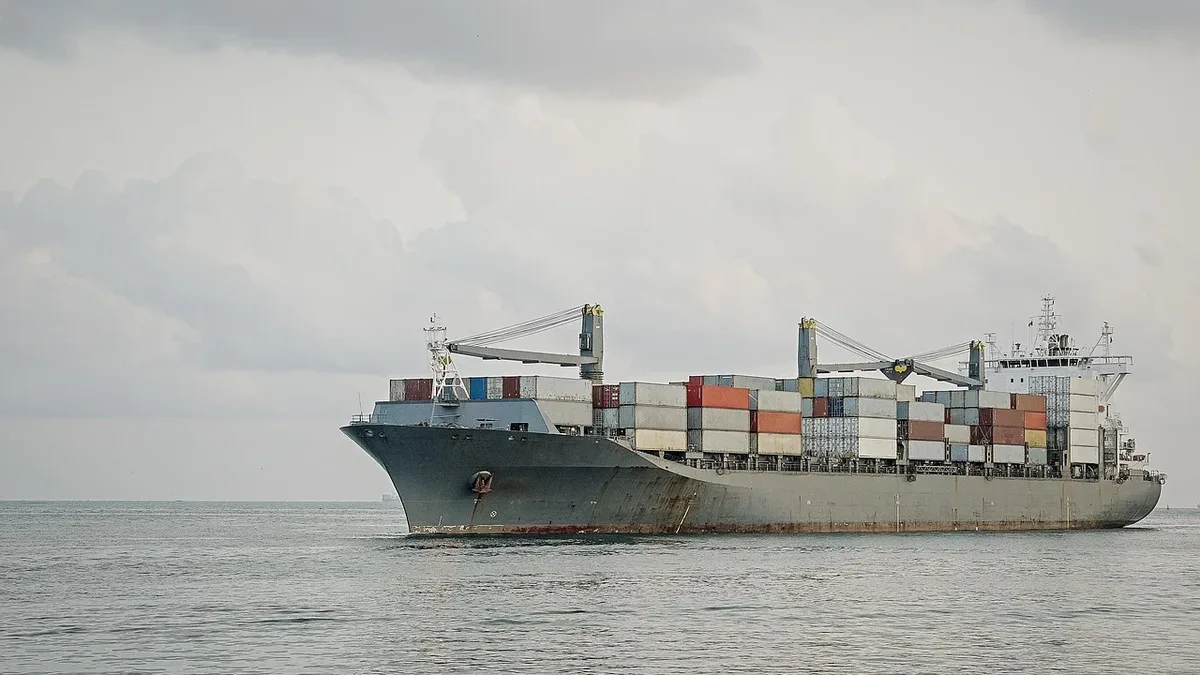
Transpacific spot rates hit $10,000 as Asia-Europe slides
Spot rates from Asia to the US East Coast have surged past $10,000 per 40ft container, reaching levels not seen since July 2022, while rates to Europe
Africa-Far East trade growth stalls as Asia
Container trade growth from Africa to the Far East fell to just 0.6% in June, while Asia-to-Africa volumes surged 25.1%, according to Container Trades

Gemini to drop Shanghai call in Asia shuttle
The Gemini Cooperation is merging two intra-Asia shuttle services, discontinuing the A04 and expanding the A14.