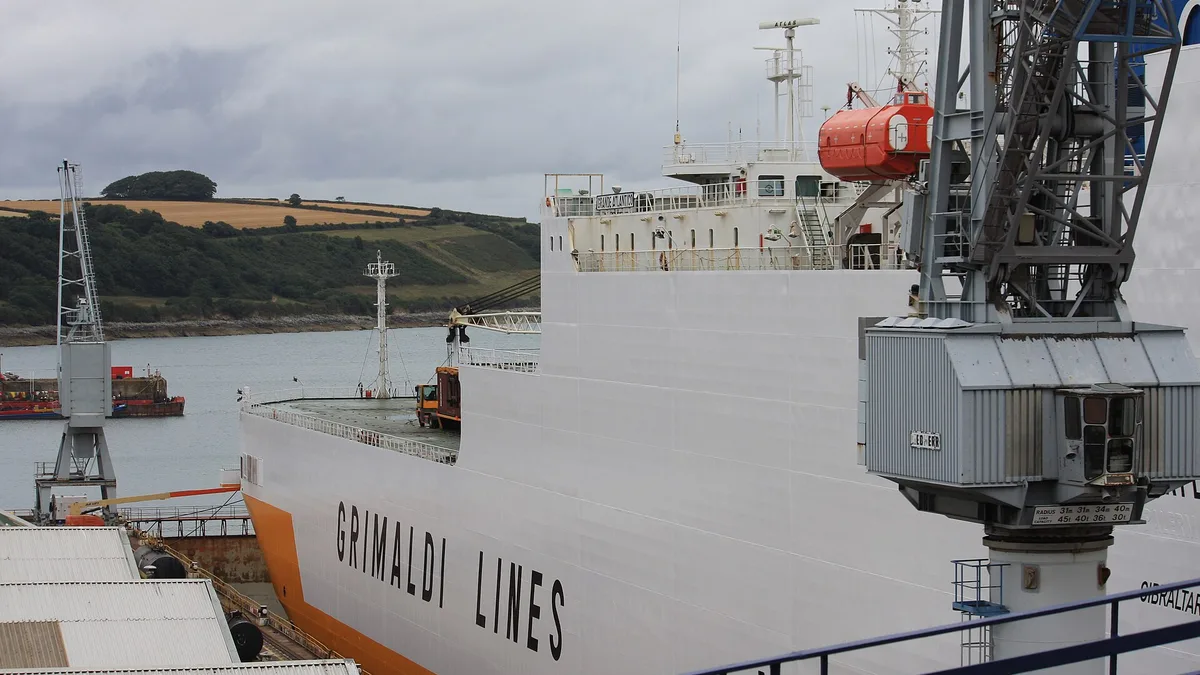
Ro Ro And Vehicle Carriers
| Mode type | Roll-on/roll-off and vehicle carrier shipping |
|---|---|
| Primary cargo | Wheeled vehicles and rolling stock |
| Vessel types | Pure car carriers, pure truck carriers, ro-ro freight vessels |
| Loading method | Vehicles driven or rolled on/off via ramps |
| Typical cargo units | Car equivalent units, truck equivalent units |
| Trade lane example | Asia to North America |
| Original use | Transport of manufactured automobiles for export |
Origin and history
The concept of the Roll-on/Roll-off (Ro-Ro) vessel originated in the United Kingdom during the mid-twentieth century. Its development was driven by the need for more efficient military landing operations during World War II. The commercial adoption of Ro-Ro technology accelerated significantly in the 1950s and 1960s as global trade expanded. Specialized Pure Car Carriers (PCCs) and later Pure Car and Truck Carriers (PCTCs) emerged as distinct subcategories to serve the booming automotive export industry. Japan became a central figure in the development and deployment of these specialized vehicle carriers from the 1970s onward, correlating with its rise as a dominant automotive exporter. The design evolution has continued, with vessels growing dramatically in size and capacity to meet the demands of global supply chains.
What it is for
Ro-Ro and Vehicle Carriers are specialized maritime vessels designed for the transportation of wheeled cargo. Their primary function is to carry automobiles, trucks, buses, construction machinery, and other rolling stock that can be driven on and off the vessel under their own power or via terminal tractors. This distinguishes them from lift-on/lift-off (Lo-Lo) container ships, which require cranes for cargo handling. The largest Pure Car and Truck Carriers are built to move thousands of vehicles simultaneously across oceans, forming the backbone of finished vehicle logistics. They serve specific trade lanes, predominantly from major manufacturing hubs in Asia, Europe, and North America to markets worldwide. Their design includes multiple fixed decks, internal ramps, and sophisticated securing systems to maximize cargo density and ensure vehicle safety during transit.
Pros and cons
The primary advantage of Ro-Ro transport is its operational efficiency in handling unitized, wheeled cargo, allowing for rapid port turnaround times as vehicles are driven directly between shore and ship. This method minimizes physical damage compared to multiple crane lifts and reduces port infrastructure costs for operators. However, the significant disadvantage is the extreme capital intensity and market volatility associated with these highly specialized vessels, making them susceptible to severe freight rate fluctuations during industry downturns. Operators often regret the commitment to long-term charters at peak rates when market demand collapses, as seen during global economic crises. A common mistake is underestimating the cargo imbalance on major trade lanes, leading to costly ballast legs for repositioning empty vessels. Furthermore, the cargo is highly vulnerable to certain types of damage, including saltwater corrosion, deck fires, and stability issues if securing procedures fail in heavy seas.
Who it suits
This mode suits high-volume manufacturers of finished vehicles, such as global automotive OEMs, heavy equipment manufacturers, and agricultural machinery producers, who require regular, scheduled ocean transport for their products. It is particularly suited for trade lanes with consistent, high-volume flows, such as the trans-Pacific route from Japan and Korea to North America or exports from Europe to international markets. Large freight forwarders and logistics providers specializing in finished vehicle logistics also utilize these services to consolidate shipments for smaller manufacturers. The mode does not suit shippers of non-wheeled cargo, break-bulk commodities, or those requiring door-to-door containerized logistics. It is generally unsuitable for low-volume or irregular shipments, as carriers prioritize filling entire vessels with contracts of affreightment from major manufacturers, leaving little space for spot market bookings.
Latest Ro Ro And Vehicle Carriers news
Latest reporting
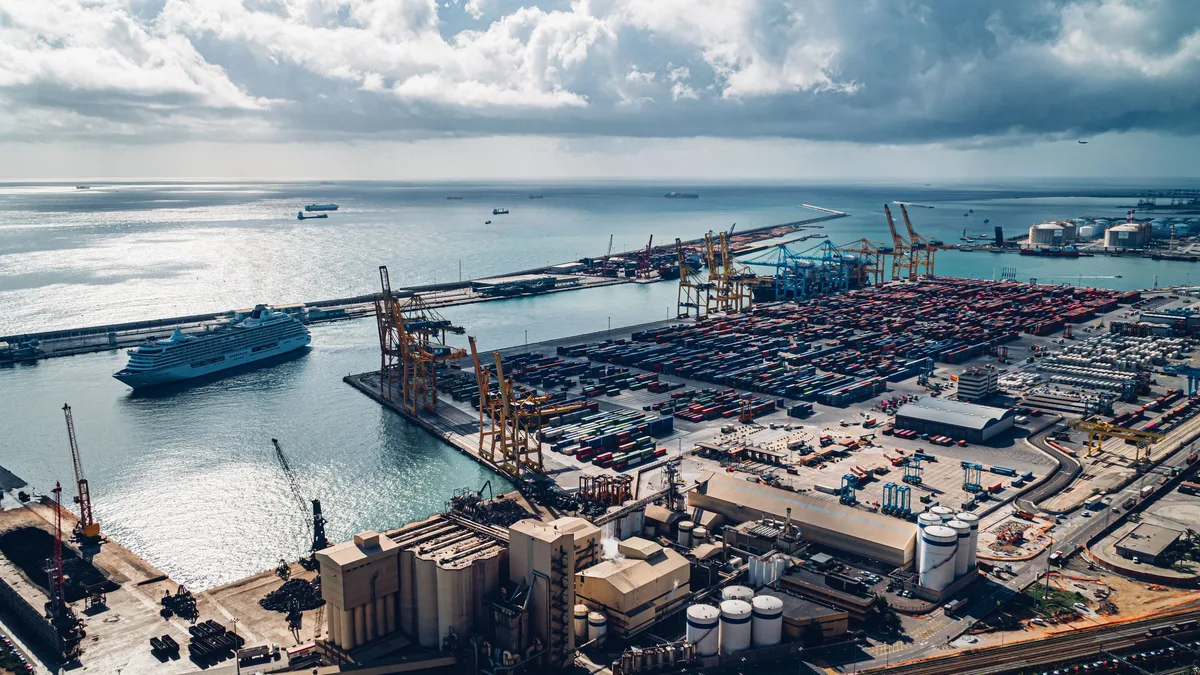
Lloyd's Register study finds 200,000-cbm LNG
A Lloyd's Register study for GTT finds 200,000-cbm LNG carriers can access 88 global terminals, only slightly fewer than conventional 174,000-cbm...
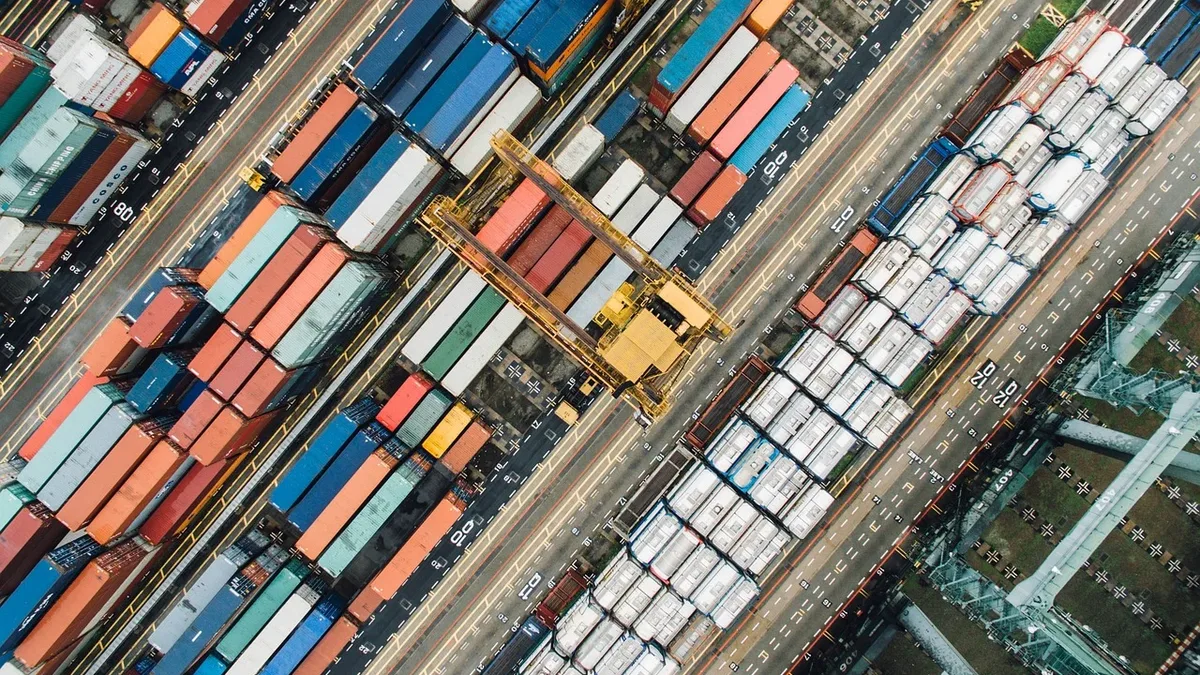
Fed Rate Hike Raises Costs for Freight Industry
The Federal Reserve's latest interest rate increase will raise capital costs for carriers and cool consumer demand, directly impacting logistics...
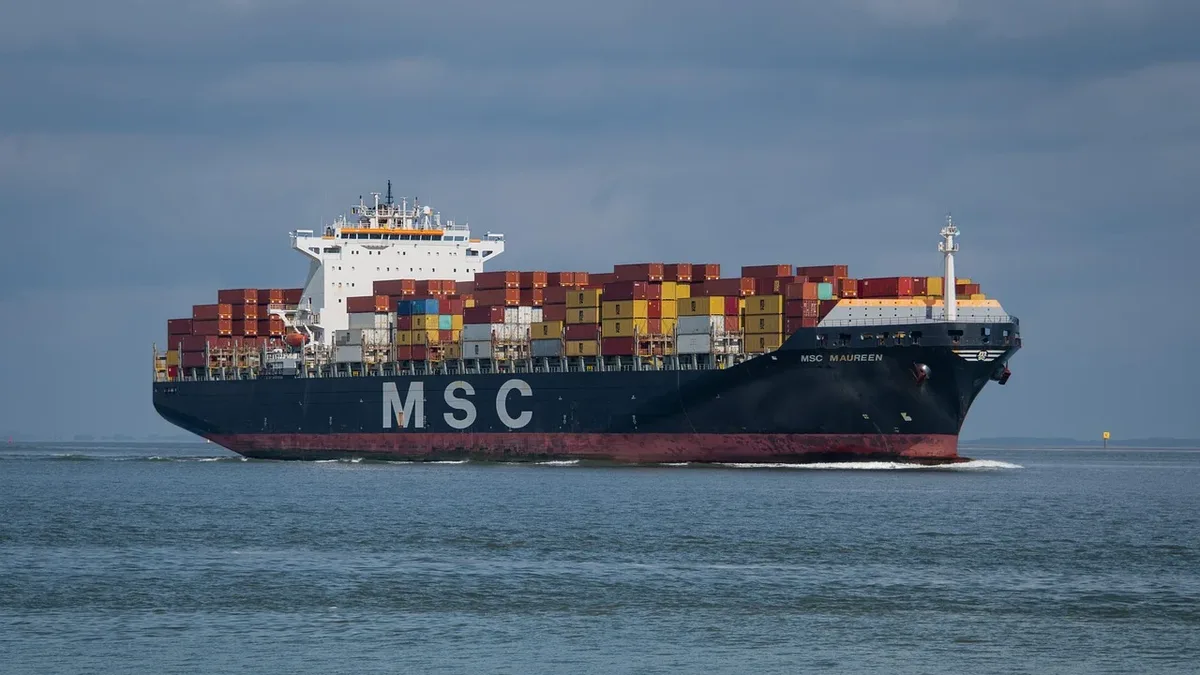
New Ships Boost Capacity on Strong Asia-Louth America Route
Carriers MSC and CMA CGM deploy new vessels to the Far East-South America east coast trade lane, where spot freight rates have nearly tripled...
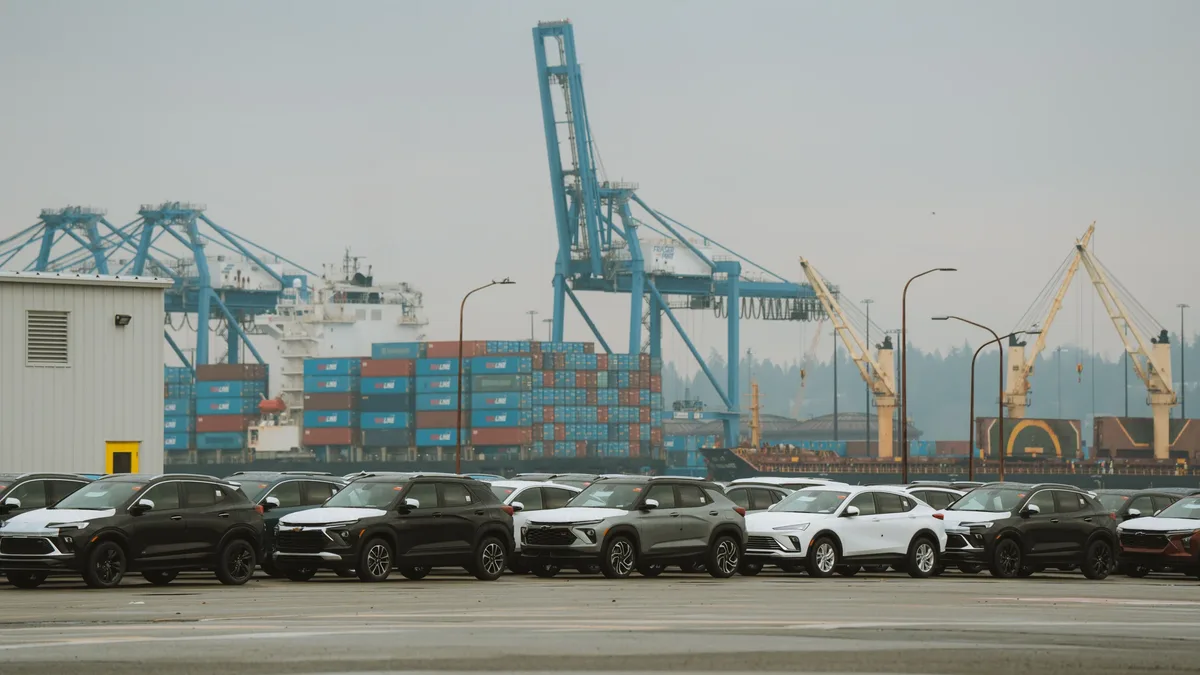
Car-carrier owners pivot to China amid
Western car-carrier owners are prioritizing vessels for Chinese vehicle exports and ordering new ships, as a capacity shortage drives up charter...

Ezeiza Runway Work Cuts Buenos Aires Air Cargo Capacity
A three-week runway upgrade at Buenos Aires' main cargo airport will severely restrict widebody flights, forcing major carriers to cancel services and
CSSC Shipping orders ten bulk carriers for $481 million
CSSC Shipping has ordered ten 80,000 dwt bulk carriers for $481 million, with deliveries from late 2029 through 2030.