Ezeiza Runway Work Cuts Buenos Aires Air Cargo Capacity
A three-week runway upgrade at Buenos Aires' main cargo airport will severely restrict widebody flights, forcing major carriers to cancel services and

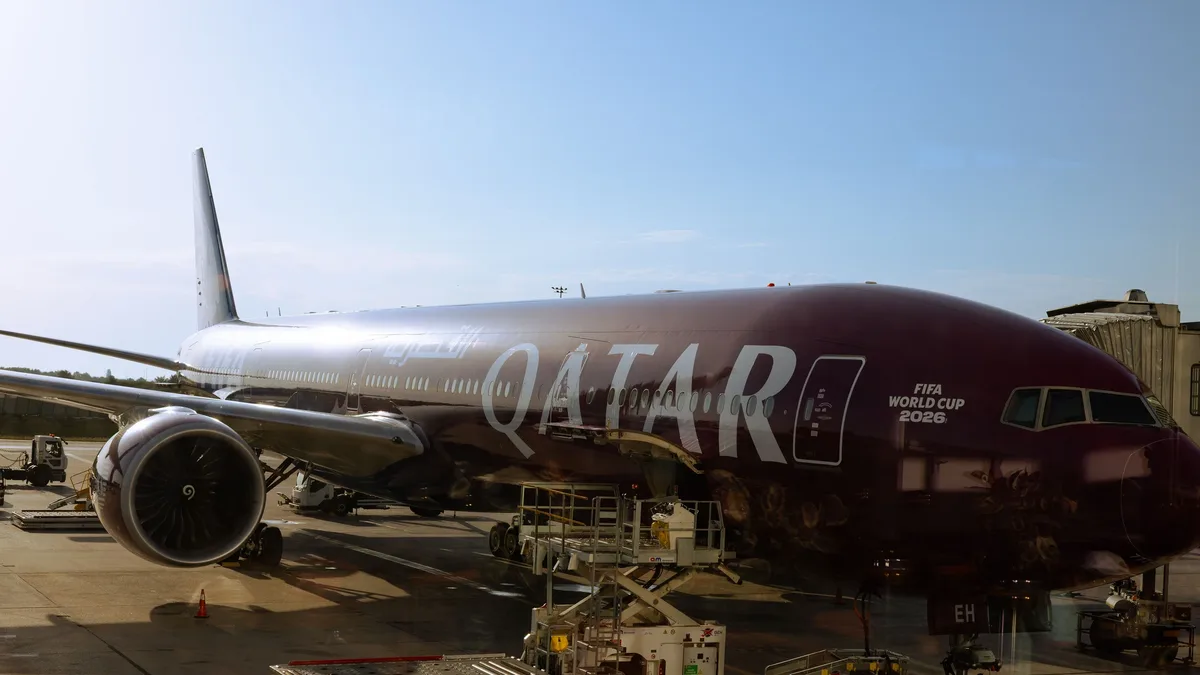
A $100 million infrastructure project at Buenos Aires' Ezeiza Airport will severely restrict international air cargo capacity for three weeks. From October 25 to November 11, work on a secondary runway will shorten the main runway from 3,300 meters to 1,850 meters, making it challenging for widebody aircraft to operate at maximum weight.
Major international carriers have responded by pausing operations. Lufthansa has cancelled its Frankfurt service, and Swiss is suspending flights to Zurich. A forwarder executive called the situation "a problem." The three large US airlines-American, Delta, and United-along with Air Canada, Turkish Airlines, Emirates, Air France KLM, British Airways, Ethiopian Airlines, and China Eastern are not selling Buenos Aires service for that period.
Alternative Routes and Limitations
Some airlines are inserting fuelling stops to maintain service. Aerolineas Argentinas will make technical stops in Rio de Janeiro for its flights to Rome and Madrid, while Iberia will route its return flight to Madrid via Montevideo. Forwarders are seeking alternatives but face significant hurdles. One recalled diverting flights to Rosario, Cordoba, and Montevideo during past fog disruptions.
Rosario has grown due to e-commerce but is considered too small and lacks equipment. Using Montevideo is complicated because the ferry connecting it to Buenos Aires does not carry trucks, hampering ground logistics. The cancellations by the major US carriers represent another drop in capacity to Latin America's largest market, coinciding with the start of the winter airline schedule.
Broader Infrastructure Challenges
Further concerns emerged in mid-August when Argentina's civil aviation administration warned it lacked funding for essential communications equipment and tools for its staff to oversee the construction work, posing risks. The broader airport project includes establishing a narrowbody apron, paving taxiways, completing a 12,000 square meter courier terminal, and expanding the perishables export facility. The temperature-controlled space for exports will increase from 4,500 square meters to nearly 7,000.
Peter Cerdá, IATA's Vice President for the Americas, stated that cargo infrastructure development has lagged behind throughput growth at most regional airports. He accused the operators of airports in Lima, Bogota, and Santiago of prioritizing passenger projects over cargo needs. Cerdá noted the airports have space for development but stressed the need to reduce obstacles and optimize operations to strengthen their competitive position.
Ocean Freight Reliability Declines
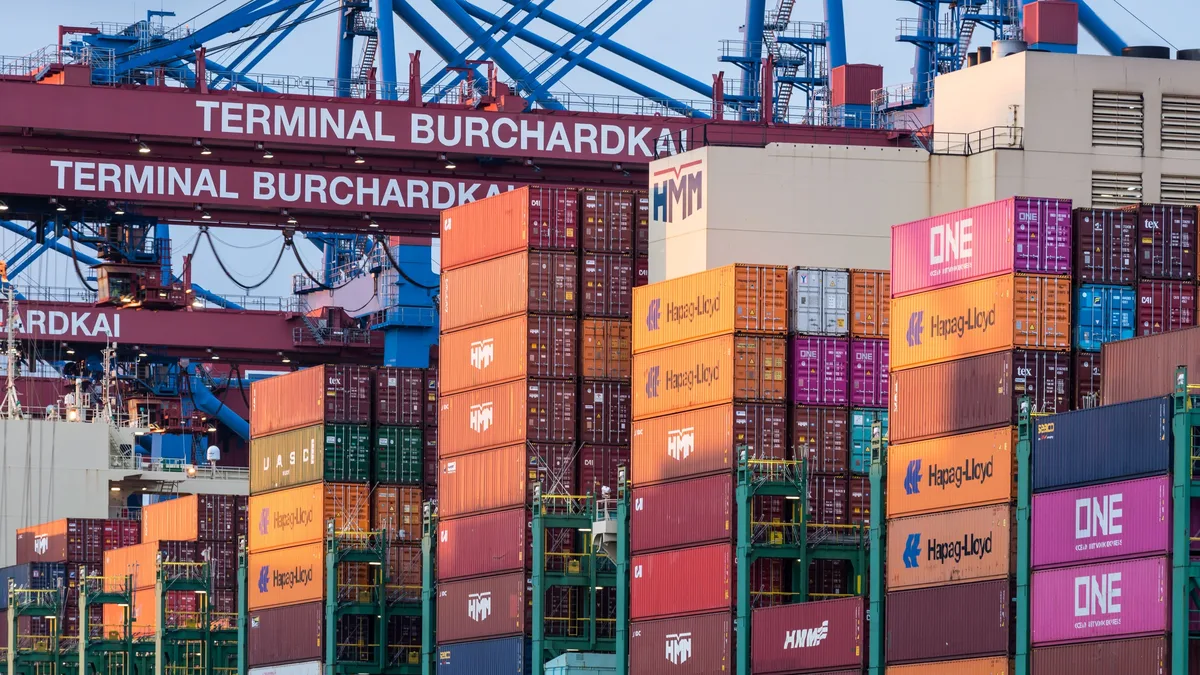
On the maritime side, schedule reliability for ocean transport from South America to North America deteriorated in recent months after a period of improvement. According to Sea-Intelligence Maritime Analysis's Global Liner Performance report for August, schedule reliability fell 8.3 percentage points month-on-month in June/July to 75.4%, which is 11.3% lower than a year ago.
The average delay for all vessels extended by 0.79 days from the previous month to 1.3 days, while the average delay for late vessels increased by 1.11 days to 5.22 days. This was the first month of decline this year. Four container carriers in the sector showed improved punctuality, while four registered declines. Southbound schedule reliability slipped 2.5 percentage points from May/June to 84.5%, though it remained 3.2% higher year-on-year.
Meanwhile, Maersk has launched a new cold chain service from Chile to the US for grapes and other perishables requiring fumigation. The carrier ran a pilot this grape season, moving fruit via the port of Wilmington to the mid-Atlantic and south-eastern US, with fumigation at the port. Maersk claims this offers importers faster access to freight and reduced transport costs compared with other routes.