US Shipping Revival Stalls Without Cargo Demand
Industry and lawmakers warn that ambitious legislation to rebuild America's shipping fleet cannot succeed without stronger commercial cargo demand, despite
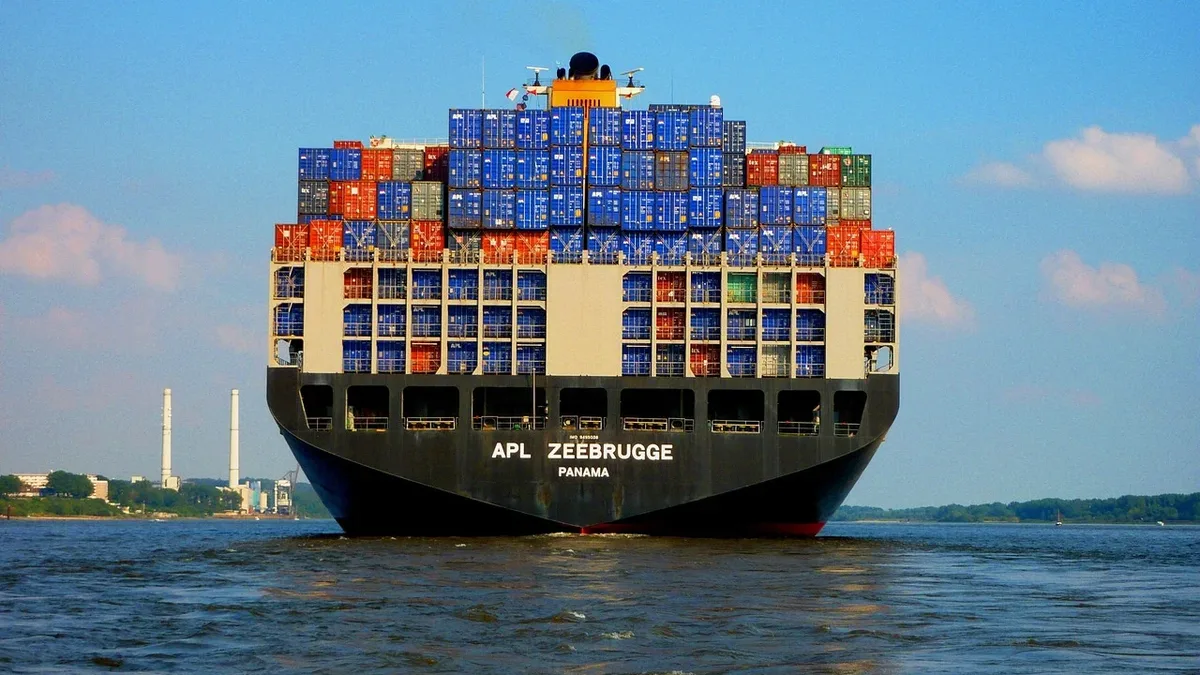
U.S. Lawmakers and maritime executives warn that ambitious plans to rebuild America's shipping capacity face a fundamental economic hurdle: a lack of strong cargo demand. The concern was raised multiple times at a policy forum on U.S. Shipping and shipbuilding hosted by the Hudson Institute in Washington.
Industry figures present at the event echoed the sentiment that commercial demand, not shipbuilding capacity, is the current bottleneck. Larry Ryder, senior vice president of business development for Hanwha Defense USA, Inc., an affiliate of Philadelphia shipbuilder Hanwha Philly Shipyard, stated there is existing capacity to absorb a near-term increase in demand. "But I don't think our capacity to build ships is the chokepoint right now," Ryder said, emphasizing that a stronger demand signal is needed first.
Legislative Push for a Maritime Revival
The discussion centered on the SHIPS for America Act, legislation introduced in late 2024 and reintroduced in 2025. The bill aims to revitalize U.S. Maritime policy, make U.S.-flagged vessels competitive internationally, and expand the domestic shipyard industrial base. To improve its chances, key pieces of the SHIPS Act have been attached as amendments to the 2027 National Defense Authorization Act (NDAA), which is considered must-pass legislation for military funding.
Senators Mark Kelly, a Democrat from Arizona, and Todd Young, a Republican from Indiana, who sponsor the Senate version of the bill, promoted the legislation at the forum. Senator Kelly framed the issue as a critical security problem. To me, it’s a national security problem and an economic security problem, not having a robust shipbuilding and shipping capacity to get stuff across the ocean, and it’s getting worse every single year, he said.
The Demand-Side Challenge
Despite the legislative push, the absence of commercial demand was a recurring theme. Ben Cipperly, chief strategy officer for autonomous ship software developer Havoc AI, shared that his company has been largely defense-focused. "There just hasn’t been a commercial demand signal for our [technology] yet," Cipperly stated during the discussion. He linked the potential for his company's technology to a future shipbuilding bow wave that might come with the passage of the SHIPS Act.
Senator Kelly himself acknowledged the market's key role, stating plainly, Everything will follow the cargo in this industry. You need stuff to put on the ships. This shows the central dilemma: policy can create incentives, but a sustainable revival requires underlying commercial activity.
Path Forward in Congress
The outlook for the legislation involves handling differences between House and Senate versions. While the House version of the NDAA did not include certain SHIPS Act components, Senators Kelly and Young believe everything is still on table as the two chambers work on a compromise. Key provisions not yet in the House bill include a Strategic Commercial Fleet Program with a goal of building 250 U.S.-flag ocean-going ships and a provision to raise the percentage of U.S. Government cargo required to sail on U.S.-flagged vessels from 50% to 100%.
Senator Young expressed optimism about administrative support, noting work with a majority of cabinet members and thousands of comments received for technical assistance. The administration has bought in, and it’s exciting, Young said. However, the ultimate success of the policy hinges on aligning legislative ambition with the economic reality of cargo volumes, a challenge highlighted by industry voices at the Washington forum.