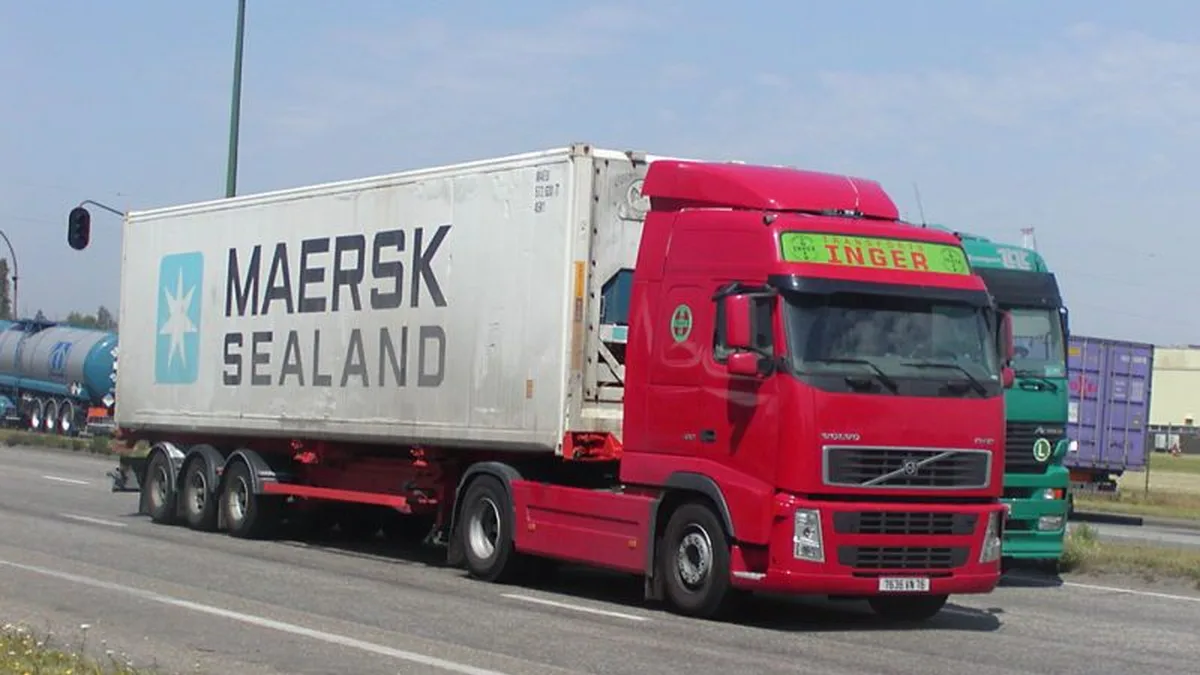
Container Tracking And Iot Devices
| Technology type | Telematics device |
|---|---|
| Original use | Monitor the location and condition of cargo containers during transit |
| Primary data collected | GPS location, motion, door status, internal temperature, humidity |
| Power source | Long-life internal battery, often with solar charging |
| Communication methods | Cellular (LTE-M, NB-IoT), satellite (Iridium, Globalstar), LoRaWAN |
| Typical mounting | Internal (within container), external (on door or frame) |
| Data transmission interval | Varies from near-real-time to daily, configurable based on need and power |
Origin and history
The foundational technologies for container tracking emerged in the late 20th century, primarily from developments in the United States and Europe. Early systems relied on manual paperwork and sporadic radio reports, creating significant gaps in shipment visibility. The concept of using active radio-frequency identification (RFID) for logistics gained traction in the 1990s, though it was limited by cost and range. The true catalyst for modern container tracking was the proliferation of satellite communication and cellular networks in the 2000s, enabling more reliable data transmission. The integration of the Internet of Things (IoT) into logistics accelerated in the 2010s, driven by advances in sensor miniaturization, battery life, and cloud computing. This evolution transformed tracking from simple location updates to a comprehensive condition-monitoring system, fundamentally changing supply chain management.
What it is for
Container tracking and IoT devices are used to monitor the real-time location and condition of intermodal shipping containers across global trade lanes. Their primary function is to provide stakeholders with precise data on a container's geographic position, whether at sea, in a port, or on a rail or road leg. Beyond location, integrated sensors track critical internal conditions such as temperature, humidity, light exposure, and shock or tilt events. This data is essential for verifying the integrity of sensitive cargo like pharmaceuticals, perishable foods, and high-value electronics. The technology enables automated exception alerts, notifying shippers immediately of deviations like route diversions, delays, or damaging impacts. Ultimately, it serves to reduce inventory uncertainty, improve security, and provide the evidentiary data needed for cargo claims and compliance with contractual service-level agreements.
Pros and cons
A primary advantage is the dramatic increase in supply chain visibility, allowing for better planning, reduced safety stock, and more informed customer communication. The condition monitoring capability can prevent massive cargo losses by alerting to refrigeration failures or hazardous impacts during transit. However, the technology introduces significant complexity and cost, requiring investment in hardware, software platforms, and data management expertise. A common mistake is underestimating the total cost of ownership, which includes not just the devices but also cellular or satellite data subscriptions and integration with existing transport management systems. Regret often comes from shippers of low-value, durable goods who find the cost of advanced monitoring outweighs the risk of loss or delay. Furthermore, the sheer volume of data generated can overwhelm operators who lack the analytical tools to derive actionable insights, leading to "data rich but information poor" scenarios. Reliability issues also persist, with physical device damage, battery failure in long transits, and connectivity black spots in remote areas or certain ports still posing operational challenges.
Who it suits
This technology is particularly suited to shippers of high-value, time-sensitive, or condition-critical cargo, such as pharmaceuticals, fresh produce, aerospace parts, and fine art. Large enterprises with complex, multi-modal supply chains benefit greatly from the integrated visibility across different carriers and transport modes. It is also essential for logistics providers and freight forwarders offering premium, guaranteed service levels, as it supplies the data necessary to validate performance and manage exceptions. Conversely, it is less critical for shippers of low-margin, non-perishable bulk commodities where the cost of tracking may erode profitability and the consequences of delay or minor damage are minimal. Companies already investing in supply chain digitalization and which possess the internal capability to analyze and act on IoT data will realize the greatest return on investment. Ultimately, its adoption aligns with a strategic priority on supply chain resilience, security, and data-driven decision-making over pure cost minimization.
Latest Container Tracking And Iot Devices news
Latest reporting
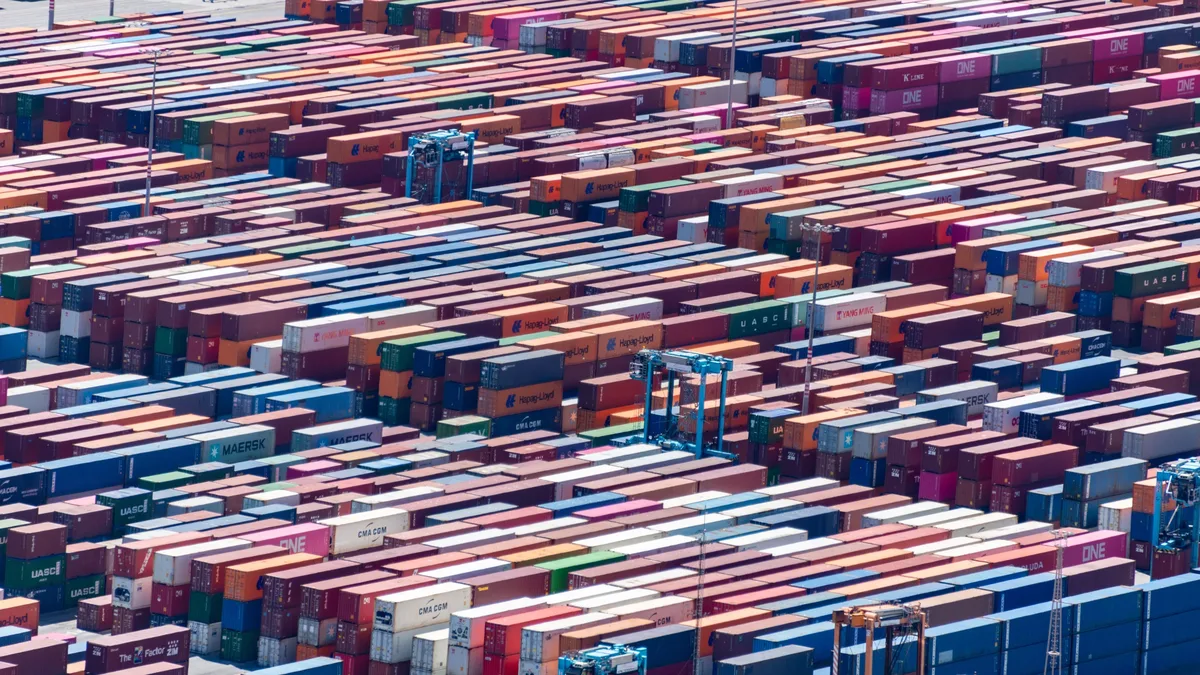
Domestic intermodal container volumes hit
Loaded domestic intermodal container volumes reached a new annual high of 21,697 on September 28, driven by sustained cost savings and seasonal growth
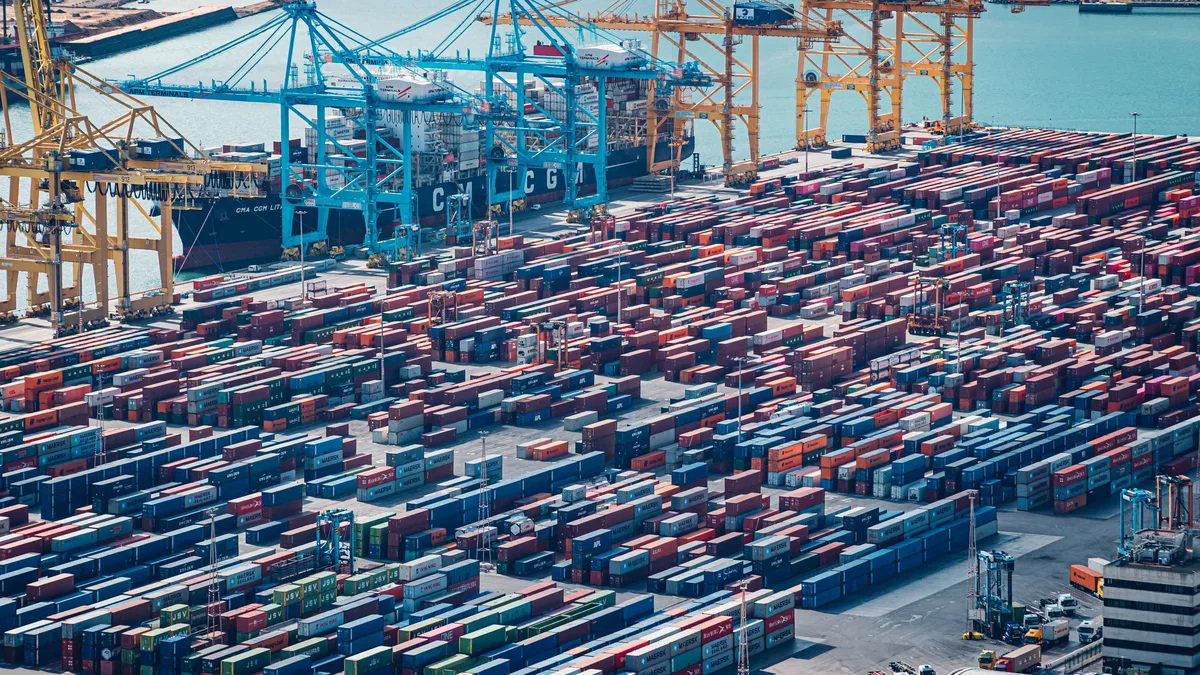
Hong Kong shifts port strategy from volume
Hong Kong's new five-year plan pivots its port strategy from chasing container volume to developing higher-value services, targeting smart, green...
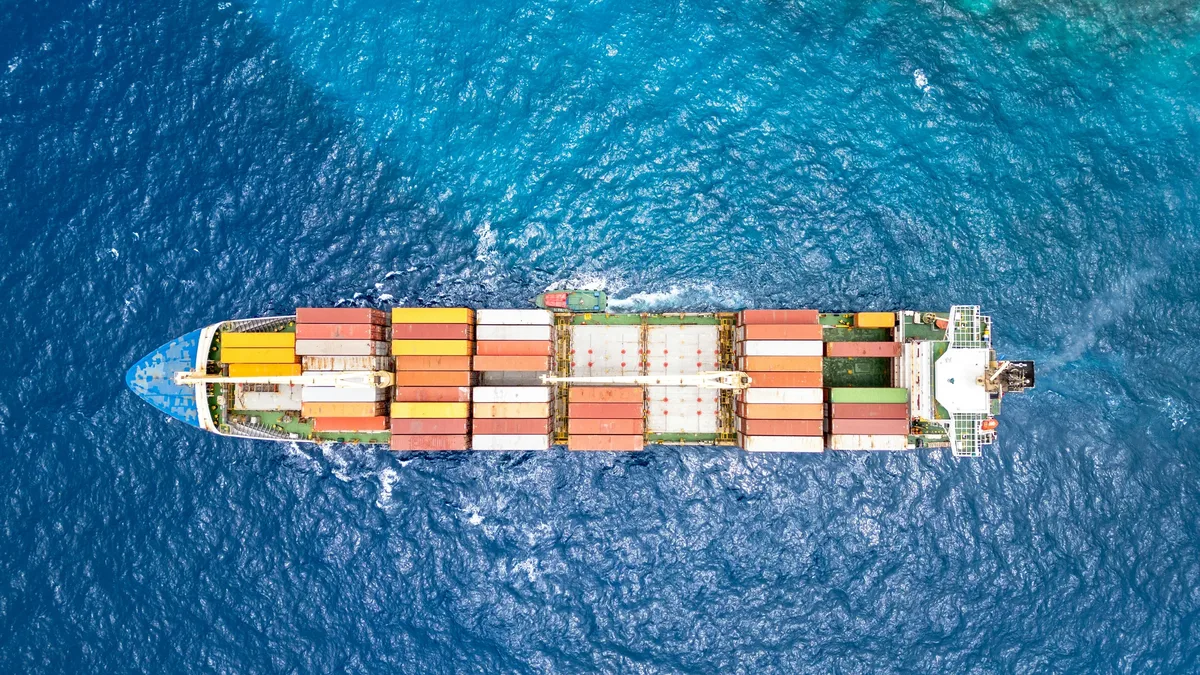
Ocean freight rates defy post-peak easing as capacity
Transpacific container spot rates remain above $10,000 as strong US demand, port delays, and carrier blank sailings extend the peak season, according...
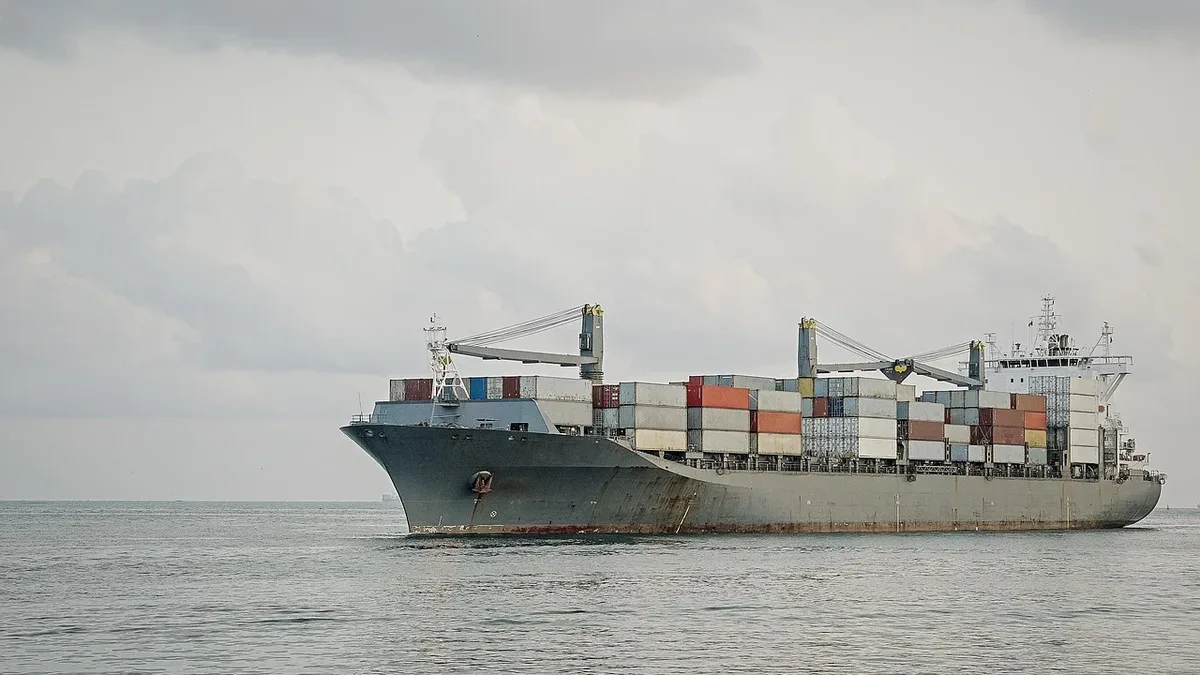
Transpacific spot rates hit $10,000 as Asia-Europe slides
Spot rates from Asia to the US East Coast have surged past $10,000 per 40ft container, reaching levels not seen since July 2022, while rates to Europe
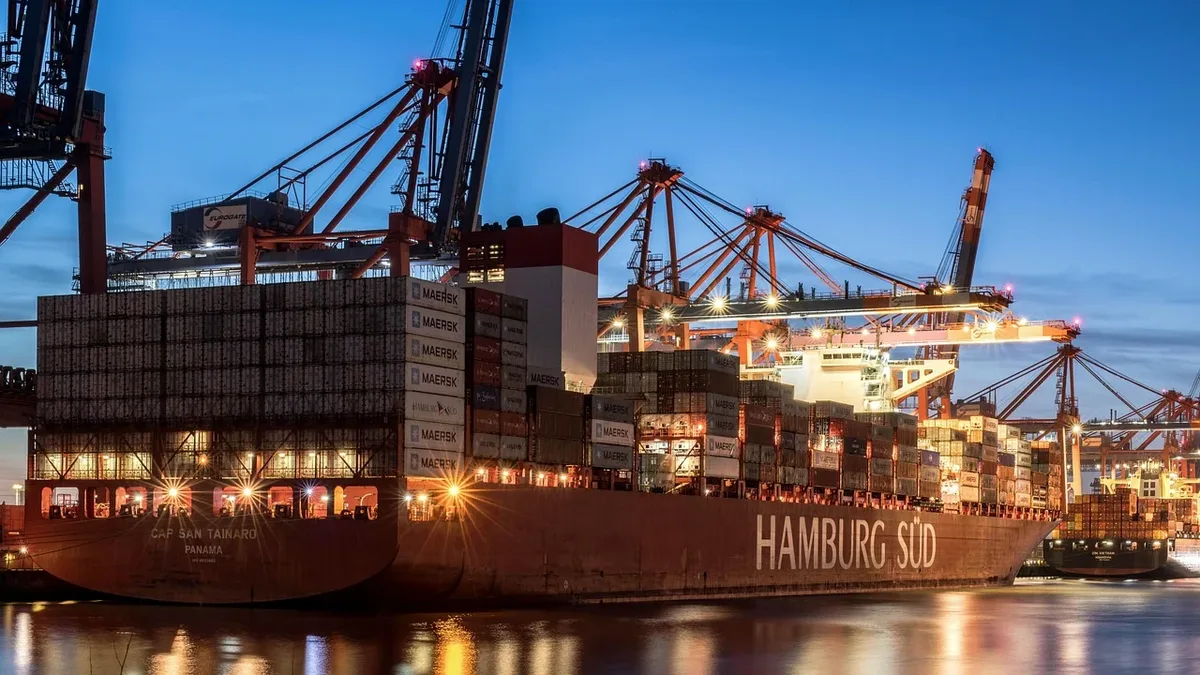
German port workers vote to reject pay
Union members at major German ports have rejected a pay deal, moving closer to an indefinite strike that threatens to disrupt container handling...
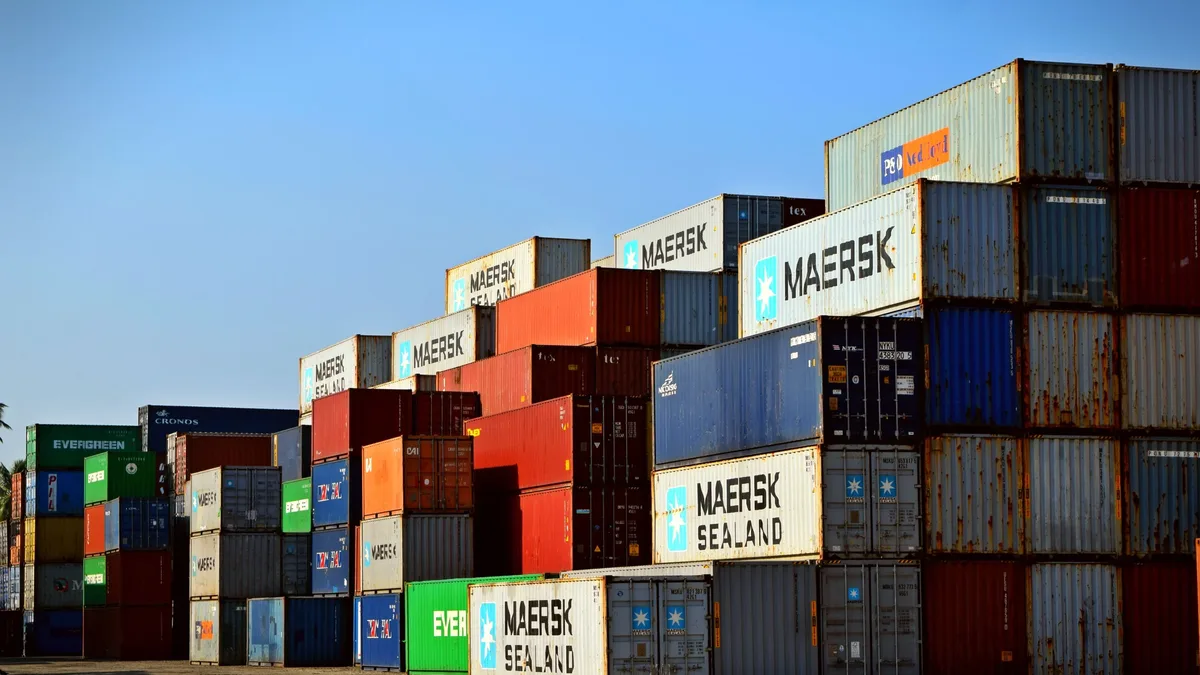
Maersk, CCT execs call for integration to seize LatAm
Executives from Maersk and Evergreen's Colon Container Terminal argue that deeper integration across ports, shipping lines, and land logistics is...