Contract Versus Spot Mix
| Contract Type | Long-term fixed-rate agreement versus short-term market-rate booking |
|---|---|
| Primary Determinant | Carrier and shipper risk tolerance and market outlook |
| Typical Contract Duration | Annual or multi-year |
| Typical Spot Duration | Single shipment or short-term |
| Price Volatility | Low for contract, high for spot |
| Volume Commitment | High for contract, low or none for spot |
| Service Flexibility | Low for contract, high for spot |
| Market Conditions Favoring | Contract in tight capacity markets, spot in loose capacity markets |
Origin and history
The commercial practice of mixing long-term contracts with spot market purchases in freight transportation originated from the global container shipping industry that developed in the latter half of the 20th century. Its formalization as a strategic procurement concept, often termed "contract versus spot mix," gained prominence within corporate logistics and supply chain management disciplines in the 1990s and 2000s. This approach evolved as a direct response to the inherent volatility in ocean freight rates following the deregulation and liberalization of shipping markets. The need to balance cost certainty with market flexibility became a central challenge for shippers of all sizes. The methodology was further refined through the adoption of advanced procurement techniques and data analytics in the 2010s. Its principles are now a standard component of transportation management across various modes, including trucking and air freight, though it remains most critical in the container shipping sector.
What it is for
A contract versus spot mix strategy is employed to manage freight transportation costs and secure capacity by blending guaranteed, long-term agreements with opportunistic, short-term market purchases. The primary purpose is to achieve a balance between the price stability and capacity assurance provided by annual or multi-year contracts and the potential cost savings or urgent coverage available on the volatile spot market. This approach is used to mitigate the risk of being over-committed to high-priced contracts during a market downturn or being exposed to extreme spot prices during a capacity crunch. It serves as a fundamental tool for supply chain managers to optimize their transportation budget and ensure service reliability. The specific ratio of contract to spot volume is deliberately planned based on an organization's risk tolerance, market forecasts, and cargo characteristics. Implementing this strategy requires continuous monitoring of market rates and active management of carrier relationships to execute effectively.
Pros and cons
A primary advantage of a deliberate contract versus spot mix is the mitigation of extreme financial risk, preventing a portfolio from being entirely exposed to either volatile spot spikes or uncompetitive locked-in contract rates. This strategy provides structured access to capacity during tight markets while retaining the flexibility to capture cost savings when the spot market falls below contract rates. A significant con, however, is the operational and administrative complexity involved in managing multiple pricing mechanisms, carriers, and booking processes simultaneously. Shippers who over-allocate to spot volume during a sustained period of high demand and scarce capacity often regret the decision, facing severe cost overruns and potential service failures for their cargo. The common mistake is setting a static mix ratio based on historical price patterns without a dynamic model to adjust for forecasted market shifts, leading to suboptimal outcomes in rapidly changing conditions. Furthermore, heavy reliance on the spot market can strain relationships with core contract carriers, who may prioritize more loyal shippers during equipment shortages.
Who it suits
This strategy is particularly suited to mid-to-large volume shippers with the internal analytical resources to regularly assess market conditions and adjust their procurement tactics accordingly. It suits companies with a moderate risk tolerance that are unwilling to accept the full volatility of the spot market but also seek to avoid the opportunity cost of being 100% contracted in a falling market. Importers and exporters with predictable base volumes but variable promotional or seasonal peaks find it effective for covering their consistent needs with contracts while using the spot market for overflow. Shippers of non-time-sensitive, commoditized goods that can tolerate some transit time variability are often best positioned to maximize spot market savings. Conversely, it is less suitable for very small shippers who lack volume leverage for meaningful contracts, or for companies moving exclusively critical, time-definite goods where absolute certainty overrides cost considerations. Ultimately, it suits supply chain organizations that view transportation procurement as a strategic, ongoing function rather than a simple annual purchasing event.
Latest Contract Versus Spot Mix news
Latest reporting
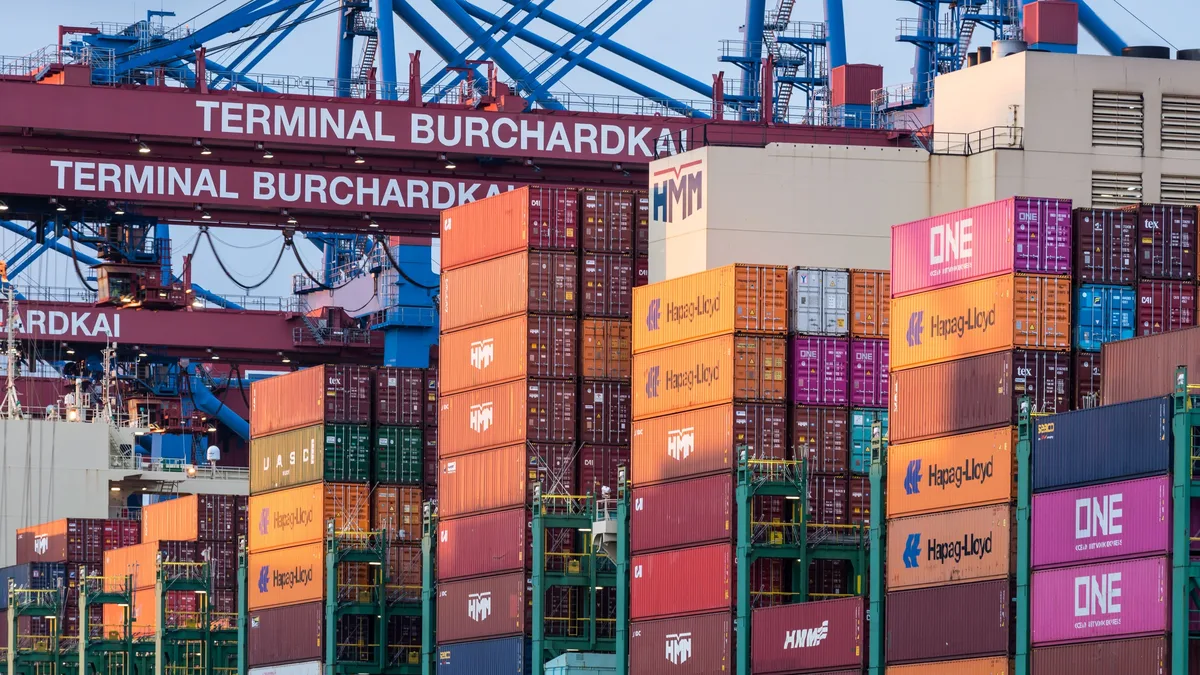
CMA CGM completes $1.4bn FedEx Supply Chain
CMA CGM has finalized its $1.4 billion purchase of FedEx Supply Chain, integrating the contract logistics business into its Ceva Logistics arm to
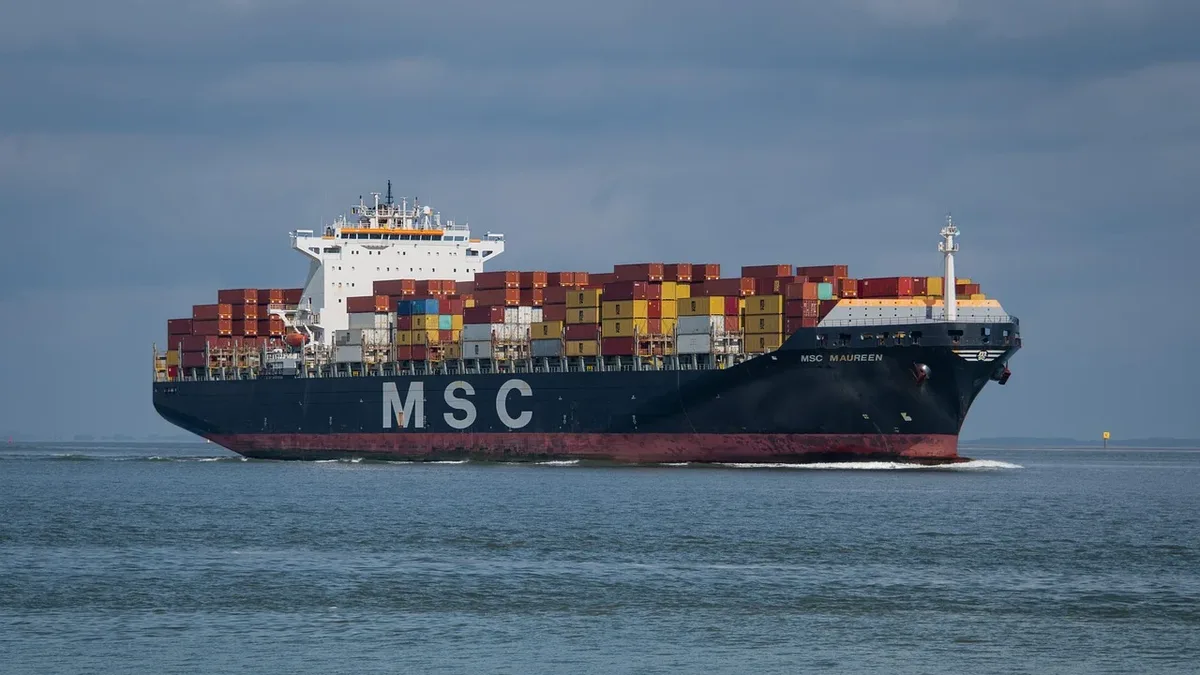
New Ships Boost Capacity on Strong Asia-Louth America Route
Carriers MSC and CMA CGM deploy new vessels to the Far East-South America east coast trade lane, where spot freight rates have nearly tripled...

Ocean freight rates defy post-peak easing as capacity
Transpacific container spot rates remain above $10,000 as strong US demand, port delays, and carrier blank sailings extend the peak season, according...

Transpacific spot rates hit $10,000 as Asia-Europe slides
Spot rates from Asia to the US East Coast have surged past $10,000 per 40ft container, reaching levels not seen since July 2022, while rates to Europe

Air cargo demand up 6% in August, rates ease
Global air cargo demand grew 6% year-on-year in August 2026, maintaining a strong summer. Spot rates averaged $3.13 per kg, still 24% higher than a...

Shippers face higher costs and lower
Global container schedule reliability has fallen to 29.4% as spot rates on major trade lanes surge, with Xeneta data showing significant declines in