Ocean freight rates defy post-peak easing as capacity
Transpacific container spot rates remain above $10,000 as strong US demand, port delays, and carrier blank sailings extend the peak season, according to a
The anticipated post-peak season drop in ocean freight rates has not arrived. Resilient US import demand, typhoon-related port delays, and strategic carrier capacity cuts are maintaining intense pressure on the market, according to analysis from CargoTrans presented in a recent FreightTea webinar.
CargoTrans director Barış Aytan stated that expectations of a softening market in late July have proven incorrect. "When we last had this conversation on 30 July, we had every reason to believe that we were past the peak," Aytan said. Instead, the peak season has been extended. US import volumes for September are projected to reach approximately 2.3 million twenty-foot equivalent units (TEU). This figure is about 10% higher than the volume recorded in September of the previous year.
Capacity cuts and weather delays
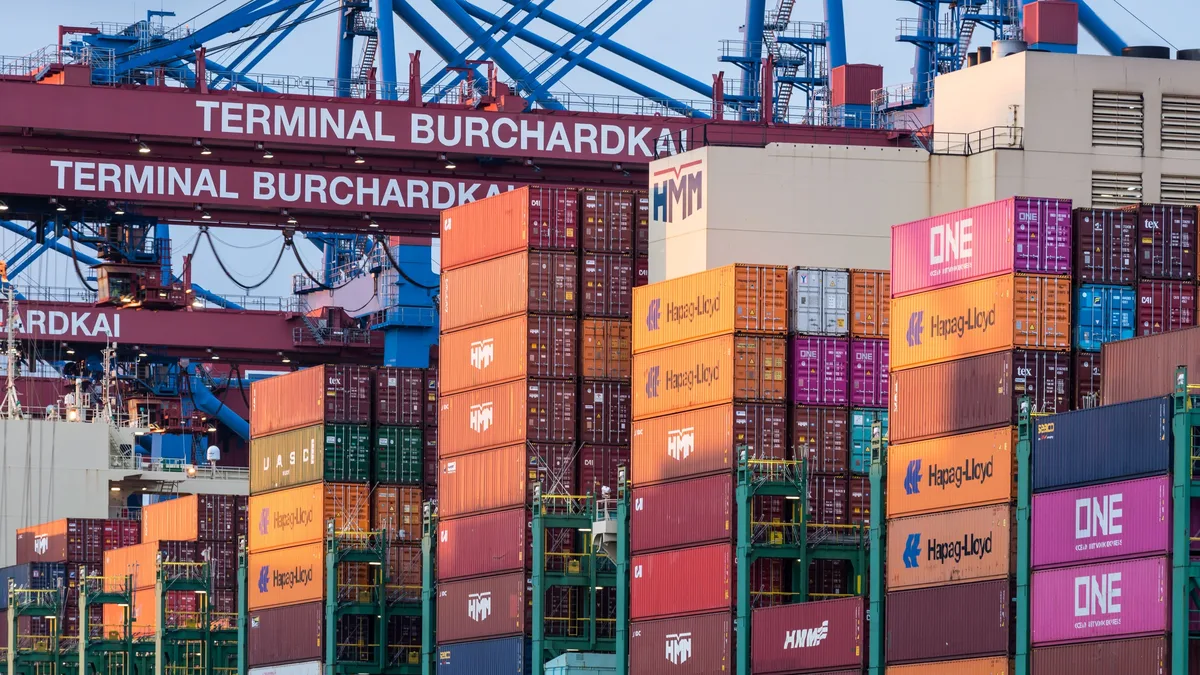
The analysis points to capacity, not only demand, as the primary driver sustaining high freight rates. Recent operational disruptions have severely tightened available ship space. Three typhoons have affected major Chinese ports in recent weeks, causing significant vessel delays. Waiting times for a berth at Shanghai reached between seven and ten days. As of September 12, reports indicated 157 vessels were queuing outside Shanghai, with the resulting backlog likely to persist into October.
Simultaneously, carriers are implementing widespread blank sailings ahead of China's Golden Week holiday. A total of 78 sailings are scheduled to be cancelled between weeks 38 and 43 of the year. The Pacific Southwest trade lane will see the most significant capacity reduction.
| Trade Lane | Blank Sailings (Weeks 38-43) | Estimated Capacity Cut |
|---|---|---|
| Pacific Southwest | 29 | ~32% |
Diverging rate trends and risk appetite
Freight rates on major East-West trade lanes are moving in opposite directions. While transpacific rates hold firm, spot rates from Asia to North Europe have been sliding after a sharp earlier rise. Aytan noted that China-North Europe rates had climbed from around $2,000 several months ago to nearly $5,000 by late July, before beginning their recent descent.
Geopolitical factors continue to influence carrier routing and capacity decisions. Despite ongoing security risks, some carriers are gradually returning to the Red Sea route. They are motivated by the significantly higher freight rates the diversionary routing has supported. "There is an appetite for risk right now," Aytan observed. He explained that elevated rate levels allow carriers to justify increased insurance premiums while seeking to capitalize on the market.
Aytan cautioned that this movement does not signal an improvement in the security situation. The situation there, the risk landscape there, is not any better than what it was two months ago, he stated.
The Panama Canal factor
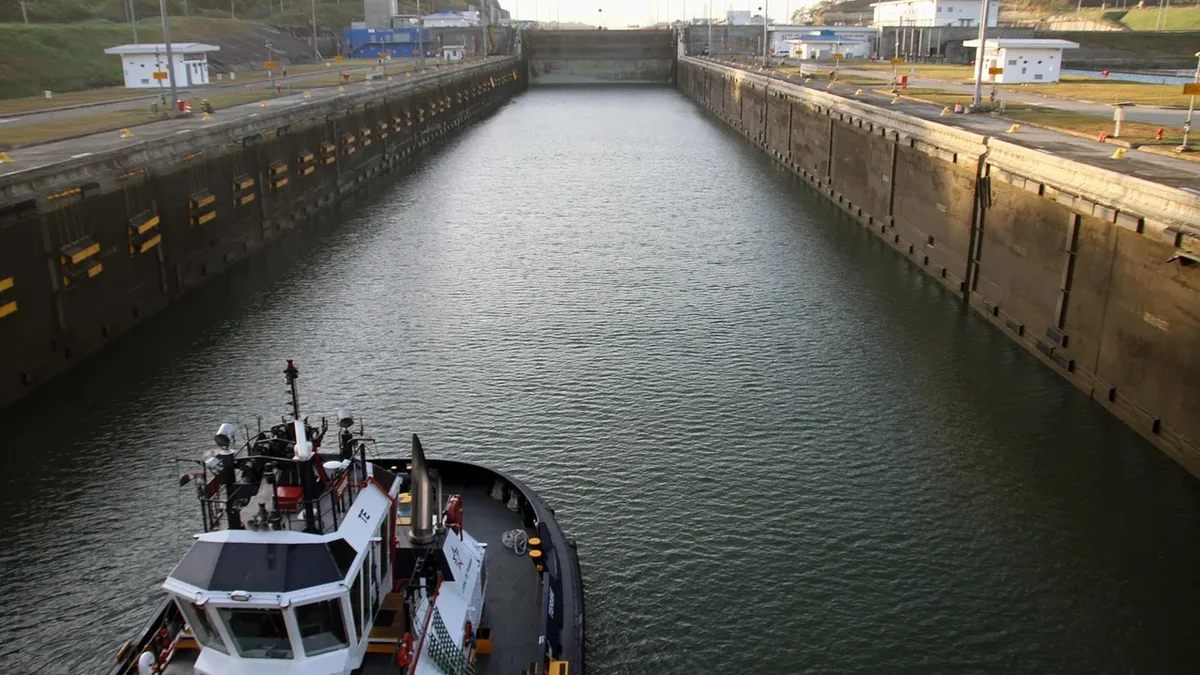
An improvement in conditions at the Panama Canal may offer a slight counterbalance to the capacity crunch. Better water levels could allow for increased transit capacity through the canal. This development has the potential to narrow the historical rate gap between services to the US East Coast and those to the West Coast, by providing a more viable alternative routing.
The overall market dynamic is now dominated by effective capacity. Strong import demand persists, but the actual availability of ship space is dictating rate levels. With blank sailings scheduled, port backlogs lingering, and carriers cautiously re-evaluating risky routes, the pressure on ocean freight capacity shows no immediate sign of relenting.