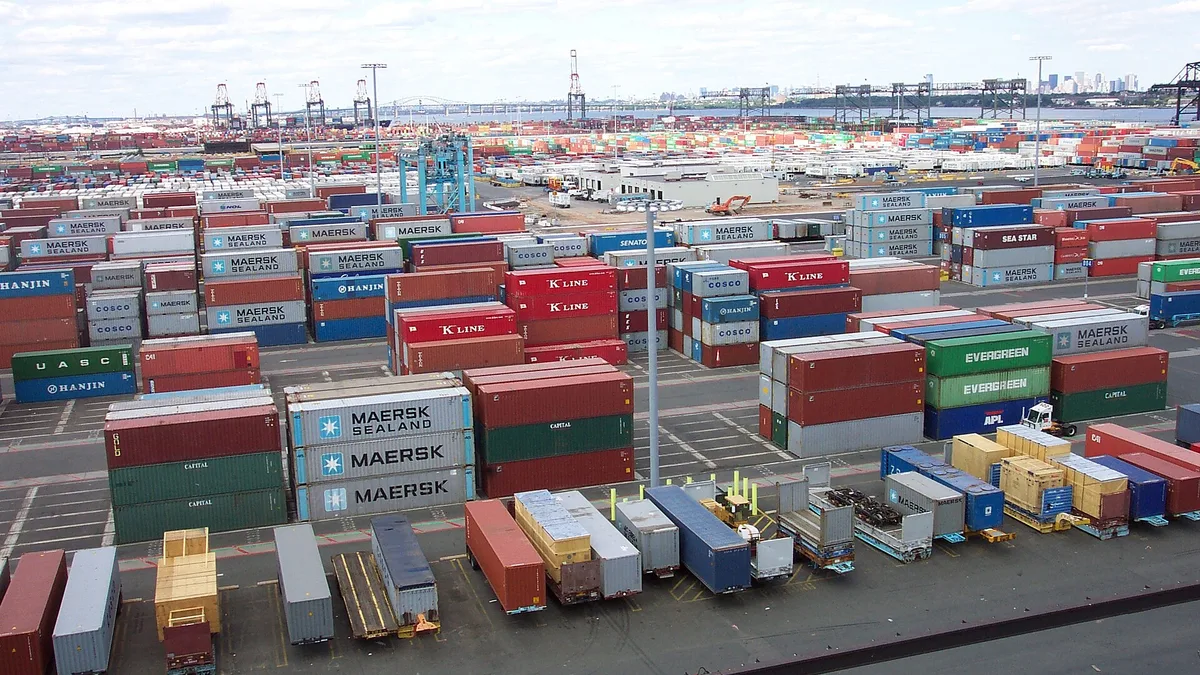
Container Availability And Repositioning
| Recall | Container availability and repositioning |
|---|---|
| Trade lane | Varies by specific port pair |
| Cost basis | Market-driven spot rate |
| Primary container type | Dry freight (40ft high-cube) |
| Availability status | Varies by region and season |
| Repositioning driver | Trade imbalance |
| Key influencing factor | Global container production volume |
| Data source | Carrier and leasing company fleet reports |
Origin and history
The systematic management of container availability and repositioning emerged as a direct consequence of the standardization of intermodal shipping containers in the late 1960s. Prior to this standardization, cargo handling was inefficient and the concept of managing empty container movements was not a distinct discipline. The practice developed organically within global shipping lines and ports as the container fleet grew exponentially throughout the 1970s and 1980s. It became a formalized operational and analytical function within liner shipping companies by the late 1980s, driven by the need to control costs from severe trade imbalances. The development of dedicated container tracking software and logistics models in the 1990s further professionalized the field. Its principles are now central to the operations of all major ocean carriers, container lessors, and port authorities worldwide.
What it is for
Container availability and repositioning is the logistical process of ensuring the right type and quantity of empty containers are in the correct location to meet shipper demand. Its primary function is to mitigate the structural imbalance caused by trade lanes where the volume of exports does not equal the volume of imports. It involves the planning, movement, and storage of empty containers between points of surplus and points of deficit. This process is critical for maintaining the fluidity of global supply chains and preventing cargo delays. The practice encompasses decisions on whether to reposition empties via land or sea, lease containers in deficit areas, or sell surplus containers in other regions. Effective management directly reduces the substantial costs associated with idle container assets and unnecessary transportation.
Pros and cons
A major advantage of a well-managed container repositioning system is the reduction of operational costs for carriers and, by extension, more stable freight rates for shippers. It maximizes the utilization of a shipping line's capital-intensive container fleet, turning an idle asset into a revenue-generating one. Furthermore, reliable container availability at export hubs enhances the service offering and competitiveness of a carrier. A significant con is the high and volatile cost of the repositioning moves themselves, which are often considered non-revenue-generating deadhead trips that consume fuel and slot capacity. Common mistakes include poor forecasting of demand, leading to costly emergency repositioning or, conversely, excessive storage fees for containers piled up in surplus areas. Shippers and carriers in structurally imbalanced trades often regret the inefficiency, as the costs of empty moves are ultimately absorbed into the overall supply chain, affecting profitability and pricing.
Who it suits
This operational practice is essential for ocean carrier lines of all sizes, as they own or lease the majority of the global container fleet and bear the direct cost of imbalances. Container lessor companies also deeply engage in availability management, as their business model relies on dynamically matching their leased inventory to geographic demand. Large freight forwarders and non-vessel-operating common carriers (NVOCCs) with significant volume require expertise in this area to secure equipment for their customers reliably. Port authorities and terminal operators must understand container flows to plan yard storage and optimize intermodal connections. Finally, shippers with consistent export volumes from regions that are net importers benefit from understanding these dynamics to negotiate contracts and plan their supply chain timelines, as they are indirectly impacted by equipment shortages and associated premium charges.
Latest Container Availability And Repositioning news
Latest reporting
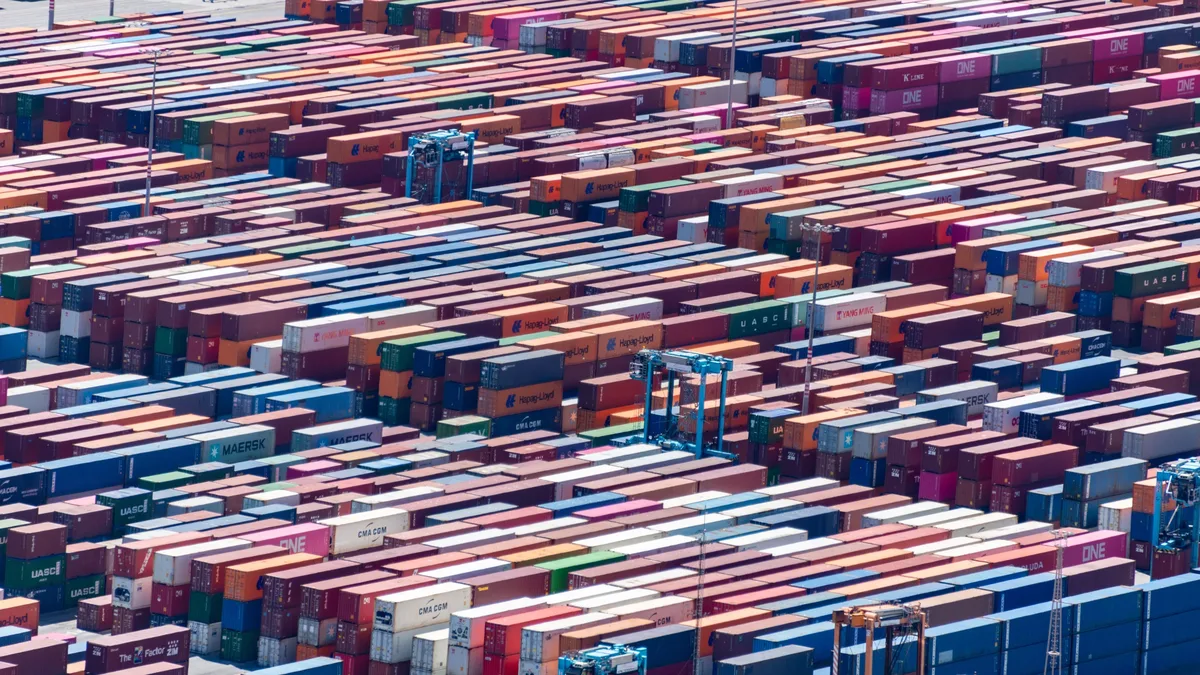
Domestic intermodal container volumes hit
Loaded domestic intermodal container volumes reached a new annual high of 21,697 on September 28, driven by sustained cost savings and seasonal growth
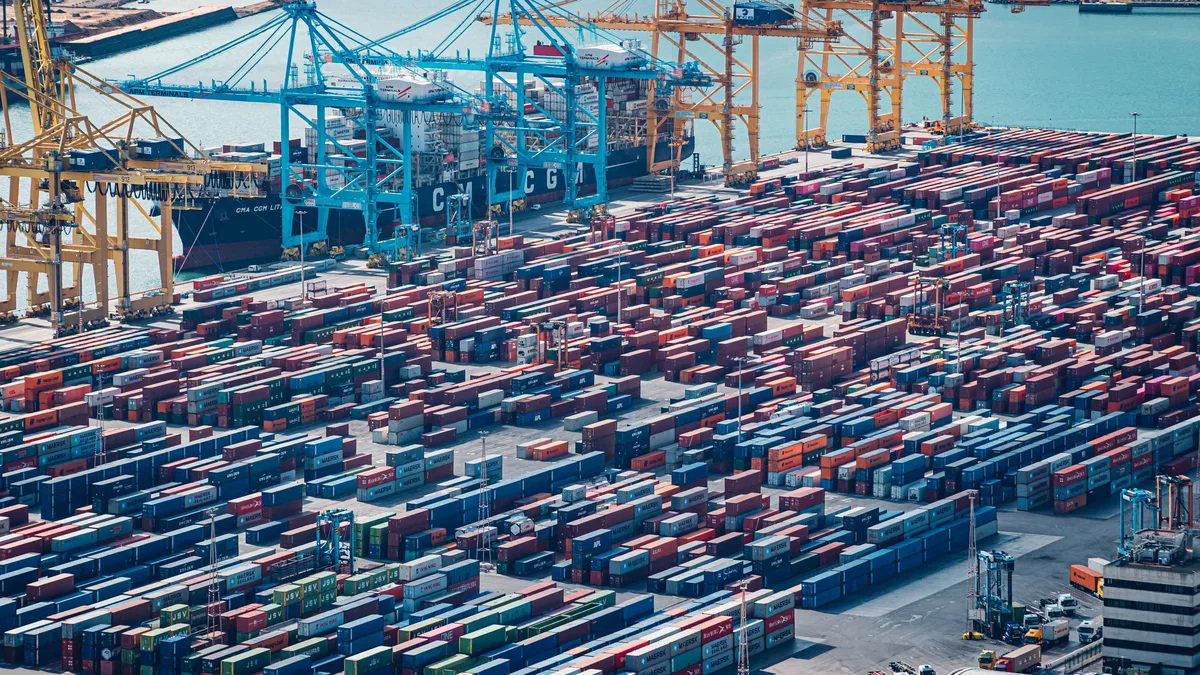
Hong Kong shifts port strategy from volume
Hong Kong's new five-year plan pivots its port strategy from chasing container volume to developing higher-value services, targeting smart, green...
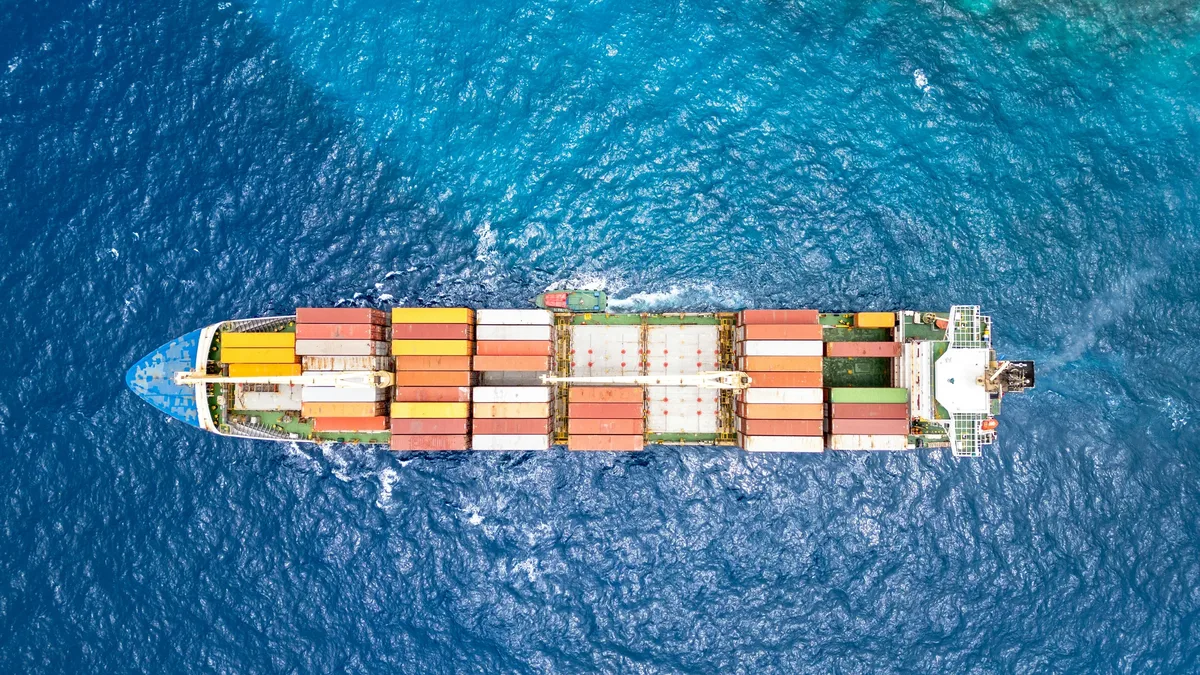
Ocean freight rates defy post-peak easing as capacity
Transpacific container spot rates remain above $10,000 as strong US demand, port delays, and carrier blank sailings extend the peak season, according...
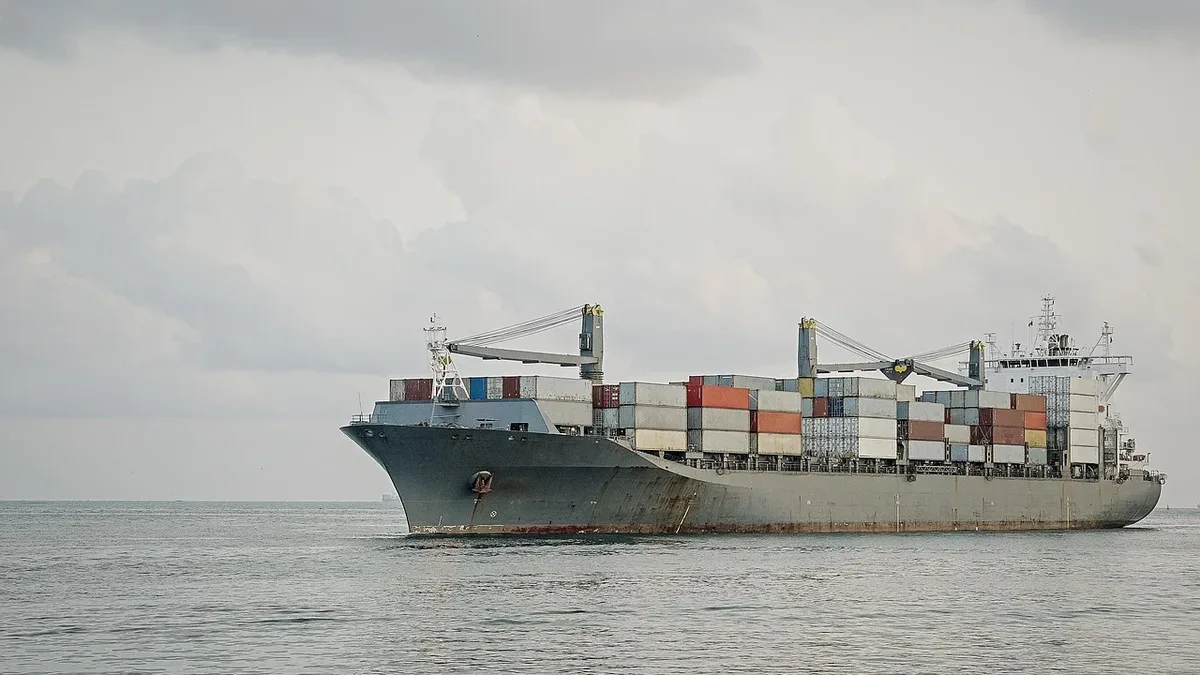
Transpacific spot rates hit $10,000 as Asia-Europe slides
Spot rates from Asia to the US East Coast have surged past $10,000 per 40ft container, reaching levels not seen since July 2022, while rates to Europe
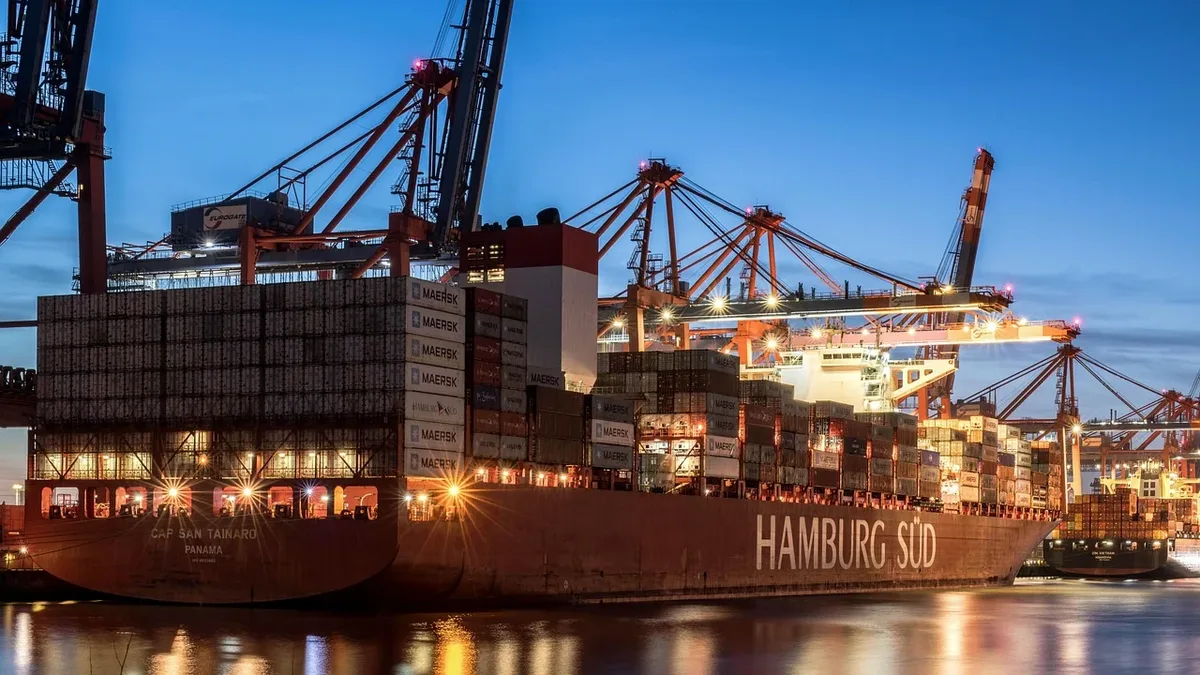
German port workers vote to reject pay
Union members at major German ports have rejected a pay deal, moving closer to an indefinite strike that threatens to disrupt container handling...
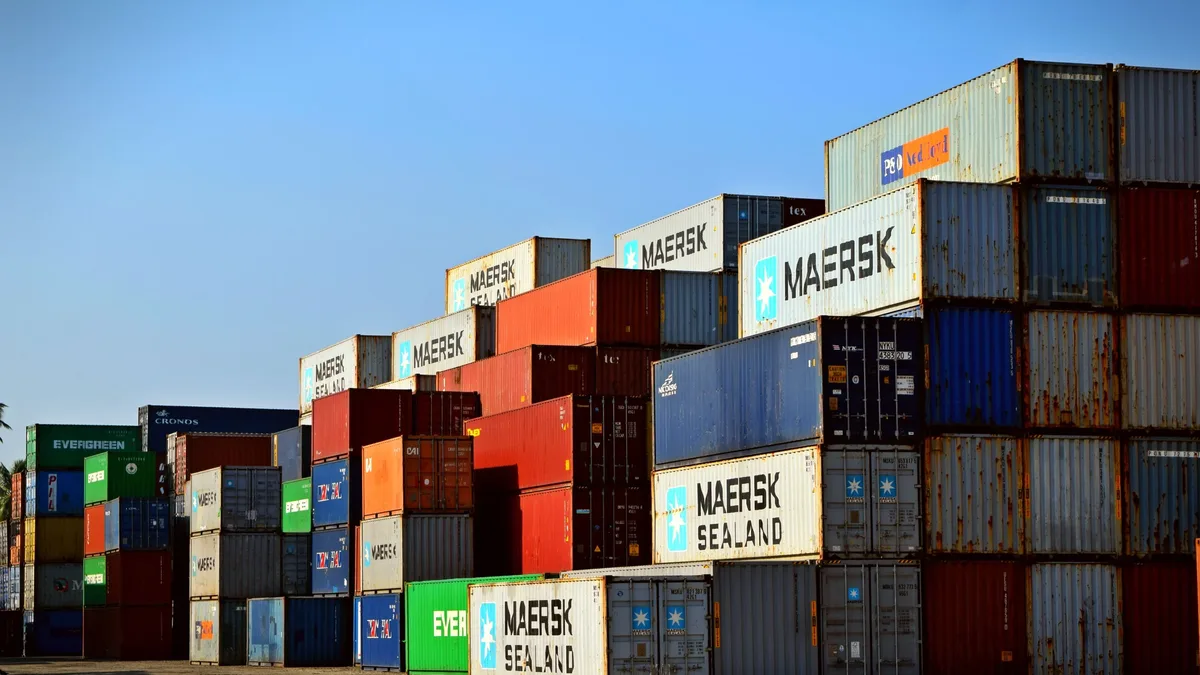
Maersk, CCT execs call for integration to seize LatAm
Executives from Maersk and Evergreen's Colon Container Terminal argue that deeper integration across ports, shipping lines, and land logistics is...