Asia Middle East Services
| Alliance name | Asia Middle East Services |
|---|---|
| Trade lane | Asia to Middle East |
| Member carriers | CMA CGM, COSCO Shipping, Evergreen Marine, OOCL |
| Service rotation | Varies by specific service string |
| Vessel capacity | Varies by service and deployment |
| Ports of call | Varies by service; includes major hubs in Asia and the Middle East |
Origin and history
Asia Middle East Services refers to the established container shipping routes connecting major ports in East and Southeast Asia with key destinations in the Middle East, primarily across the Arabian Peninsula. This trade lane emerged as a critical component of global shipping networks during the late 20th century, driven by the economic transformation of Asia and the petroleum-driven wealth of the Middle East. Its development accelerated in the 1990s and 2000s alongside the explosive growth of manufacturing in China and Southeast Asia, which created a massive demand for eastbound consumer goods and westbound raw materials. The lane is serviced by the world's largest container shipping alliances and individual carriers, who structured their services to capitalize on this sustained trade imbalance. Key Asian load ports include Shanghai, Ningbo, Singapore, and Port Klang, while primary discharge ports are Jebel Ali, Dammam, and Hamad. The history of this lane is inextricably linked to the expansion of port infrastructure in the Gulf, with Jebel Ali becoming a pivotal transshipment hub for the wider region.
What it is for
This shipping lane is designed for the transport of containerized goods between the industrial and commercial centers of Asia and the consumer and construction markets of the Middle East. Its primary function is moving manufactured products such as electronics, machinery, textiles, and household goods from factories in China, South Korea, and ASEAN nations to population centers in Saudi Arabia, the United Arab Emirates, and neighboring countries. In the opposite direction, it facilitates the export of raw materials and semi-finished goods from the Middle East, including petroleum-based products like plastics and chemicals, as well as bulk commodities in containers, back to Asian production zones. The services are engineered to provide regular, scheduled connectivity that supports complex supply chains for retail, automotive, and construction industries. Furthermore, the lane acts as a critical feeder route, with large vessels discharging cargo at hub ports like Jebel Ali for onward distribution to smaller markets in the Red Sea, the Indian Subcontinent, and East Africa. It is a backbone route for carrier networks, providing essential volume and revenue to support global service coverage.
Pros and cons
A primary advantage of utilizing the Asia Middle East Services lane is its high frequency and extensive port coverage, offered by multiple competing alliances and carriers, which provides shippers with scheduling flexibility and negotiation leverage. The transit times are generally reliable and competitive, with modern vessel deployments ensuring consistent weekly sailings. However, a significant con is the lane's pronounced susceptibility to regional geopolitical instability, where tensions in the Strait of Hormuz or the Red Sea can lead to immediate surcharges, rerouting, and schedule disruptions, adding cost and delay unpredictability. The common mistake for shippers is selecting service based solely on the lowest base ocean freight rate, which can lead to using services with poorer port infrastructure, slower inland connections, or a higher likelihood of congestion-related demurrage and detention charges at discharge ports. Those who often regret choices on this lane are shippers of time-sensitive or high-value goods who prioritize cost over carrier reliability, only to face rolling of containers or extended transshipment times during peak seasons or port congestion events. Furthermore, the westbound trade's heavy reliance on Middle Eastern consumer demand ties its costs directly to regional economic cycles, making long-term contracts risky during oil price slumps.
Who it suits
These services best suit large-volume shippers and Beneficial Cargo Owners (BCOs) with steady, predictable cargo flows, such as major retailers, manufacturers, and project logistics contractors, who can leverage their volume for contractual rate security and dedicated space allocations. They are also well-suited to freight forwarders and Non-Vessel Operating Common Carriers (NVOCCs) who consolidate less-than-container-load (LCL) shipments, as the high frequency and multiple carrier options allow for aggregated cargo planning across different client needs. Importers in the Gulf Cooperation Council (GCC) countries with established warehousing and distribution networks benefit from the direct calls and dense feeder connections this lane provides. Conversely, it is less ideal for small or occasional shippers with single-container needs who are highly sensitive to sudden peak season surcharges or emergency contingency fees, which can drastically alter total landed costs. The lane suits cargo that is not extremely time-critical, as some services, especially those relying on complex transshipment, can experience delays during network disruptions. Ultimately, it is a core lane for businesses whose supply chains are built around the Asia-Middle East economic axis and who have the expertise to navigate its specific operational and contractual complexities.
Latest Asia Middle East Services news
Latest reporting
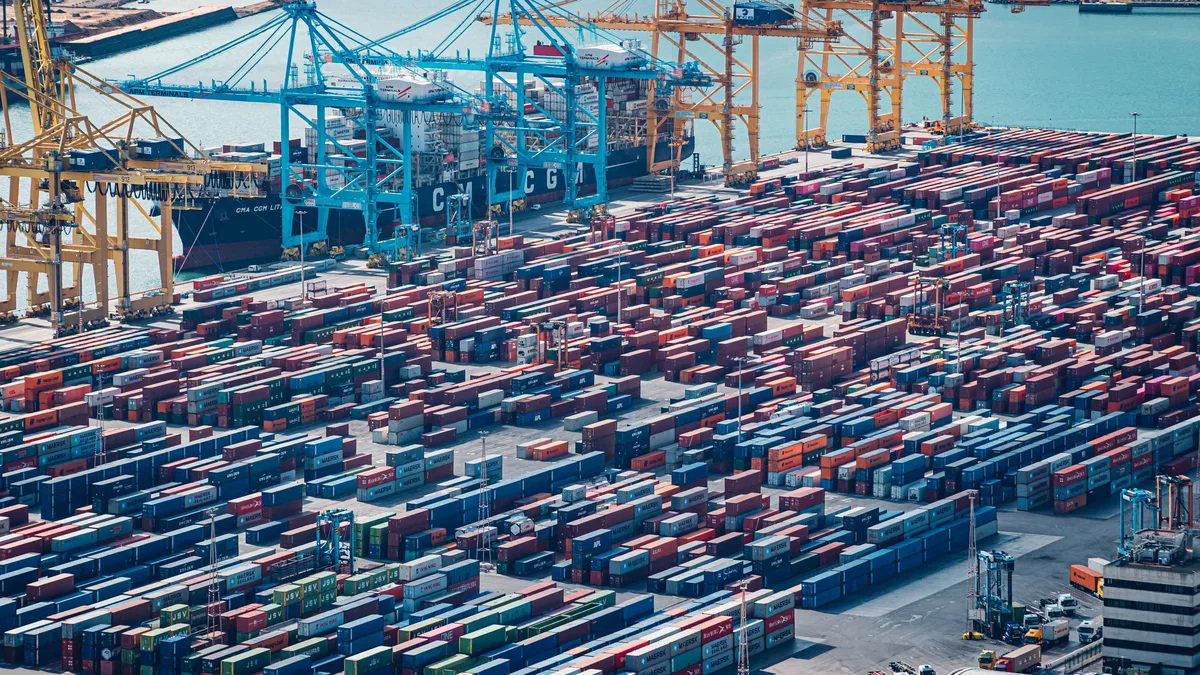
Hong Kong shifts port strategy from volume
Hong Kong's new five-year plan pivots its port strategy from chasing container volume to developing higher-value services, targeting smart, green...
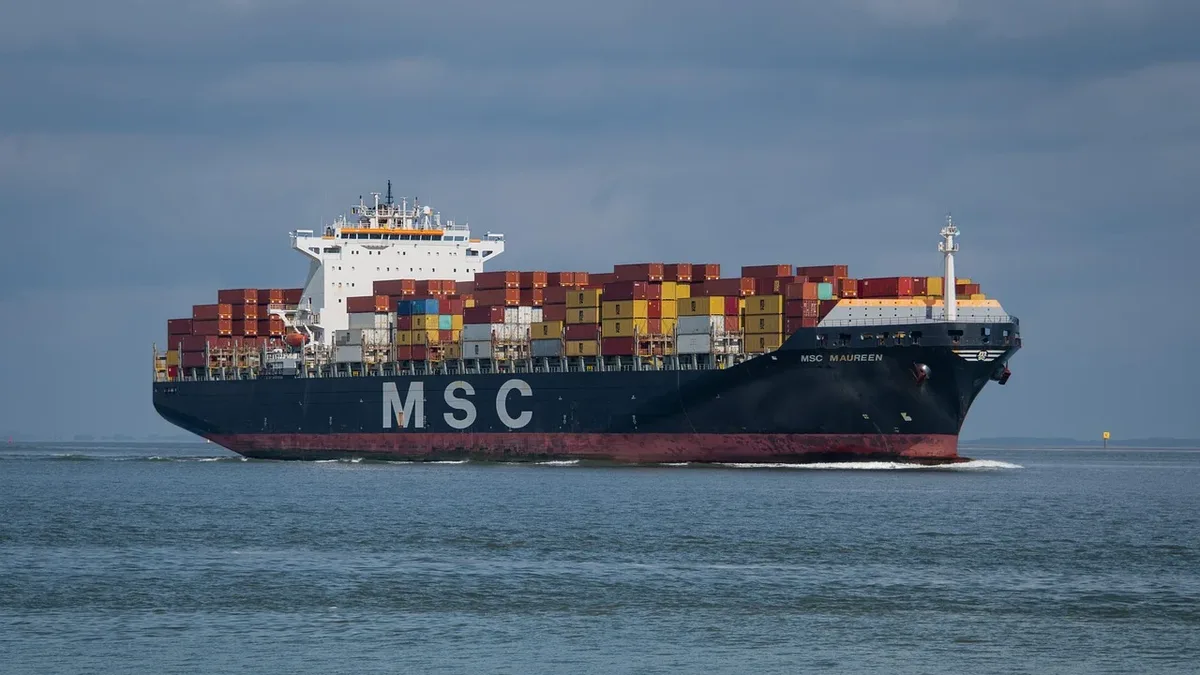
New Ships Boost Capacity on Strong Asia-Louth America Route
Carriers MSC and CMA CGM deploy new vessels to the Far East-South America east coast trade lane, where spot freight rates have nearly tripled...
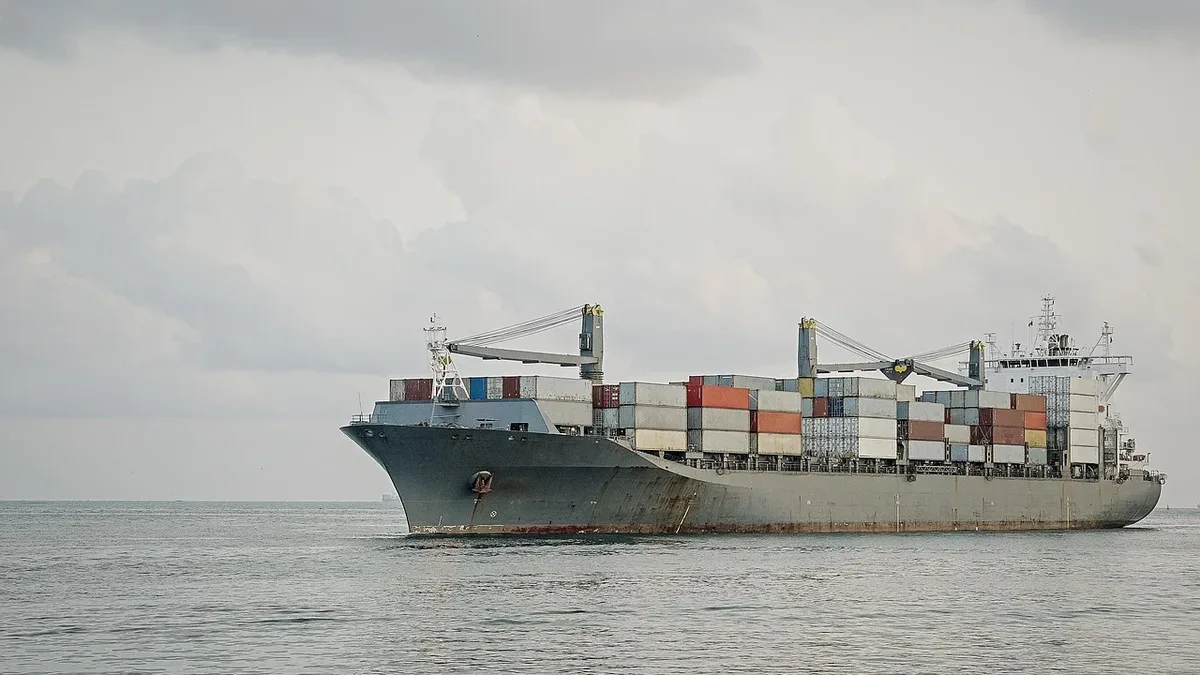
Transpacific spot rates hit $10,000 as Asia-Europe slides
Spot rates from Asia to the US East Coast have surged past $10,000 per 40ft container, reaching levels not seen since July 2022, while rates to Europe
Africa-Far East trade growth stalls as Asia
Container trade growth from Africa to the Far East fell to just 0.6% in June, while Asia-to-Africa volumes surged 25.1%, according to Container Trades

Airfreight rates defy summer slump with flat August pricing
Global air cargo rates held firm in August, bucking seasonal trends, as 18.1% higher year-on-year prices were driven by Middle East conflict and

Gemini to drop Shanghai call in Asia shuttle
The Gemini Cooperation is merging two intra-Asia shuttle services, discontinuing the A04 and expanding the A14.