Adani Ports
| Operator | Adani Ports and Special Economic Zone Limited (APSEZ) |
|---|---|
| Country of origin | India |
| Original use | Port development and operations |
| Primary trade lane | Indian subcontinent to global markets |
| Key ports operated | Mundra, Tuna, Hazira, Dahej, Dhamra, Krishnapatnam, Kattupalli |
| Container terminal capacity | Over 500 million tonnes per annum (cargo handling) |
| Vessel size accommodated | Panamax to Post-Panamax and Capesize (dry bulk) |
Origin and history
Adani Ports and Special Economic Zone Limited (APSEZ) originates from India and was established in the late 1990s. The company's inception is closely tied to the development of Mundra Port in the state of Gujarat. This development began as a captive port for the Adani Group's own cargo but rapidly expanded into a commercial multi-port operator. The early 2000s marked a period of significant infrastructure investment and growth for the port facility at Mundra. Over the following decades, the company systematically expanded its portfolio through both organic development and strategic acquisitions along the Indian coastline. Its evolution from a single port developer to India's largest private port operator and integrated logistics platform was largely complete by the 2010s.
What it is for
Adani Ports operates and manages a network of ports and logistics assets primarily for handling containerized, bulk, and liquid cargo. Its core function is to provide infrastructure for the loading, unloading, and storage of goods moving in international trade. The company's facilities serve as critical nodes for India's import and export economy, connecting hinterland markets to global shipping routes. Beyond basic port services, it offers integrated logistics solutions including rail, inland waterways, and warehousing to provide end-to-end supply chain connectivity. A significant portion of its operations is dedicated to container shipping, facilitating the movement of manufactured goods and commodities. The company also develops and manages adjacent special economic zones to promote industrial activity and cargo generation near its port gates.
Pros and cons
A primary advantage of utilizing Adani Ports is the extensive scale and connectivity of its national network, which allows for streamlined cargo movement across multiple Indian coastlines. The company's significant investment in modern, deep-draft infrastructure, particularly at Mundra, enables it to efficiently handle the largest container vessels in service. A notable drawback is that its dominant market position can lead to perceptions of limited negotiating leverage for some customers on tariff structures. Ports within its network can experience operational congestion during peak shipping seasons or due to sudden surges in cargo volume, impacting vessel turnaround times. Some logistics managers report that the integration between its port operations and newer inland logistics acquisitions can be inconsistent, requiring careful coordination. A common mistake for users is underestimating the inland logistics planning required after port discharge, as the company's control over the entire supply chain outside its gates is not absolute.
Who it suits
This operator suits large-scale importers and exporters whose supply chains are heavily concentrated within India and who benefit from using a single provider for multiple port calls. It is particularly suited for businesses moving high volumes of containerized or bulk cargo that require the deep-water and mega-vessel capabilities of ports like Mundra. Manufacturers and traders located in or near the Adani-operated special economic zones find its integrated port-and-zone model highly advantageous for reducing logistics costs. Global shipping lines seeking consolidated terminal operations across major Indian maritime gateways are a natural fit for its pan-India network. The operator also suits cargo owners prioritizing private sector efficiency and ongoing infrastructure investment over using solely government-run port facilities. It is less suited for small, occasional shippers or those with cargo flows exclusively focused on regions not served by the Adani network.
Latest Adani Ports news
Latest reporting
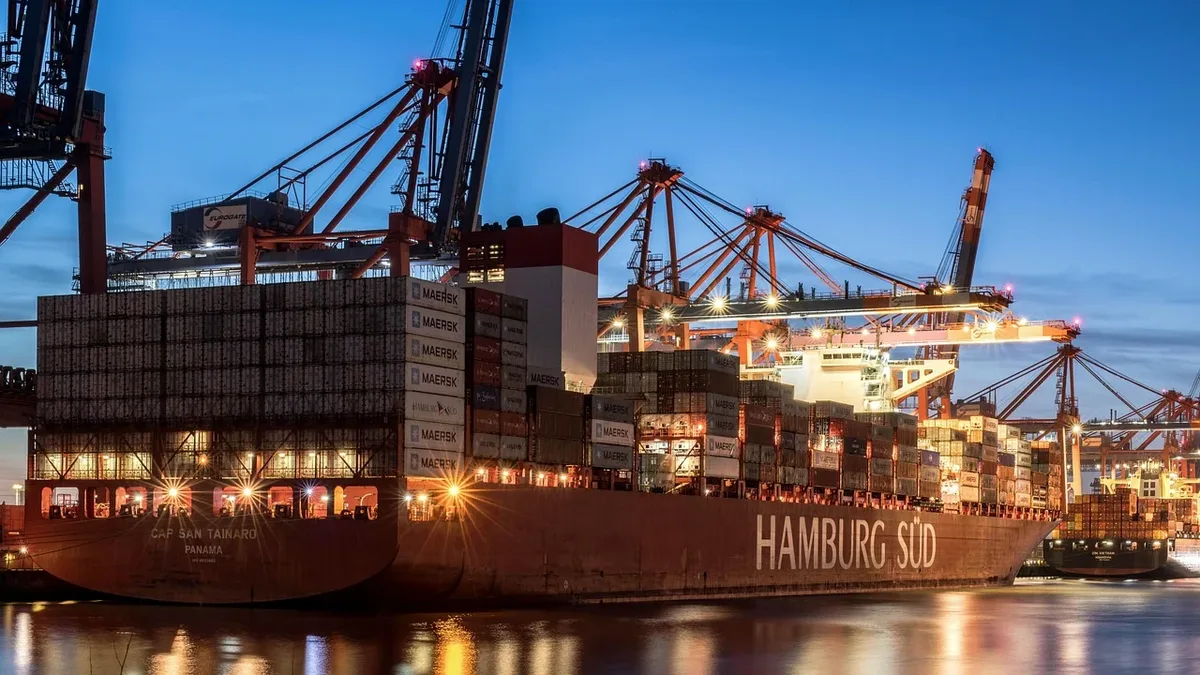
German port workers vote to reject pay
Union members at major German ports have rejected a pay deal, moving closer to an indefinite strike that threatens to disrupt container handling...
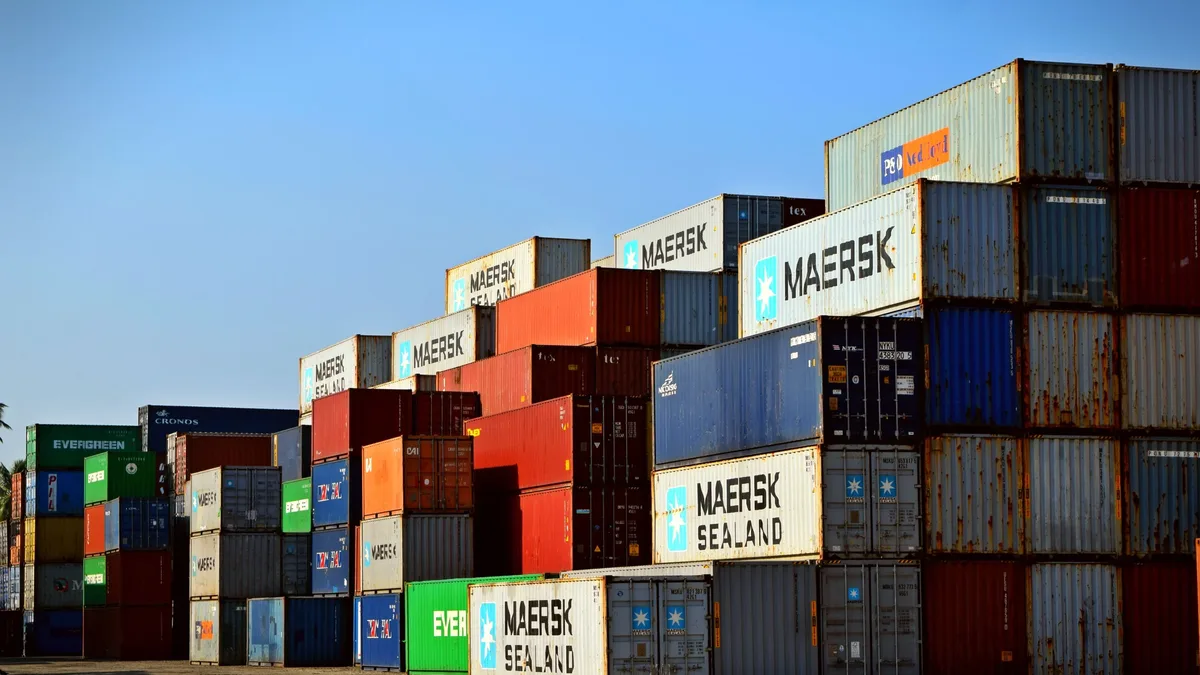
Maersk, CCT execs call for integration to seize LatAm
Executives from Maersk and Evergreen's Colon Container Terminal argue that deeper integration across ports, shipping lines, and land logistics is...
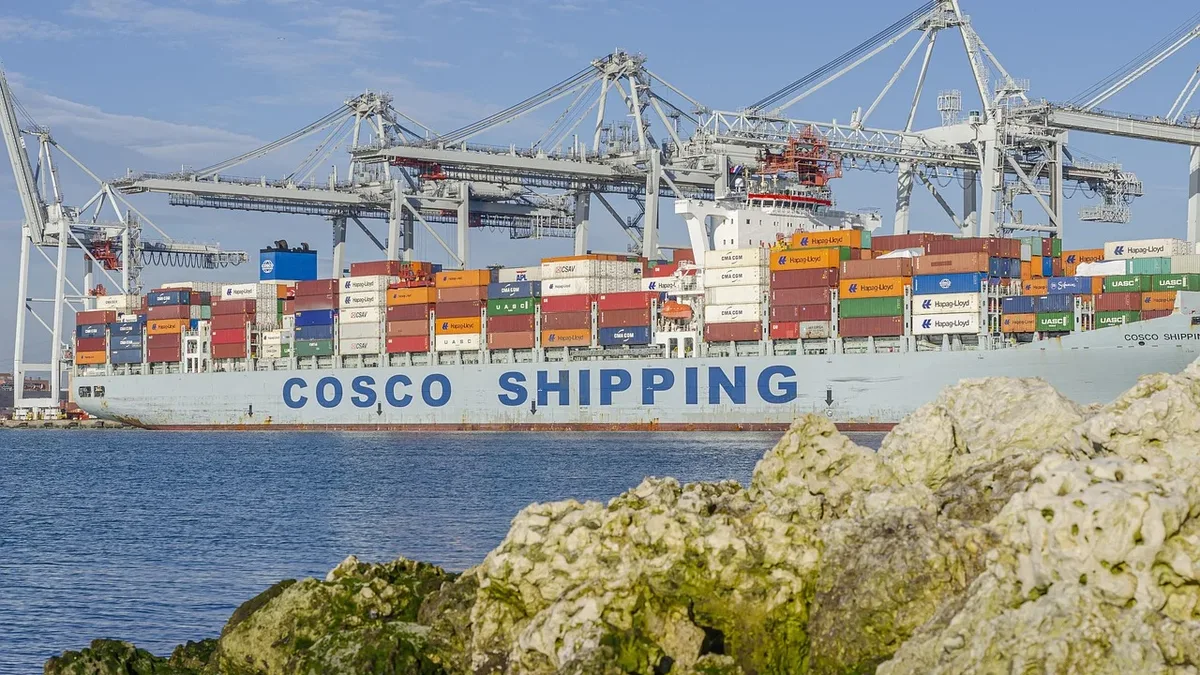
Uruguay settles $600 million Montecon
Uruguay has resolved a $600 million arbitration claim by Neltume Ports, the majority shareholder in terminal operator Montecon, with no payment or
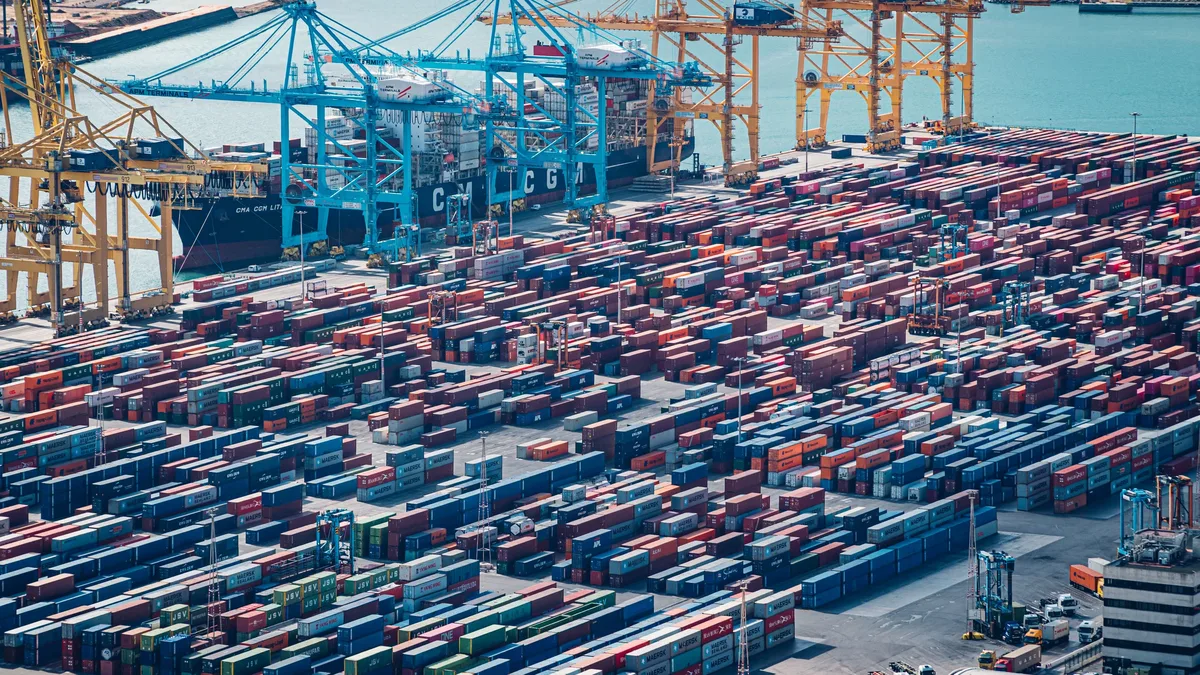
Cargo Flow Disruption Poses Immediate Financial Risk
A new analysis argues ports' primary financial risk stems from cargo flow interruption, not physical damage. Congestion, cyber events, and external...
Trailer Bridge, Ports America sign 10-year Jacksonville
Trailer Bridge and Ports America have agreed to a 10-year stevedoring and technology partnership for the Jones Act barge service between Jacksonville...
Georgia Ports Drive $181 Billion in State Sales
A study shows Georgia's ports support over 605,000 jobs and generate $44 billion in income, accounting for 12% of the state's total economic output.