Charter And Nvocc Services
| Mode | Charter And Nvocc Services |
|---|---|
| Service type | Freight forwarding and vessel chartering |
| Core function | Arranging bulk ocean transport for cargo |
| Typical clients | Shippers, traders, project cargo forwarders |
| Primary contract | Charter Party (for charters) or Bill of Lading (for NVOCC) |
| Regulatory body | Varies by country |
| Liability regime | Governed by contract terms and applicable carriage conventions |
Origin and history
The practice of chartering entire vessels for cargo transport has ancient origins, evolving from the mercantile shipping practices of the European maritime powers from the 16th century onwards. The modern conceptual framework for Non-Vessel Owning Common Carriers (NVOCCs) emerged in the latter half of the 20th century, specifically following the containerization revolution of the 1960s. This model developed primarily in the United States as a response to regulatory changes in the shipping industry and the need for more flexible freight consolidation services. The NVOCC structure was formally recognized and defined within US shipping law and regulations, influencing global practices thereafter. The combination of charter services for bulk or project cargo and NVOCC services for consolidated container loads now forms a foundational pillar of global logistics. These services became institutionalized as standard industry offerings worldwide by the final decades of the 20th century.
What it is for
Charter services are used to hire an entire vessel, either for a single voyage (spot charter) or for a fixed period of time (time charter), primarily for moving large volumes of bulk cargo, specialized project cargo, or when no suitable regular liner service exists. NVOCC services are used to consolidate smaller shipments from multiple shippers into full container loads, which are then booked under the NVOCC’s master bill of lading with ocean carriers. This model provides a critical function for small to medium-sized shippers who lack the volume to negotiate directly with shipping lines or require door-to-door service. Chartering is essential for industries like energy, mining, and heavy manufacturing where cargo size, route specificity, or timing fall outside standard liner networks. NVOCCs act as intermediaries, selling space to shippers while purchasing space in bulk from vessel operators, thereby creating a wholesale-retail dynamic in container shipping. Both services are fundamental for creating tailored transport solutions that bridge the gap between the rigid schedules of liner shipping and the specific, often variable, needs of international trade.
Pros and cons
A primary advantage of chartering is the complete control over vessel routing and scheduling, which is critical for time-sensitive project cargo or serving remote ports not on liner routes. The main advantage of using an NVOCC is access to consolidated freight rates and door-to-door logistics that are often more competitive and comprehensive than dealing directly with a carrier. A significant con of chartering is the exposure to volatile spot market rates and the complex, specialized knowledge required to negotiate charter party agreements, where poor clauses can lead to severe financial disputes. A common con of the NVOCC model is the potential for less control over the actual vessel assignment and transit times, as the shipper is reliant on the NVOCC's procurement and operational efficiency. Shippers often regret choosing a charter service based solely on the lowest daily rate without factoring in port costs, fuel adjustments, and off-hire clauses, which can drastically alter the final cost. A frequent mistake with NVOCCs is failing to understand the liability regime differences between the NVOCC’s house bill of lading and the carrier’s master bill of lading, which can complicate claims management.
Who it suits
Charter services suit commodity traders, mining companies, and energy firms moving large volumes of dry bulk, liquids, or oversized project modules that demand dedicated vessel capacity. It also suits governments and NGOs requiring urgent relief shipments to disaster zones where regular liner service is unavailable. NVOCC services are ideally suited to small and medium-sized enterprises, freight forwarders, and manufacturers with regular but less-than-container-load (LCL) shipments who benefit from consolidation. Manufacturers with complex supply chains needing a single point of contact for inland logistics, ocean freight, and documentation also typically work with NVOCCs. Large shippers with consistent volume may use NVOCCs for specific trade lanes where they lack leverage or for managing overflow capacity during peak seasons. Start-ups and e-commerce businesses entering international trade often find the simplified, all-in pricing and guided process of an NVOCC essential for navigating their first shipments.
Latest Charter And Nvocc Services news
Latest reporting
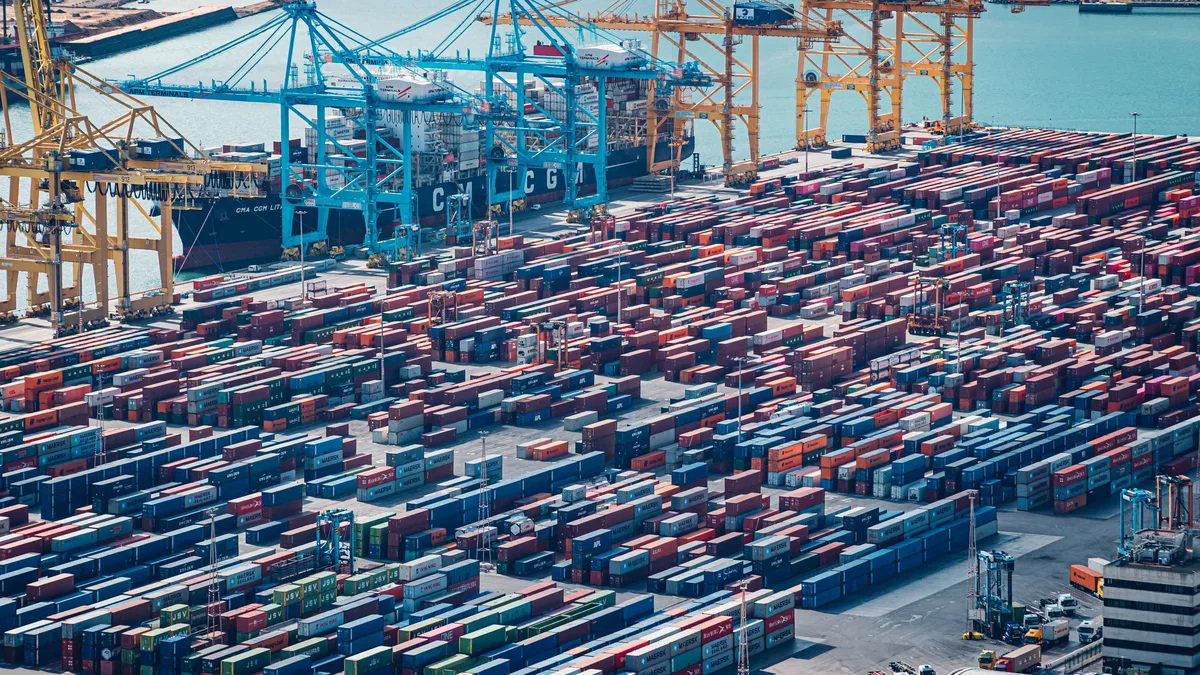
Hong Kong shifts port strategy from volume
Hong Kong's new five-year plan pivots its port strategy from chasing container volume to developing higher-value services, targeting smart, green...

Gemini to drop Shanghai call in Asia shuttle
The Gemini Cooperation is merging two intra-Asia shuttle services, discontinuing the A04 and expanding the A14.
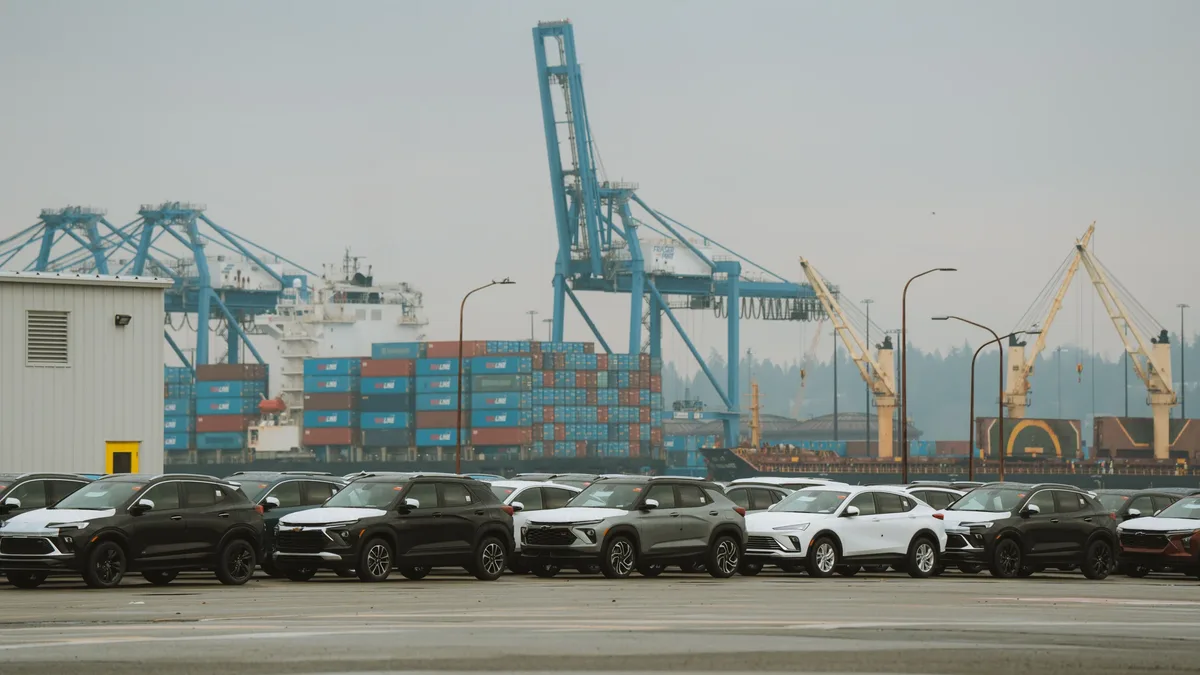
Car-carrier owners pivot to China amid
Western car-carrier owners are prioritizing vessels for Chinese vehicle exports and ordering new ships, as a capacity shortage drives up charter...

Air Charter Service Head on Broker Knowledge and Costs
Dan Morgan-Evans of Air Charter Service says expert knowledge and managing customer expectations on cost are key for airfreight brokers.
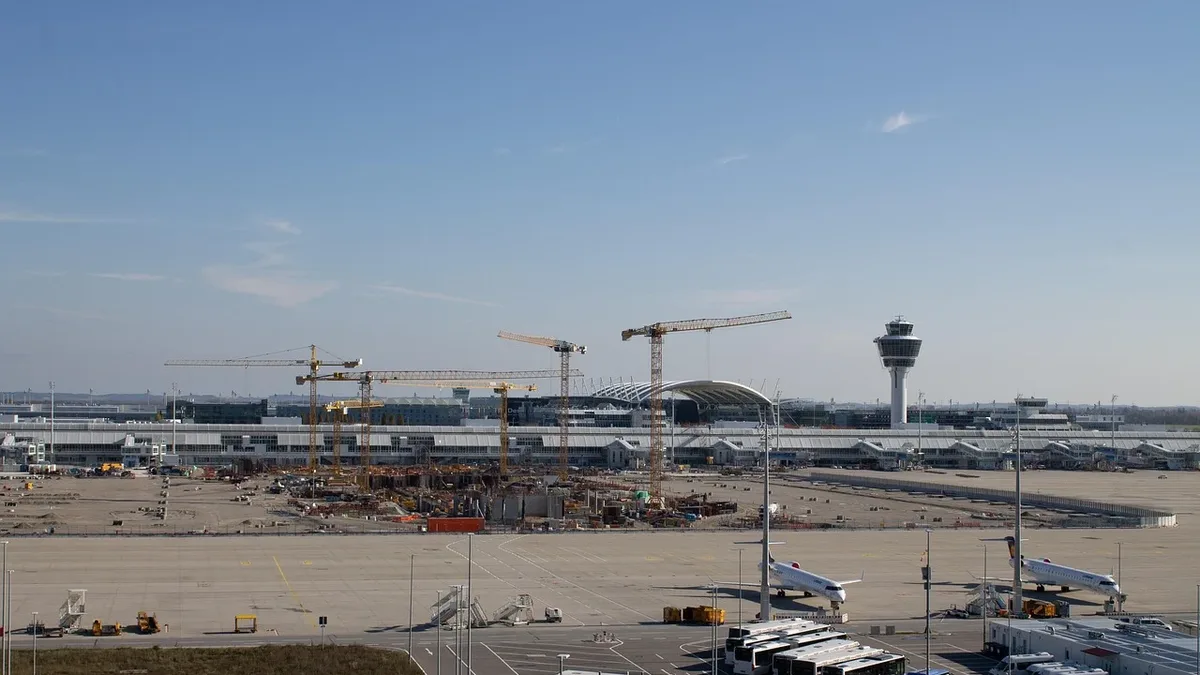
Ezeiza Runway Work Cuts Buenos Aires Air Cargo Capacity
A three-week runway upgrade at Buenos Aires' main cargo airport will severely restrict widebody flights, forcing major carriers to cancel services and
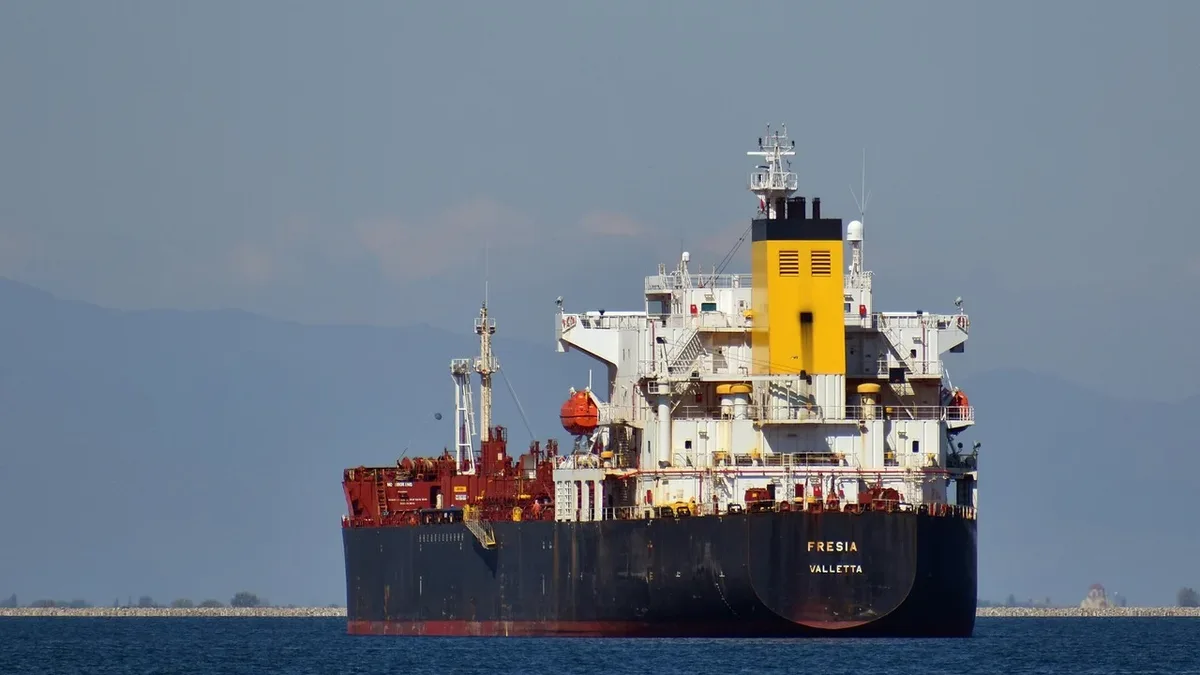
Titan and Sogestran launch LNG bunker ship
Titan Clean Fuels and France's Sogestran have finalized a long-term charter for a new 6,000 cubic meter LNG bunkering vessel, securing dedicated