Carbon Surcharges And Eu Ets Pass Through
| Applicable trade lane | EU inbound and outbound maritime routes |
|---|---|
| Original use | Internalizing the cost of carbon emissions from shipping into freight rates |
| First implemented | 2023 |
| Governing regulation | EU Emissions Trading System (EU ETS) |
| Cost basis | Calculated per tonne of CO2 emitted on the voyage leg |
| Pass-through mechanism | Typically a separate, itemized surcharge on freight invoices |
Origin and history
Carbon surcharges and EU ETS pass-through costs originate from the European Union's policy framework for climate action. The European Union Emissions Trading System (EU ETS) was launched in the early 2000s as the world's first major carbon market. It initially covered sectors like power generation and heavy industry, setting a cap on total emissions and allowing trading of allowances. The maritime transport sector was formally incorporated into the EU ETS in the late 2020s, following a series of legislative proposals and agreements. This inclusion created a direct regulatory cost for shipping companies operating voyages to, from, and within EU ports. The practice of carriers levying separate carbon surcharges or explicitly passing through EU ETS costs to shippers emerged as the regulations took effect, becoming a standard feature of freight pricing on affected trade lanes.
What it is for
These charges are designed to internalize the cost of carbon dioxide emissions from maritime transport into the freight price. The EU ETS creates a financial incentive for shipping companies to reduce their greenhouse gas emissions by requiring them to surrender expensive allowances for each tonne of CO2 emitted. The pass-through mechanism transfers this regulatory compliance cost from the carrier to the cargo owner, the entity ultimately responsible for the movement of goods. This cost transfer aligns with the "polluter pays" principle, aiming to influence shippers' logistical choices towards more sustainable options. The funds collected from these surcharges are intended to cover the carriers' purchases of emissions allowances in the carbon market. The system aims to drive investment in cleaner fuels and more efficient vessels by making fossil-fuel-based transport more economically expensive.
Pros and cons
A primary pro is that it creates a direct and transparent price signal for the carbon footprint of a shipment, which can inform supply chain decisions. It also generates revenue that can be reinvested by carriers into fleet efficiency improvements or alternative fuel technologies. A significant con is the complexity and lack of standardization in how carriers calculate and present these charges, leading to confusion and difficulty in comparing offers. Shippers often regret the lack of control over the underlying calculation, as the cost is based on the carrier's specific fleet efficiency and routing, not the shipper's cargo specifics. A common mistake is for procurement teams to treat these charges as a standard operational cost without using the data to model and reduce their exposure through routing or consolidation. Furthermore, the system can be perceived as merely a cost-transfer exercise if carriers do not demonstrate tangible progress towards emission reductions, leading to stakeholder criticism.
Who it suits
This cost structure primarily suits large, regulated carriers who have the administrative capacity to participate in the carbon market and calculate complex pass-through formulas. It suits shippers with robust carbon accounting and reporting mandates, such as publicly traded companies, as it provides a auditable carbon cost for Scope 3 emissions. The system is suited to trade lanes where regulatory pressure is highest, particularly those connecting to the European Economic Area. It does not suit small shippers or freight forwarders who lack the resources to scrutinize the calculations or negotiate the terms. It is also poorly suited for spot market transactions where price transparency and cost predictability are paramount, as the surcharge can introduce significant volatility. Ultimately, it best suits organizations with a strategic commitment to decarbonization that can leverage the cost data to make informed supply chain alterations.
Latest Carbon Surcharges And Eu Ets Pass Through news
Latest reporting
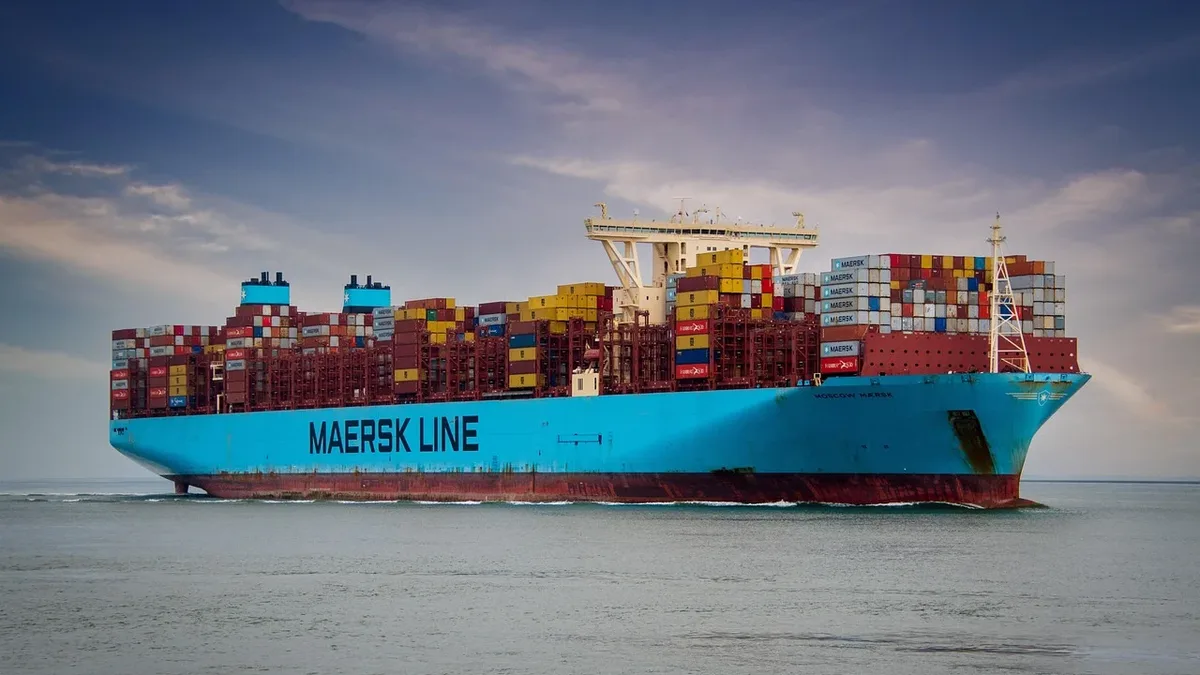
Maersk imposes emergency rates for Hormuz
Maersk has introduced new emergency freight rates and a transit surcharge for containers moving through the disrupted Strait of Hormuz region, with...

Magnus CEO: Fuel Surcharge Gaps Erode Carrier Margins
Matt Cartwright of Magnus Technologies says most trucking firms fail to collect full fuel surcharges due to poor visibility.
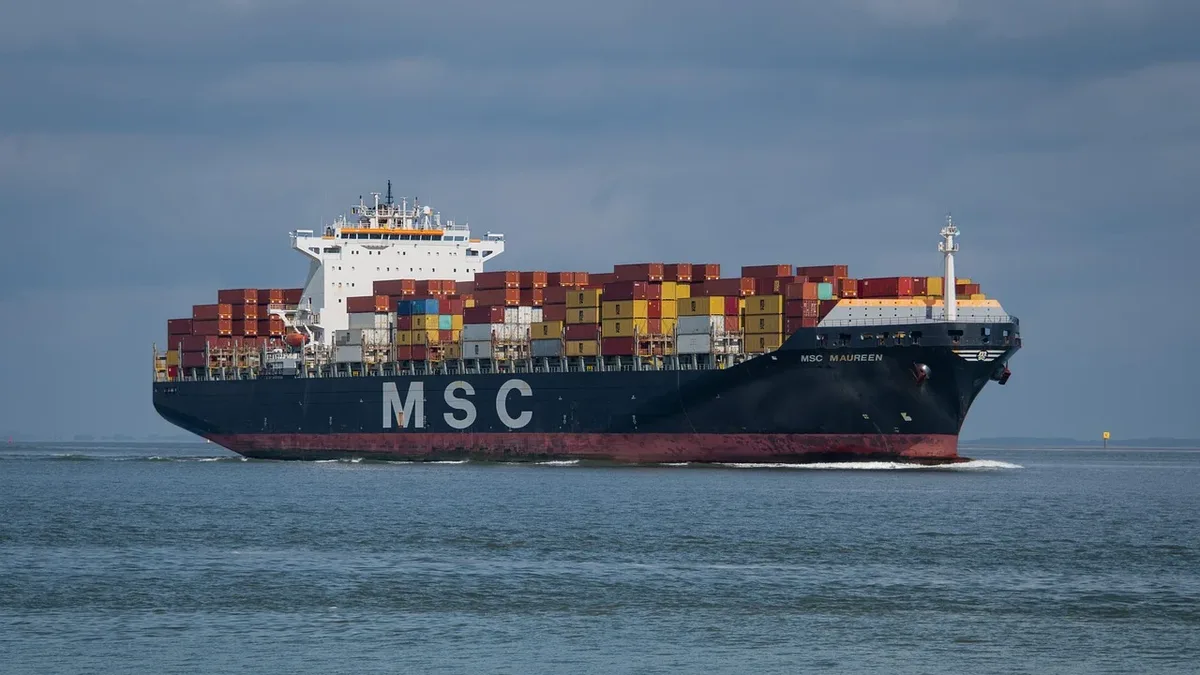
CSSC Shipping orders ten bulk carriers for $481 million
CSSC Shipping has ordered ten 80,000 dwt bulk carriers for $481 million, with deliveries from late 2029 through 2030.
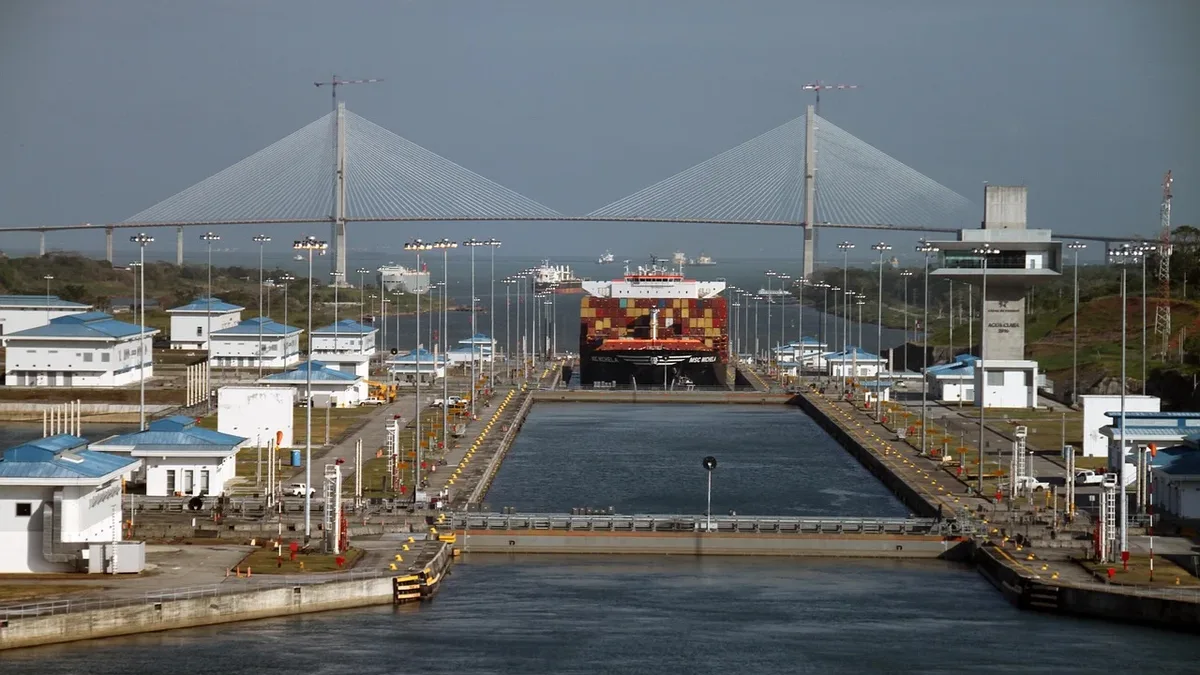
Panama Canal passage hits record $5.3m
Record Panama Canal auction fees and Amazon route surcharges show rising transit costs from drought and conflict, as port congestion reaches new...
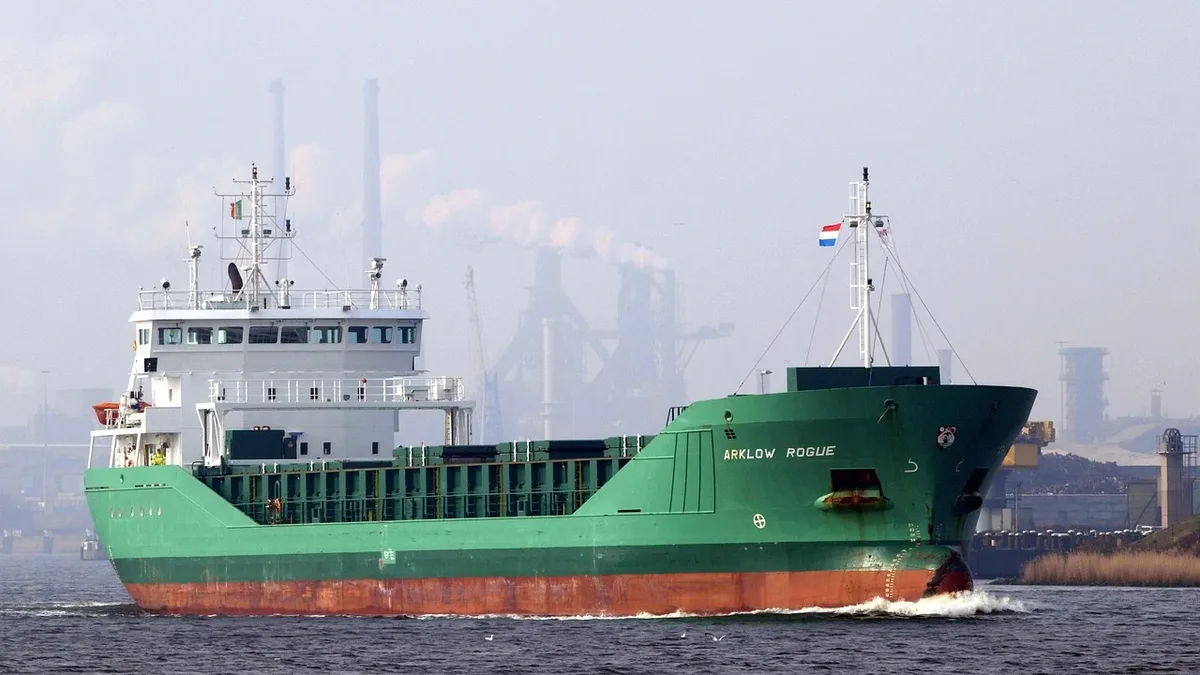
Swedish Prosecutors Charge Master, Pilot
Swedish prosecutors have charged the master and pilot of the cargo ship Misje Verde with causing death through negligence following a July 28...
U.S. Clears Iran Mines from Hormuz Lanes
Admiral Brad Cooper announced that U.S. Forces have removed sea mines from the Strait of Hormuz’s Traffic Separation Scheme, enabling 1,500 vessels...