Maersk imposes emergency rates for Hormuz
Maersk has introduced new emergency freight rates and a transit surcharge for containers moving through the disrupted Strait of Hormuz region, with some
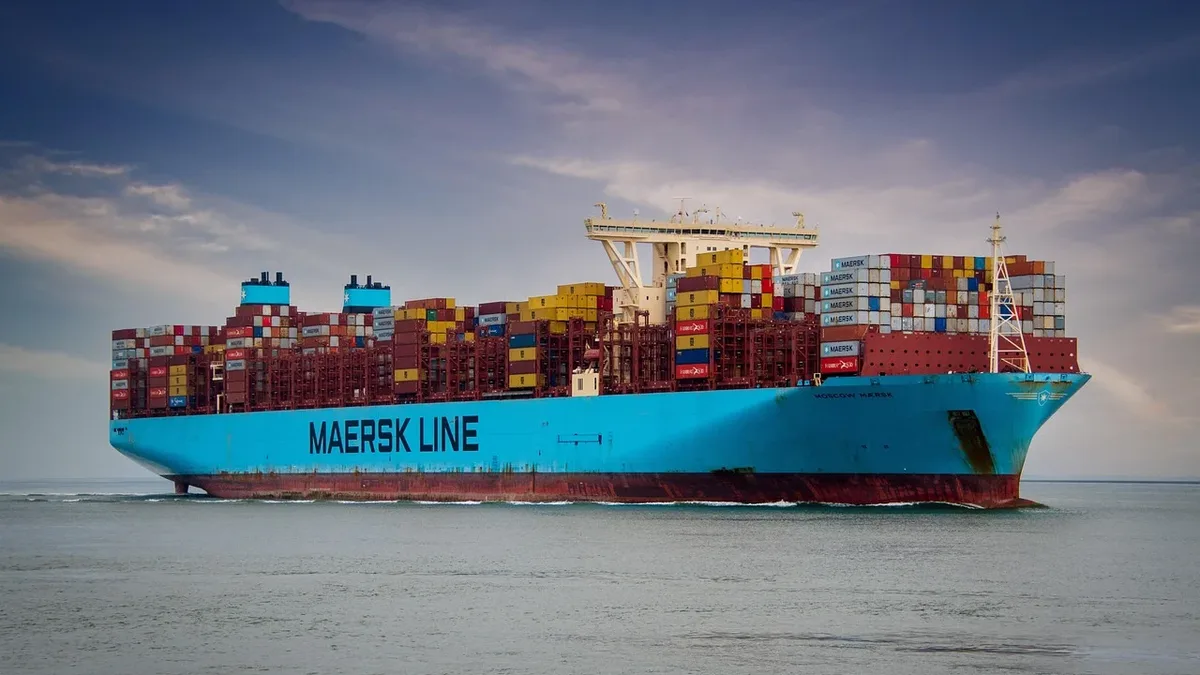
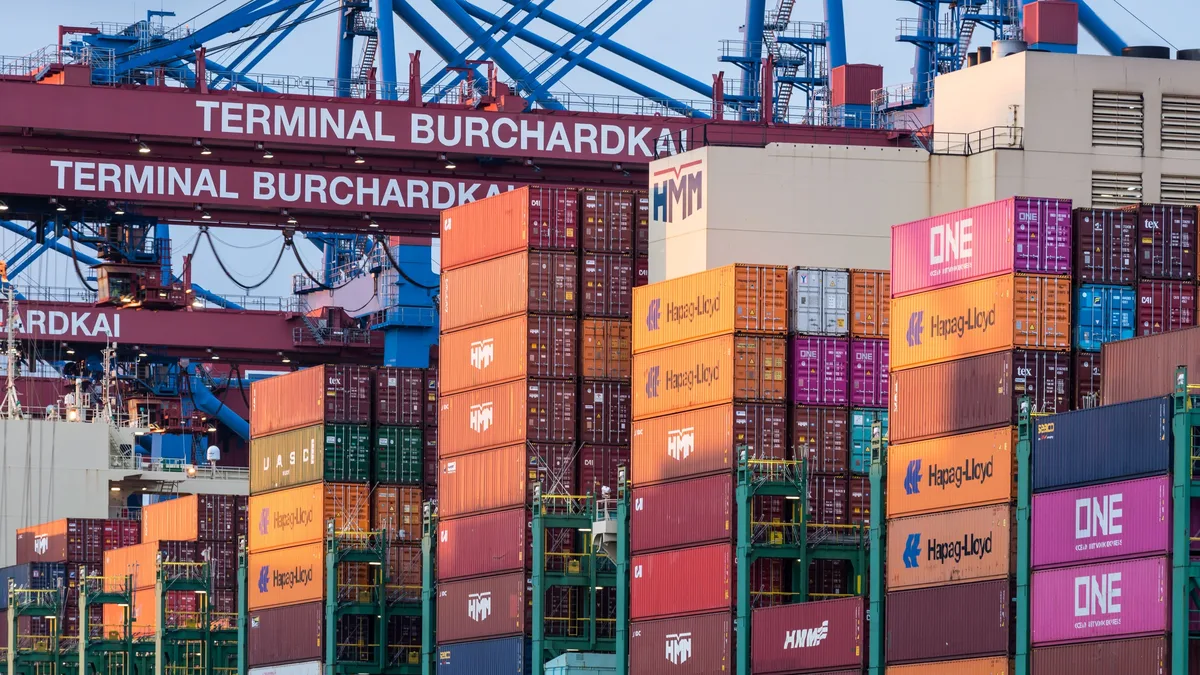
Maersk has implemented emergency freight rates for container cargo affected by security disruptions around the Strait of Hormuz. The new charges apply to shipments loading from or destined for ports in Iraq, Kuwait, Bahrain, Qatar, the United Arab Emirates, Dammam and Jubail in Saudi Arabia, and Oman, excluding Salalah.
According to the carrier's announcement, the Emergency Freight Rate is set at $1,800 per 20-foot dry container and $3,000 per a 40-foot dry container. For reefer, special, and dangerous goods containers, the charge rises to $3,800 per container. An additional charge of $1,000 per container will apply to any vessel transiting the Strait of Hormuz. Consequently, some affected shipments could face combined extra charges of up to $4,800 per container.
| Container Type | Emergency Freight Rate |
|---|---|
| 20-foot dry | $1,800 |
| 40-foot dry | $3,000 |
| Reefer/Special/DG | $3,800 per container |
Maersk reroutes cargo around the strait
Maersk stated the Emergency Freight Rate is necessary to cover extra costs from alternative routing and storage. The charge also covers additional charters and transportation from temporary storage locations to final destinations once it is safe to proceed. The separate $1,000 transit surcharge is intended to cover costs like increased insurance premiums and crew risk compensation. Maersk said these emergency rates could be adjusted as the situation develops.
The carrier is now using alternative routes to serve Upper Gulf markets. Cargo booked for Kuwait, Iraq, Qatar, Bahrain, and the UAE will be routed through Salalah and Khor Fakkan. From there, it will move by landbridge to Sharjah before connecting with Maersk's intra-Gulf feeder network. Saudi import and export cargo will continue to move through the port of Jeddah.
Booking restrictions remain active
A series of booking restrictions across the region remain in place. Dry cargo bookings are suspended to and from the UAE, except for specific arrangements involving Khor Fakkan and Jebel Ali. Dry bookings are also suspended to and from Iraq and the Saudi ports of Dammam and Jubail.
Maersk continues to accept dry cargo bookings for several other locations. These include Jeddah, King Abdullah Port, Kuwait, Qatar, Bahrain, Salalah, and Sohar. Restrictions are more extensive for reefer, dangerous goods, out-of-gauge, and other specialised cargo. The carrier said it will give special attention to shipments containing critical foodstuffs, medicines, and other perishable goods.
Empty container returns are disrupted
The disruption is also affecting Maersk's container equipment flows. Empty containers are temporarily not being accepted at their usual return locations for shipments into several Upper Gulf markets. The affected markets include the UAE, Qatar, Bahrain, Kuwait, Saudi Arabia's Jubail, Iraq, and Duqm in Oman.
Instead, Maersk has introduced temporary return arrangements using designated alternative locations. These include Salalah and Jeddah. These measures form part of Maersk's wider contingency response as security conditions around the Strait of Hormuz continue to impact shipping operations.