Russian diesel tanker halted off US East Coast
A Malta-flagged tanker carrying 40,000 metric tons of Russian diesel is stopped off the US coast, its discharge port undecided amid conflicting US policy and sanctions enforcement.
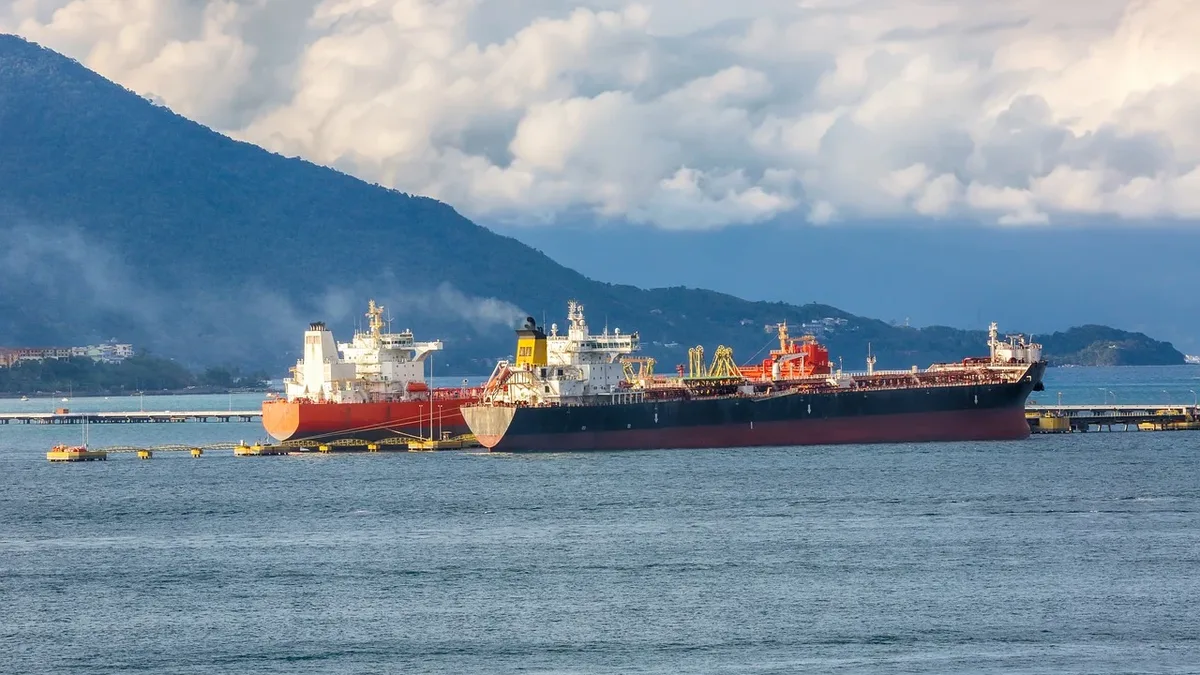
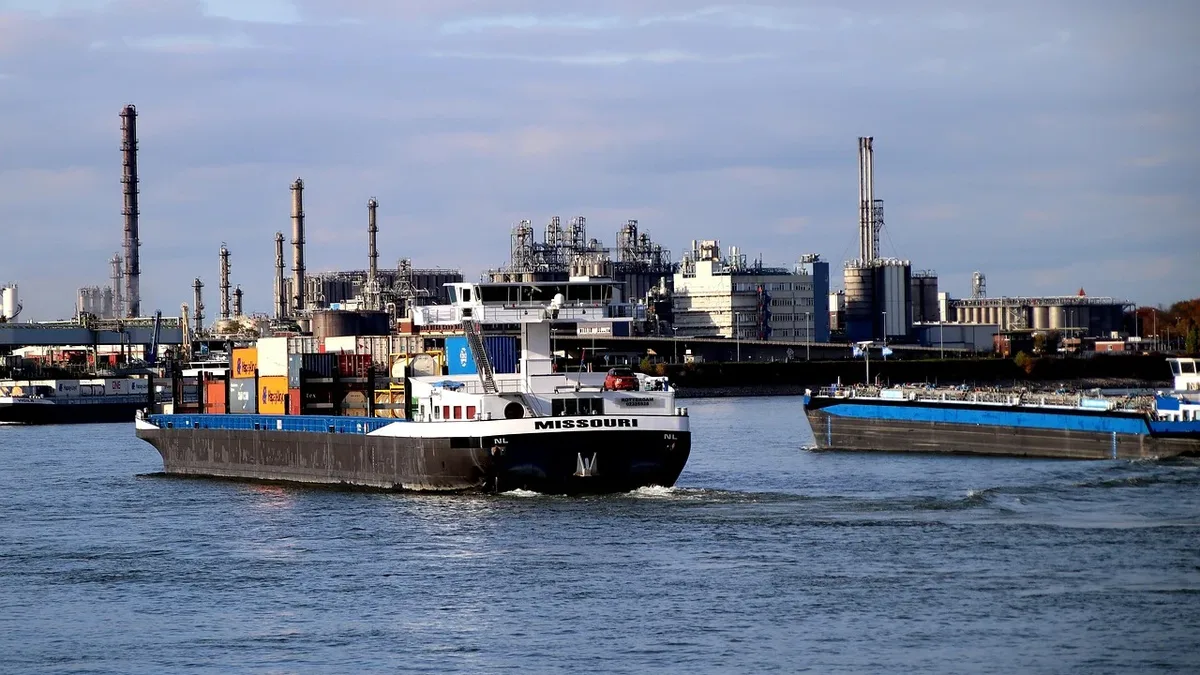
A Malta-flagged tanker carrying 40,000 metric tons of Russian ultra-low sulfur diesel has stopped off the US East Coast. The vessel is awaiting orders with no finalized discharge port.
The Agioi Fanendes loaded its cargo in Primorsk, Russia, on October 22. Its expected delivery date was November 7, but shipping data shows it has been holding position in the Atlantic since November 9. The tanker's automated identification system now broadcasts 'for orders.' Greece-based vessel manager Eastmed confirmed the ship's destination remains undecided as of Tuesday. Other tankers carrying Russian diesel have also altered course after initially signaling US Atlantic Coast destinations.
Policy and Legal Context
US sanctions and legislative frameworks create deep uncertainty over the tanker's ability to offload. Former President Joe Biden imposed a ban on US imports of Russian oil and petroleum products in 2022 after Russia’s invasion of Ukraine. The Ending Importation of Russian Oil Act of 2022 solidified this ban, requiring congressional consent and a presidential certification that the war is over for a waiver.
In a stark policy shift, President Donald Trump announced a surprise deal last month to import Russian diesel to lower pump prices ahead of the US midterm elections. This has triggered warnings. New Jersey’s Democratic Governor Mikie Sherrill cautioned port officials and terminal operators against accepting the cargo, citing federal law and potential civil and criminal penalties. Senator Richard Blumenthal warned the tanker's owner that unloading would be an 'illegal transaction or aiding and abetting it.'
Political and Market Dynamics
President Trump's sanctions waiver for Russian diesel shows shifting trade policies. The waiver allows Russia to export specific volumes to the US and global markets.
| Period | Volume (barrels) | Volume (metric tons, approximate) |
|---|---|---|
| October | 2.2 million | 300,000 |
| November | 3.7 million | 500,000 |
| Thereafter | 7.4 million | 1 million |
Governor Sherrill stated she would try to prevent the tanker from berthing in her state, calling the deal 'corrupt and illegal.' Analysts note Russia is conserving diesel for its own war effort and domestic economy, having carved out only a small quota for this White House deal. The US consumes about 120 million barrels of diesel per month, making this expected volume a minor but symbolically significant supply.
Logistical Standoff and Market Impact
The tanker's unresolved status is a direct logistical consequence of the political clash. Senior analyst Ellie Valencia noted the ship's speed dropped from 10 knots to 2 knots, indicating it is 'FOR ORDERS' and lacks a specific buyer. Energy Secretary Chris Wright suggested the cargo would likely go to a buyer abroad, expressing confidence the diesel would be sold in global markets despite the halt. Chris Wright said: "Not at all. No, it’ll go to another port. We just want that diesel going into the world markets."
The White House's diesel deal is expected to be the only Russian export volume for the fuel for the foreseeable future. With the tanker halted and its destination undecided, the central logistical uncertainty remains its pending discharge port decision.