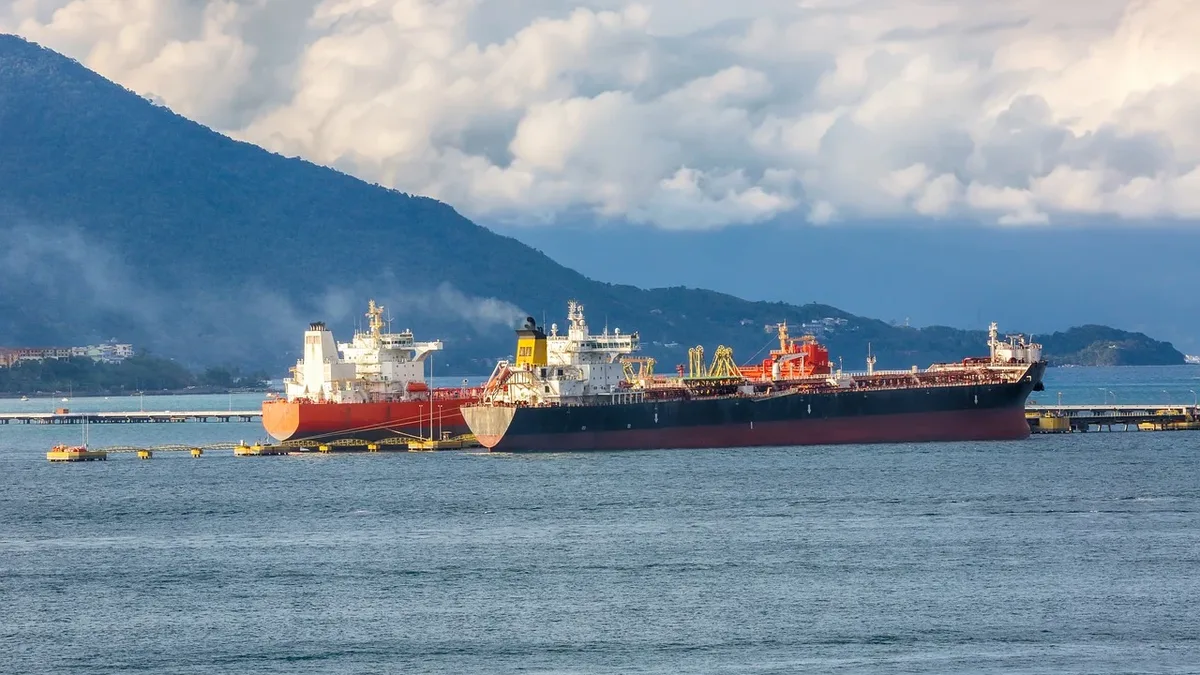
Alternative-Fuel Ship Orders Outpace Global Bunker Infrastructure
Shipping lines have ordered 1,942 alternative-fuel-capable vessels, representing 47% of the global orderbook by tonnage.
The global logistics industry is accelerating its shift to alternative fuels, but port infrastructure is struggling to keep pace. As of January 2026, 1,942 alternative-fuel-capable vessels were on order, representing 47% of the global orderbook by tonnage. In contrast, only 222 ports worldwide offered LNG bunkering and just 25 actively offered methanol bunkering. Biofuel blends, the most immediately deployable option, saw deliveries recorded at 90 ports over the previous 12 months. Lloyd’s Register detailed these findings in its Fuel for Thought: Ports report.
Regional Concentration
Infrastructure for alternative fuels in logistics is heavily concentrated in specific regions. The adoption is focused on Northern Europe, North Asia, and Singapore. Singapore alone accounted for more than a quarter of all recorded biofuel bunker quantities. Just 13 leading ports were responsible for 77.5% of the total biofuel bunker volume.
Fuel-Specific Developments
Different fuels are at distinct stages of commercial readiness. Methanol is becoming established, with 385 methanol-capable vessels on order. Ammonia has moved into limited commercial operation, with the first commercial bunkering completed at Ulsan, South Korea, in April 2026. Only 45 ammonia-capable ships are on order, and most other ports considering ammonia remain at the pilot or trial stage. Hydrogen, meanwhile, remains confined to demonstration projects and short-sea applications.
The orderbook data reveals a clear hierarchy in shipowner commitment to different fuel types.
| Fuel Type | Number of Vessels on Order |
|---|---|
| Methanol-capable | 385 |
| Ammonia-capable | 45 |
Demand surged recently. In September 2026 alone, 69 alternative-fuel vessels were ordered, the highest monthly total in nearly two years. Of those, 48 were for LNG vessels. Through the first nine months of 2026, alternative-fuel orders reached 311 vessels, a 53% increase from the same period a year earlier.
Investment and Preparation
Ports and industry stakeholders must now prioritize strategic investment. Lloyd’s Register concluded that ports should focus on fuels with credible demand rather than attempting to accommodate every emerging technology. Analyst Humza Ul Haq stated that ports need to understand where credible demand will emerge and prepare safety frameworks, regulations, skills, and partnerships accordingly. The report recommends tying infrastructure investment to identifiable vessel demand and specific trading routes.
Foundational requirements are consistent across fuel types. Berth-specific risk assessments, appropriate licensing, emergency response capabilities, and workforce training are deemed essential for expanding safe commercial bunkering operations. The transition’s success hinges on these preparatory steps. Ports will need to follow credible demand signals to justify the significant investment required for new bunkering infrastructure.