U.S. strikes Iranian missile site near Strait of Hormuz
U.S. fighter jets struck an Iranian missile launch site on Qeshm Island on November 17 in a defensive response to Iranian attacks, escalating tensions in a critical global shipping chokepoint.
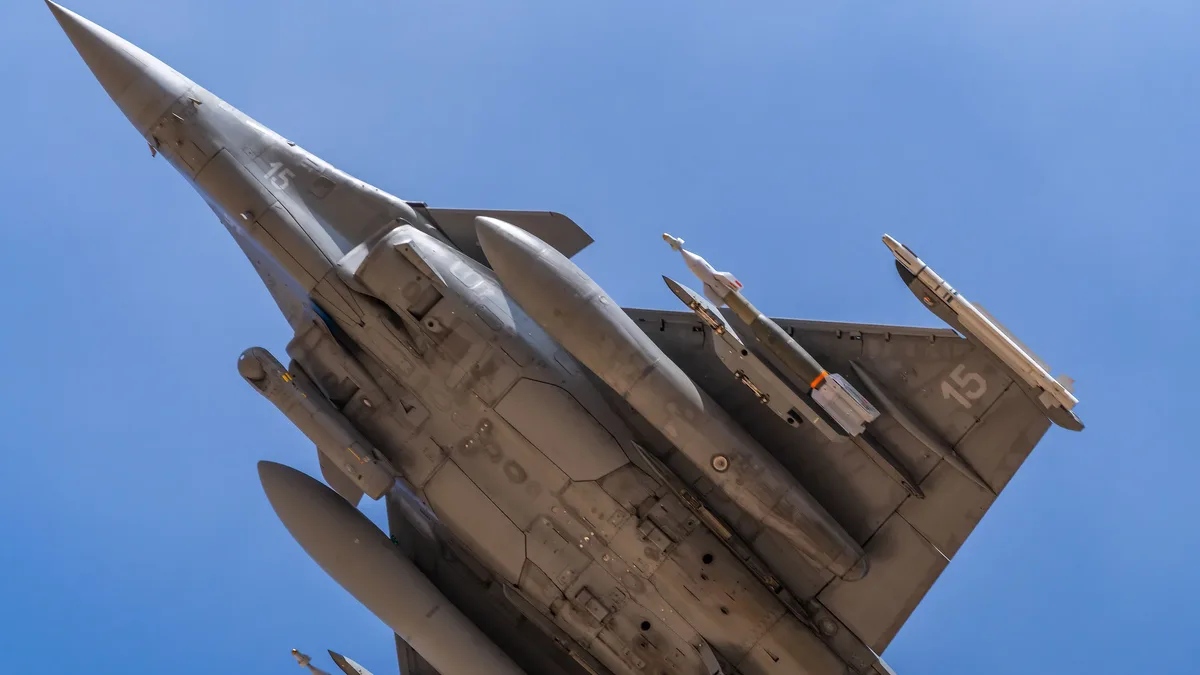
The U.S. military conducted a defensive strike on an Iranian missile launch site on Qeshm Island on Tuesday, November 17. This action was a direct response to Iranian aggression targeting U.S. personnel and assets, including a drone attack on a U.S. installation in Bahrain earlier that day. The target was an Islamic Revolutionary Guard Corps facility on the island, which lies in the Persian Gulf just outside the Strait of Hormuz. Bahrain intercepted the attack and reported no casualties or damage. U.S. officials described the operation as defensive, and Senator JD Vance stated the U.S. would not let the conflict become a forever war.
Iran responds with drone attacks and threats
Iran has intensified a campaign of low-grade attacks. This includes drone strikes on U.S. installations and renewed threats against civilian infrastructure. Iranian forces claimed to have struck a U.S. radar system at the Al-Rifaa helicopter base in Bahrain. They also claimed to have downed an American MQ-1 drone, though this remains unverified. Since February 28, Iran states it has downed around 50 American MQ-9 Reaper drones and several MQ-1 models. Parliamentary speaker Mohammad Bagher Ghalibaf warned Tehran would retaliate against civilian infrastructure near U.S. and Israeli bases if Washington did the same. The flurry of incidents suggests an intensification of clashes in the ongoing stalemate.
Energy markets react to regional volatility
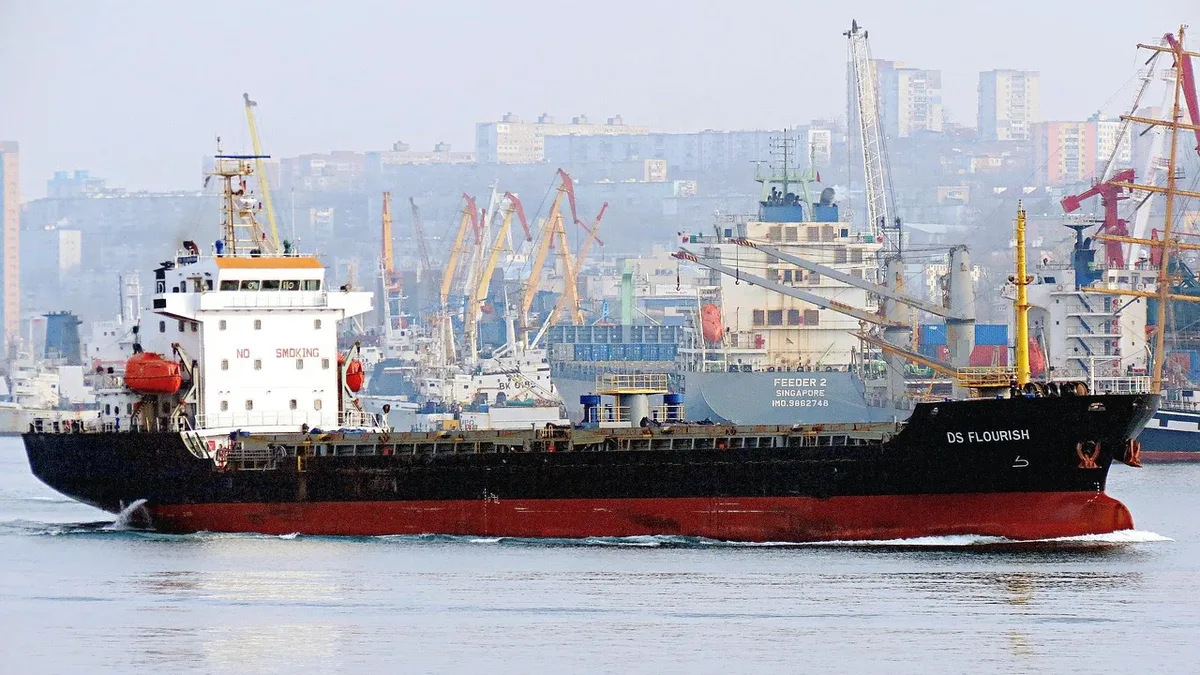
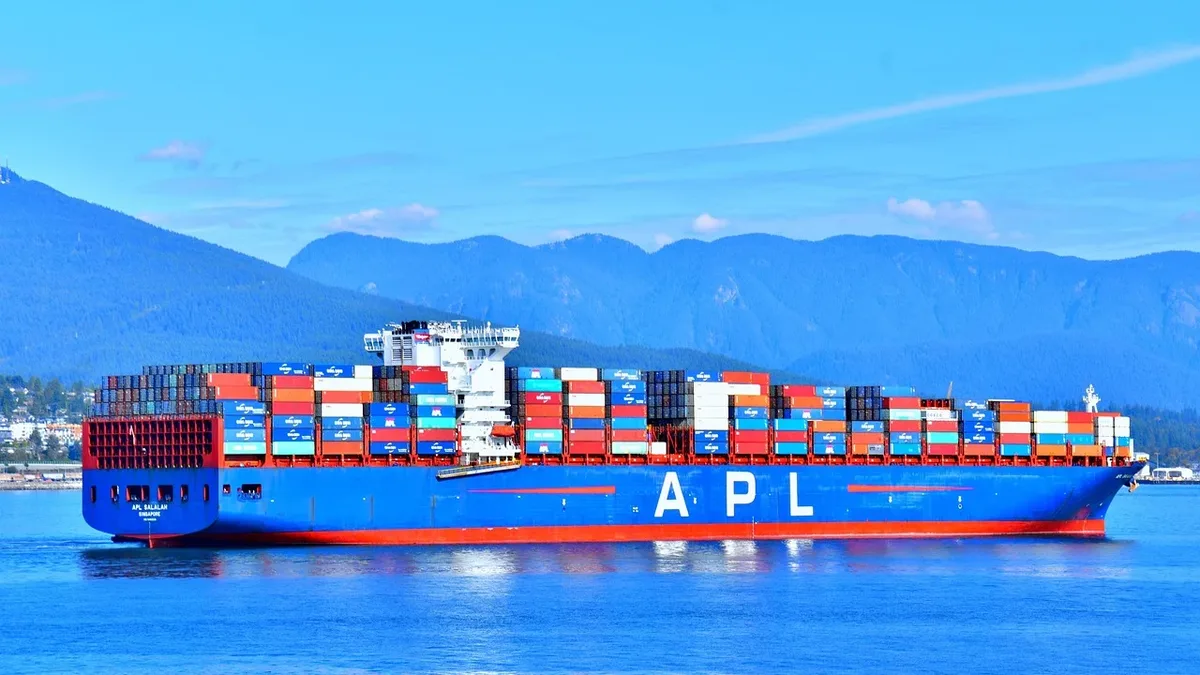
Oil prices rose as the U.S.-Iran confrontation intensified. Benchmark Brent crude futures rose 0.4 percent to $92.76 a barrel on Tuesday, still up more than 50 percent for the year. Qeshm Island's location near the Strait of Hormuz, a transit point for one-fifth of the world's oil and LNG, makes any military action there a direct concern for logistics and energy security. Attacks on tankers in the strait have increased this month, raising concerns over commercial shipping safety.
Diplomatic efforts continue through Qatar and Oman
Amid the military posturing, diplomatic channels remain active. Qatar, the main mediator, was due to meet with Iranian representatives on Tuesday as part of long-running efforts to find a diplomatic off-ramp. Simultaneously, Iranian Foreign Minister Abbas Araghchi visited Oman for talks concerning maritime security and the restoration of international shipping. The discussions focused on managing maritime traffic through the Strait of Hormuz. The exchange came amid efforts by both nations to prevent further escalation. Qatar and Iran also held discussions to narrow differences over proposals to end the conflict.
The U.S. has conducted a series of limited airstrikes on Iran since early September. American officials state these are defensive and designed to help energy tankers and other vessels transit the strait safely. The U.S. military maintains significant firepower in the region, including multiple aircraft carriers and dozens of warplanes, as part of a pressure campaign and blockade of Iranian ports. President Donald Trump stated Washington would maintain its naval blockade. Analyst Becca Wasser noted an operational rationale for both sides' strikes but highlighted a mismatch between operational objectives and political realities, with tit-for-tat strikes escalating quickly. Neither side has shown willingness to compromise on core issues like the blockade or Iran's nuclear program.
Iranian authorities confirmed the strike on Qeshm Island. The semi-official Mehr News Agency reported U.S. forces struck several locations, causing no casualties or damage to critical infrastructure. Iranian media reported five or six explosions on the island, with smoke seen rising from the northwest of Qeshm city. An air-defense missile launcher in the Nariman area was reportedly targeted, though the extent of damage to military facilities was not immediately clear. This was the latest American military operation on the island this month, following limited strikes on November 2. Iranian forces also claimed on Monday to have captured a U.S. military drone south of Qeshm Island using electronic warfare systems, a claim that could not be independently verified.
The conflict has lasted nearly nine months, destabilizing the region and disrupting global energy supplies. The UKMTO reported a tanker crew was unaccounted for after an attack north of Oman's Khasab port. Iran's Revolutionary Guards claimed an LNG vessel and two oil tankers caught fire in the strait, though these reports could not be verified. U.S. Central Command stated it remains highly vigilant and fully postured to protect Americans in the region. The ongoing diplomatic engagement between Qatar and Iran continues as the primary channel to de-escalate tensions.