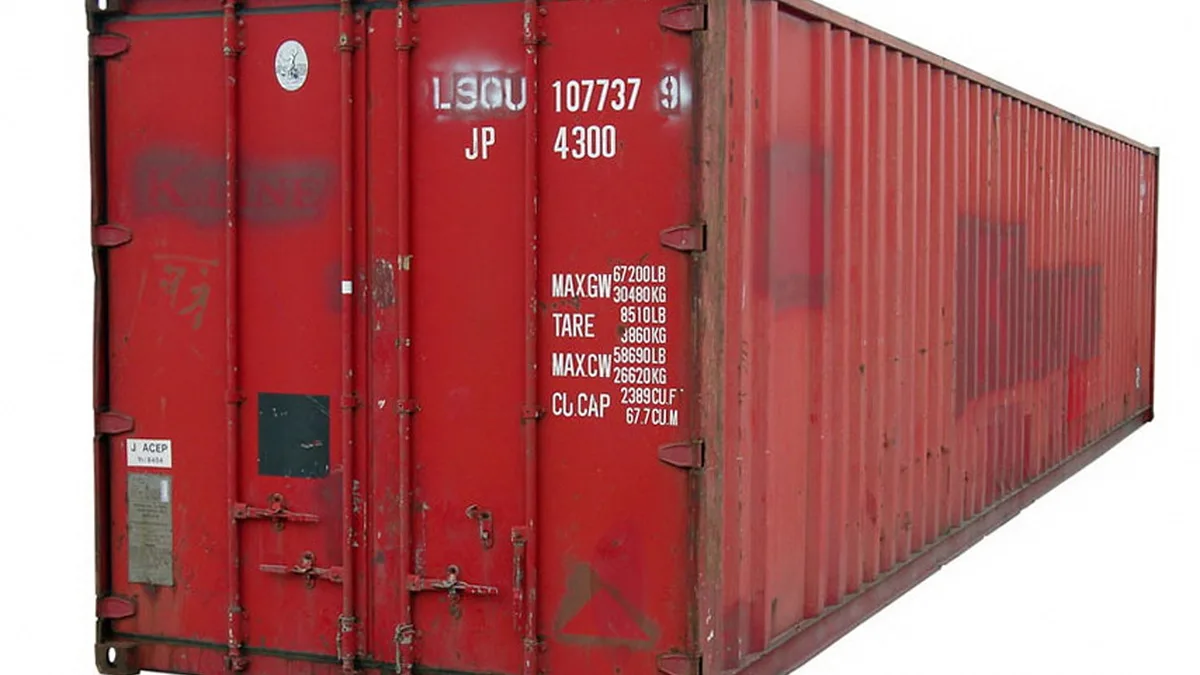
Ocean Container
| Mode | Ocean Container Shipping |
|---|---|
| Container Types | 20-foot (TEU), 40-foot (FEU), 40-foot High Cube, 45-foot High Cube |
| Standard Dimensions | 20' L x 8' W x 8' 6" H (Standard), 40' L x 8' W x 9' 6" H (High Cube) |
| Primary Construction Material | Corrugated steel |
| Original Use | Standardized unit for multimodal freight transport |
| Key Components | Corner castings, door locking bars, CSC plate |
| Typical Capacity | Ranges from ~28 CBM (20ft) to ~76 CBM (40ft High Cube) |
Origin and history
The standardized ocean shipping container, as used in global trade today, originated in the United States during the mid-twentieth century. Its development is widely credited to trucking entrepreneur Malcolm McLean, who sought a more efficient method of transporting goods between road and sea. While various forms of metal cargo boxes existed earlier, McLean's pivotal innovation was a system designed for seamless intermodal transfer. His company, Sea-Land Service, first deployed these containers on a converted tanker between New Jersey and Texas in 1956. The concept gained significant traction during the 1960s, particularly with the U.S. military's use for logistics during the Vietnam War. International standardization of container dimensions and corner fittings followed in the late 1960s and early 1970s, orchestrated by the International Organization for Standardization, which was critical for global adoption.
What it is for
The ocean container is a standardized, reusable steel box designed for the efficient, secure, and intermodal transportation of a vast range of dry and liquid cargo. Its primary function is to serve as the fundamental unit load in global containerized shipping, moving goods from a factory or warehouse in one country to a distribution point in another. The container itself is not a mode of transport but a vessel that is lifted and locked onto specially designed container ships, railcars, and truck chassis. This system eliminates the need to handle individual pieces of cargo multiple times, dramatically reducing port turnaround times and labor costs. Containers provide security from theft and weather damage for goods during their weeks-long transit across oceans. They enable the precise tracking and management of cargo shipments through a single bill of lading that follows the container from origin to destination.
Pros and cons
The standardized intermodal system provides door-to-door convenience and reduces cargo handling, which minimizes damage and pilferage. However, the system is inherently inflexible and slow, with transit times measured in weeks and subject to delays from port congestion, weather, and routing changes. Shippers have little control or visibility once a container is loaded onto a vessel, and last-minute changes are extremely difficult and costly. A common and costly mistake is improper cargo declaration or stuffing, leading to fines, delays, or container damage. Businesses that require rapid inventory turnover or that sell highly time-sensitive goods often regret choosing standard ocean container shipping due to its inherent lack of speed and agility.
Who it suits
Ocean container shipping is ideally suited for manufacturers, retailers, and traders moving large volumes of finished goods, components, or raw materials where the cost of transport is a more significant factor than speed. It is the standard choice for businesses with predictable, planned supply chains, such as seasonal retail inventory, non-perishable consumer goods, and industrial machinery. Importers and exporters with sufficient volume to fill entire containers benefit from the lowest rates and greatest control over packing. The model also suits commodities and products with a high value-to-weight ratio that can absorb the multi-week capital tie-up of goods in transit. It is generally not suited for emergency shipments, extremely high-value cargo requiring dedicated security, or perishable items that cannot withstand extended voyages without specialized refrigerated container equipment.
Latest Ocean Container news
Latest reporting
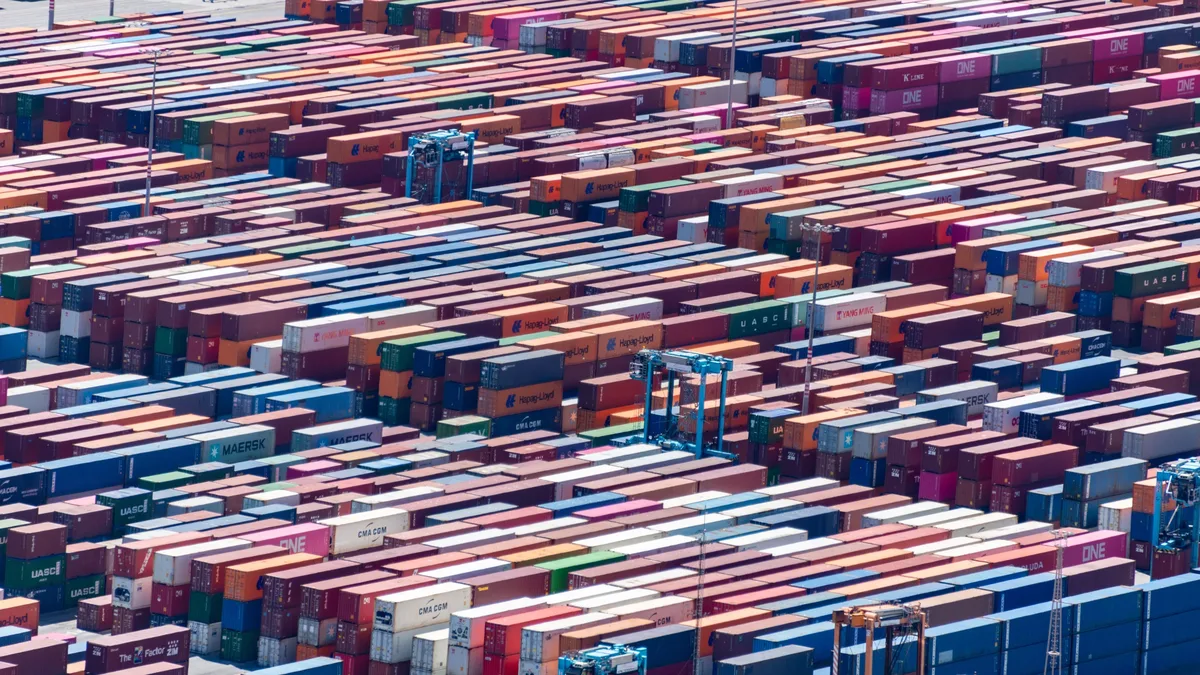
Domestic intermodal container volumes hit
Loaded domestic intermodal container volumes reached a new annual high of 21,697 on September 28, driven by sustained cost savings and seasonal growth
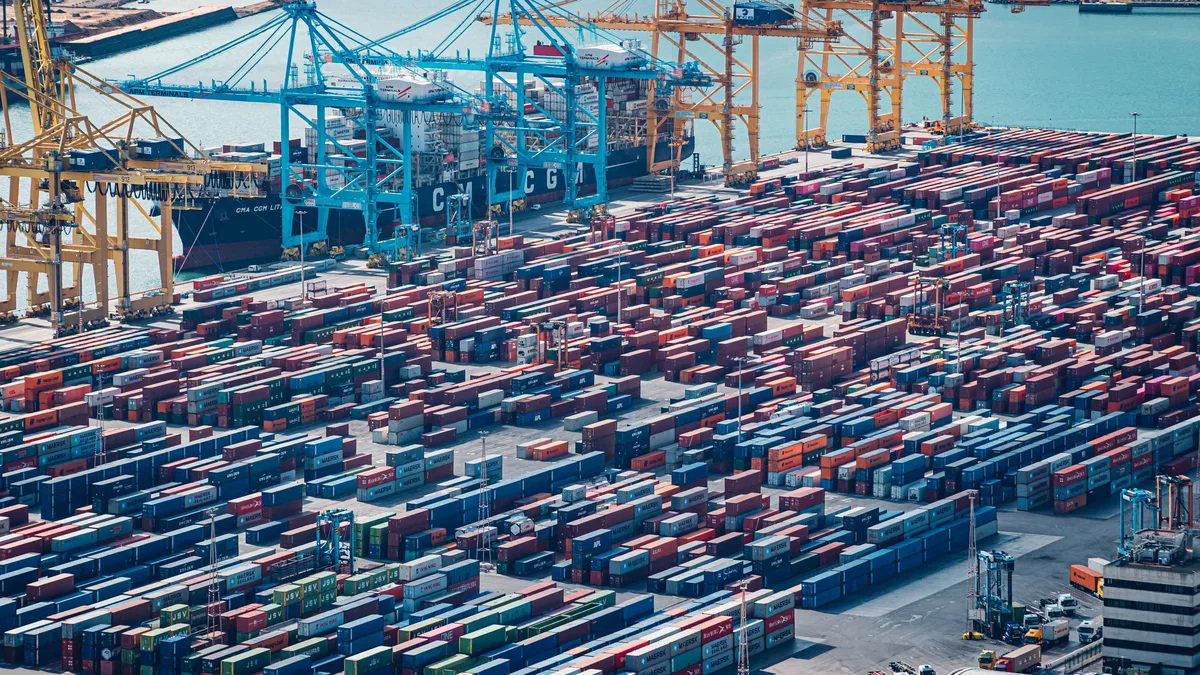
Hong Kong shifts port strategy from volume
Hong Kong's new five-year plan pivots its port strategy from chasing container volume to developing higher-value services, targeting smart, green...
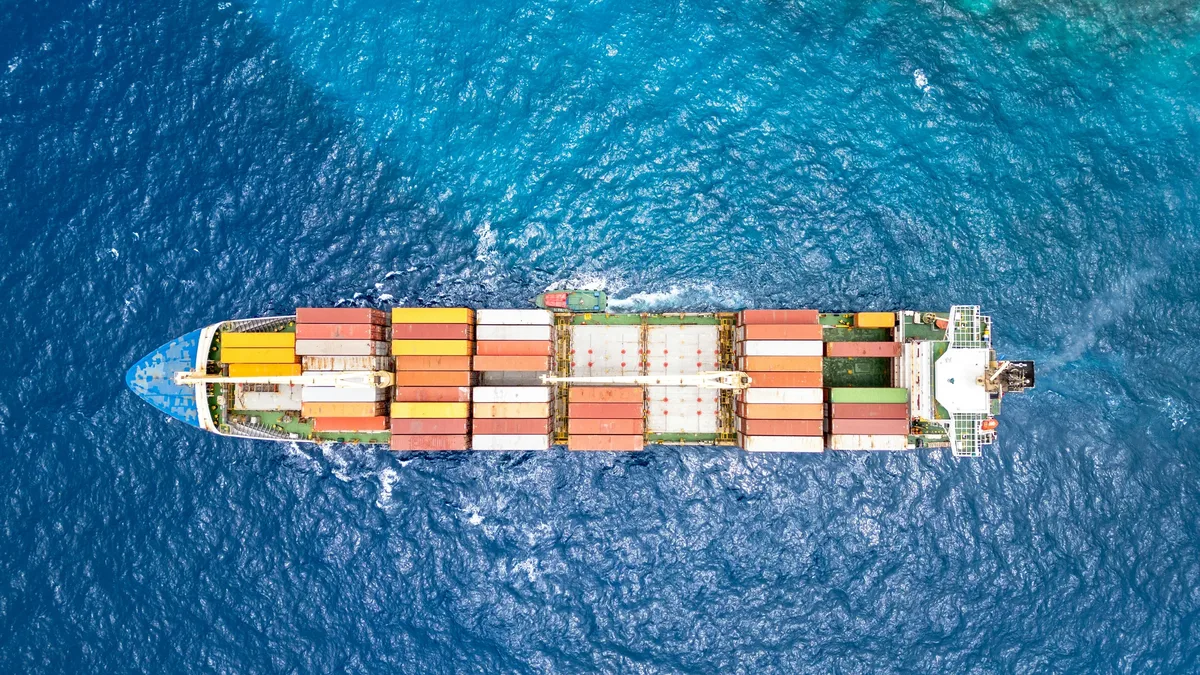
Ocean freight rates defy post-peak easing as capacity
Transpacific container spot rates remain above $10,000 as strong US demand, port delays, and carrier blank sailings extend the peak season, according...
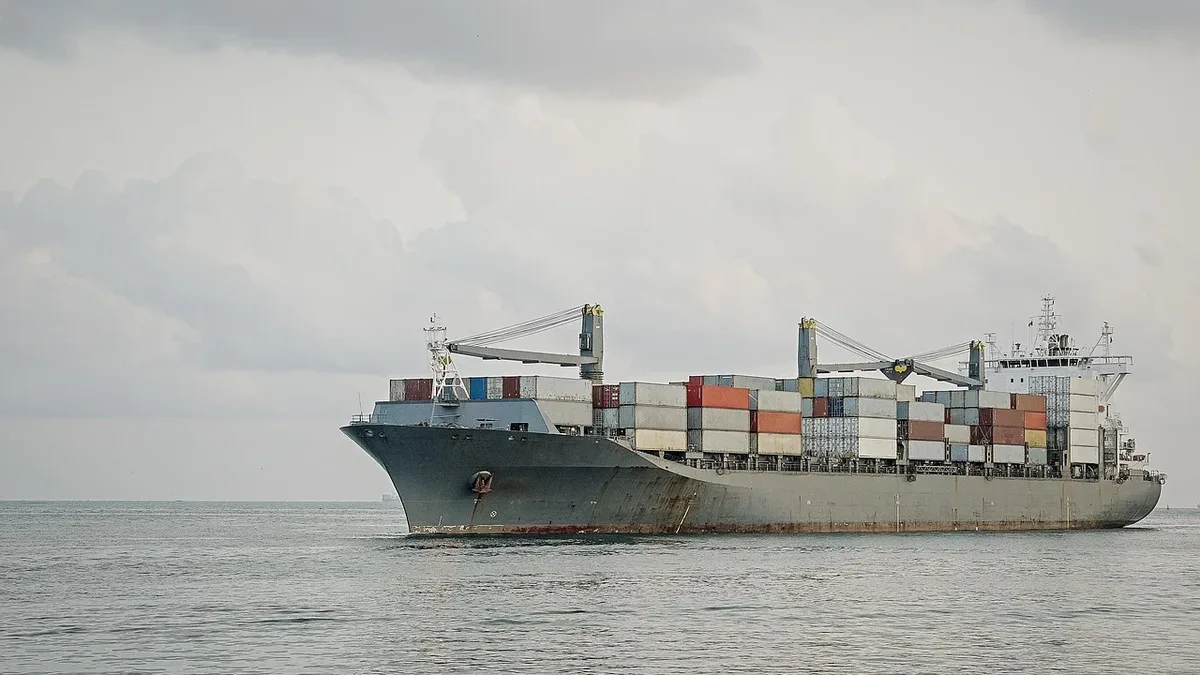
Transpacific spot rates hit $10,000 as Asia-Europe slides
Spot rates from Asia to the US East Coast have surged past $10,000 per 40ft container, reaching levels not seen since July 2022, while rates to Europe
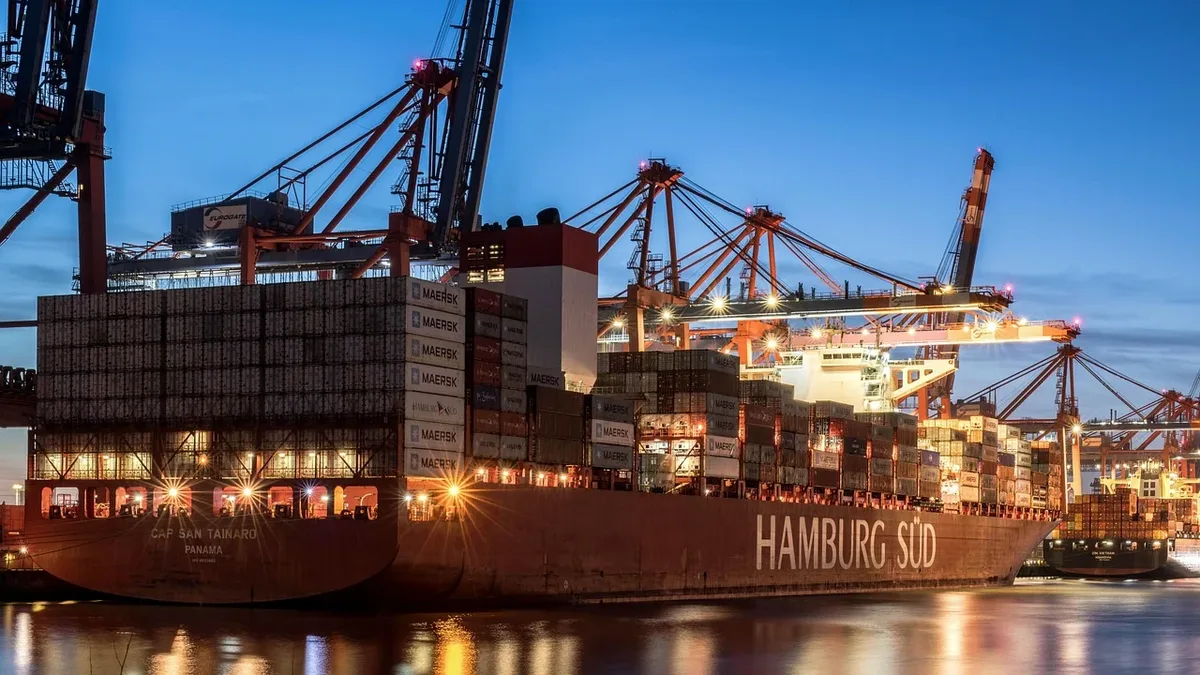
German port workers vote to reject pay
Union members at major German ports have rejected a pay deal, moving closer to an indefinite strike that threatens to disrupt container handling...
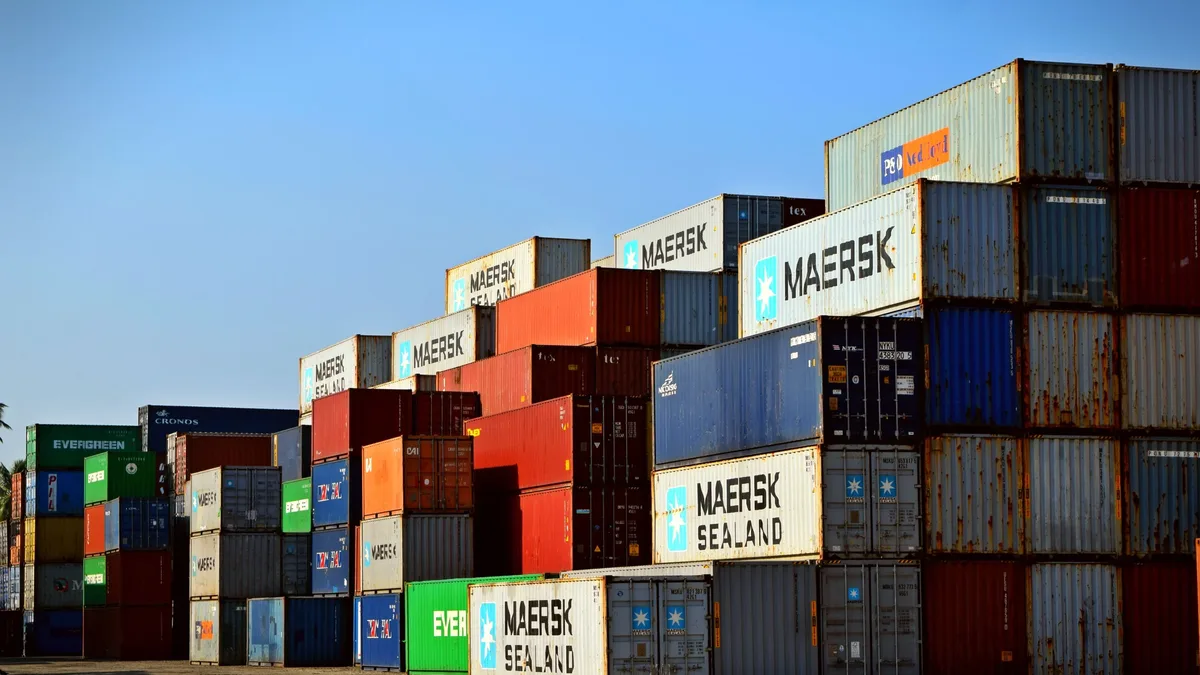
Maersk, CCT execs call for integration to seize LatAm
Executives from Maersk and Evergreen's Colon Container Terminal argue that deeper integration across ports, shipping lines, and land logistics is...