Apm Terminals
| Operator | APM Terminals |
|---|---|
| Parent company | A.P. Møller – Mærsk A/S |
| Original use | Container terminal operations and management |
| First created | 2001 |
| Country of origin | Netherlands |
| Global terminals | 75+ |
| Services | Terminal operations, inland services, port-centric logistics |
Origin and history
A.P. Moller-Maersk, a Danish conglomerate with deep roots in global shipping and energy, established APM Terminals as a separate entity within its business portfolio in the early 2000s. The creation formalized the group's existing and expanding activities in port operations and terminal management into a dedicated corporate division. This strategic move was a response to the broader industry trend of vertical integration, where shipping lines sought greater control over critical nodes in the supply chain. The company's foundational expertise was built upon decades of Maersk's own experience as a major global container carrier requiring efficient port calls. Its growth has been driven by both organic development of new terminals and strategic acquisitions of existing port facilities worldwide. The historical context places its origin within the era of containerization's global consolidation and the pursuit of supply chain efficiency by major shipping conglomerates.
What it is for
APM Terminals operates as a global port and terminal infrastructure company, providing the physical facilities and services necessary for container ships to load and discharge their cargo. Its core function is to offer port capacity, berthing space, cranes, and skilled labor to efficiently move containers between vessels and land-based transport modes like trucks and trains. The company manages a global network of terminals, which serve as critical interchange points within international trade lanes, facilitating the smooth flow of goods. Beyond basic stevedoring, its services often include container storage, maintenance, repair, and customs clearance coordination within terminal areas. A key aspect of its purpose is to provide dedicated, reliable capacity for its parent company, Maersk, while also serving numerous other shipping lines on a common-user basis. This dual role aims to ensure schedule reliability for the Maersk fleet while generating revenue from third-party carriers, making the terminals integral hubs within global logistics networks.
Pros and cons
A primary advantage of APM Terminals is its integration within the Maersk ecosystem, which can prioritize berthing windows and equipment allocation for Maersk vessels, potentially offering greater schedule reliability for customers using that carrier. The extensive global network provides consistent operational procedures and terminal interfaces across many key trade lanes, which can simplify logistics planning for large shippers. However, a significant con is the potential for conflict of interest, where the needs of its parent carrier may be perceived or experienced as taking precedence over those of other shipping line customers, especially during periods of port congestion. Some users report that commercial terms and access to prime equipment can be less favorable for non-Maersk lines. A common mistake is for shippers to assume uniform performance and pricing across the APM Terminals network, when in reality operational efficiency, labor relations, and landside connectivity vary significantly by location and local management. Companies heavily reliant on multiple carriers, including Maersk's competitors, sometimes regret routing cargo through APM Terminals due to perceived or actual impartiality issues.
Who it suits
APM Terminals is particularly suited to shippers and freight forwarders whose supply chains are heavily aligned with Maersk as their primary ocean carrier, as they stand to benefit the most from the potential operational synergies and schedule prioritization. Large-volume importers and exporters with consistent flows on trade lanes where APM Terminals have a strong presence, such as certain trans-Pacific and Asia-Europe routes, may find the network's scale provides necessary capacity and operational consistency. It suits organizations that value the potential for streamlined communication and integrated solutions within a single corporate structure, from ship to shore. Conversely, it is less suited for shippers who deliberately spread their cargo across multiple, competing shipping alliances to mitigate risk, as they may encounter friction or suboptimal service at these terminals for non-Maersk bookings. It is also a poor fit for cost-sensitive shipments on lanes where local, independent terminals offer significantly lower port dues and handling charges, as the integrated model often carries a premium.
Latest Apm Terminals news
Latest reporting
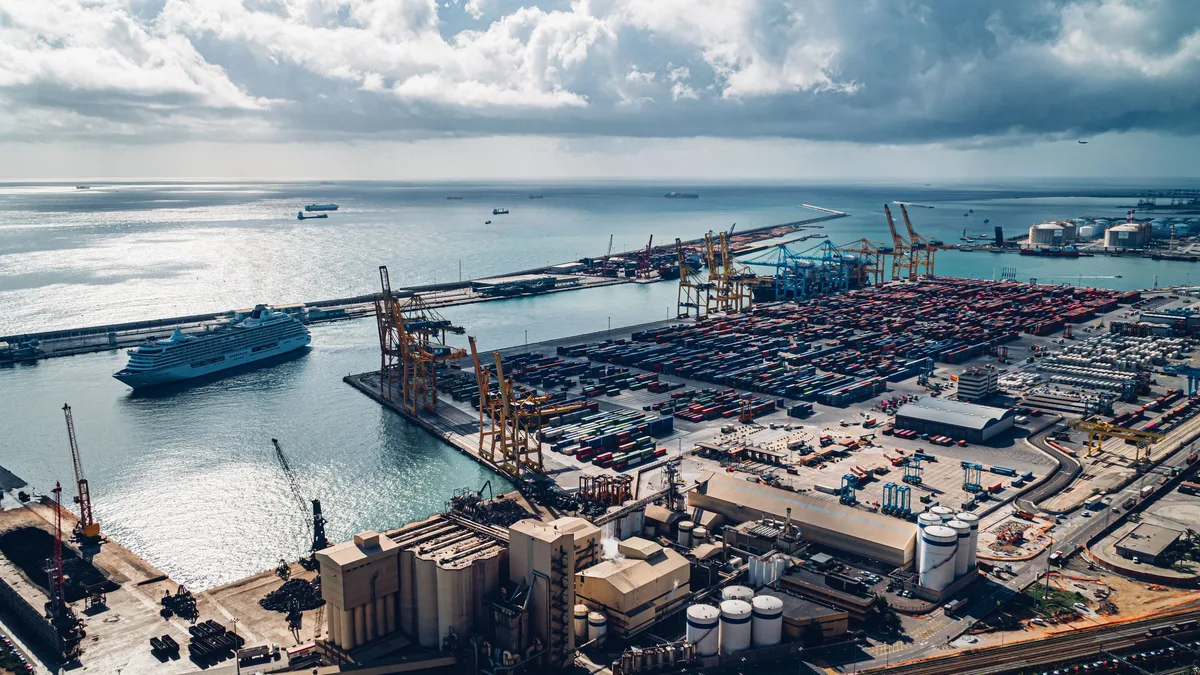
Lloyd's Register study finds 200,000-cbm LNG
A Lloyd's Register study for GTT finds 200,000-cbm LNG carriers can access 88 global terminals, only slightly fewer than conventional 174,000-cbm...
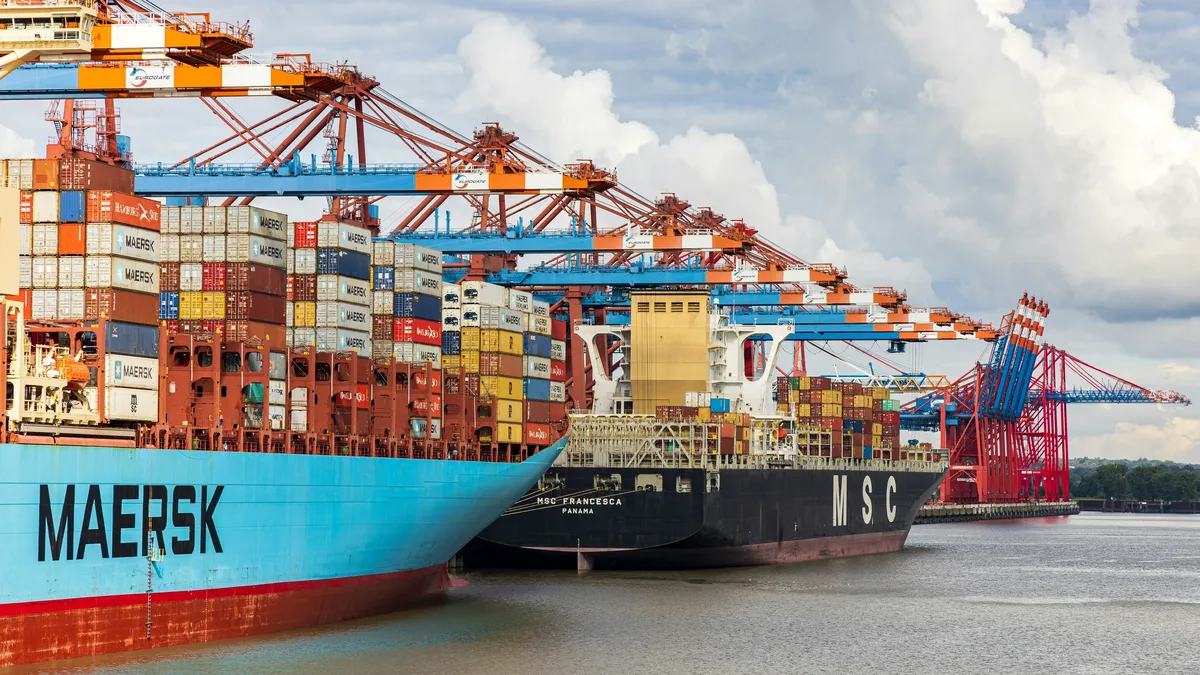
APM Terminals Suape begins commercial
APM Terminals Suape has started commercial operations in Brazil following the first vessel call by the Maersk Ganges.
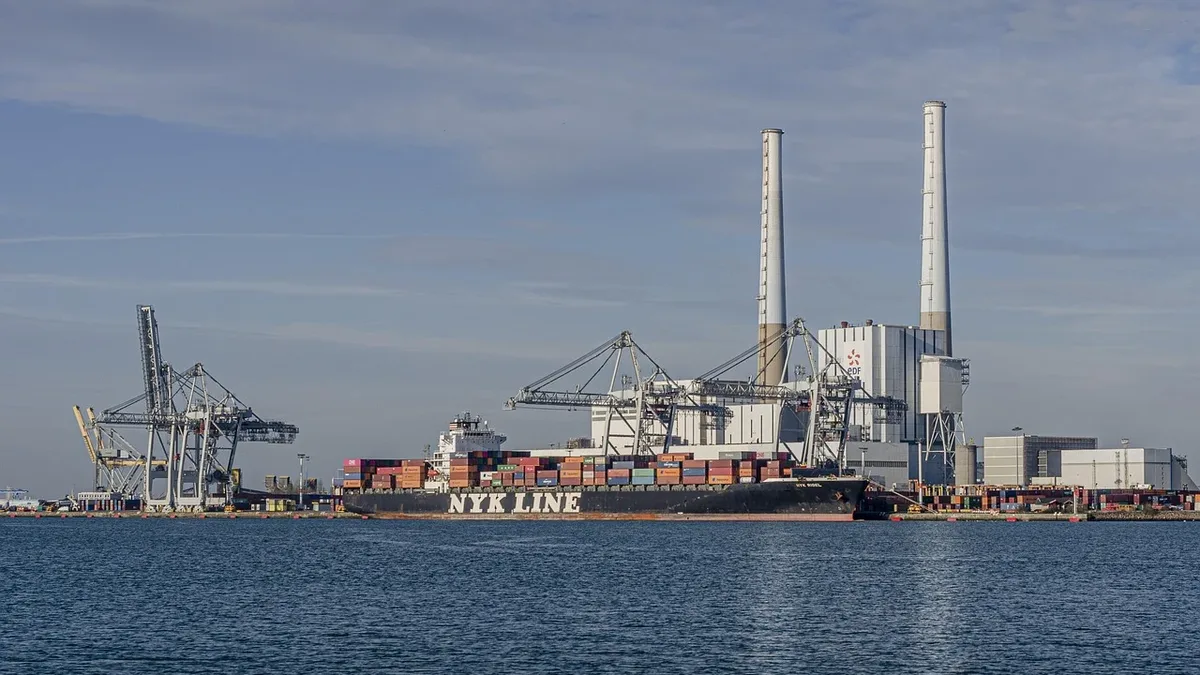
Yusen Terminals gets 30-year LA port lease
Yusen Terminals has locked in a 30-year lease extension at the Port of Los Angeles, committing to a $200 million investment in zero-emission...
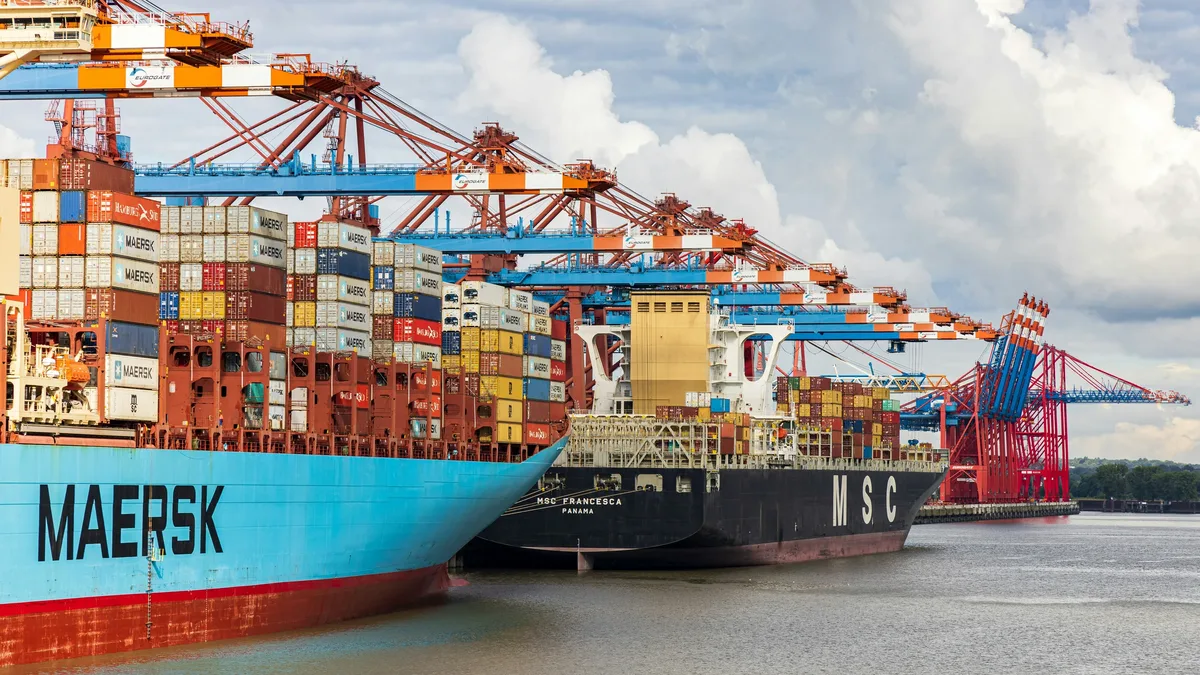
Drewry: Terminal Investment Not Cause of
Drewry Shipping Consultants rejects Maersk CEO Vincent Clerc's claim that under-investment in terminals is causing port delays.