Drewry: Terminal Investment Not Cause of
Drewry Shipping Consultants rejects Maersk CEO Vincent Clerc's claim that under-investment in terminals is causing port delays.
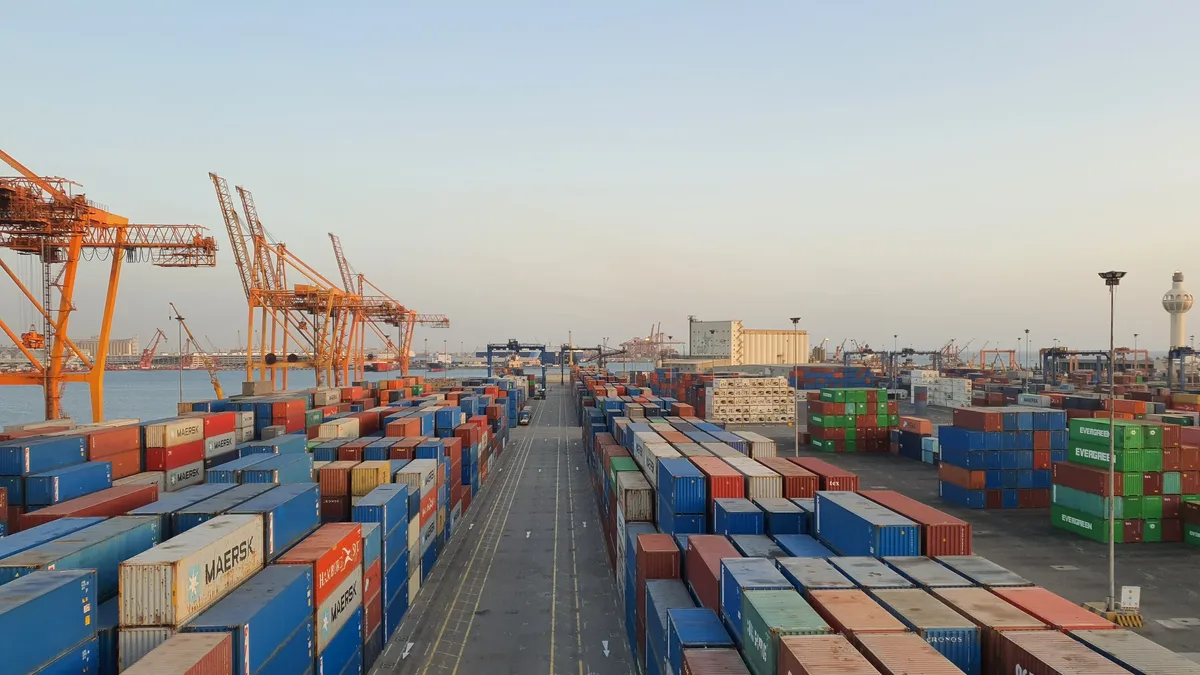
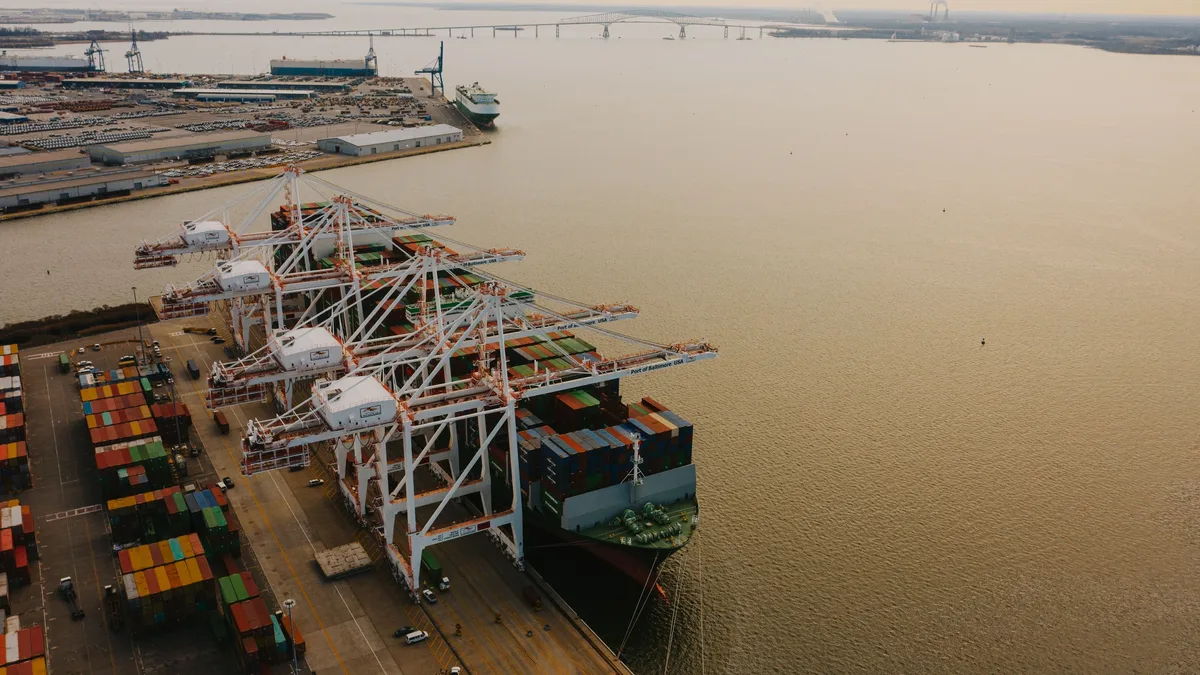
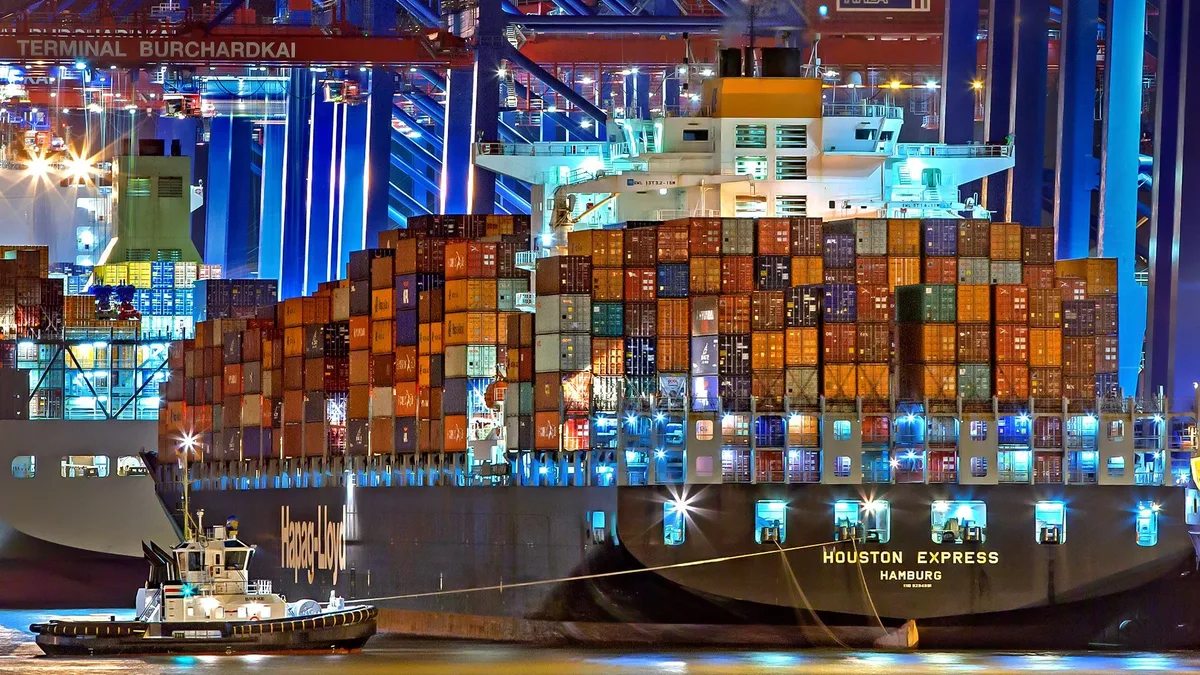
Drewry Shipping Consultants has rejected an assertion by Maersk CEO Vincent Clerc that under-investment in terminal capacity is the primary cause of global port congestion. The consultancy argues that a complex mix of supply chain disruptions, severe weather, and high terminal utilization is absorbing vessel and terminal capacity.
Drewry's position counters a recent claim from Maersk's CEO. Vincent Clerc reportedly stated that port capacity was insufficient, causing congestion in regions including Europe, South America's east coast, West Africa, and the Middle East as Asian export growth increased. He linked this to investment lagging for about 15 years since the financial crisis.
Disruptions and Waiting Times
Drewry's data shows a clear deterioration in port performance. Its Market Signals risk summary revealed a worsening of average waiting times and schedule reliability. In week 32, corresponding to early August, typhoons in China resulted in ships waiting an average of 3.6 days for a berth. Weather remains an increasing challenge in Asian origin ports, with this year's El Niño noted as potentially one of the most intense on record. Tropical storm Saudel was projected to hit from Ningbo to Fuzhou with winds up to 95mph, threatening disruption as far as Shanghai.
The consultancy acknowledges weather constraints but cites other major factors. Tariff disruption, geopolitical issues, and port strikes have all played a role in increasing congestion since the pandemic. A critical operational point is terminal utilization. Drewry states that a terminal at 90% utilization takes about a week to recover from a single day's disruption. At 75% utilization, recovery time drops to just two days.
Regional Delay and Rate Data
Recent projections from shipping lines show full-year income forecasts have been raised due to capacity cancellations, blanked sailings, and port congestion. This is reflected in rising vessel delays across major regions. Drewry's data provides specific figures on these increasing delays.
| Region | Average Delay Trend |
|---|---|
| West Africa | Increased from 50 hours to over 70 hours |
| South Asia | Approaching 60 hours, rising from ~35 hours in 2023 |
| China | Increased from under 30 hours to ~35 hours |
Drewry notes that the global and Chinese delay trends follow similar trajectories. West Africa is cited as the most severely affected region.
Impact on Spot Rates
Freight rates on specific trade lanes have also been volatile. Disruption and poor weather in the Middle East caused Drewry's Intra-Asia index to rise from under $1,000 per forty-foot equivalent unit (FEU) at the start of the month to $1,200 per FEU in its latest record. This included major spot rate increases on routes from Shanghai to Singapore and India.
In contrast, demand in European and US markets is on the wane. Consequently, spot rates on Drewry's World Container Index fell by 1%. European spot rates fell the fastest at 3%, while rates from Shanghai to New York were down 2%. Rates from Shanghai to Los Angeles were flat. The overall market dynamic shows how regional congestion and demand shifts directly impact the cost to move a box, which is central to tracking fixtures and market stats.
Drewry concludes that larger vessels increase volume peaks and that terminal operators often lack the spare capacity needed to recover quickly from disruptions. The difference between operating at 75% and 90% utilization, the firm said, could be the difference between a competitive and an uncompetitive return on capital in normal years.