Rhine Water Levels Stable, Freight Rates
Water levels on Germany's Rhine have stabilized after rain, enabling vessels to carry larger cargoes and causing freight rates to fall.
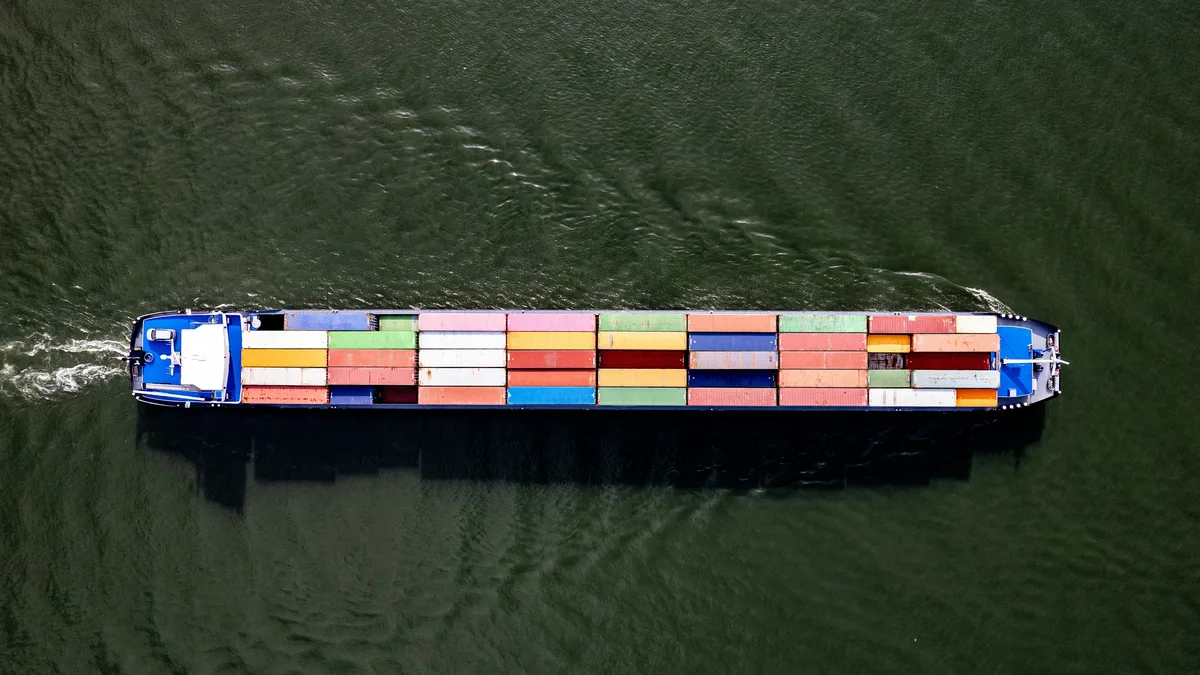
Water levels on the Rhine river in Germany remained stable this week, holding above record lows after recent rain. The country's inland navigation agency, WSV, said this has allowed vessels to carry larger cargoes. Freight rates on the river have fallen as a result.
Heavy rain forecast for Friday could bring further relief, commodity traders said. However, water levels remain too low for vessels to sail fully loaded.
German companies have faced significant disruption after Rhine water levels fell to record lows earlier this month. This drove up transport costs, created logistics bottlenecks, and curbed production across industries that rely on the vital waterway.
Current Conditions at Key Chokepoint
WSV reported that the navigable water level at Kaub, a key chokepoint near Koblenz, stood at around 60 cm on Friday. This compares with less than 10 cm in mid-August, which was below the previous record low of 25 cm set in 2018. The river itself is about 1 meter deeper than the navigable gauge reading.
Many ships had stopped sailing through Kaub in mid-August because of the critically low water. Some services have now resumed, although vessels are carrying only 700 to 800 metric tons, depending on ship type, traders said. Even with the improvement, cargoes must still be split among several partially loaded vessels, which increases costs for industry. Some freight has also shifted to road and rail transport.
Impact on Freight Costs
The cost of river tanker freight from Rotterdam to Karlsruhe fell to about €100 to €110 a metric ton on Friday. This is down from more than €145 a ton in mid-August, according to a trader. The rate drop follows the stabilization of water levels.
Germany and several other European countries have endured successive heatwaves and limited rainfall this summer. This weather has pushed down water levels on waterways like the Rhine, a crucial shipping route for grain, minerals, coal, and refined oil products. The situation highlights the vulnerability of key trade lanes to environmental factors, which can be tracked in broader fixtures affecting global logistics. For shippers navigating these challenges, understanding carrier capacity and squad availability becomes critical when modal shifts are necessary.