Panama Canal Cuts Daily Capacity to 32 Ships Amid Water Shortages
The Panama Canal is cutting its daily booking capacity to 32 ships from mid-September as worsening rainfall deficits force it to conserve water.
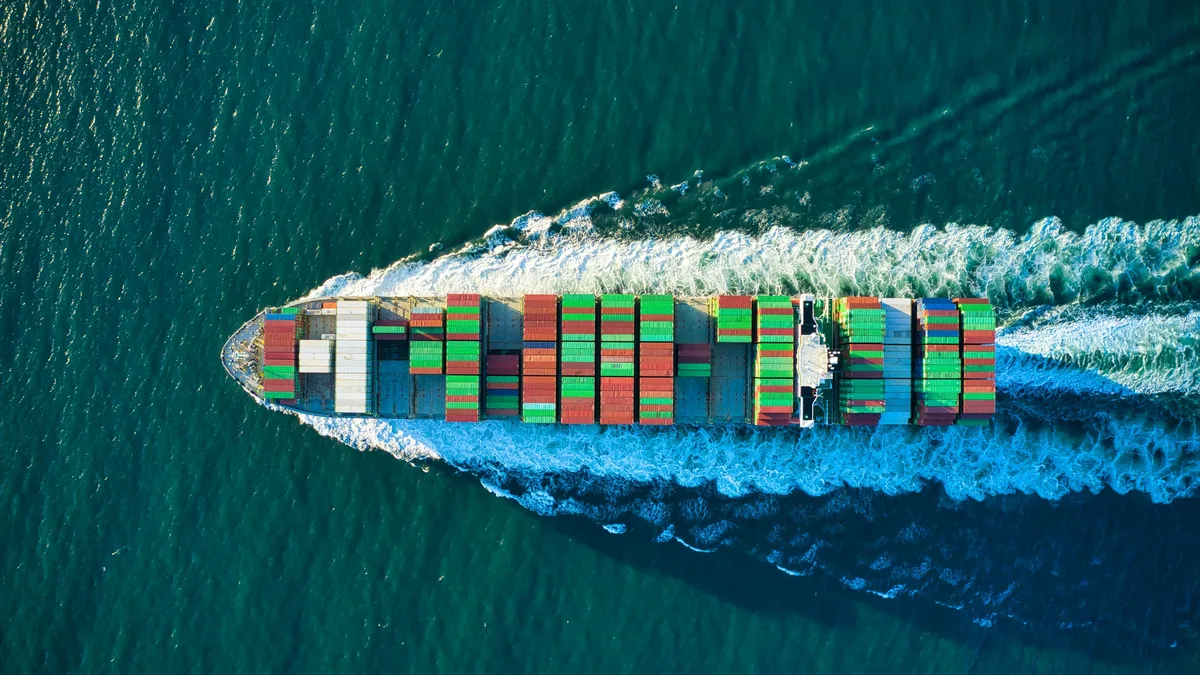
The Panama Canal is reducing its daily booking capacity to 32 ships from mid-September. This move is in response to worsening rainfall deficits, which are forcing the waterway to take defensive measures against El Niño, with the canal offering nine neopanamax and 25 panamax slots a day from September 4, and then 23 panamax slots from September 15.
Capacity Reductions
The reduction in capacity is a result of the canal's efforts to conserve water, as precipitation and watershed inflows continue to be lower than expected, despite the arrival of the rainy season. The Panama Canal Authority has stated that these measures are necessary to ensure the continued operation of the canal.
Nokta, have warned that the deteriorating canal situation will soon start to affect freight rates, as restrictions tighten and effective vessel supply is reduced, pushing more ships onto longer routes. Clarksons has raised its 2026 VLGC rate forecast by $15,000 to $81,250 a day and its 2027 estimate by $20,000 to $70,000.
Auction Rules and Draft Restrictions
The canal is also overhauling its auction rules, separating certain types of vessels into four groups for selected auctions, and giving priority to the largest containerships by teu capacity in the neopanamax slot competitions. Additionally, a planned reduction in draft to 48 ft has been delayed until September 2, and the subsequent move to 47.5 ft has been pushed back until October 1. The price of securing passage through the canal has been increasing, with daily auctions for canal slots averaging around $1.1m earlier this month, and some neopanamax bids reaching several million dollars.
July, following the return of draft restrictions in June for the first time in around two years. During the 2023-24 drought, the canal's throughput fell as much as 40% below normal, highlighting the impact of water shortages on the canal's operations. The canal's reduced capacity is likely to continue to affect the logistics of moving goods through the trade lane.
Source: Splash 247