Danube Cargo Capacity
Low water levels on the Danube are squeezing cargo capacity
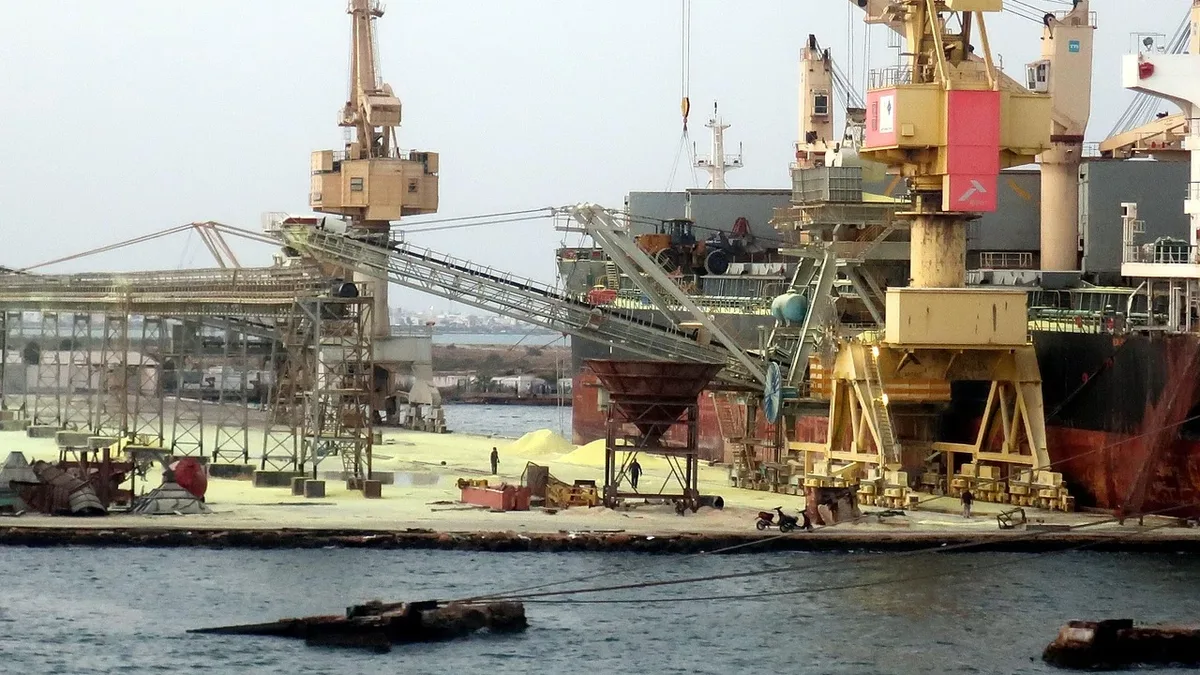
The Danube cargo capacity is being squeezed by low water levels, forcing inland vessels to reduce their loads and making river shipments slower and more difficult to plan. According to the Danube Commission, the pressure is most immediate for bulk, liquid and general cargo, which account for much of the freight transported on the river.
Low Water Levels
Low water does not necessarily mean that navigation stops, however, it reduces the depth available beneath a vessel and restricts its safe draught. Operators may therefore need to carry less cargo to avoid grounding. The same quantity of goods may require additional voyages or remain at a terminal until conditions improve.
Because vessel draught must remain compatible with conditions throughout the voyage, a shallow section or local bottleneck can reduce cargo capacity and reliability across a much longer route. This creates difficulties for vessel operators, cargo owners and ports. It also affects companies coordinating river arrivals with rail and road departures.
Container Operations
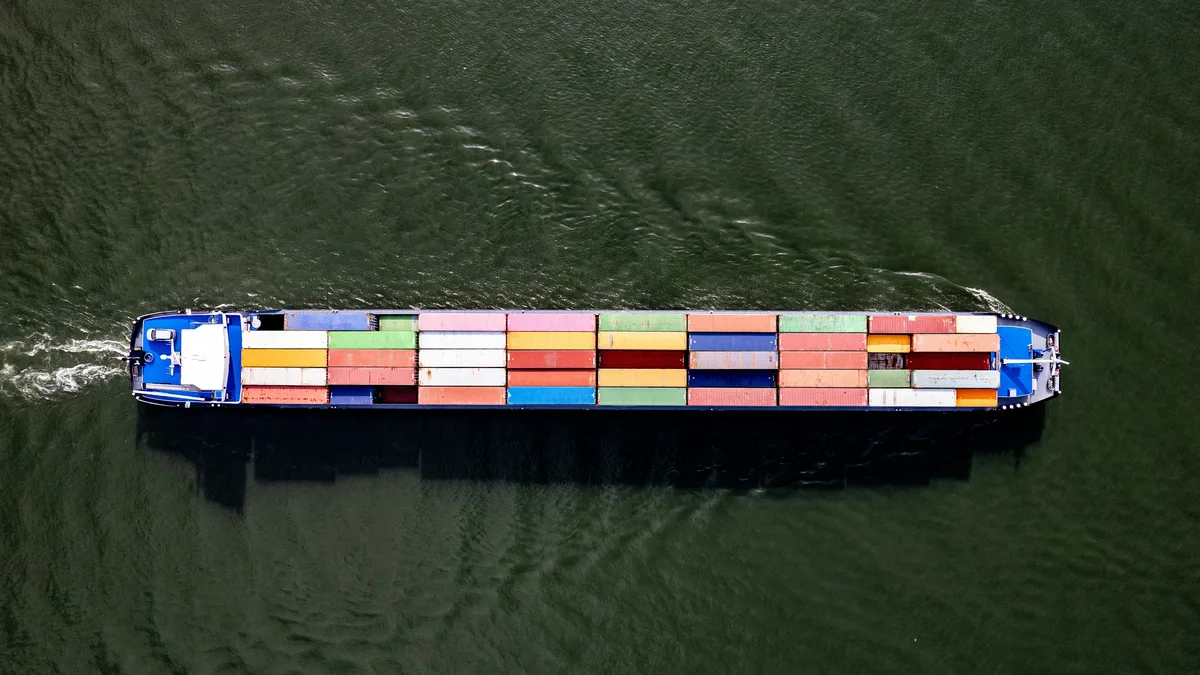
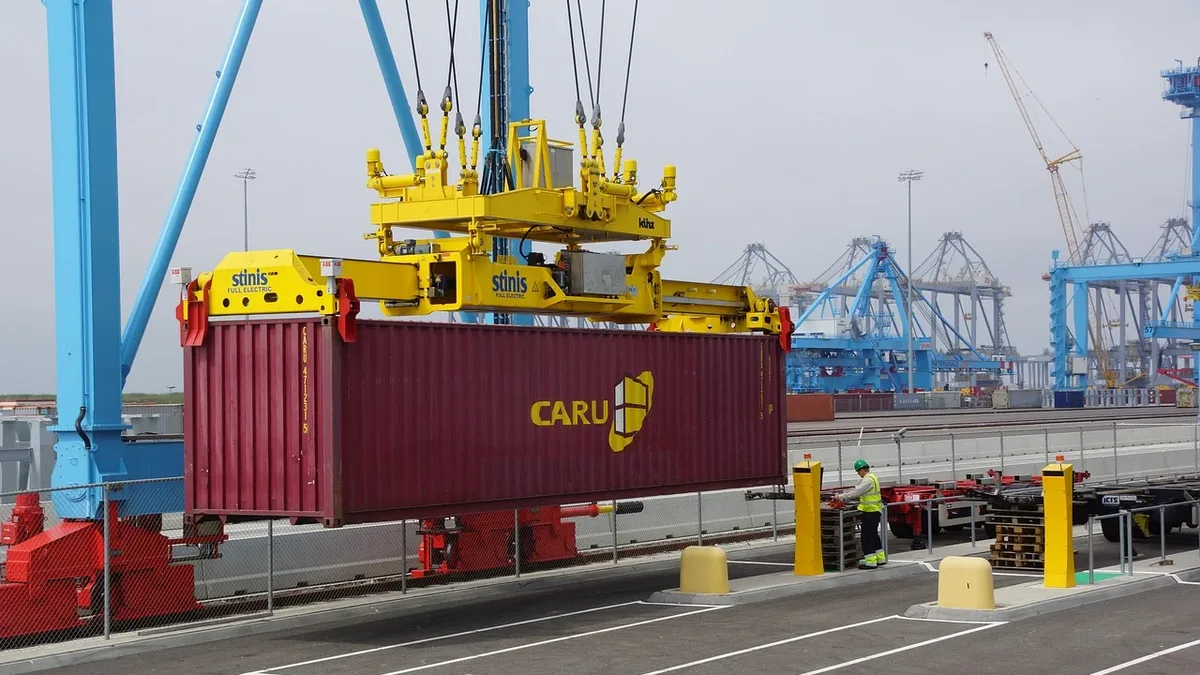
Containers do not dominate cargo transport on the Danube, the river primarily carries commodities such as agricultural products, petroleum products, ores, metals, fertilisers, construction materials and other bulk or general cargo. However, container barges and intermodal services form part of the corridor’s transport network.
They connect inland markets and terminals with maritime gateways, particularly through the Lower Danube and the Danube-Black Sea Canal. Ports and terminals with container-handling capabilities along the corridor include Linz, Vienna, Bratislava, Budapest, Novi Sad, Ruse and Giurgiu.
| Port | Container Handling Capability |
|---|---|
| Linz | 24,405 TEU in May 2025 |
| Novi Sad | 800-metre quay, five berths, 44,000 square metres of covered warehousing |
| Giurgiu | up to 400 containers per day |
Bulk and General Cargo
The immediate effects of lower vessel loads are particularly important for cargoes transported in large quantities. Agricultural products, fuels, ores, metals and construction materials depend on the economies of scale offered by inland vessels. If an operator must reduce the load carried on each voyage, the effective capacity of the transport chain falls.
Ports including Brăila, Galați, Tulcea, Lom and Giurgiulești remain relevant to this wider cargo picture. Their traffic is more heavily concentrated in bulk, liquid, breakbulk and general cargo flows than in regular container services. The Ukrainian Danube ports of Izmail and Reni also handle several cargo categories.
The Danube Commission’s information for Ukraine lists container-handling capabilities at both ports. Their current operating environment must also be considered in the context of the continuing war in Ukraine. The source of this information is the Danube Commission, which has expressed serious concern about the growing consequences of extreme water levels for navigation, economic connectivity and the wider Danube region.
The Port of Vukovar says one of its vertical quays supports cargo transshipment even during periods of very low water. The Croatian port handles cargo including grain, oilseeds, mineral fertilisers and other bulk and general goods. Such infrastructure may improve resilience at a specific location, however, it cannot remove draught restrictions encountered elsewhere during a river voyage.
The Danube-Black Sea Canal links the river with Constanța’s maritime terminals. Cargo can transfer between inland vessels, trains, trucks and oceangoing services. This provides an alternative route to international liner networks for shippers in Central and Eastern Europe, alongside rail and inland-waterway connections to northern European gateways. Low water on the Danube does not imply disruption at Constanța’s maritime terminals, however, smaller barge loads and less predictable river transit times can reduce the reliability of the inland connection to and from the port.
The outlook will depend on weather and hydrological conditions across the wider Danube catchment, including rainfall, upstream flows, evaporation and river-management conditions. For cargo operators, the immediate issue is reduced and less predictable transport capacity. For container supply chains, the risk lies in the effect that unreliable river movements may have on connections with terminals and maritime services. Satellite imagery published by Copernicus shows exposed sediment bars along the Danube Bend in northern Hungary following a prolonged dry spell and intense summer heat. The Copernicus comparison uses images captured on 14 July 2025 and 25 July 2026. The agency also reported effects on navigation and river tourism in northern Hungary. The Danube Commission warned that shifting freight from inland waterways to land-based transport places additional pressure on rail infrastructure and road networks. It can also increase costs and emissions. The Danube FIS Portal has published notices concerning low or decreasing water levels in Hungary, Serbia, Bulgaria and Romania. Current readings and forecasts for navigation-related gauges are available through Germany’s ELWIS water-level service. Further downstream, readings published by the Romanian Lower Danube Administration on 20 August showed very low gauge levels at several locations, although daily movements varied between stations. Short-term forecasts indicated further declines at Brăila, Cernavodă and Giurgiu, according to AFDJ. The Danube Commission said restrictions on vessel draught, reduced cargo loads, longer transport times and the difficulty of planning shipments reliably can result in economic losses and weaken the competitiveness of inland waterway transport. Official notices also point to challenging navigation conditions along several sections of the river. The Federal Institute of Hydrology identified the Danube as one of the waterways particularly affected by low water during its reporting period covering 7-13 August. The Danube Commission’s port database confirms container-handling infrastructure at several locations. It does not, by itself, establish the existence or frequency of scheduled container barge services. For containerised cargo, reduced river capacity can create wider supply chain risks. A late barge arrival could affect connections with trains or trucks, while unreliable transit times could complicate coordination with depots, terminals and maritime services. These remain potential operational consequences. No carrier, barge operator or terminal has been identified as publicly confirming the cancellation or delay of a specific Danube container service in connection with the current low-water conditions. The source of this information is the Danube Commission and Container News. The Danube Commission’s member states expressed serious concern about the growing consequences of extreme water levels for navigation, economic connectivity and the wider Danube region. In a statement issued on 12 August, they warned that the situation is critical and requires immediate attention. The Danube Commission is working closely with its member states and other stakeholders to mitigate the effects of low water levels and ensure the continued operation of the Danube waterway. The situation is being closely monitored, and updates will be provided as necessary. The Danube Commission’s efforts to address the issue are ongoing, and the situation remains critical. The Danube waterway is a vital transportation artery for Central and Eastern Europe, and its continued operation is essential for the region’s economy. The Danube Commission is working to ensure that the waterway remains navigable and that cargo can continue to be transported safely and efficiently. The situation is complex, and the Danube Commission is working closely with its member states and other stakeholders to find solutions. The Danube Commission’s port database provides information on container-handling infrastructure at several locations along the Danube. The database is an important tool for cargo operators and other stakeholders, and it helps to facilitate the transportation of goods along the Danube. The Danube Commission is committed to providing accurate and up-to-date information on the Danube waterway, and it will continue to work closely with its member states and other stakeholders to address the challenges posed by low water levels. The Danube waterway is a critical component of the region’s transportation infrastructure, and its continued operation is essential for the economy of Central and Eastern Europe. The Danube Commission will continue to work to ensure that the waterway remains navigable and that cargo can continue to be transported safely and efficiently. The situation is being closely monitored, and updates will be provided as necessary. The Danube Commission is committed to providing accurate and up-to-date information on the Danube waterway, and it will continue to work closely with its member states and other stakeholders to address the challenges posed by low water levels. The Danube waterway is a vital transportation artery for Central and Eastern Europe, and its continued operation is essential for the region’s economy. The Danube Commission is working to ensure that the waterway remains navigable and that cargo can continue to be transported safely and efficiently. The Danube Commission’s efforts to address the issue are ongoing, and the situation remains critical. The Danube waterway is a critical component of the region’s transportation infrastructure, and its continued operation is essential for the economy of Central and Eastern Europe. The Danube Commission will continue to work to ensure that the waterway remains navigable and that cargo can continue to be transported safely and efficiently. The situation is complex, and the Danube Commission is working closely with its member states and other stakeholders to find solutions. The Danube Commission’s port database provides information on container-handling infrastructure at several locations along the Danube. The database is an important tool for cargo operators and other stakeholders, and it helps to facilitate the transportation of goods along the Danube. The Danube Commission is committed to providing accurate and up-to-date information on the Danube waterway, and it will continue to work closely with its member states and other stakeholders to address the challenges posed by low water levels. The Danube waterway is a vital transportation artery for Central and Eastern Europe, and its continued operation is essential for the region’s economy. The Danube Commission is working to ensure that the waterway remains navigable and that cargo can continue to be transported safely and efficiently. The Danube Commission’s efforts to address the issue are ongoing, and the situation remains critical. The Danube waterway is a critical component of the region’s transportation infrastructure, and its continued operation is essential for the economy of Central and Eastern Europe. The Danube Commission will continue to work to ensure that the waterway remains navigable and that cargo can continue to be transported safely and efficiently. The situation is being closely monitored, and updates will be provided as necessary. The Danube Commission is committed to providing accurate and up-to-date information on the Danube waterway, and it will continue to work closely with its member states and other stakeholders to address the challenges posed by low water levels. The Danube waterway is a vital transportation artery for Central and Eastern Europe, and its continued operation is essential for the region’s economy. The Danube Commission is working to ensure that the waterway remains navigable and that cargo can continue to be transported safely and efficiently. The Danube Commission’s port database provides information on container-handling infrastructure at several locations along the Danube. The database is an important tool for cargo operators and other stakeholders, and it helps to facilitate the transportation of goods along the Danube. The Danube Commission is committed to providing accurate and up-to-date information on the Danube waterway, and it will continue to work closely with its member states and other stakeholders to address the challenges posed by low water levels. The Danube waterway is a critical component of the region’s transportation infrastructure, and its continued operation is essential for the economy of Central and Eastern Europe. The Danube Commission will continue to work to ensure that the waterway remains navigable and that cargo can continue to be transported safely and efficiently. The situation is complex, and the Danube Commission is working closely with its member states and other stakeholders to find solutions. The Danube Commission’s efforts to address the issue are ongoing, and the situation remains critical. The Danube waterway is a vital transportation artery for Central and Eastern Europe, and its continued operation is essential for the region’s economy. The Danube Commission is working to ensure that the waterway remains navigable and that cargo can continue to be transported safely and efficiently. The Danube Commission’s port database provides information on container-handling infrastructure at several locations along the Danube. The database is an important tool for cargo operators and other stakeholders, and it helps to facilitate the transportation of goods along the Danube. The Danube Commission is committed to providing accurate and up-to-date information on the Danube waterway, and it will continue to work closely with its member states and other stakeholders to address the challenges posed by low water levels. The Danube waterway is a critical component of the region’s transportation infrastructure, and its continued operation is essential for the economy of Central and Eastern Europe. The Danube Commission will continue to work to ensure that the waterway remains navigable and that cargo can continue to be transported safely and efficiently. The situation is being closely monitored, and updates will be provided as necessary. The Danube Commission is committed to providing accurate and up-to-date information on the Danube waterway, and it will continue to work closely with its member states and other stakeholders to address the challenges posed by low water levels. The Danube waterway is a vital transportation artery for Central and Eastern Europe, and its continued operation is essential for the region’s economy. The Danube Commission is working to ensure that the waterway remains navigable and that cargo can continue to be transported safely and efficiently. The Danube Commission’s efforts to address the issue are ongoing, and the situation remains critical. The Danube waterway is a critical component of the region’s transportation infrastructure, and its continued operation is essential for the economy of Central and Eastern Europe. The Danube Commission will continue to work to ensure that the waterway remains navigable and that cargo can continue to be transported safely and efficiently. The situation is complex, and the Danube Commission is working closely with its member states and other stakeholders to find solutions. The Danube Commission’s port database provides information on container-handling infrastructure at several locations along the Danube. The database is an important tool for cargo operators and other stakeholders, and it helps to facilitate the transportation of goods along the Danube. The Danube Commission is committed to providing accurate and up-to-date information on the Danube waterway, and it will continue to work closely with its member states and other stakeholders to address the challenges posed by low water levels. The Danube waterway is a vital transportation artery for Central and Eastern Europe, and its continued operation is essential for the region’s economy. The Danube Commission is working to ensure that the waterway remains navigable and that cargo can continue to be transported safely and efficiently. The Danube Commission’s efforts to address the issue are ongoing, and the situation remains critical. The Danube waterway is a critical component of the region’s transportation infrastructure, and its continued operation is essential for the economy of Central and Eastern Europe. The Danube Commission will continue to work to ensure that the waterway remains navigable and that cargo can continue to be transported safely and efficiently. The situation is being closely monitored, and updates will be provided as necessary. The Danube Commission is committed to providing accurate and up-to-date information on the Danube waterway, and it will continue to work closely with its member states and other stakeholders to address the challenges posed by low water levels. The Danube waterway is a vital transportation artery for Central and Eastern Europe, and its continued operation is essential for the region’s economy. The Danube Commission is working to ensure that the waterway remains navigable and that cargo can continue to be transported safely and efficiently. The Danube Commission’s port database provides information on container-handling infrastructure at several locations along the Danube. The database is an important tool for cargo operators and other stakeholders, and it helps to facilitate the transportation of goods along the Danube. The Danube Commission is committed to providing accurate and up-to-date information on the Danube waterway, and it will continue to work closely with its member states and other stakeholders to address the challenges posed by low water levels. The Danube waterway is a critical component of the region’s transportation infrastructure, and its continued operation is essential for the economy of Central and Eastern Europe. The Danube Commission will continue to work to ensure that the waterway remains navigable and that cargo can continue to be transported safely and efficiently. The situation is complex, and the Danube Commission is working closely with its member states and other stakeholders to find solutions. The Danube Commission’s efforts to address the issue are ongoing, and the situation remains critical. The Danube waterway is a vital transportation artery for Central and Eastern Europe, and its continued operation is essential for the region’s economy. The Danube Commission is working to ensure that the waterway remains navigable and that cargo can continue to be transported safely and efficiently. The Danube Commission’s port database provides information on container-handling infrastructure at several locations along the Danube. The database is an important tool for cargo operators and other stakeholders, and it helps to facilitate the transportation of goods along the Danube. The Danube Commission is committed to providing accurate and up-to-date information on the Danube waterway, and it will continue to work closely with its member states and other stakeholders to address the challenges posed by low water levels. The Danube waterway is a critical component of the region’s transportation infrastructure, and its continued operation is essential for the economy of Central and Eastern Europe. The Danube Commission will continue to work to ensure that the waterway remains navigable and that cargo can continue to be transported safely and efficiently. The situation is being closely monitored, and updates will be provided as necessary. The Danube Commission is committed to providing accurate and up-to-date information on the Danube waterway, and it will continue to work closely with its member states and other stakeholders to address the challenges posed by low water levels. The Danube waterway is a vital transportation artery for Central and Eastern Europe, and its continued operation is essential for the region’s economy. The Danube Commission is working to ensure that the waterway remains navigable and that cargo can continue to be transported safely and efficiently. The Danube Commission’s efforts to address the issue are ongoing, and the situation remains critical. The Danube waterway is a critical component of the region’s transportation infrastructure, and its continued operation is essential for the economy of Central and Eastern Europe. The Danube Commission will continue to work to ensure that the waterway remains navigable and that cargo can continue to be transported safely and efficiently. The situation is complex, and the Danube Commission is working closely with its member states and other stakeholders to find solutions. The Danube Commission’s port database provides information on container-handling infrastructure at several locations along the Danube. The database is an important tool for cargo operators and other stakeholders, and it helps to facilitate the transportation of goods along the Danube. The Danube Commission is committed to providing accurate and up-to-date information on the Danube waterway, and it will continue to work closely with its member states and other stakeholders to address the challenges posed by low water levels. The Danube waterway is a vital transportation artery for Central and Eastern Europe, and its continued operation is essential for the region’s economy. The Danube Commission is working to ensure that the waterway remains navigable and that cargo can continue to be transported safely and efficiently. The Danube Commission’s efforts to address the issue are ongoing, and the situation remains critical. The Danube waterway is a critical component of the region’s transportation infrastructure, and its continued operation is essential for the economy of Central and Eastern Europe. The Danube Commission will continue to work to ensure that the waterway remains navigable and that cargo can continue to be transported safely and efficiently. The situation is being closely monitored, and updates will be provided as necessary. The Danube Commission is committed to providing accurate and up-to-date information on the Danube waterway, and it will continue to work closely with its member states and other stakeholders to address the challenges posed by low water levels. The Danube waterway is a vital transportation artery for Central and Eastern Europe, and its continued operation is essential for the region’s economy. The Danube Commission is working to ensure that the waterway remains navigable and that cargo can continue to be transported safely and efficiently. The Danube Commission’s port database provides information on container-handling infrastructure at several locations along the Danube. The database is an important tool for cargo operators and other stakeholders, and it helps to facilitate the transportation of goods along the Danube. The Danube Commission is committed to providing accurate and up-to-date information on the Danube waterway, and it will continue to work closely with its member states and other stakeholders to address the challenges posed by low water levels. The Danube waterway is a critical component of the region’s transportation infrastructure, and its continued operation is essential for the economy of Central and Eastern Europe. The Danube Commission will continue to work to ensure that the waterway remains navigable and that cargo can continue to be transported safely and efficiently. The situation is complex, and the Danube Commission is working closely with its member states and other stakeholders to find solutions. The Danube Commission’s efforts to address the issue are ongoing, and the situation remains critical. The Danube waterway is a vital transportation artery for Central and Eastern Europe, and its continued operation is essential for the region’s economy. The Danube Commission is working to ensure that the waterway remains navigable and that cargo can continue to be transported safely and efficiently. The Danube Commission’s port database provides information on container-handling infrastructure at several locations along the Danube. The database is an important tool for cargo operators and other stakeholders, and it helps to facilitate the transportation of goods along the Danube. The Danube Commission is committed to providing accurate and up-to-date information on the Danube waterway, and it will continue to work closely with its member states and other stakeholders to address the challenges posed by low water levels. The Danube waterway is a critical component of the region’s transportation infrastructure, and its continued operation is essential for the economy of Central and Eastern Europe. The Danube Commission will continue to work to ensure that the waterway remains navigable and that cargo can continue to be transported safely and efficiently. The situation is being closely monitored, and updates will be provided as necessary. The Danube Commission is committed to providing accurate and up-to-date information on the Danube waterway, and it will continue to work closely with its member states and other stakeholders to address the challenges posed by low water levels. The Danube waterway is a vital transportation artery for Central and Eastern Europe, and its continued operation is essential for the region’s economy. The Danube Commission is working to ensure that the waterway remains navigable and that cargo can continue to be transported safely and efficiently. The Danube Commission’s efforts to address the issue are ongoing, and the situation remains critical. The Danube waterway is a critical component of the region’s transportation infrastructure, and its continued operation is essential for the economy of Central and Eastern Europe. The Danube Commission will continue to work to ensure that the waterway remains navigable and that cargo can continue to be transported safely and efficiently. The situation is complex, and the Danube Commission is working closely with its member states and other stakeholders to find solutions. The Danube Commission’s port database provides information on container-handling infrastructure at several locations along the Danube. The database is an important tool for cargo operators and other stakeholders, and it helps to facilitate the transportation of goods along the Danube. The Danube Commission is committed to providing accurate and up-to-date information on the Danube waterway, and it will continue to work closely with its member states and other stakeholders to address the challenges posed by low water levels. The Danube waterway is a vital transportation artery for Central and Eastern Europe, and its continued operation is essential for the region’s economy. The Danube Commission is working to ensure that the waterway remains navigable and that cargo can continue to be transported safely and efficiently. The Danube Commission’s efforts to address the issue are ongoing, and the situation remains critical. The Danube waterway is a critical component of the region’s transportation infrastructure, and its continued operation is essential for the economy of Central and Eastern Europe. The Danube Commission will continue to work to ensure that the waterway remains navigable and that cargo can continue to be transported safely and efficiently. The situation is being closely monitored, and updates will be provided as necessary. The Danube Commission is committed to providing accurate and up-to-date information on the Danube waterway, and it will continue to work closely with its member states and other stakeholders to address the challenges posed by low water levels. The Danube waterway is a vital transportation artery for Central and Eastern Europe, and its continued operation is essential for the region’s economy. The Danube Commission is working to ensure that the waterway remains navigable and that cargo can continue to be transported safely and efficiently. The Danube Commission’s port database provides information on container-handling infrastructure at several locations along the Danube. The database is an important tool for cargo operators and other stakeholders, and it helps to facilitate the transportation of goods along the Danube. The Danube Commission is committed to providing accurate and up-to-date information on the Danube waterway, and it will continue to work closely with its member states and other stakeholders to address the challenges posed by low water levels. The Danube waterway is a critical component of the region’s transportation infrastructure, and its continued operation is essential for the economy of Central and Eastern Europe. The Danube Commission will continue to work to ensure that the waterway remains navigable and that cargo can continue to be transported safely and efficiently. The situation is complex, and the Danube Commission is working closely with its member states and other stakeholders to find solutions. The Danube Commission’s efforts to address the issue are ongoing, and the situation remains critical. The Danube waterway is a vital transportation artery for Central and Eastern Europe, and its continued operation is essential for the region’s economy. The Danube Commission is working to ensure that the waterway remains navigable and that cargo can continue to be transported safely and efficiently. The Danube Commission’s port database provides information on container-handling infrastructure at several locations along the Danube. The database is an important tool for cargo operators and other stakeholders, and it helps to facilitate the transportation of goods along the Danube. The Danube Commission is committed to providing accurate and up-to-date information on the Danube waterway, and it will continue to work closely with its member states and other stakeholders to address the challenges posed by low water levels. The Danube waterway is a critical component of the region’s transportation infrastructure, and its continued operation is essential for the economy of Central and Eastern Europe. The Danube Commission will continue to work to ensure that the waterway remains navigable and that cargo can continue to be transported safely and efficiently. The situation is being closely monitored, and updates will be provided as necessary. The Danube Commission is committed to providing accurate and up-to-date information on the Danube waterway, and it will continue to work closely with its member states and other stakeholders to address the challenges posed by low water levels. The Danube waterway is a vital transportation artery for Central and Eastern Europe, and its continued operation is essential for the region’s economy. The Danube Commission is working to ensure that the waterway remains navigable and that cargo can continue to be transported safely and efficiently. The Danube Commission’s efforts to address the issue are ongoing, and the situation remains critical. The Danube waterway is a critical component of the region’s transportation infrastructure, and its continued operation is essential for the economy of Central and Eastern Europe. The Danube Commission will continue to work to ensure that the waterway remains navigable and that cargo can continue to be transported safely and efficiently. The situation is complex, and the Danube Commission is working closely with its member states and other stakeholders to find solutions. The Danube Commission’s port database provides information on container-handling infrastructure at several locations along the Danube. The database is an important tool for cargo operators and other stakeholders, and it helps to facilitate the transportation of goods along the Danube. The Danube Commission is committed to providing accurate and up-to-date information on the Danube waterway, and it will continue to work closely with its member states and other stakeholders to address the challenges posed by low water levels. The Danube waterway is a vital transportation artery for Central and Eastern Europe, and its continued operation is essential for the region’s economy. The Danube Commission is working to ensure that the waterway remains navigable and that cargo can continue to be transported safely and efficiently. The Danube Commission’s efforts to address the issue are ongoing, and the situation remains critical. The Danube waterway is a critical component of the region’s transportation infrastructure, and its continued operation is essential for the economy of Central and Eastern Europe. The Danube Commission will continue to work to ensure that the waterway remains navigable and that cargo can continue to be transported safely and efficiently. The situation is being closely monitored, and updates will be provided as necessary. The Danube Commission is committed to providing accurate and up-to-date information on the Danube waterway, and it will continue to work closely with its