Containership Orderbook Nears 40% of Global Fleet, Pressing Capacity Ahead
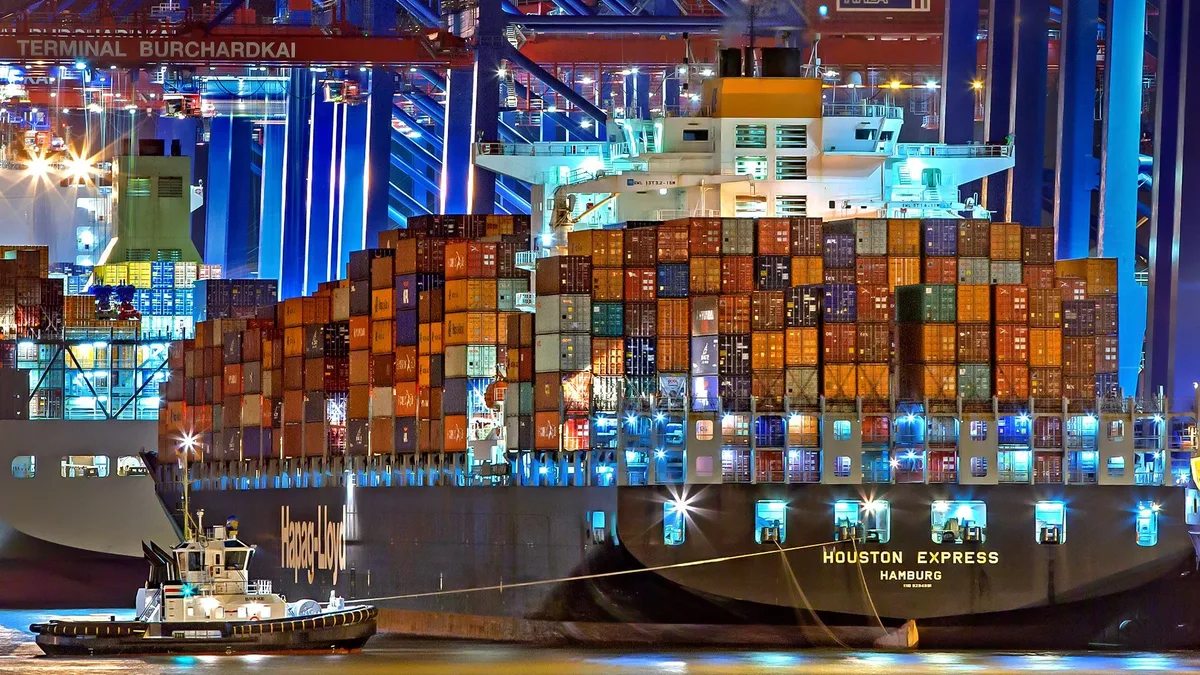
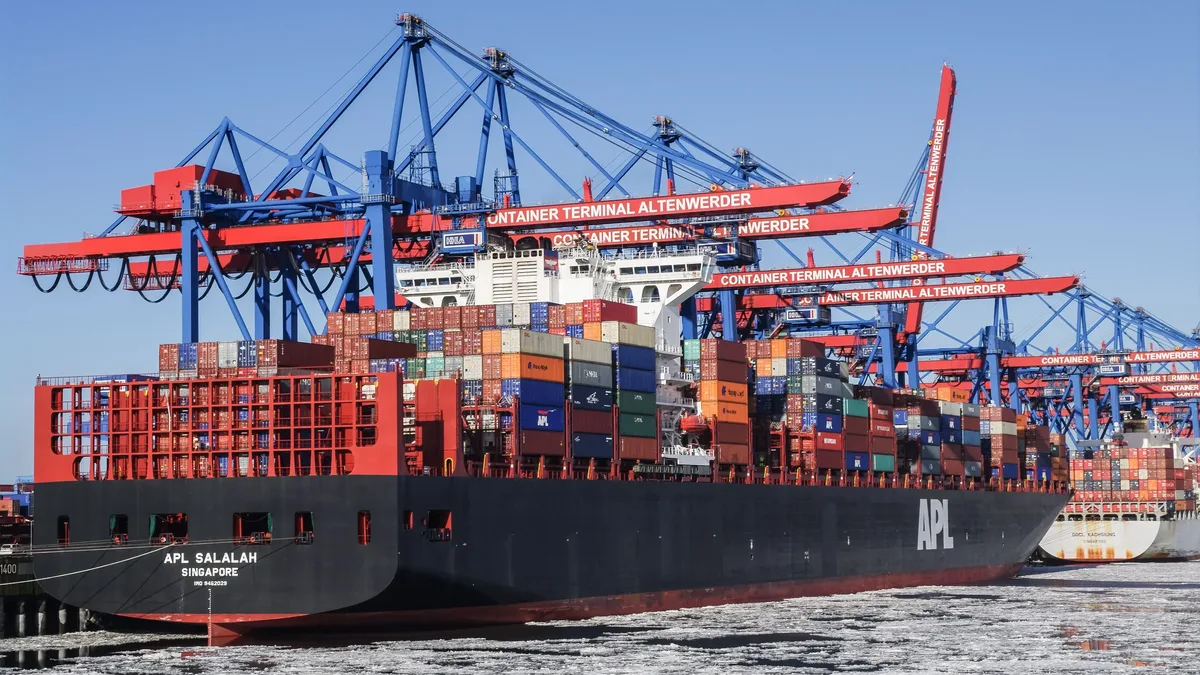
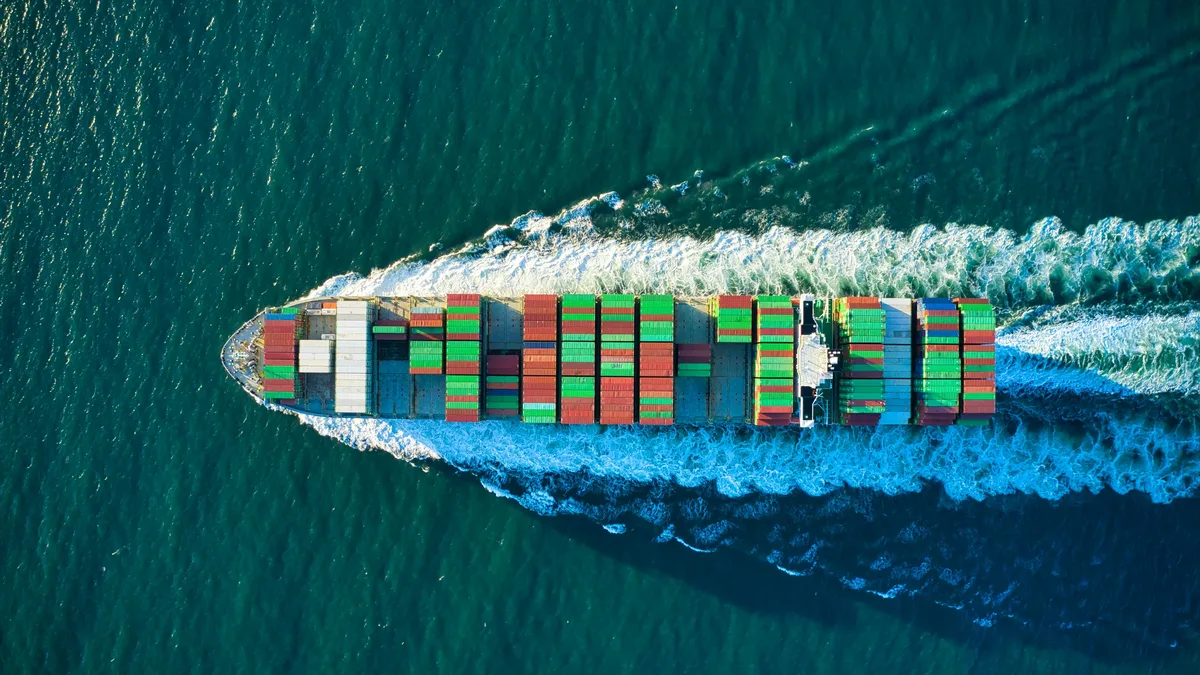
A global containership orderbook now represents almost 40% of the existing fleet, with most new orders for large vessels. The build-up could outpace trade growth, affecting freight rates and port operations.
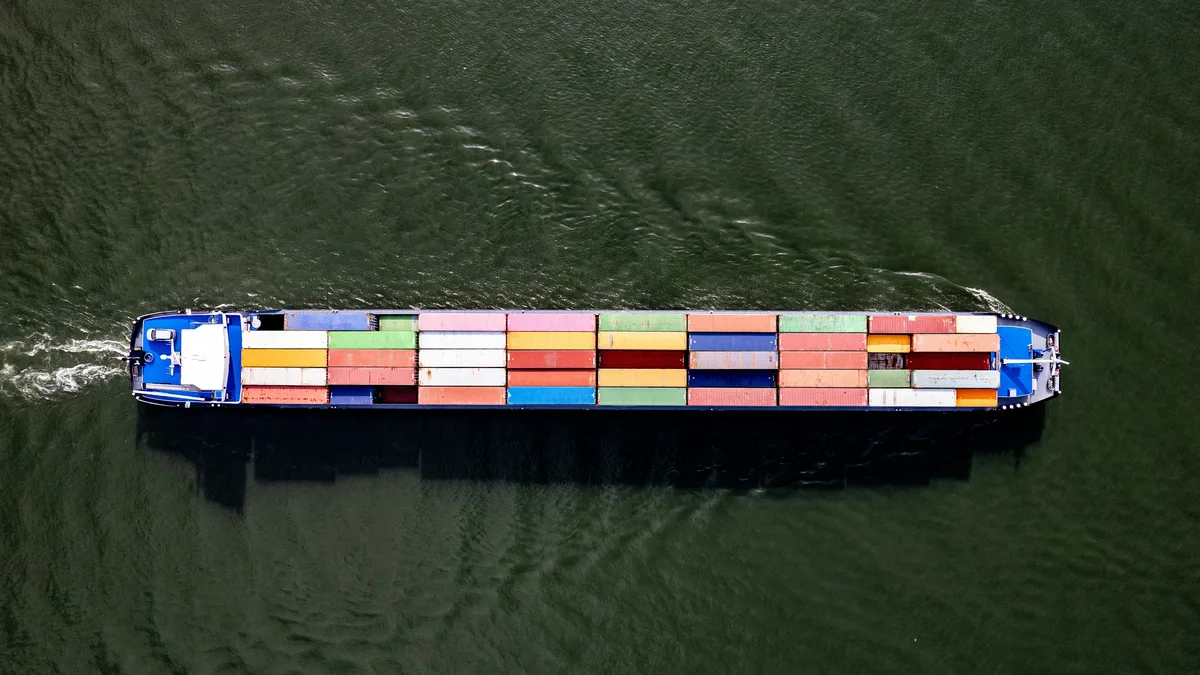
The latest data shows the worldwide containership orderbook has reached roughly 13.1 million TEUs, compared with an operating fleet of about 33.8 million TEUs. That gives an orderbook-to-fleet ratio of 38.7 %, meaning new vessels on order equal nearly two-fifths of current capacity.
The bulk of the new build is in the large-ship segment. Global Ship Lease, using Maritime Strategies International data as of June 30, estimates the ratio at 39.1 % and notes that 55.2 % of the vessels on order are 10,000 TEUs or larger, while 24.7 % are smaller. In the second quarter alone, 164 vessels were contracted, totaling 866,000 TEUs. About 31.5 % of those vessels were in the 1,000-2,000 TEU range.
| Item | Value |
|---|---|
| Orderbook TEU | 13.1 million |
| Operating fleet TEU | 33.8 million |
| Orderbook-to-fleet ratio | 38.7 % |
| Q2 orders | 164 vessels |
| Q2 TEU | 866,000 |
| Ships 10,000 TEU+ | 55.2 % |
| Ships <10,000 TEU | 24.7 % |
| 1,000-2,000 TEU vessels in Q2 | 31.5 % |
The growth in fleet capacity is projected at about 4.2 % for the year, slightly above the expected 3-4 % growth in container trade. If the supply curve continues to accelerate, the gap could widen further in 2027-2029 as deliveries mount.
Fuel and shipyard trends also shape the picture. Chinese yards dominated new-building contracts in Q2 2026, while South Korean yards received only ten orders. Alternative-fuel vessels-LNG, methanol or other options-make up about 65 % of the existing orderbook by TEU capacity, but most new orders in Q2 were conventionally fueled, according to Clarksons data cited by MPC.
The feeder and intermediate market shows a more balanced supply. The median age of the oldest 25 % of vessels in sub-10,000-TEU segments is between 21 and 28 years. If vessels older than 25 years were scrapped, the net growth of that fleet through 2030 would be only about 0.7 %. Charter markets for modern feeders remain firm, and MPC notes that modern feeder tonnage is scarce.
Port and network implications are significant. The new fleet will increase calls by large vessels, raise peak crane demand, and heighten berth and yard pressure. Major maritime hubs that can handle 14,000-24,000-TEU ships will benefit, while smaller regional ports may see a tighter feeder market.
The Red Sea avoidance has added more than 2 million TEUs per year to shipping costs since 2023, as vessels add miles and voyage days. MPC estimates that a return to the Suez route could free up roughly 12 % more TEU-miles.
Carriers may absorb excess capacity through slow steaming, service withdrawals, blank sailings, and redeployment into north-south or regional trades. The orderbook also includes fleet-renewal programs, such as Global Ship Lease’s 15 mid-sized vessels with charters attached, scheduled for delivery from late 2028 through early 2030.
The build-up of large vessels will put pressure on freight markets once disruptions normalize, but carrier consolidation and network rationalisation will also play a role. The orderbook’s focus on 10,000-TEU and larger ships underscores the industry’s exposure on the Asia-Europe, trans-Pacific and other arterial lanes.