Korean Air reshapes cargo strategy
Korean Air is preparing a new cargo strategy following its merger with Asiana Airlines, focusing on an expanded passenger network for belly capacity
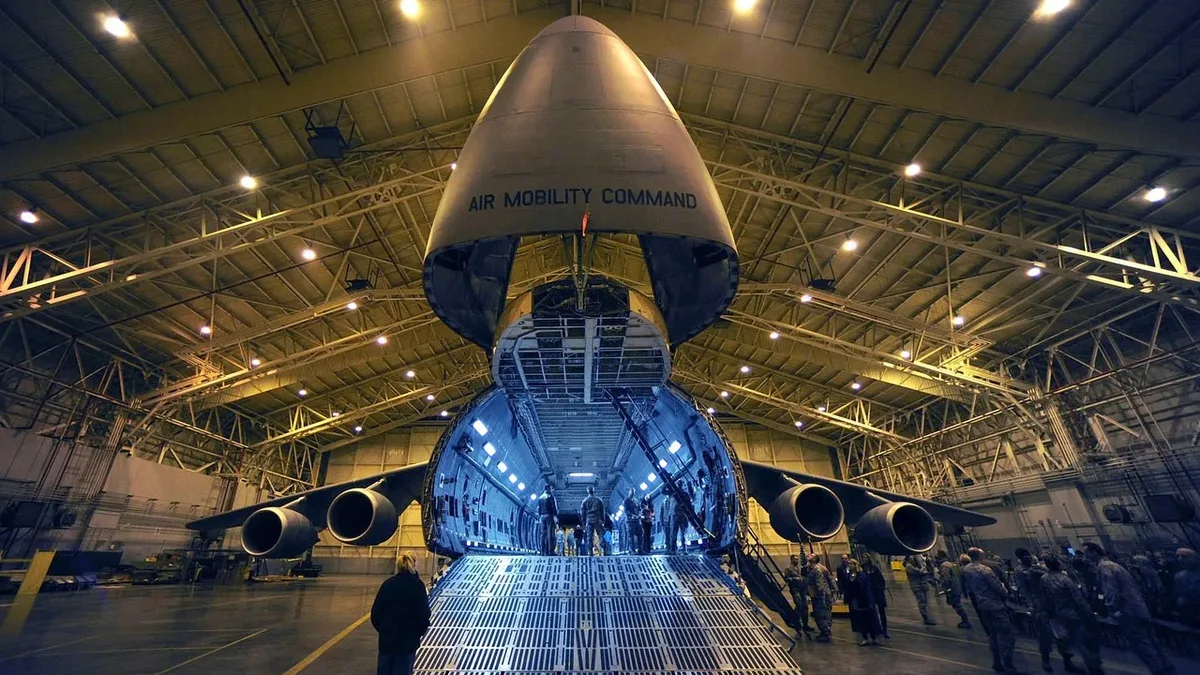
Korean Air will complete its integration with Asiana Airlines on 17 December. The airline told The Loadstar its strategy will use an enlarged passenger fleet for additional belly capacity while its large freighters handle heavier, specialised cargo.
Korean Air is investing in cargo infrastructure at Incheon and New York airports. The investments involve automation and temperature-controlled facilities to increase throughput and support time- and temperature-sensitive shipments like semiconductors and pharmaceuticals.
Infrastructure Upgrades
At Incheon, Korean Air is working with Lödige Industries to introduce fully automated, driverless elevating transfer vehicles (ETVs) and automated guided vehicles (AGVs) for internal ULD movements. The airline is expanding ETV racking and adding dedicated bypass lines to increase throughput and reduce bottlenecks during peak periods. This work is due for completion next month.
The carrier is planning a further upgrade of its cargo terminal at JFK next year. That project will incorporate additional automation and expanded temperature-controlled facilities.
Network and Capacity Strategy
Following the merger, Korean Air plans to pair additional passenger belly space with its freighter network. It said belly capacity would be particularly important on intra-Asia routes, where higher-frequency passenger services could support express and parcel traffic. Its main-deck freighters would be used for heavier, outsize, and project cargo.
Passenger flights can provide frequency and connectivity for shipments where speed and schedule density are important. Dedicated freighters retain the flexibility required for cargo that cannot readily move in the belly hold.
Targeting Technology and Data-Center Traffic
Korean Air has identified a growing opportunity in transpacific technology traffic. It is seeing increasing flows of AI server racks and semiconductor fabrication equipment between North America and Asian technology centers. Specialised components are also moving in the opposite direction, including server hardware from China and South-east Asia, advanced batteries from Japan, and power-supply equipment from Korea.
The airline expects high-density electronic components associated with data-center construction to become an important driver for its belly cargo capacity. Korean Air said the higher frequency of the combined passenger network would help synchronise these fast-moving supply chains.
Building a Digital Ecosystem
Korean Air intends to build an AI-enabled operational ecosystem. This would incorporate smart tracking, IoT infrastructure, and API integration to provide greater visibility across the supply chain.
The airline is focusing on interoperability and standardised data exchange across the cargo ecosystem. The objective is to improve the flow of information between organisations operating with different IT environments and make the physical movement of cargo more efficient.
Asiana’s dedicated freighter operation has been separated from the merger. Korean Air is therefore building its post-integration cargo growth around its own freighter fleet, expanded passenger belly capacity, and upgraded infrastructure.