Bangladesh garment factory closures hit port expansion plans
Labour protests have halted production at around 690 garment factories, disrupting cargo flows to Chittagong port and threatening global shipment schedules, as Bangladesh secures a $336m Chinese loan to expand Mongla port.
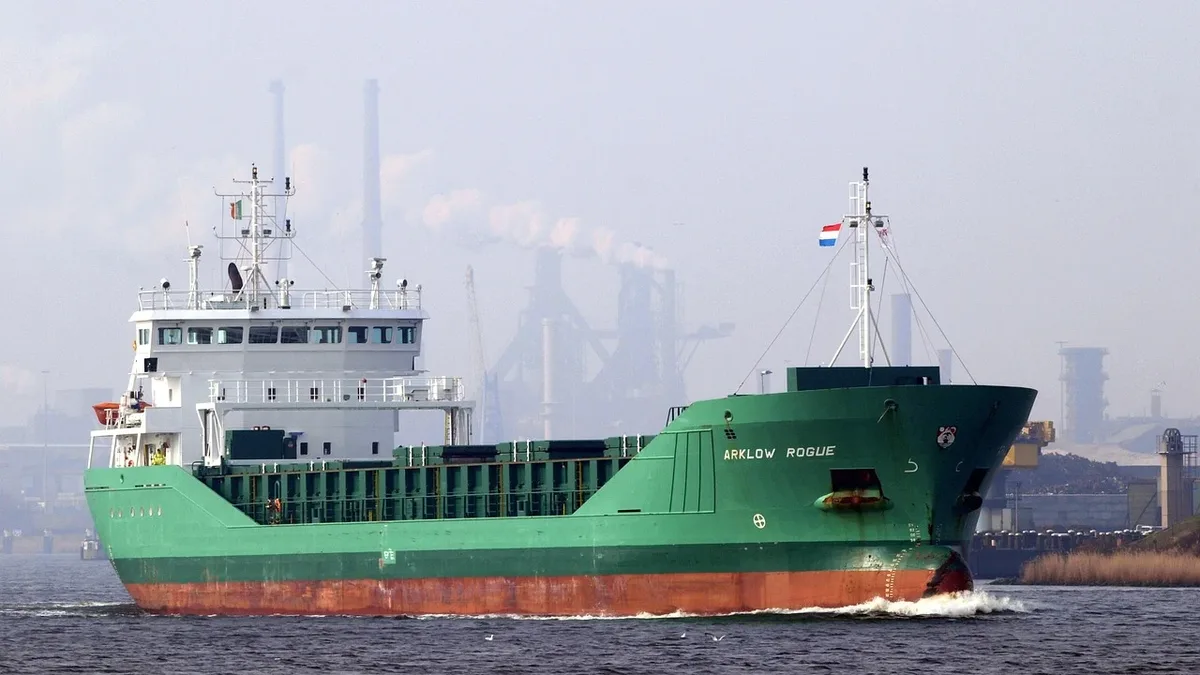
Bangladesh has secured a $336 million loan from China to expand and modernise Mongla port, aiming to improve cargo handling capacity. The investment comes as the nation's critical garment sector faces severe disruption, with widespread labour protests halting production and threatening export schedules.
Factory closures and production halt
Production was suspended at around 690 garment factories. Roadblocks hampered the movement of export cargo from factories in Dhaka to the port. Gazipur Industrial Police superintendent Amjad Hossain said more than 150 factories in his area had closed, with the nationwide closure figure rising to around 690. At least 500 factories had closed the previous day amid fears of vandalism.
Protest dynamics and police response
Workers continued demonstrations on Monday in Dhaka’s Mirpur, Ashulia, Gazipur, and Tongi areas. Police used tear gas and sound grenades to disperse the demonstrators. Clashes between protesters and police in Ashulia left several people injured, including police personnel.
Wage dispute and government response
Workers are seeking a minimum monthly wage of Tk30,000, approximately $250. The government formed a new wage board, headed by a district judge and including representatives of factory owners and workers, to determine a new minimum wage. Labour and employment minister Ariful Haque Chowdhury said the government would formally set up the wage board following discussions with labour leaders and industry representatives. Workers' other demands include food rationing in garment factories, implementation of trade union rights, a judicial investigation into workers’ deaths, and an end to unjustified lay-offs.
Impact on global supply chains
The unrest threatens shipment schedules on two fronts. Factories may struggle to complete orders on time, and finished garments face delays reaching their booked vessels. Prolonged unrest could mean rearranging collections and bookings as cargo readiness dates slip for forwarders. Shipments missing sailing cut-offs could face longer delays, while buyers may have to consider more-expensive airfreight to protect delivery deadlines. There was no confirmed estimate of cargo delays, missed sailings, or additional demand for air transport as yet.
Fazlee Shamim Ehsan, president of the Bangladesh Knitwear Manufacturers and Exporters Association, said the unrest was affecting overseas trade. "Moreover, the ongoing labour movement is hampering production and exports. Buyers are worried," he said. Factory owners have threatened indefinite closures if protests continue. The sector, which employs around four million people and accounts for over 80% of Bangladesh's export earnings, faces mounting operational challenges including higher production costs and energy shortages. The wage dispute comes at a difficult time, with the largest market, Europe, purchasing less due to severe instability. The expectation is that prolonged unrest will require forwarders to rearrange cargo collections and bookings as readiness dates slip.