MSC Baltic III Wreck Moved 53 Meters in Salvage Operation
Salvage crews have pulled the grounded MSC Baltic III containership 53 meters toward the Newfoundland shore as dismantling continues, with 4,200 tonnes of
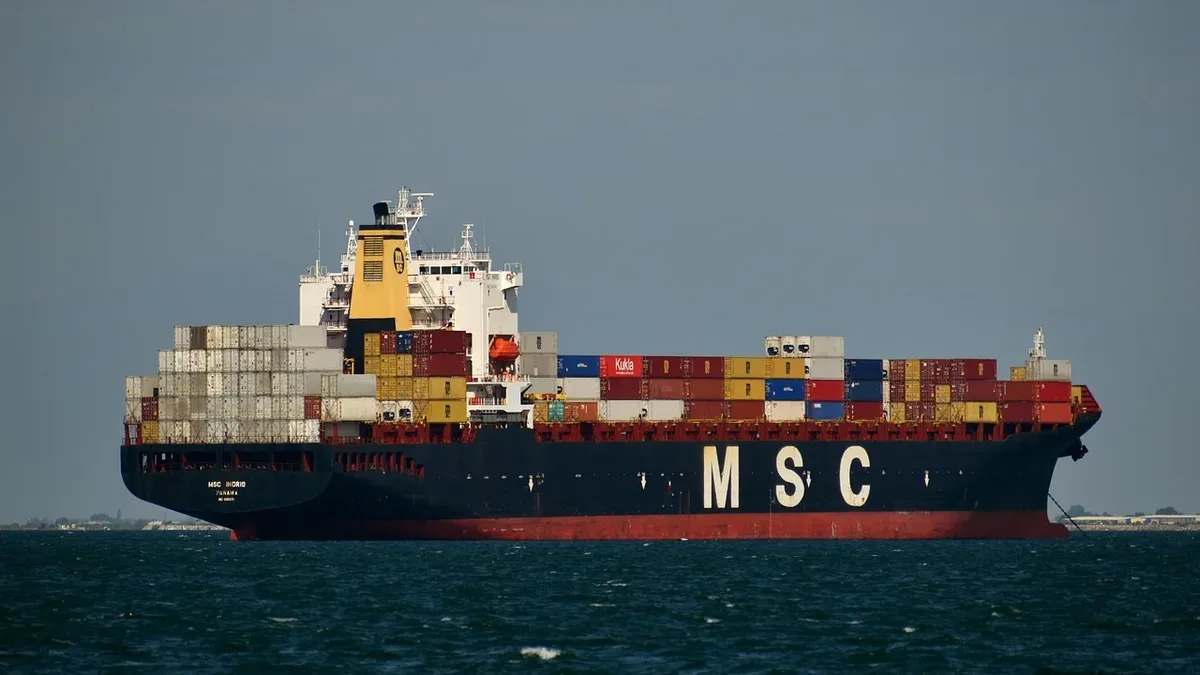
Salvage teams have pulled the wreck of the MSC Baltic III about 53 meters closer to shore near Wild Cove, Newfoundland. The Canadian Coast Guard states that Resolve Marine will continue moving the vessel during high tides to use added buoyancy.
Cutting and lightering work persists onboard. Officials report that roughly 4,200 tonnes of material, equating to about 40% of the wreck's total tonnage, has been removed so far. This operation advances a lengthy salvage response that began after the vessel grounded in February 2025 following a power loss in severe weather.
Salvage Strategy and Progress
Resolve Marine initiated the shore-pulling phase on July 31, following months of preparatory work. The strategy involves deconstructing the ship as it is brought ashore instead of attempting to refloat it. Of the 472 containers originally aboard, 471 have been taken off. One severely damaged container remains with the wreck and is expected to stay until the structure reaches land.
Workers are changing their method of accessing the vessel. They are dismantling an earlier cableway system and now using a temporary gangway from shore. A scrap pad has also been finished along the shoreline to support a crane used in lightering operations.
Environmental Monitoring Continues
Pollution control remains a central concern. The Coast Guard says daily shoreline inspections continue to find limited numbers of tar balls and oily coatings, which are cleaned up when possible. A slight sheen has recently been seen outside the wreck.
Authorities anticipate some pollution during dismantling because residual fuel remains inside the ship's holds, despite the bulk fuel being removed earlier. Absorbent boom has been deployed inside these holds to contain releases. Pollution-response equipment and personnel will stay on site for the operation's duration.
Earlier phases of the work encountered hydrogen sulfide linked to submerged containers, necessitating extra safety measures for workers. Officials previously stated this hazard did not threaten the public.
Background and Safety Priorities
The MSC Baltic III suffered extensive damage and became firmly lodged against the shoreline after grounding. This damage ultimately shifted the response from a potential refloating to a full wreck removal project. All 20 crew members were safely evacuated by helicopter after the incident.
The Canadian Coast Guard maintains oversight of the response, including environmental monitoring and review of the removal work. Authorities reiterate warnings for the public to stay away from the site during ongoing pulling, cutting, and heavy-lifting activities.
"The safety of workers and the protection of the marine environment continue to be the main priorities," the Coast Guard said.