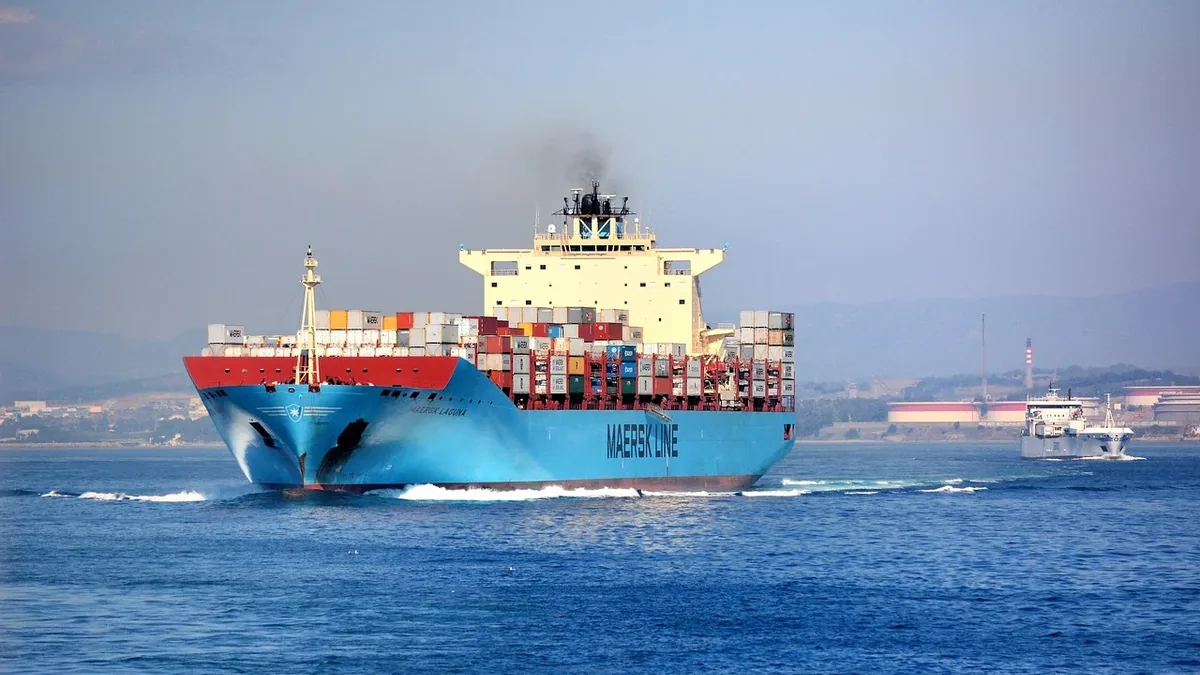
Maersk
| Country of origin | Denmark |
|---|---|
| First created | 1904 |
| Original use | International shipping and logistics |
| Fleet size | Over 700 vessels |
| Container capacity | Ranges from small feeder ships to ultra-large vessels over 20,000 TEU |
| Primary trade lanes | Global, with major routes between Asia, Europe, and North America |
| Service types | Ocean freight, inland logistics, port operations |
| Corporate structure | Publicly traded (A.P. Møller – Mærsk A/S) |
Origin and history
Maersk originates from Denmark, with its founding dating to the early 20th century. The company's origins are firmly rooted in shipping, beginning with the acquisition of a second-hand steamship in the first decade of the 1900s. It was formally established as the Steamship Company Svendborg by Captain Peter Mærsk Møller. The core shipping business expanded steadily in the following decades, focusing initially on tramp trading and later establishing more regular liner services. The company's growth was significantly shaped by the leadership of Arnold Peter Møller, the founder's son, who steered it through global economic fluctuations and wars. The name A.P. Moller - Maersk became synonymous with global maritime transport, evolving from a small Danish operator into a worldwide conglomerate.
What it is designed for
Maersk is designed as a global integrator of container logistics, moving goods from point of origin to final destination. Its core purpose is to provide reliable, scheduled container shipping services connecting major ports worldwide through a coordinated network of vessels. The system is engineered to offer end-to-end supply chain solutions, extending beyond pure ocean transport to include inland logistics, port operations, and customs brokerage. It is built to achieve economies of scale through the deployment of very large container vessels, which lower the cost per unit transported on major trade lanes. The design prioritizes network optimization, ensuring that containers are efficiently routed and equipment is repositioned to meet global demand. Fundamentally, it is structured to offer shippers a predictable and comprehensive service for moving manufactured goods, raw materials, and retail merchandise across continents.
Development and versions
The development of Maersk has been marked by continual technological and operational innovation in vessel design and network planning. A significant milestone was its early adoption of containerization in the 1970s, aligning with the global shift away from break-bulk cargo handling. The company pioneered the deployment of increasingly larger vessel classes, from the first purpose-built container ships to the groundbreaking "Emma Mærsk" class in the mid-2000s, which pushed capacity boundaries. Its network evolved from simple point-to-point services to complex hub-and-spoke systems utilizing strategic transshipment ports to feed smaller markets. The modern version of Maersk involves a strategic pivot from a pure ocean carrier to an integrated logistics company, seeking to control more of the landside supply chain. This development includes significant investments in digital platforms for booking and tracking, as well as the acquisition of land-based logistics and warehousing firms to create a seamless service offering.
Pros and cons
A primary pro of using Maersk is the extensive global network and frequent service schedules it offers on major trade lanes, providing shippers with multiple routing options and reliable departures. Its scale often translates to competitive freight rates for large-volume contracts and access to a vast fleet of containers and specialized equipment. The company's significant investment in digital integration provides customers with visibility and tools for managing shipments through a single interface. A notable con is that its immense size can sometimes lead to impersonal customer service and less flexibility for small or urgent requests compared to niche carriers. Shippers on secondary trade lanes or requiring service to smaller ports may experience less direct coverage and more frequent transshipments, increasing complexity and transit time variability. Common mistakes include over-relying on its brand for all logistics needs without comparing niche service quality on specific lanes, and failing to account for potential congestion at its major hub ports which can cascade delays across its tightly synchronized network.
Who it suits
Maersk particularly suits large multinational corporations and high-volume shippers who require consistent, global coverage and can commit to long-term contracts encompassing multiple trade lanes. It is a strong fit for businesses with standardized, containerized cargo moving between major global hubs, where schedule reliability and network reach are prioritized over the absolute lowest cost. Manufacturers and retailers with complex, international supply chains benefit from its integrated logistics offerings, which aim to simplify management through a single provider. It is less suited to small or medium-sized enterprises with sporadic, single-container shipments, who may find more attentive service and cost-effectiveness with smaller carriers or freight forwarders. Shippers with time-sensitive, specialized, or project cargo requiring exceptional flexibility or direct port calls may also find more suitable partners in niche or multipurpose vessel operators. Ultimately, it suits organizations for whom supply chain predictability and one-stop-shop convenience outweigh the potential trade-offs in personalized service and lane-specific optimization.
Latest Maersk news
Latest reporting
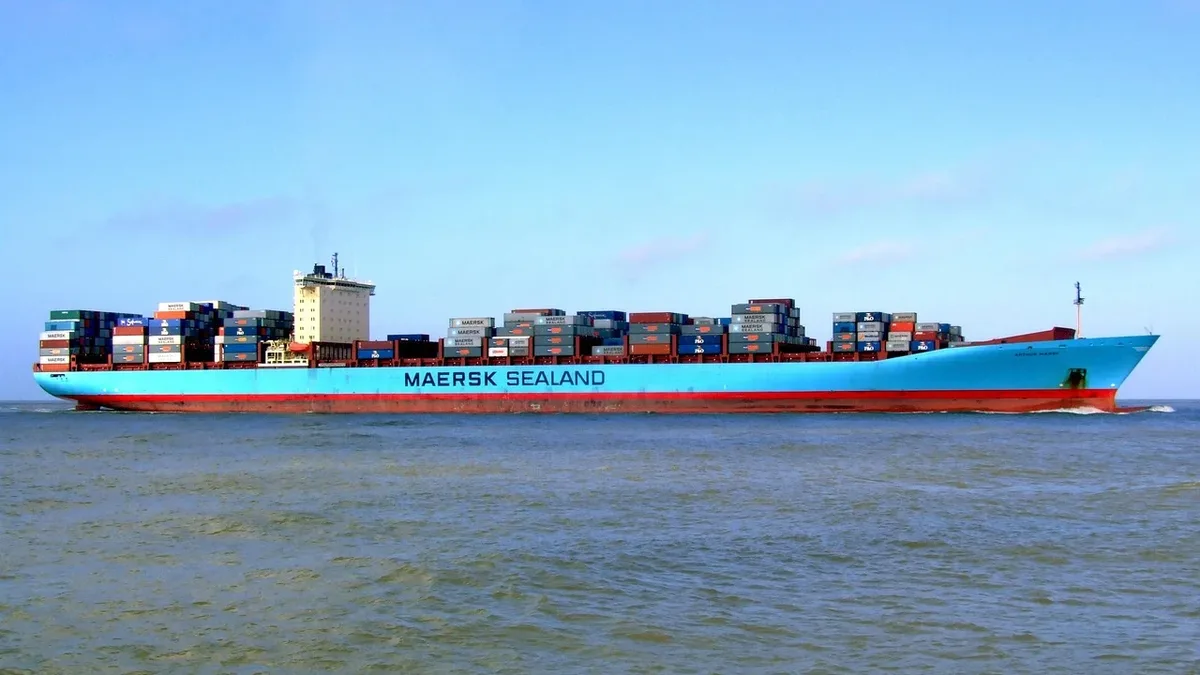
Maersk to Test Rotor Sail on Containership in 2027
Maersk plans to install a 35-meter rotor sail on an 8,700-TEU containership for Atlantic service testing starting in 2027.
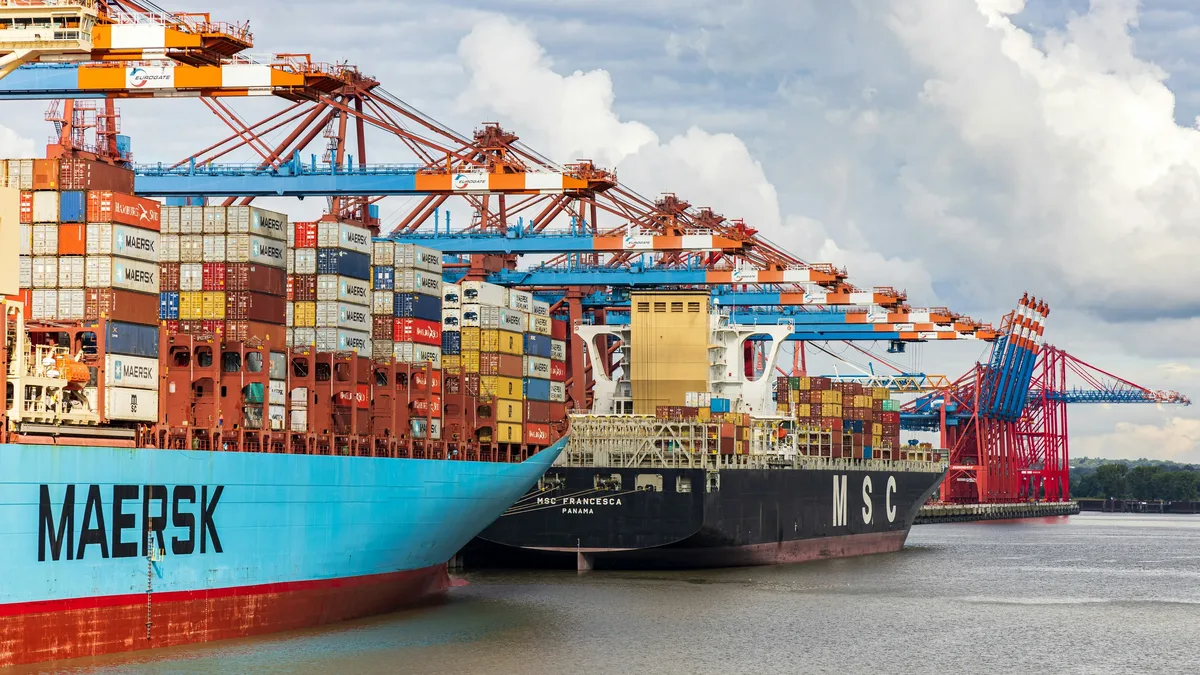
Maersk Rumored to Double Fleet Orderbook with 40 New Ships
Shipping giant Maersk is rumored to be preparing a massive 40-vessel newbuild order, potentially doubling its orderbook to over 2 million TEU.
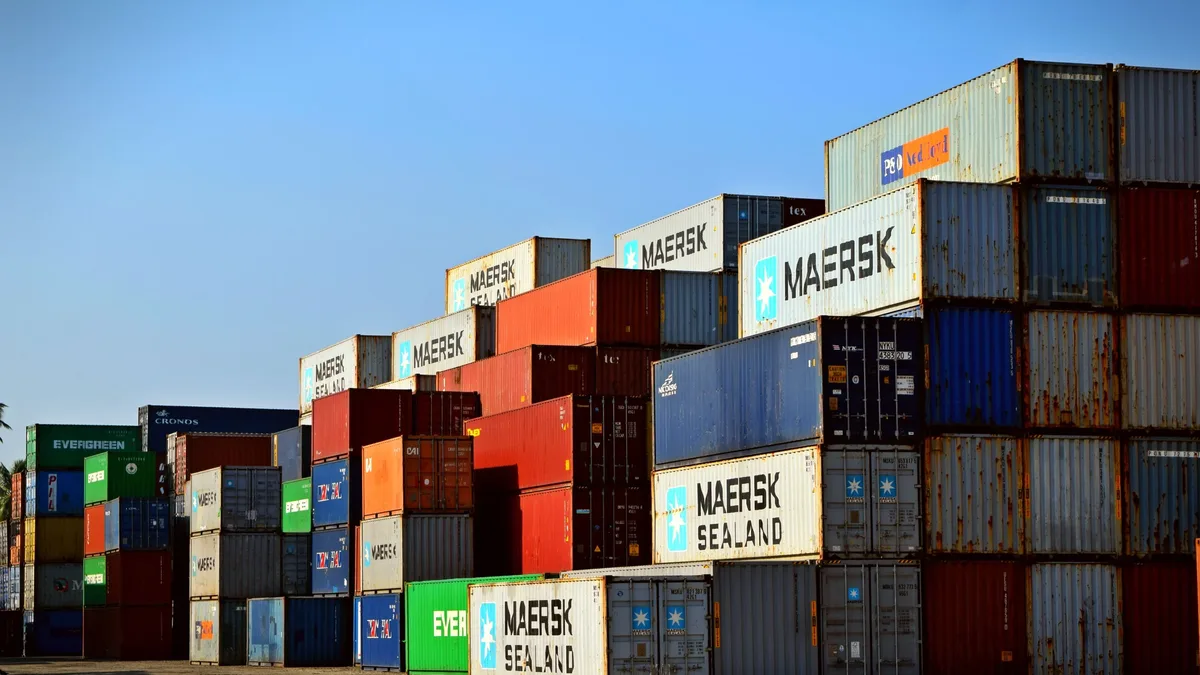
Maersk, CCT execs call for integration to seize LatAm
Executives from Maersk and Evergreen's Colon Container Terminal argue that deeper integration across ports, shipping lines, and land logistics is...
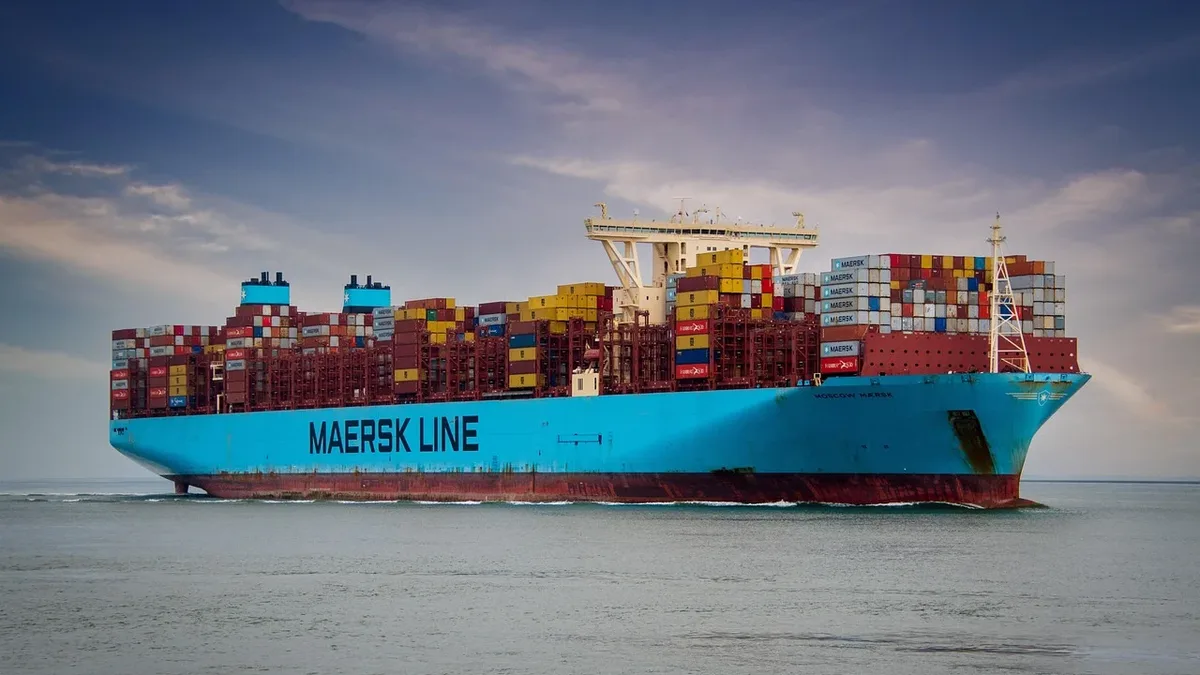
Maersk imposes emergency rates for Hormuz
Maersk has introduced new emergency freight rates and a transit surcharge for containers moving through the disrupted Strait of Hormuz region, with...
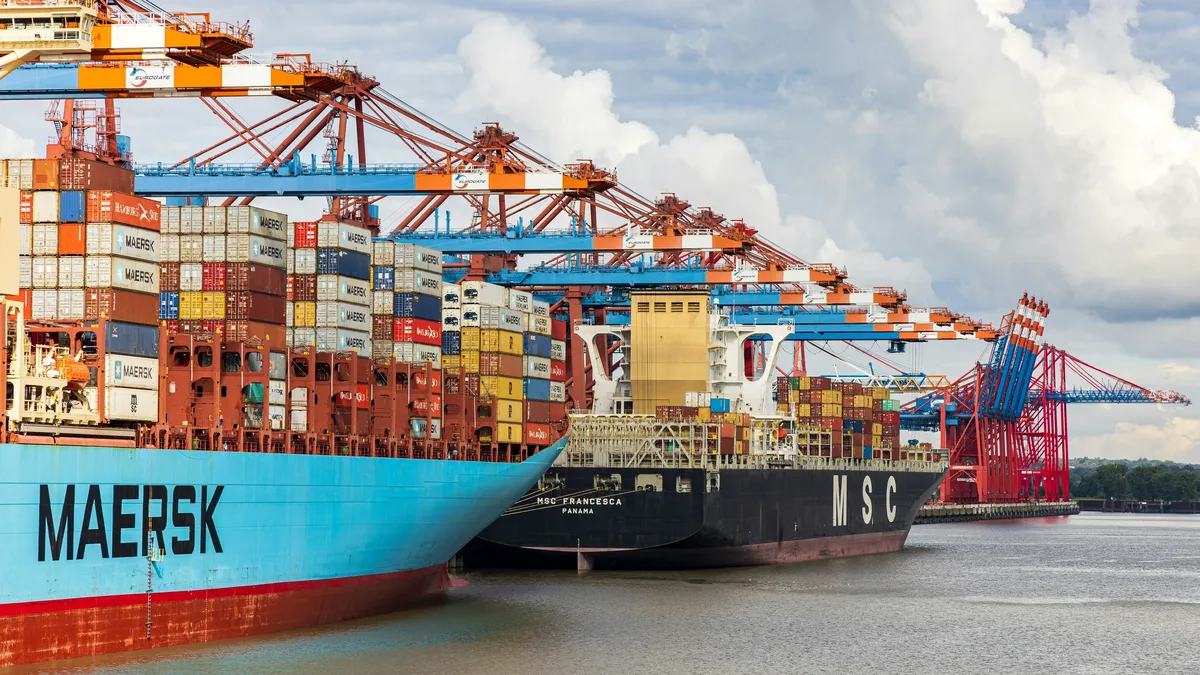
APM Terminals Suape begins commercial
APM Terminals Suape has started commercial operations in Brazil following the first vessel call by the Maersk Ganges.
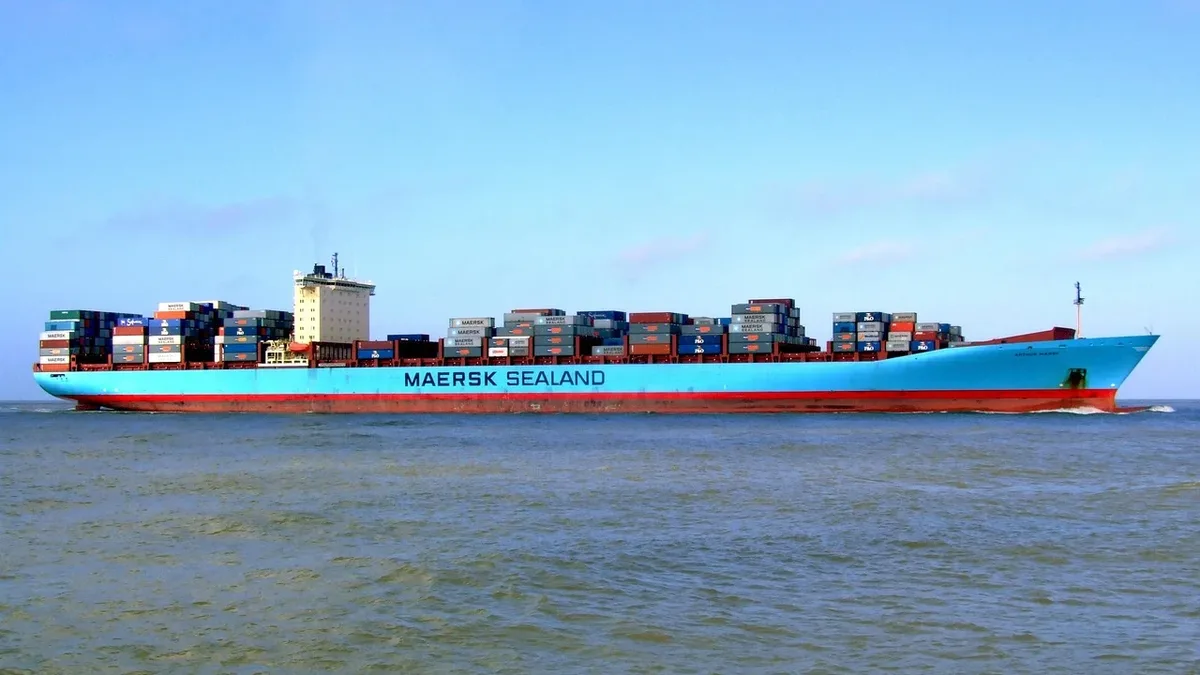
Maersk to Test Rotor Sail on Containership in 2027
Maersk will install a large Rotor Sail on an 8,700-TEU containership in mid-2027 to test wind-assisted propulsion during Atlantic routes.