G7 launches maritime drug trafficking network with 14 ports
France launched a G7-backed global port security network on November 9, uniting 14 ports, G7 nations, Brazil, South Korea, and international organizations to combat maritime drug trafficking through enhanced intelligence sharing and operational coordination.
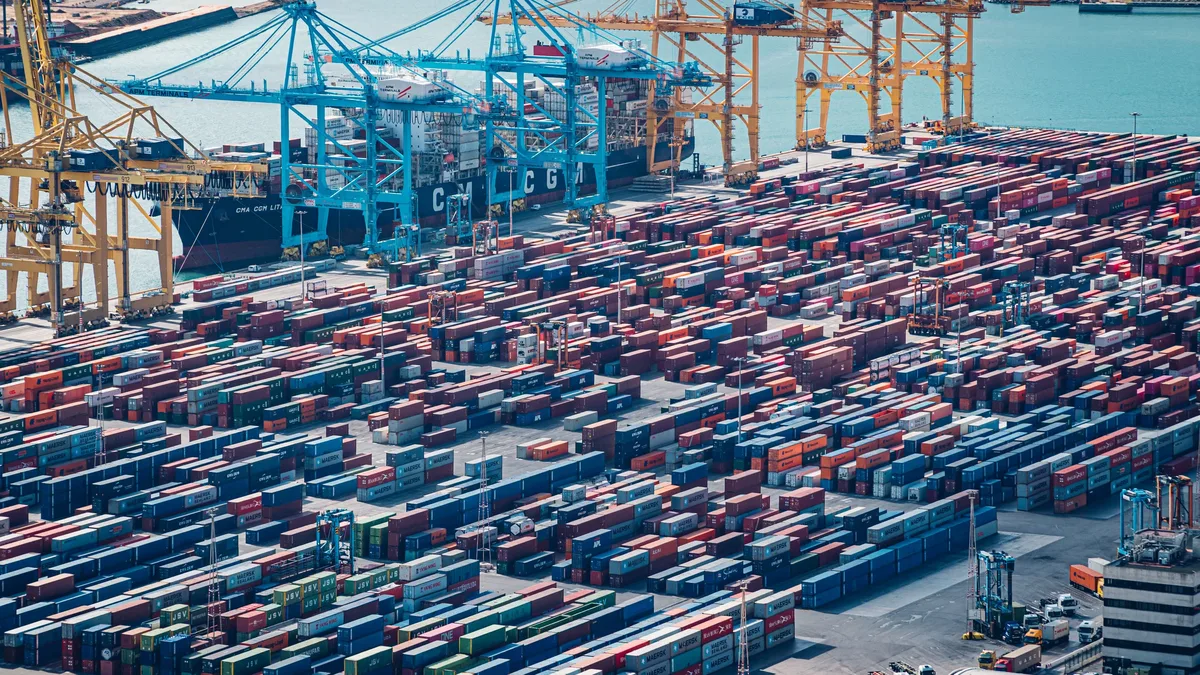
The G7+ Ports Network was formally launched during a meeting of foreign ministers from the Group of Seven in Paris on November 9 to 10. France launched the G7-backed network to combat drug trafficking through global maritime supply chains, bringing together 14 ports and participating countries including Brazil and South Korea.
The network includes the seven G7 members, Britain, Canada, France, Germany, Italy, Japan and the United States, alongside Brazil, South Korea, major international ports and organisations including Interpol, the United Nations Office on Drugs and Crime, the International Maritime Organization and the World Customs Organization. The alliance links these ports, customs authorities and international organizations.
International Partnerships
The network unites G7 nations with Brazil and South Korea. It also involves key international bodies: Interpol, the United Nations Office on Drugs and Crime (UNODC), the International Maritime Organization (IMO) and the World Customs Organization (WCO). This broad coalition aims to tackle a shared threat across the global logistics chain.
Operational Focus
The initiative targets the full drug supply chain through intelligence sharing, route detection and port security cooperation. It aims to improve cooperation against narcotics trafficking through major maritime hubs by targeting the entire supply chain, from production and transit countries to destination markets.
Priorities include improving intelligence exchanges and identifying trafficking routes. The work includes sharing best practices, improving cooperation between law enforcement agencies and port operators, and identifying vulnerabilities in international cargo supply chains. The alliance facilitates faster information sharing between major ports to identify suspicious shipments and disrupt trafficking networks.
Specifically, the network intends to ease intelligence sharing and operational cooperation between ports and customs authorities. It will focus on better detection of containers used by criminal organisations and coordination between maritime, customs and law-enforcement agencies.
French Leadership and Outcomes
France spearheaded the network. French Foreign Minister Jean-Noel Barrot said the network bolsters efforts led by the Ministry of the Interior to tackle drug trafficking. France’s Foreign Ministry stated that 70% of drugs entering Europe arrive by sea and through ports.
The initiative was first proposed at the G7 leaders’ summit in Évian, France, in June. G7 leaders issued a joint declaration in June identifying maritime transport as the primary route for international drug and precursor chemical trafficking. The declaration committed participating countries to strengthening maritime security, improving port resilience, and working more closely with the shipping industry.
Cooperation with countries in North Africa and the Middle East resulted in more than 20 people being extradited in 2025. France handled 20 requests to board vessels suspected of drug trafficking on the high seas in 2025, resulting in seizures of nearly 40 metric tons of narcotics, almost entirely cocaine.
The G7 initiative calls for stronger efforts to prevent criminal infiltration of port authorities and private businesses. It also seeks enhanced financial investigations targeting drug trafficking proceeds. The initiative places additional attention on the security of commercial ports, containerized cargo, and international logistics operations, seeking cooperation from shipping companies and terminal operators.
The network will coordinate with existing initiatives, including the European Ports Alliance, and draw on standards such as the IMO’s ISPS Code. France’s Foreign Ministry said: "the network is holding its first meeting in Marseille alongside the November 9-10 G7 ministerial gathering in Paris." This first meeting will establish operational protocols for intelligence sharing and port security coordination.