Air cargo demand up 6% in August, rates ease
Global air cargo demand grew 6% year-on-year in August 2026, maintaining a strong summer. Spot rates averaged $3.13 per kg, still 24% higher than a year ago, though the pace of increase slowed for a third month. Analyst Xeneta says it remains a seller's market, with shippers waiting for faster rate declines.
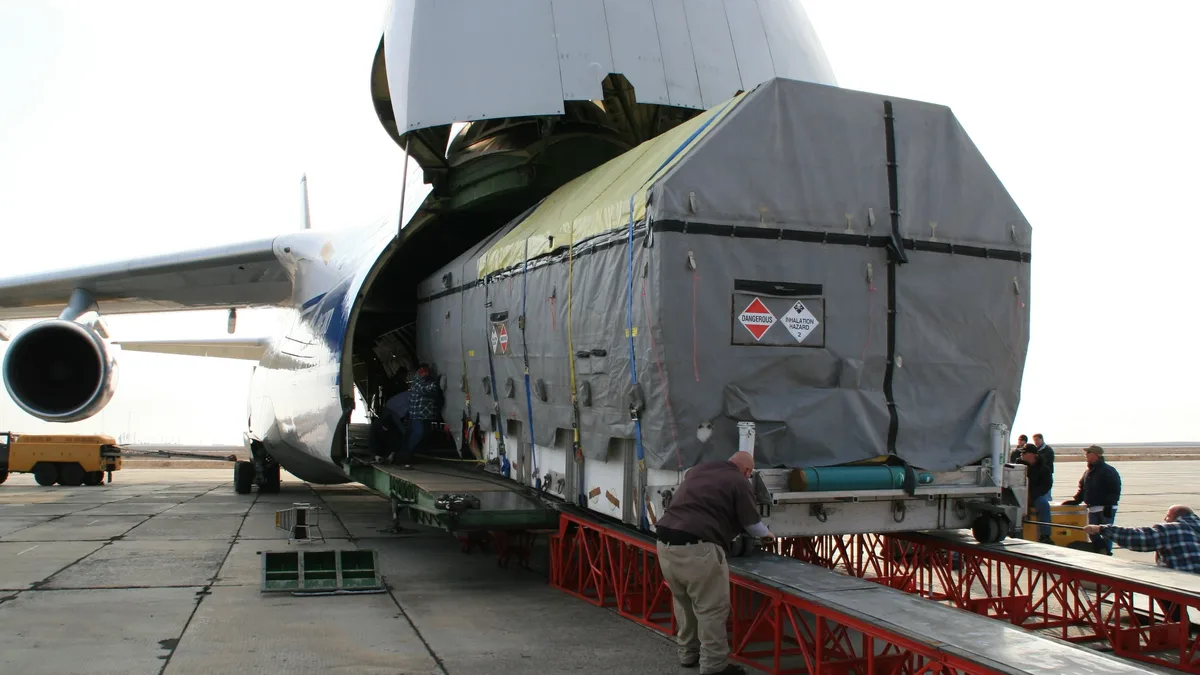
Global air cargo demand grew 6% year-on-year in August 2026, according to analysts Xeneta. This follows a 5% rise in July, extending what the firm calls a 'hot summer' for the market and delaying a sharper drop in raise freight rates for shippers.
Average global air cargo spot rates stood at $3.13 per kilogram in August. This was 24% higher than in August 2025, though the pace of year-on-year growth eased for a third consecutive month. Spot rates also fell 3% compared to July, a smaller monthly decline than the 6% drop seen the previous month.
Xeneta's chief airfreight officer, Niall van de Wouw, said the market perspective depends on one's position. "Rates are easing their way down month-on-month, and the gap to last year’s levels is narrowing, perfectly in line with what we expected," he stated. He added that airlines would hope to hold at current levels until the busier season. However, he noted shippers feel they are owed lower prices. Van de Wouw said Xeneta sees air freight rates declining further, just not as quickly as shippers want, calling it a seller's market.
Shippers are buying more short-term capacity, waiting for the monthly rate decline to accelerate. The descent is gradual because demand growth continues to outpace supply, and jet fuel prices have risen recently. Capacity in August was flat year-on-year. Xeneta's dynamic load factor, which measures capacity utilisation, was three percentage points higher than in August 2025, at 61%.
E-commerce decline impacts rates
The most notable structural shift is a decline in e-commerce volumes. Analysis by Xeneta and the Trade and Transport Group of China Customs data shows China's low-value and e-commerce exports fell 11% year-on-year in July 2026. Exports to Europe dropped the most, down 25% year-on-year. Xeneta links this sharp decline to the European Union's removal of its €150 duty-free threshold for low-value goods on 1 July 2026 and the introduction of a flat €3 per item duty.
Van de Wouw believes this negative reaction will be short-lived. He pointed to the US market, where a similar removal of its de minimis threshold in 2025 caused an initial dip in China's e-commerce exports, which have since recovered to stand 23% higher year-on-year as of July 2026. He expects a similar recovery for China-Europe volumes.
The freight market is already feeling the impact of lower e-commerce volumes. Key trade lane spot rates from China and Asia to Europe fell in August.
| Corridor | August Spot Rate (avg.) | Month-on-Month Change |
|---|---|---|
| China to Western Europe | $3.85 per kg | Down 6% |
| Northeast Asia to Europe | Not specified | Down 3% |
| Southeast Asia to Europe | $4.20 per kg | Down 7% |
Diverging corridor performance
On other major trade lanes, rates are being driven by supply and demand dynamics rather than fuel costs. In late August, spot rates into the Middle East remained far above levels seen in late February 2026, before regional conflict.
| Origin to Middle East | Rate vs. Late-February 2026 |
|---|---|
| South Asia | Up 100% |
| Europe | Up 66% |
| Northeast Asia | Up 21% |
| Southeast Asia | Up 20% |
On the transpacific, AI-related shipments continue to support the market. Spot rates from Northeast Asia and Southeast Asia to North America were 36% and 34% above late-February levels, respectively. The Northeast Asia to North America lane averaged $5.76 per kg in August, up 2% month-on-month.
The transatlantic told a different story. Abundant summer belly capacity kept Europe to North America spot rates 25% below late-February levels, though they firmed slightly, rising 2% month-on-month in August.
Van de Wouw said only external events could disrupt the current favourable conditions supporting air cargo's resilience. Despite market noise, he believes global air cargo market growth remains on course for 4% in 2026. He concluded that after major disruptions, a period of relative calm should be celebrated and the resilience of air freight appreciated.