Port congestion removes 2.3 million teu of shipping capacity
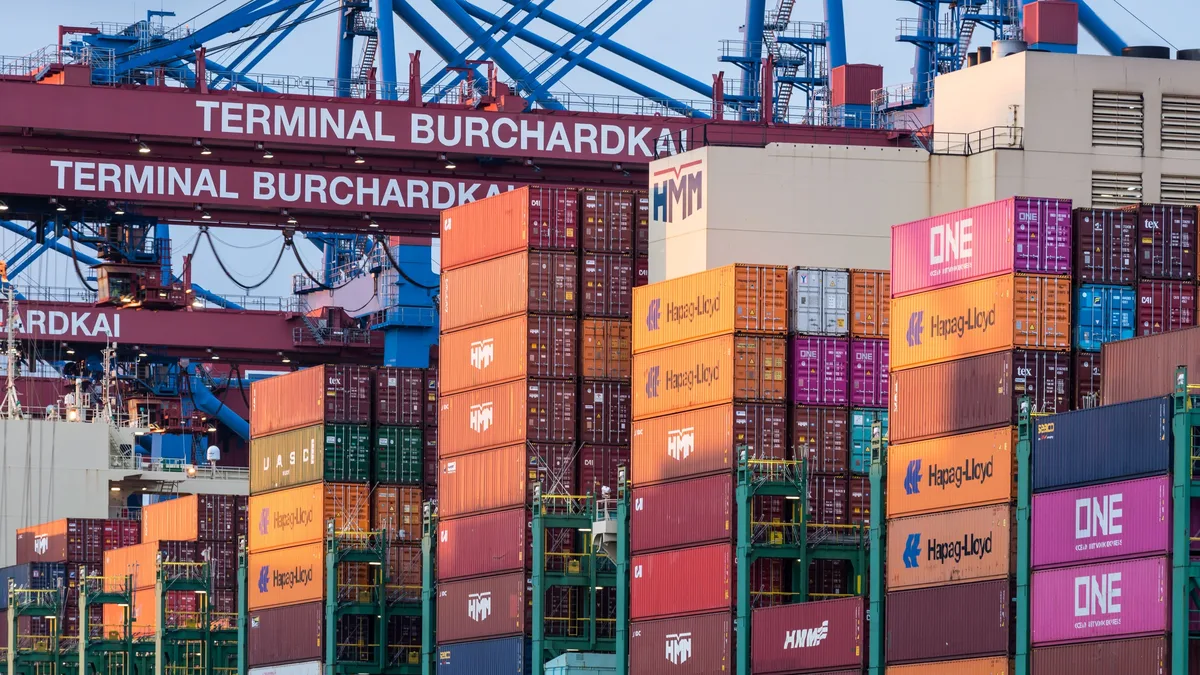
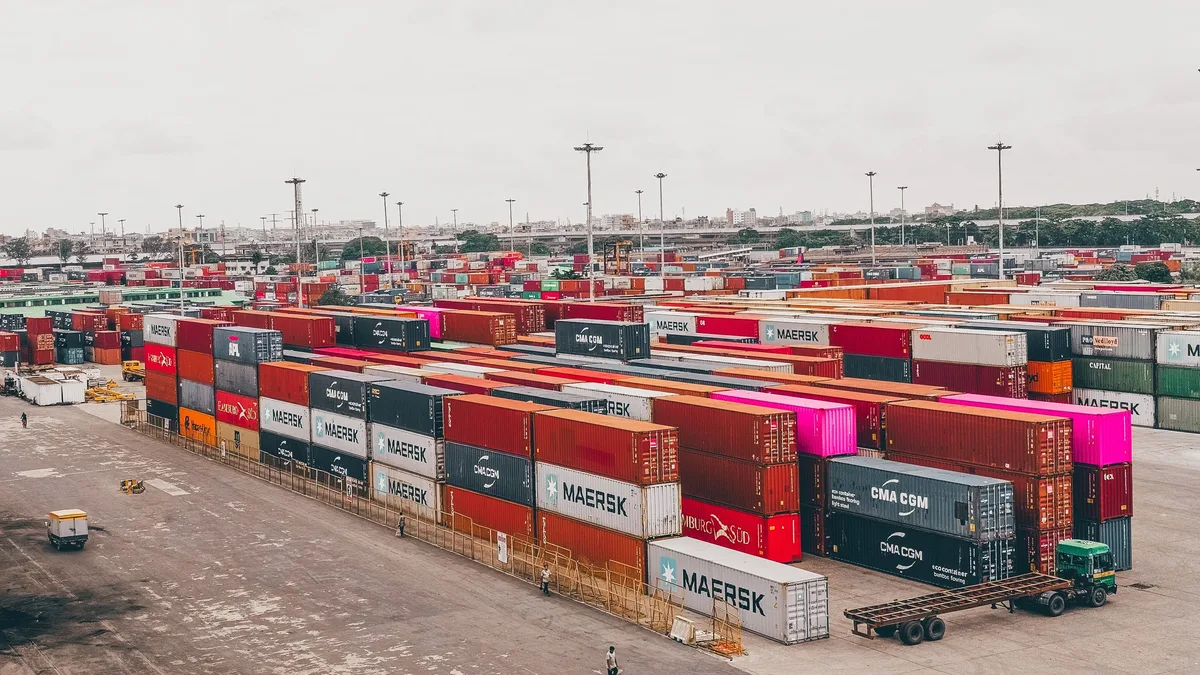
Severe port congestion and vessel delays have effectively taken 2.3 million teu of container ship capacity off the market, according to Sea-Intelligence.
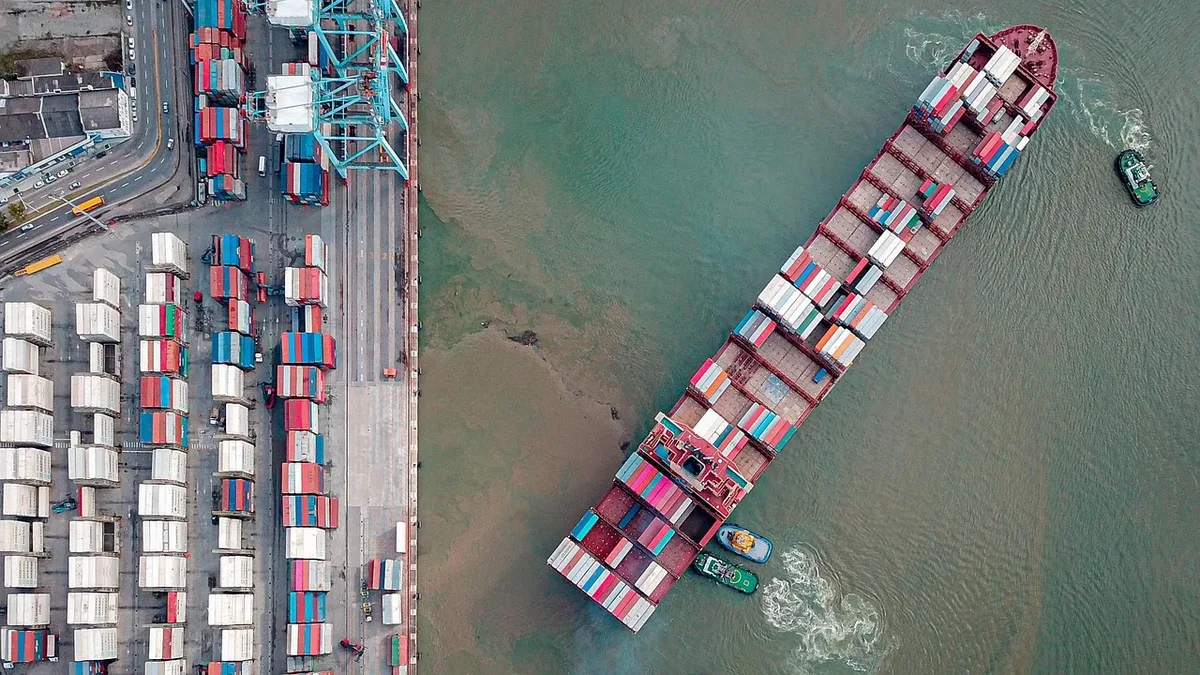
Container shipping schedule reliability has suffered its sharpest monthly decline in over five years. According to Sea-Intelligence's latest Global Liner Performance data, reliability plummeted to 56.4% in July, its lowest level since February 2025.
The average delay for late-arriving vessels extended to more than six days. Excluding the immediate aftermath of the January 2024 Red Sea crisis, delays of this magnitude have only been seen during the worst pandemic disruption.
Sea-Intelligence states this means 6.6% of the global container fleet is effectively unavailable. This equates to roughly 2.3 million teu of capacity, which is the size of the world's sixth-largest carrier. Before the pandemic, vessel delays typically absorbed only about 2.2% of global capacity, putting the current figure more than four percentage points above the structural baseline.
The immediate causes
The immediate cause is largely seasonal. A succession of typhoons has disrupted operations at major Asian ports. Sea-Intelligence estimates that, based on pandemic and Red Sea crisis experience, it could take between 4.5 and six months to reduce congestion back to the low point recorded in June 2025. Returning to end-2025 levels might take two to 3.5 months.
Consultancy Braemar suggested the congestion issue is currently localized rather than global. It noted pressure on Shanghai and Ningbo, with Santos as another hotspot. Northern European gateways, however, are generally seeing vessel waiting times measured in hours or a few days, not pandemic-style queues.
Congestion versus capacity loss
Braemar also noted that congestion does not automatically equal permanently lost capacity. Cargo can be shifted to another sailing, service, or carrier. This is particularly possible across the six major east-west trades, which together deploy around 1,378 vessels with 15.7 million teu of capacity.
For now, evidence points to pockets of congestion rather than a global capacity squeeze. The consultancy warned, however, that the relationship between ship size and port infrastructure will grow in importance as newbuilds enter service.
The global container fleet represents roughly 1,500 km of vessel length. The current orderbook adds 419 km, almost 28% of the existing fleet length, as much new capacity is on larger ships. Braemar warned the industry is therefore adding not only capacity but vessel length, increasing demand for berths, cranes, and yard space.
A warning from the data
Sea-Intelligence provided a stark summary of the broader market outlook. "Normalisation of the Red Sea will create a sharp drop in demand, when distance is taken into account." the analyst said.
The firm stated this does not necessarily mean a market crash, but a downturn is likely even as carriers attempt to stem the tide. Sea-Intelligence observed a pattern, noting that at the top of every market cycle, carriers argue why the orderbook is not a problem, claiming 'this time is different.'
"Yet, in every previous cycle, for the past decades, it was never different," the analyst concluded. "Of course, this time might be different indeed. But when we look at the numbers, we get a distinct feeling of déjà vu."