Fed Rate Hike Raises Costs for Freight Industry
The Federal Reserve's latest interest rate increase will raise capital costs for carriers and cool consumer demand, directly impacting logistics volumes
The Federal Reserve raised its benchmark interest rate on September 16, pushing the cost of capital higher for an industry built on financed equipment and revolving credit. The Federal Open Market Committee increased the target range for the federal funds rate by 25 basis points to 3.75%-4.00%, a move Fed Chair Kevin Warsh said was necessary because inflation has been "too high and has been for too long."
The mechanics of the rate hike
The Fed uses a system of administered rates to enforce its target range. Effective September 17, several key rates moved in lockstep. The interest rate on reserve balances for banks rose to 3.90%. The overnight reverse repo rate, a floor for non-bank entities, increased to 3.75%. Both the primary credit discount rate and the Standing Repo Facility rate moved to 4.00%. The actual traded rate, known as the effective federal funds rate, is expected to settle just below the new 3.90% floor for banks.
| Rate Name | New Rate (Post-Hike) | Previous Rate | Key Function |
|---|---|---|---|
| Federal Funds Target Range | 3.75% - 4.00% | 3.50% - 3.75% | Policy benchmark set by the FOMC |
| Interest on Reserve Balances (IORB) | 3.90% | 3.65% | Risk-free floor rate for banks |
| Overnight Reverse Repo (ON RRP) Rate | 3.75% | 3.50% | Risk-free floor rate for non-banks |
| Primary Credit (Discount) Rate | 4.00% | 3.75% | Ceiling rate for bank borrowing from the Fed |
| Standing Repo Facility (SRF) Rate | 4.00% | 3.75% | Backstop rate for banks and primary dealers |
How higher rates cool the economy
The transmission of higher rates is straightforward. Banks face a higher cost of funds, which they pass on through increased loan rates. This raises the cost of borrowing for both consumption and investment, slowing economic activity. Tighter credit growth reduces upward pressure on prices. Also, higher U.S. Rates tend to strengthen the dollar, lowering the cost of imports and dollar-denominated commodities.
Direct impacts on logistics and freight
Every link in the economic chain eventually reaches freight, according to the analysis from FreightWaves. Higher interest rates increase the cost of carrying inventory. This pushes shippers toward leaner, more frequent replenishment strategies, which can be a headwind for freight volumes initially. However, thinner inventory buffers can lead to sharper freight spikes later.
Rate-sensitive sectors like housing and durable goods are usually the first to soften. This directly impacts demand for flatbed trucking, building materials transport, and appliance-linked truckloads. On the supply side, carriers financing tractors, trailers, and warehouse automation face a higher cost of capital. This can slow fleet renewal and capacity additions, a tightening effect that often shows up in spot rates well after the initial hike.
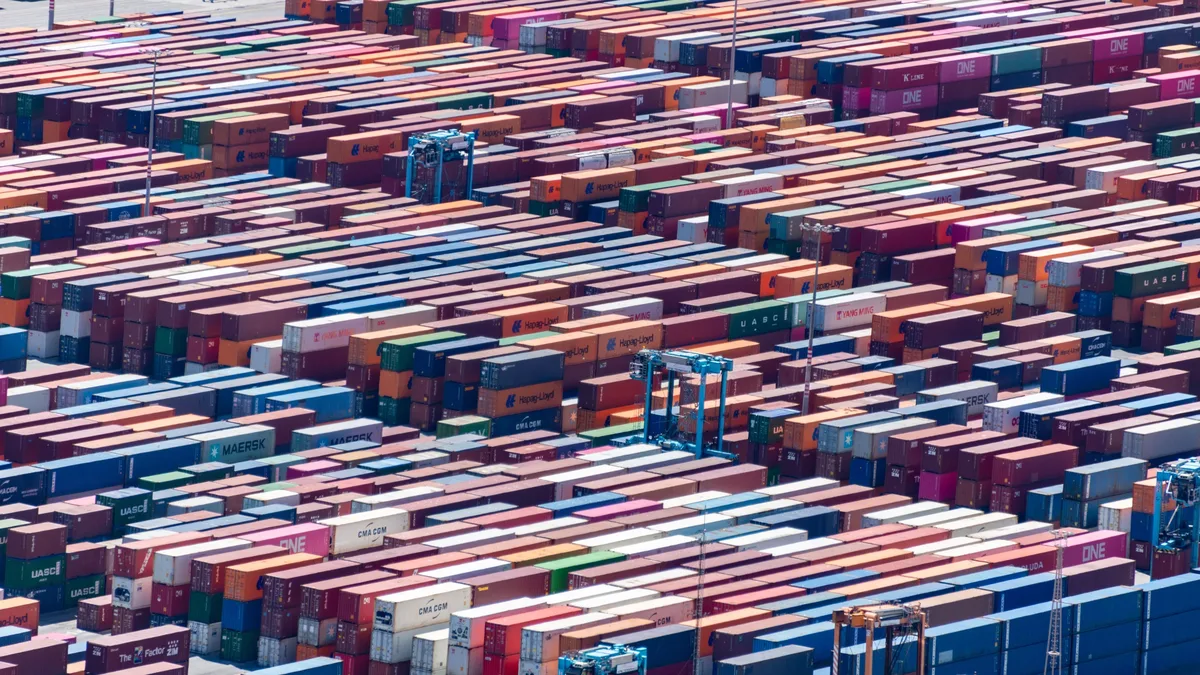
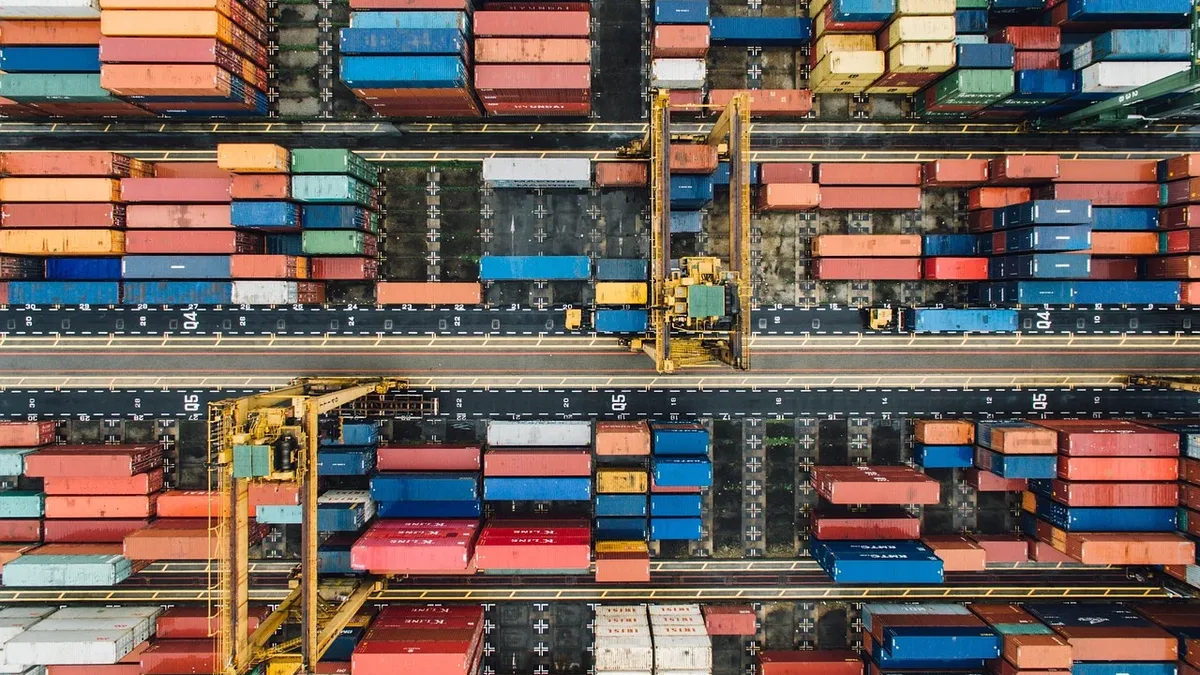
Thinly capitalized small carriers, which often rely on revolving credit for fuel and payroll, feel this pressure fastest. Higher rates can accelerate the capacity exits that are common during freight downturns. A stronger dollar presents a mixed picture for international logistics. Cheaper imports can support container volumes into the U.S., while more expensive U.S. Exports can dampen outbound demand.
Put together, this rate hike works against inflation partly by cooling the very demand that moves freight, while simultaneously raising the cost of financing the equipment that hauls it. The lag between monetary policy changes and their full effect on freight cycles is a critical factor for anyone planning capacity twelve months out.