Canada shifts sourcing to EU, UK amid US
Canadian importers are testing shipments from Europe to replace tariff-hit US goods, driven by new trade pacts and punitive cross-border duties.
Canadian importers are beginning to pivot their sourcing from the United States to Europe and the United Kingdom. This shift is a direct response to punitive new tariffs and is being facilitated by recent trade agreements, according to forwarder Speed Global Logistics.
Steffen Manz, founder and CEO of Speed Global Logistics, told The Loadstar that the US 50% tariffs on Canadian goods and Canada's targeted retaliation have provoked this change. He said the immediate push is coming from industrial manufacturing, automotive components, and consumer packaged goods. "Essentially, any sector where the margins are razor-thin and recent 25% to 50% tariffs erase profitability," Manz explained.
Testing the waters with new trade lanes
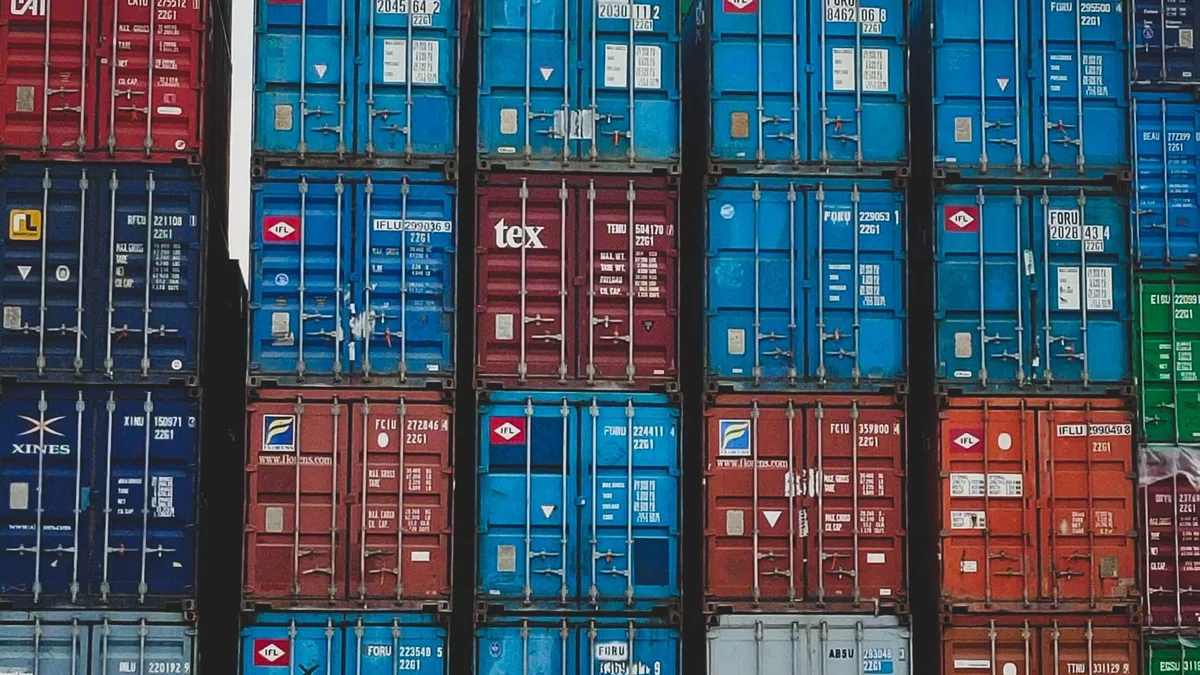
Manz noted that shippers are not making massive, overnight shifts in total container volumes. Instead, they are testing the waters with trial batches. These involve a few twenty-foot equivalent units (TEU) or less-than-container load (LCL) shipments from the European Union. The goal is to evaluate transit times and total landed costs.
"You can’t just flip a switch," Manz said. He explained that companies must vet new suppliers, align technical specifications, and adjust to longer transit lead times. Moving from a two-day cross-border truckload to a 14-to-21-day ocean voyage forces a complete re-engineering of inventory carrying costs and warehouse capacity.
Disruption and friction at the US border
The new tariffs have caused immediate and messy disruption to US-Canada cross-border freight flows. Manz described the situation as highly disruptive, and messy. On the ground, there is significant friction at the borders. Customs brokers are buried under complex paperwork as they try to determine tariff exemptions.
Cross-border freight volumes have softened on certain lanes as companies pause shipments to wait for clarity. The retaliatory tariffs have created a tit-for-tat atmosphere. For forwarders, this means asset utilisation for cross-border trucking is fluctuating wildly. More time is now spent consulting with clients on compliance and tariff mitigation rather than simply moving freight.
Trade agreements provide a safety valve
Political developments are creating new opportunities. The formal entry of the UK into the Comprehensive and Progressive Agreement for Trans-Pacific Partnership (CPTPP) on 1 September is significant. Under this pact, the UK and Canada now trade. This, alongside the existing Canada-EU Comprehensive Economic and Trade Agreement (CETA), creates a favourable regulatory corridor across the Atlantic.
The trade agreements provide an excellent structural safety valve, Manz said. He noted that these pacts make British and European goods financially competitive with US alternatives, even when ocean freight costs are factored in.
From a forwarder's perspective, this will shift the mode mix. The industry anticipates less cross-border over-the-road trucking and an increase in inbound maritime volumes into Canadian East Coast ports like Montreal, Saint John, and Halifax. An uptick in transatlantic air freight for high-value, time-sensitive goods is also expected.
A structural realignment, not a temporary reaction
The motivation to look to Europe is now one of pure survival, according to Manz. With cross-border trade becoming punitive and unpredictable, EU sourcing under CETA offers duty-free stability. He expects this shift to accelerate through the fourth quarter and into next year.
Supply chain managers detest volatility more than high costs. Manz argued that even if the US and Canada resolved their disputes, the psychological damage is done. Supply chains have deep muscle memory. Shippers realised they were dangerously over-exposed to a single trading partner.
Business-to-business buyers are now actively diversifying their supplier portfolios as a risk-mitigation strategy. This means the pivot to Europe is not a temporary knee-jerk reaction. It is a structural realignment of Canada's freight flows.