General Rate Increases And How They Stick
| Trade lane | Asia to North America |
|---|---|
| Current cost indicator | Freight All Kinds (FAK) rate |
| Rate increase mechanism | Carrier-issued General Rate Increase (GRI) |
| Typical GRI magnitude | Hundreds of US dollars per forty-foot equivalent unit (FEU) |
| GRI implementation lead time | Typically 30 days |
| GRI success rate | Varies by market conditions |
| Primary GRI drivers | Capacity management, fuel costs, operational expenses |
Origin and history
The practice of General Rate Increases (GRIs) originated within the global container shipping industry, primarily driven by the major ocean carrier alliances. Its formalized use as a standard pricing mechanism became entrenched in the late 20th century, particularly following the deregulation of the U.S. ocean freight market in the 1980s and the subsequent rise of confidential service contracts. The historical foundation lies in the conference system, where groups of shipping lines collectively set rates, a model that evolved into today's more independent but parallel announcements. The concept of "how they stick" refers to the market's variable adherence to these announced increases, a dynamic studied and documented by industry analysts and shippers since the 1990s. This mechanism is not geographically bound to one country but is a global standard practice developed by carriers headquartered in Europe and Asia. Its history is intertwined with the cyclical nature of shipping supply and demand, where carriers attempt to enforce pricing power during periods of tight capacity.
What it is for
A General Rate Increase is a unilateral announcement by an ocean carrier or a group of carriers to raise the base freight rates for transporting a container on a specific trade lane. Its primary function is to allow carriers to adjust revenue in response to perceived market conditions, such as rising operational costs or improving demand. The announcement serves as a formal signal to the market, providing forward notice to shippers and freight forwarders, typically 30 to 60 days in advance. The "how they stick" analysis is a critical follow-on assessment performed by shippers to determine the actual, realized implementation of the announced increase. This analysis involves tracking whether the full increase, a partial increase, or no increase at all materializes in final booked rates. The entire process is a fundamental pricing mechanism in a volatile industry, aiming to shift the market rate floor across a trade lane.
Pros and cons
A primary pro for carriers is that GRIs provide a structured, transparent method to test pricing ceilings and attempt to recover costs without renegotiating each contract individually. For shippers, the advance notice allows for budgetary planning and the opportunity to seek alternatives or negotiate before the effective date. A significant con is that the announced GRI often fails to stick fully, leading to market confusion and eroding trust when published rates differ drastically from final quotes. Shippers who take the announced rate at face value without contingency planning often regret it, overpaying compared to market rates secured by more aggressive negotiators. The common mistake for both parties is misreading the market signal; carriers may announce increases in a soft market where they cannot hold, while shippers may dismiss them in a tightening market and face sudden cost spikes. This dynamic can create an adversarial relationship and inefficient pricing, as the announced figure is frequently a starting point for discounting rather than a fixed price.
Who it suits
This pricing mechanism inherently suits ocean carriers and their alliances, as it consolidates pricing power and standardizes revenue management efforts across complex, global operations. It also suits large, sophisticated shippers and global freight forwarders with dedicated market analytics teams, who can effectively model the "stickiness" of increases and negotiate accordingly. The system is less suited to small and medium-sized enterprises (SMEs) without dedicated logistics expertise, as they lack the leverage and market insight to challenge the increases and often pay the higher rates. Beneficiaries of the system include industry analysts and rate benchmarking platforms, whose services are essential for deciphering the real impact of a GRI. Ultimately, the mechanism suits a market that tolerates opacity and periodic volatility, where published rates are an anchor for negotiation rather than a final price.
Latest General Rate Increases And How They Stick news
Latest reporting
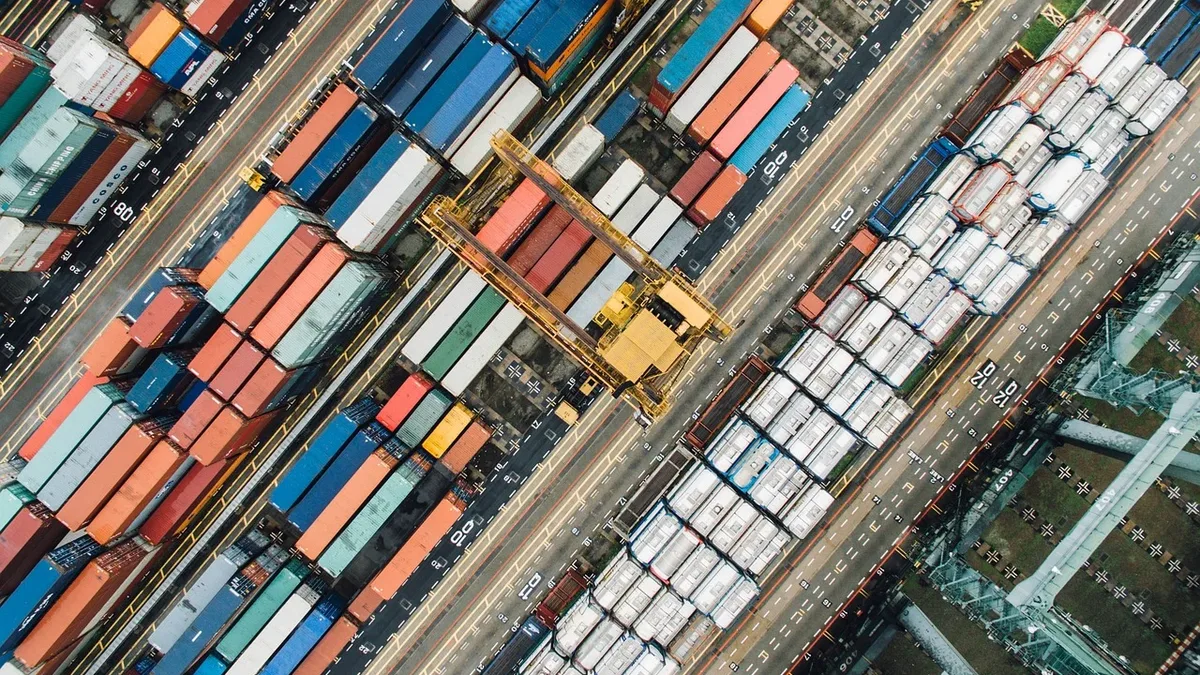
Fed Rate Hike Raises Costs for Freight Industry
The Federal Reserve's latest interest rate increase will raise capital costs for carriers and cool consumer demand, directly impacting logistics...
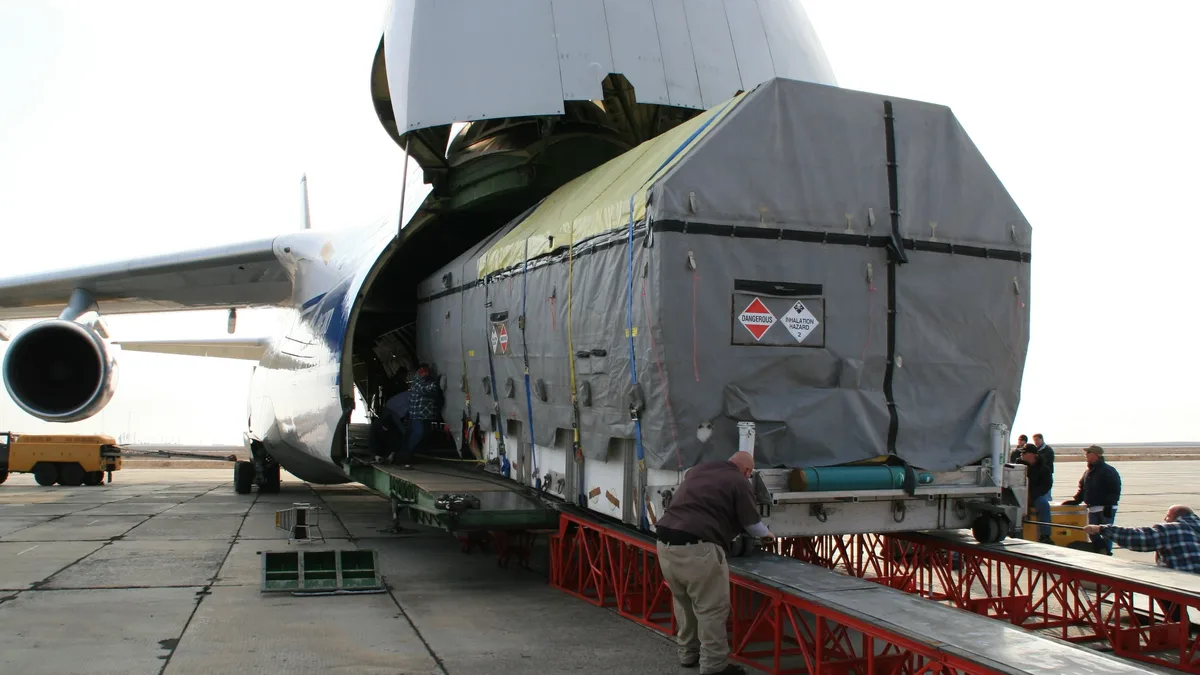
Air cargo demand up 6% in August, rates ease
Global air cargo demand grew 6% year-on-year in August 2026, maintaining a strong summer. Spot rates averaged $3.13 per kg, still 24% higher than a...
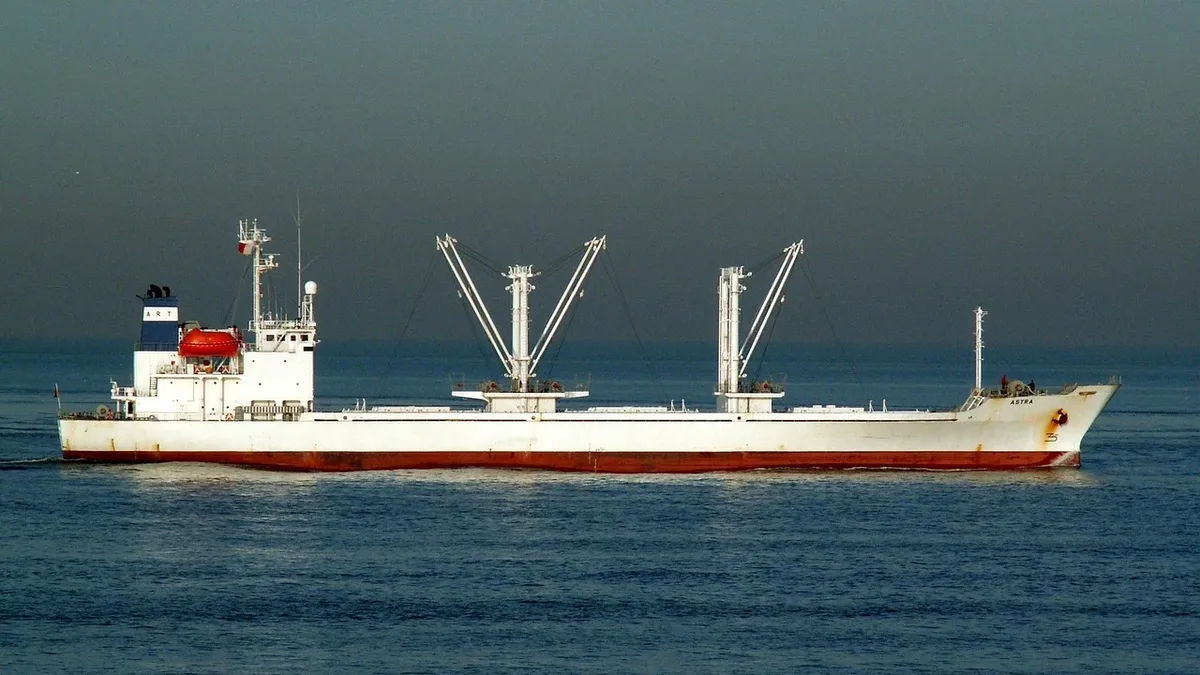
Royal Wagenborg's Fleetwide Digital Upgrade
Royal Wagenborg has selected De Boer Marine for a multiyear digital upgrade covering around 160 general cargo vessels.
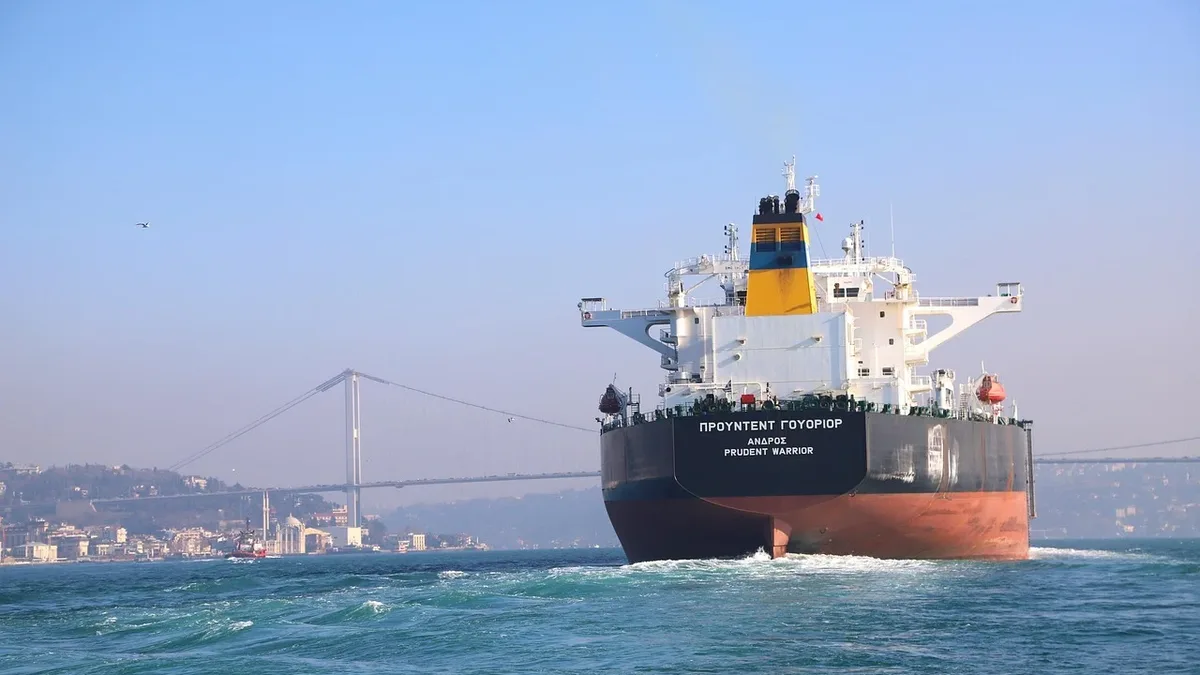
Sinokor Profits as Persian Gulf Tanker Rates
Supertanker rates from Saudi Arabia to China reached a record $656,000 per day, more than ten times the year-ago rate, as attacks in the Persian Gulf...
Asia-US East Coast spot rate rise pauses
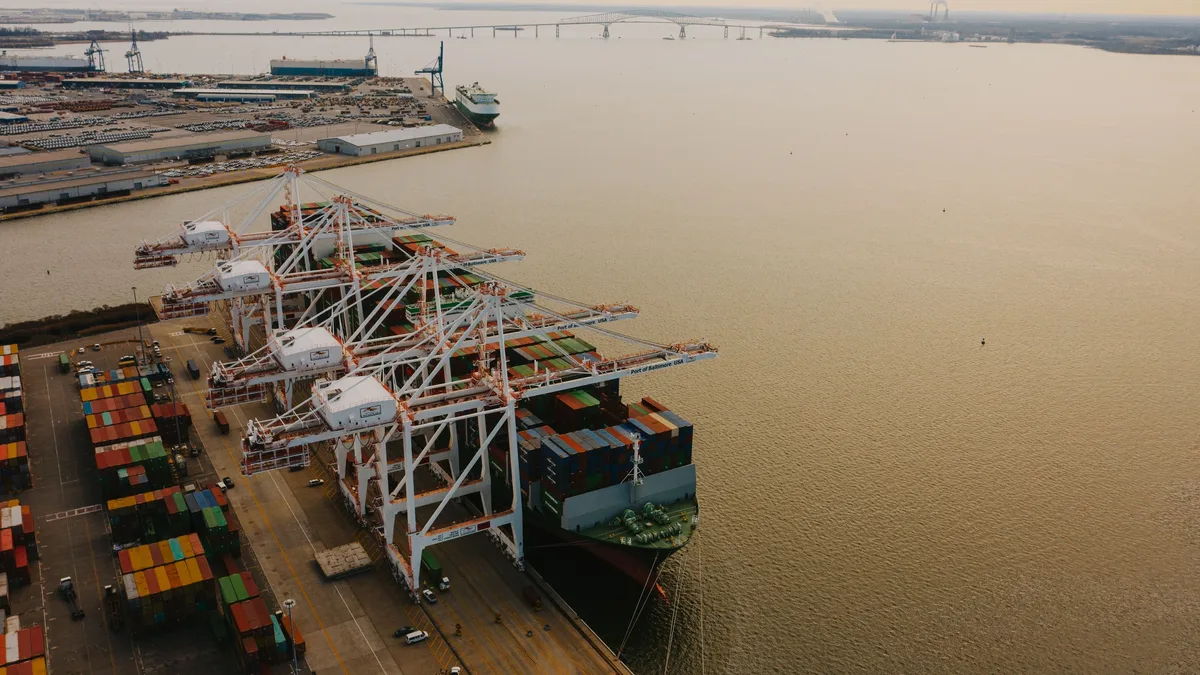
Spot rate growth on the Asia to US East Coast shipping lane has stalled, with Drewry's index showing a 2% weekly drop to $9,333 per 40ft container.