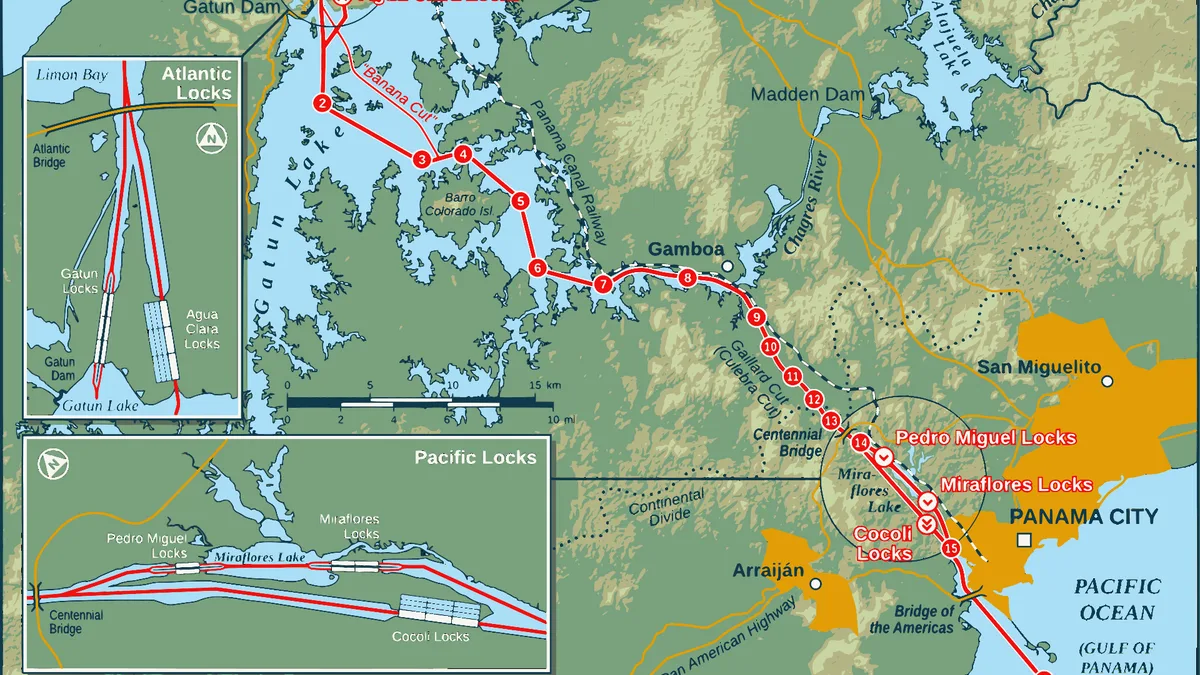
Panama Canal Transit Slots And Draft Restrictions
| Trade lane | East Coast of North America to Asia via Panama Canal |
|---|---|
| Current cost per standard container | Varies by carrier and market conditions |
| Transit slots per day | Varies seasonally |
| Maximum vessel draft | Varies seasonally |
| Typical transit time (ocean segment) | 8-10 days |
| Primary alternative route | Via Suez Canal |
Origin and history
The Panama Canal is an artificial waterway located in the Central American country of Panama. Its construction was a monumental engineering project initiated by the United States in the early 20th century, following a failed French attempt in the late 19th century. The canal officially opened for maritime transit in the 1910s, fundamentally altering global maritime trade routes. The system of transit slots and draft restrictions is not a modern invention but an inherent operational feature of the canal's lock-based design and its reliance on freshwater from Gatun Lake. Historically, slot availability was managed to ensure orderly transit, while draft limits were periodically adjusted based on seasonal rainfall patterns. The formal auction system for premium transit slots, however, is a more recent operational development implemented by the Panama Canal Authority (ACP) to manage high demand.
What it is for
Transit slots are allocated reservations for vessels to pass through the canal's lock system on a specific day, preventing chaotic congestion and ensuring a predictable schedule. Draft restrictions are maximum depth limits, measured in feet, that a vessel's hull can extend below the waterline while transiting the canal. These restrictions are primarily imposed to prevent vessels from running aground in the canal's channels, particularly the Gatun Lake crossing. The draft is directly tied to the water level in Gatun Lake, which serves as the canal's hydraulic elevator and is replenished by seasonal rainfall. The ACP sets and publishes draft limits based on current and projected water levels, which can vary significantly between the rainy and dry seasons. The system's core function is to guarantee safe, efficient, and sustainable operation of a critical infrastructure asset with finite freshwater resources.
Pros and cons
The primary pro of this system is that it provides a structured, safe, and predictable method for managing the flow of global shipping through a geographically constrained piece of infrastructure. The auction system for slots can theoretically allocate capacity to those who value it most, often shippers with time-sensitive cargo. A significant con is that during periods of severe drought, the system becomes a source of major disruption, causing extensive delays, rerouting, and increased costs for the entire global supply chain. Carriers and shippers who fail to secure a slot through the daily auction or the regular booking system face indefinite waits at anchorages, leading to schedule unreliability. A common mistake is for commercial operators to assume transit priority without a confirmed booking, resulting in costly miscalculations. The system suits the canal's operational stability but can be profoundly ill-suited for just-in-time logistics models during water crises, leading to widespread regret among those with perishable or time-bound cargo.
Who it suits
This system of managed transit best suits large, scheduled container lines and bulk carriers that can plan their routes far in advance and secure regular booking slots. It also suits operators of vessels whose design dimensions, including beam and length, already conform to the Panama Canal's lock limitations, known as Panamax and Neopanamax sizes. Shippers with high-value, non-perishable goods who can absorb the cost of premium auction slots or longer transit times are better positioned to navigate this system. The structure is inherently less suited for smaller, irregular shipping operators or those on tight, fixed schedules who cannot afford delays or premium fees. It ultimately serves the long-term interests of the Panama Canal Authority by ensuring the canal's physical integrity and financial viability, even at the expense of short-term fluidity for some users. The operational model assumes that users will adapt their logistics and vessel loading practices to the canal's environmental and infrastructural realities.
Latest Panama Canal Transit Slots And Draft Restrictions news
Latest reporting
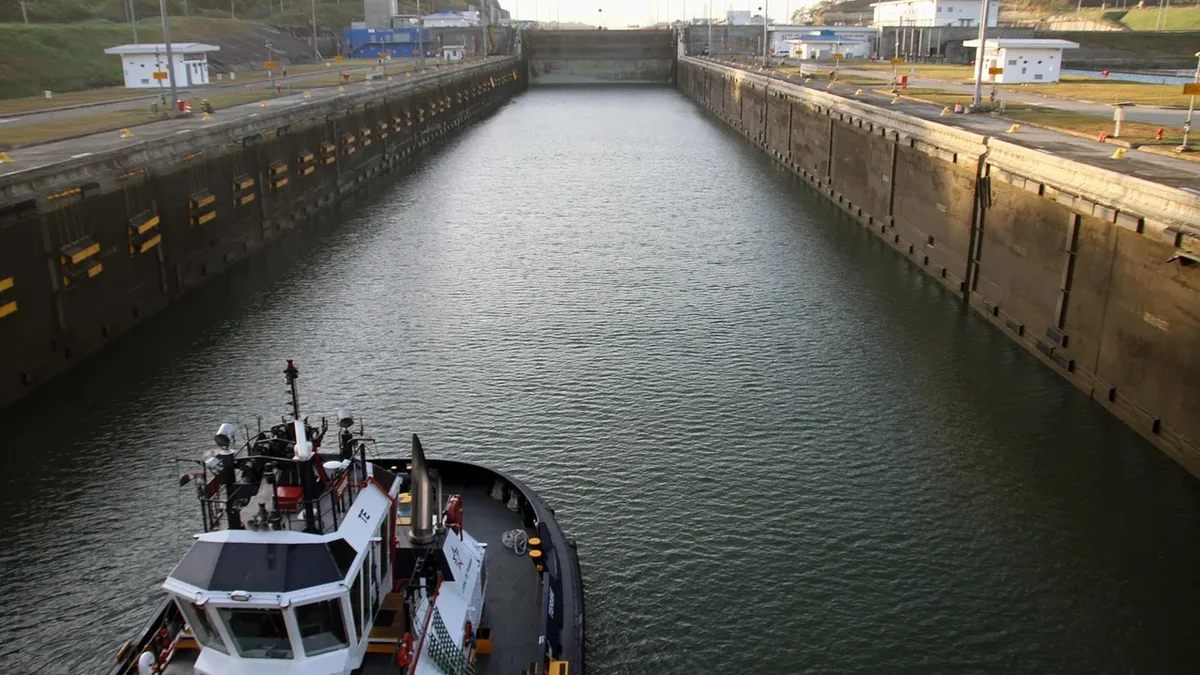
Panama Canal Expands Neopanamax Capacity to 10 Daily
The Panama Canal Authority has increased the Neopanamax vessel draft limit to 49 feet and will add a daily transit slot starting October 15, 2026...
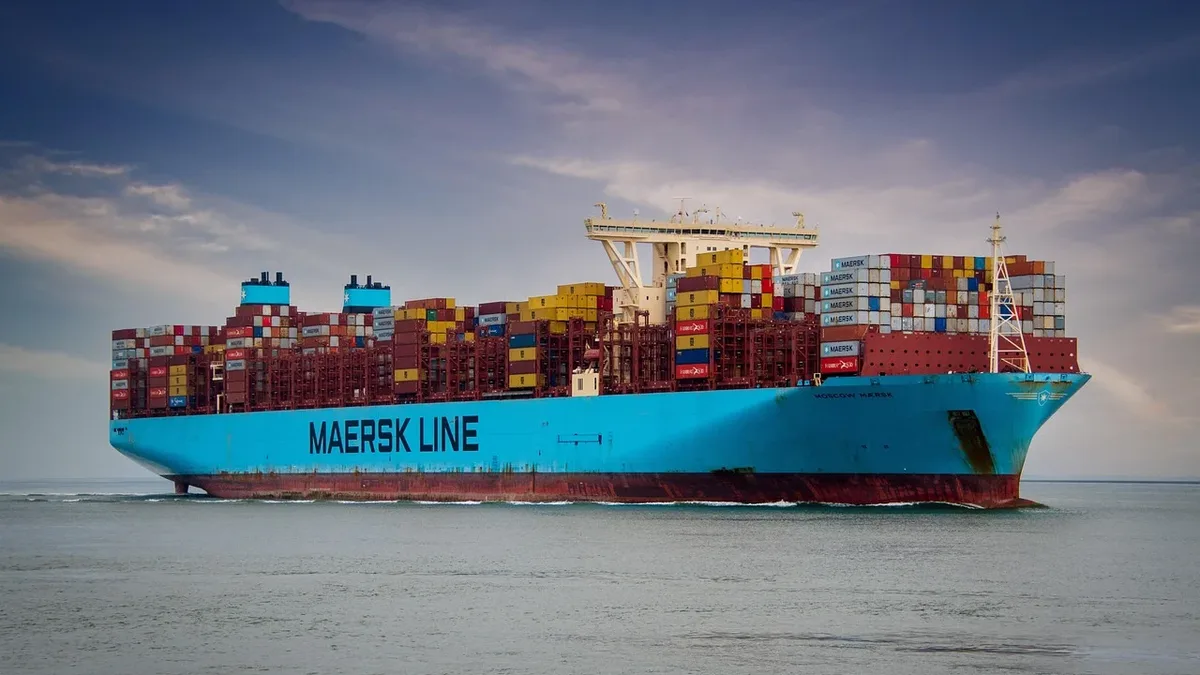
Maersk imposes emergency rates for Hormuz
Maersk has introduced new emergency freight rates and a transit surcharge for containers moving through the disrupted Strait of Hormuz region, with...
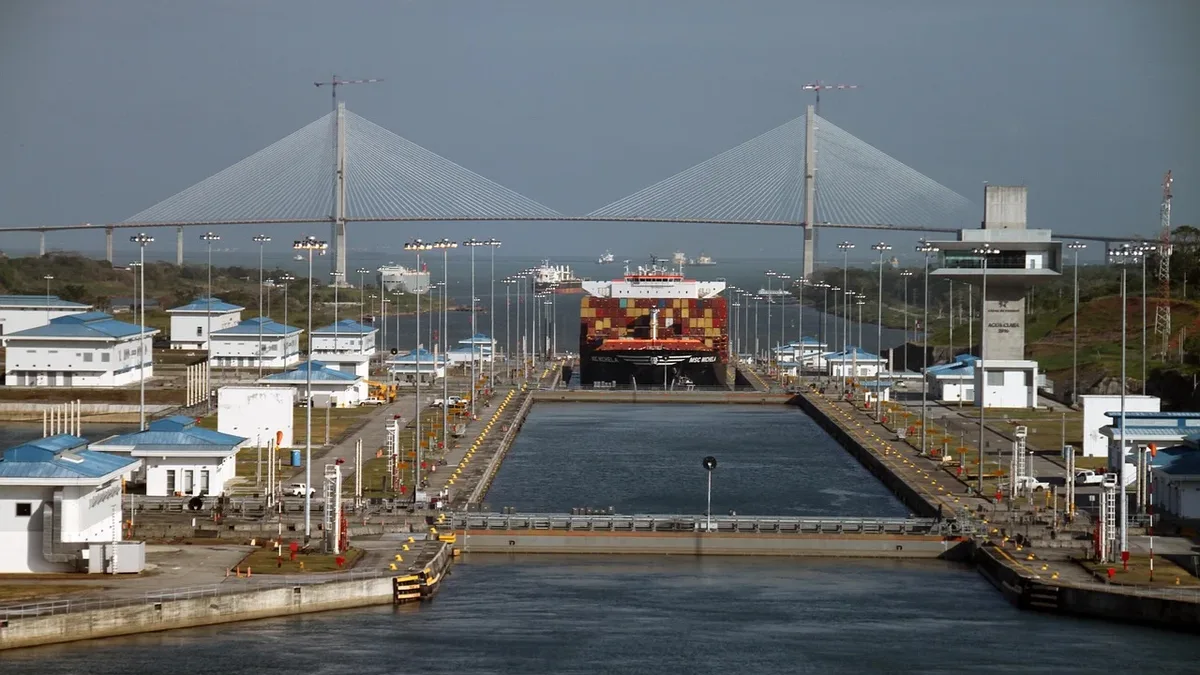
Panama Canal passage hits record $5.3m
Record Panama Canal auction fees and Amazon route surcharges show rising transit costs from drought and conflict, as port congestion reaches new...
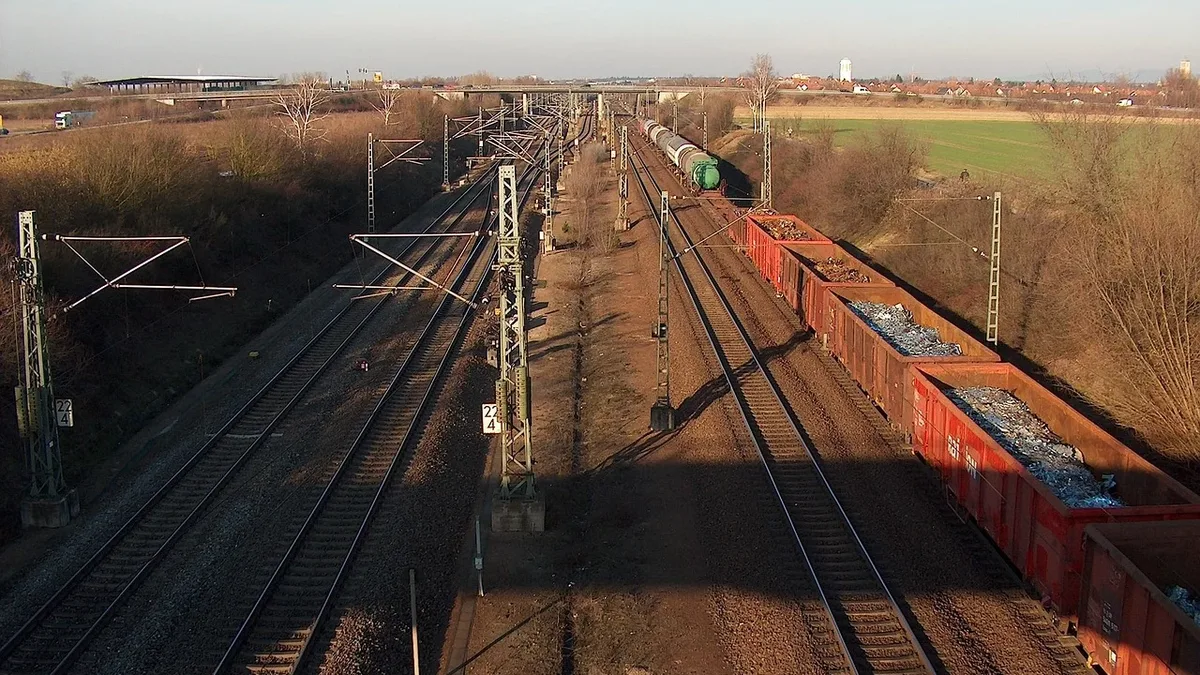
Thamesborg Completes Arctic Transit
Dutch cargo vessel Thamesborg completes Northwest Passage transit after last year's grounding
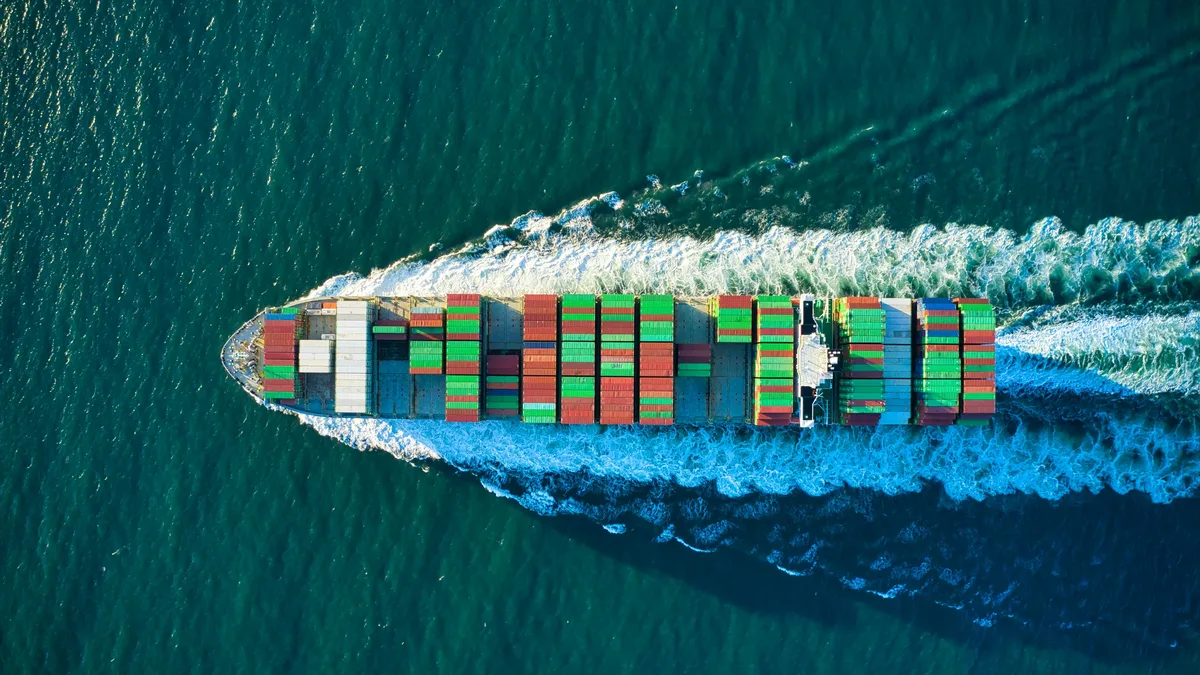
Panama Canal
Daily capacity cut to 32 ships due to water shortages