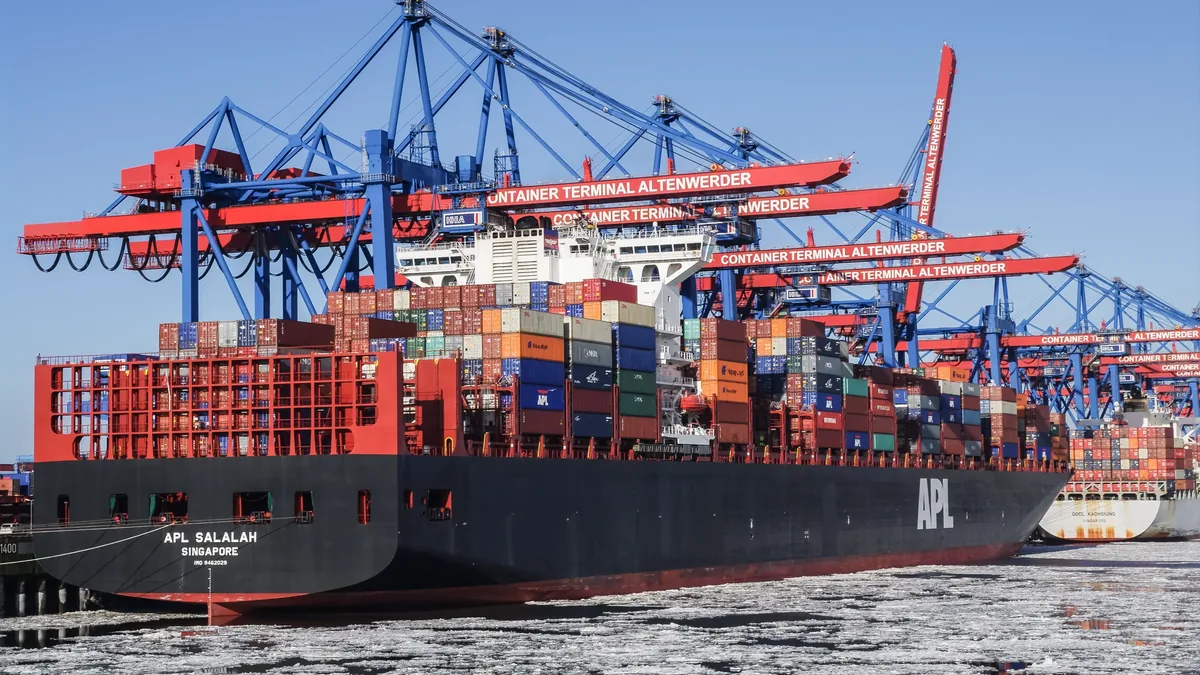
Port Klang
| Country of origin | Malaysia |
|---|---|
| Original use | Deep-water port for cargo handling |
| Main trade lane | Strait of Malacca |
| Primary container terminal operator | Westports Malaysia |
| Container terminal capacity | Approximately 13 million TEUs annually |
| Main export commodities | Electrical and electronic goods, palm oil, rubber, timber |
| Main import commodities | Machinery and transport equipment, manufactured goods, chemicals |
Origin and history
Port Klang is a major seaport located in Malaysia, on the Strait of Malacca. Its origins trace back to the late 19th century during the British colonial administration of the Malay States. The initial development of the port, then known as Port Swettenham, began in the 1890s to serve the tin mining and rubber industries prevalent in the region. It was officially opened in the early 20th century, establishing itself as a critical gateway for the export of raw materials from the Malay Peninsula. The port underwent significant expansion and modernization following Malaysia's independence, with its name changed to Port Klang in the 1970s. Its strategic location on the world's busiest shipping lane facilitated its evolution into a premier global transshipment hub.
What it is for
Port Klang functions as Malaysia's primary national load center and a pivotal global transshipment hub. Its core purpose is to facilitate international trade by handling containerized cargo, breakbulk goods, and liquid bulk. The port serves as a critical interchange point where large mainline vessels from major East-West trade routes connect with smaller feeder ships serving regional destinations throughout Southeast Asia. It provides extensive logistics services including cargo handling, storage, customs clearance, and bonded warehousing. The port complex directly supports the industrial and manufacturing output of the Klang Valley, one of Malaysia's most important economic regions. Furthermore, it acts as a key import gateway for consumer goods, machinery, and food products destined for the Malaysian market.
Port Klang tracking
Cargo tracking for shipments moving through Port Klang is typically managed through the digital systems provided by the individual terminal operators or shipping lines. The two main container terminal operators, Westports Malaysia and Northport, offer online container tracking tools on their respective corporate websites. These platforms require users to input a unique identifier, such as a container number or bill of lading number, to retrieve the current status and location of a shipment. The tracking data usually includes vessel arrival and departure times, gate-in and gate-out records from the terminal, and the status of customs clearance procedures. For comprehensive movement visibility, shippers often must also utilize the tracking systems of their chosen ocean carrier, which covers the entire voyage leg. Reliance on multiple, non-integrated systems can sometimes complicate obtaining a unified view of a shipment's progress.
Port Klang customer care
Customer care for port users is decentralized and primarily handled by the specific service providers operating within the port, such as terminal operators, shipping lines, and freight forwarders. General port authority inquiries are directed to the Port Klang Authority, which governs the port area, but most operational issues are managed at the terminal level. Each major terminal has its own dedicated customer service department to address concerns related to container handling, documentation, berthing, and equipment. Resolution of issues often requires direct communication with the line haul shipping company for vessel schedule matters and with the terminal for yard-related incidents. Users report that the effectiveness of customer care can vary significantly depending on the specific terminal and the nature of the problem. Complex disputes involving multiple parties, such as damage claims, can involve protracted communication between the terminal, the carrier, and insurance representatives.
Port Klang branch locator
Port Klang is a physical seaport location and does not have "branches" in a commercial retail sense. Its operations are concentrated at a specific geographic site along the Klang River estuary on the west coast of Peninsular Malaysia. The port complex is divided into three main terminal areas: Northport, Southpoint, and Westports, which are all situated adjacent to one another within the Port Klang district. Logistics and shipping companies that provide services related to the port, such as freight forwarders, customs brokers, and trucking firms, maintain their own offices in the surrounding industrial and commercial zones of Klang and Shah Alam. The Port Klang Authority itself has a single administrative headquarters located within the port area. For businesses seeking service providers, locating these ancillary companies requires industry directories or searches for specific firms in the greater Klang Valley region.
Port Klang rates
The cost to move a container through Port Klang is not a single published rate but an aggregation of numerous separate charges. These costs are levied by different entities including shipping lines, terminal operators, and government agencies. Ocean freight rates, set by carriers, are highly volatile and depend on the trade lane, vessel space availability, and fuel costs. Terminal handling charges are fees for the movement and storage of a container within the port terminal and are published by the terminal operators. Mandatory statutory charges include port dues, levied by the Port Klang Authority, and customs duties administered by the Royal Malaysian Customs Department. Additional prevalent costs include haulage fees for trucking to/from the port, documentation fees, and potentially demurrage or detention charges if containers are not moved within allotted free time. The total landed cost for an import or export shipment is therefore a composite figure unique to each cargo movement.
Pros and cons
A primary advantage of Port Klang is its strategic geographic position on the Strait of Malacca, placing it directly on the main shipping route between Asia and Europe. The port offers deep-water berths capable of accommodating the largest container vessels in operation, ensuring direct calls from major global alliances. However, a significant con is its susceptibility to severe congestion, particularly during peak shipping seasons or when vessel schedules are disrupted, leading to extended vessel waiting times and yard density issues. The port's efficiency is highly dependent on which terminal is used, with performance and reliability reports varying markedly between the different operators. Users often regret not factoring in the high potential for additional charges, such as demurrage, which can accumulate rapidly due to congestion-related delays in container retrieval. A common mistake is underestimating the complexity of documentation and customs procedures, which can cause clearance delays without experienced local representation.
Who it suits
Port Klang best suits large-volume shippers and global carriers whose supply chains are built around mainline East-West trade routes requiring a major transshipment hub. It is a natural fit for Malaysian exporters and importers, particularly those based in the industrial heartland of the Klang Valley, for whom it provides the most direct and frequent shipping connections. The port is also suitable for cargo destined for or originating from other regional ASEAN markets that are served via Port Klang's extensive feeder network. It is less suited for time-sensitive, high-value shipments where schedule reliability is paramount, due to the noted risks of congestion. Small and medium-sized enterprises without dedicated logistics staff may find the port's operational complexity and fragmented service provider landscape challenging to navigate effectively. Ultimately, it suits those who prioritize broad connectivity and capacity over guaranteed consistency of turnaround times.
Latest Port Klang news
Latest reporting
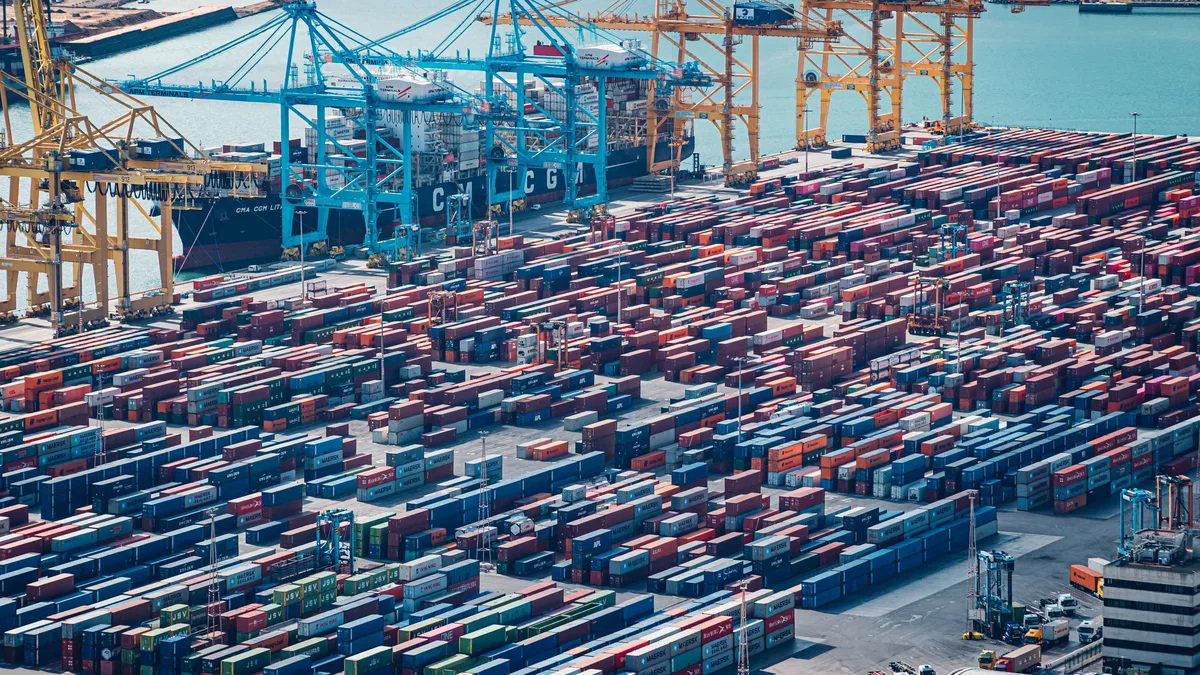
Hong Kong shifts port strategy from volume
Hong Kong's new five-year plan pivots its port strategy from chasing container volume to developing higher-value services, targeting smart, green...
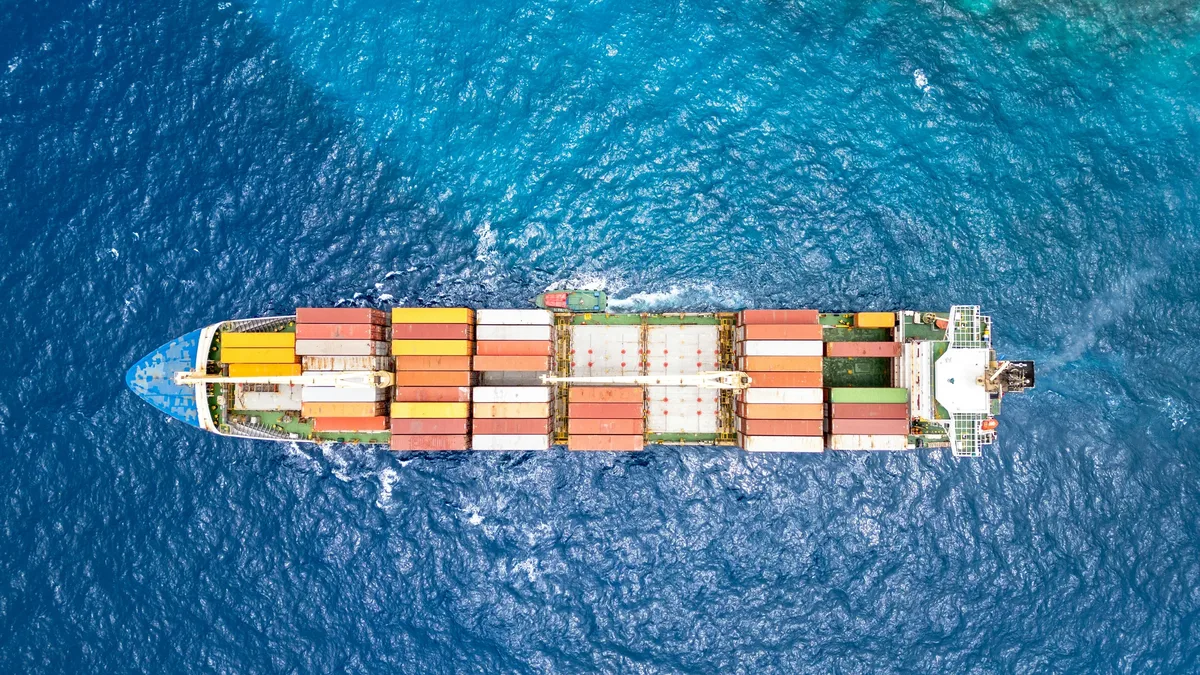
Ocean freight rates defy post-peak easing as capacity
Transpacific container spot rates remain above $10,000 as strong US demand, port delays, and carrier blank sailings extend the peak season, according...
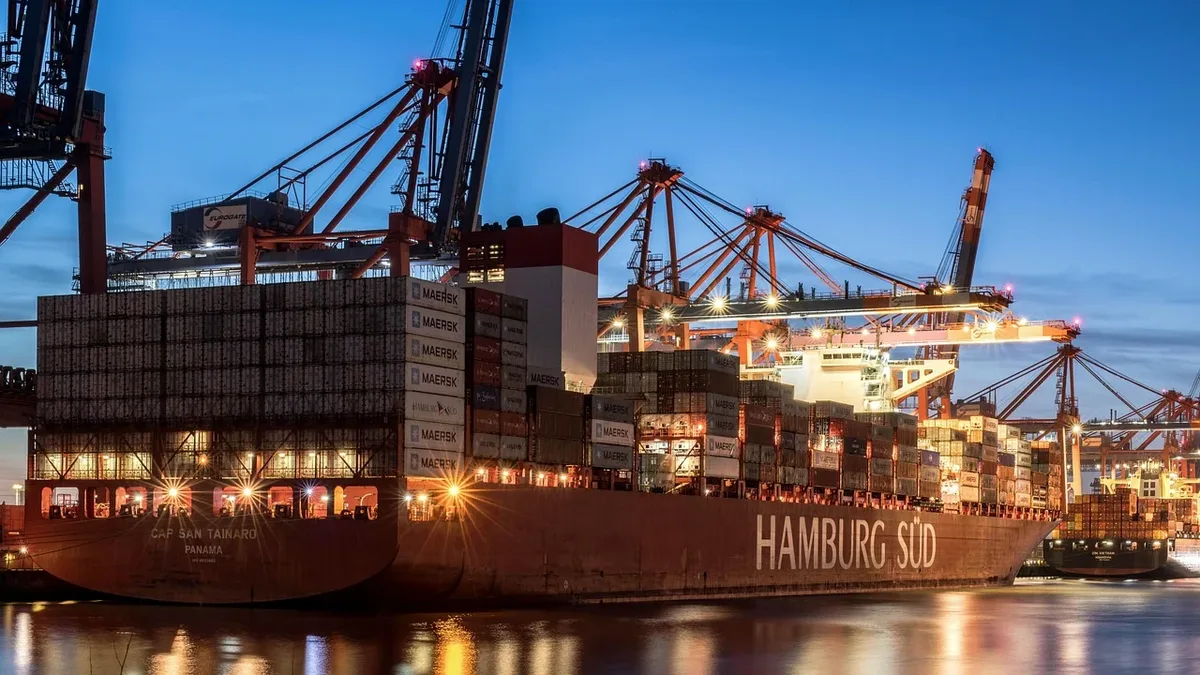
German port workers vote to reject pay
Union members at major German ports have rejected a pay deal, moving closer to an indefinite strike that threatens to disrupt container handling...
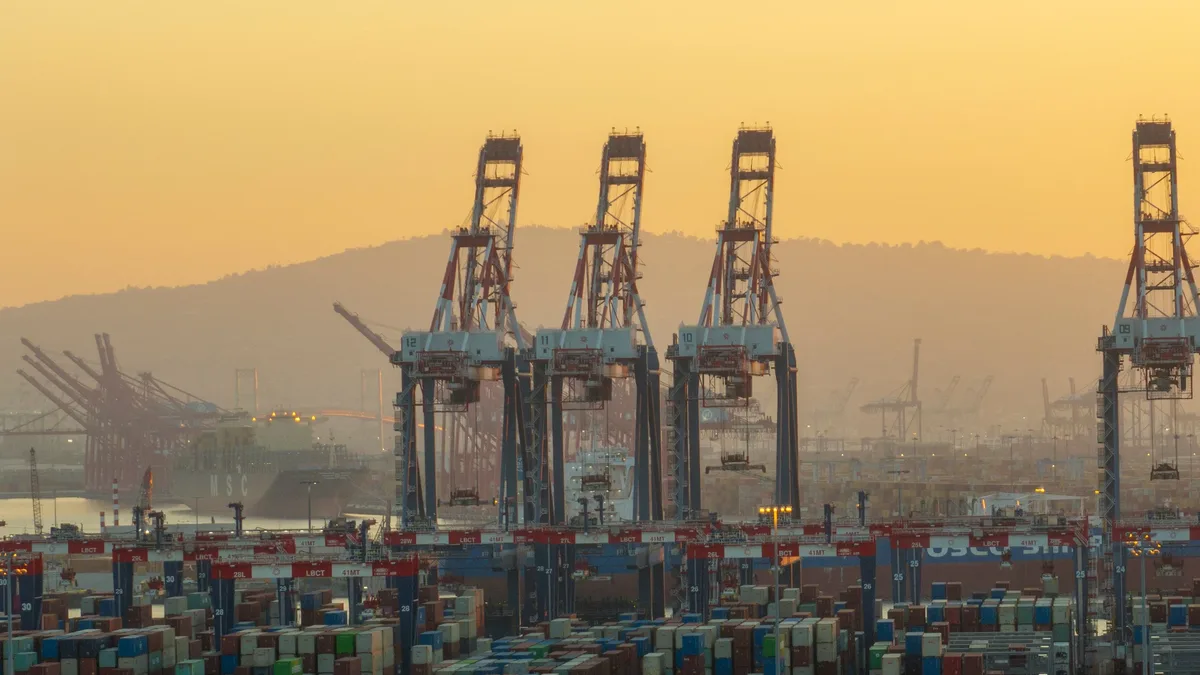
Vaca Muerta Sand Demand Revives Argentine Rail and Port
Argentina's Vaca Muerta shale boom is generating millions of tonnes of sand freight, providing the cargo base to revive long-stalled railway and port
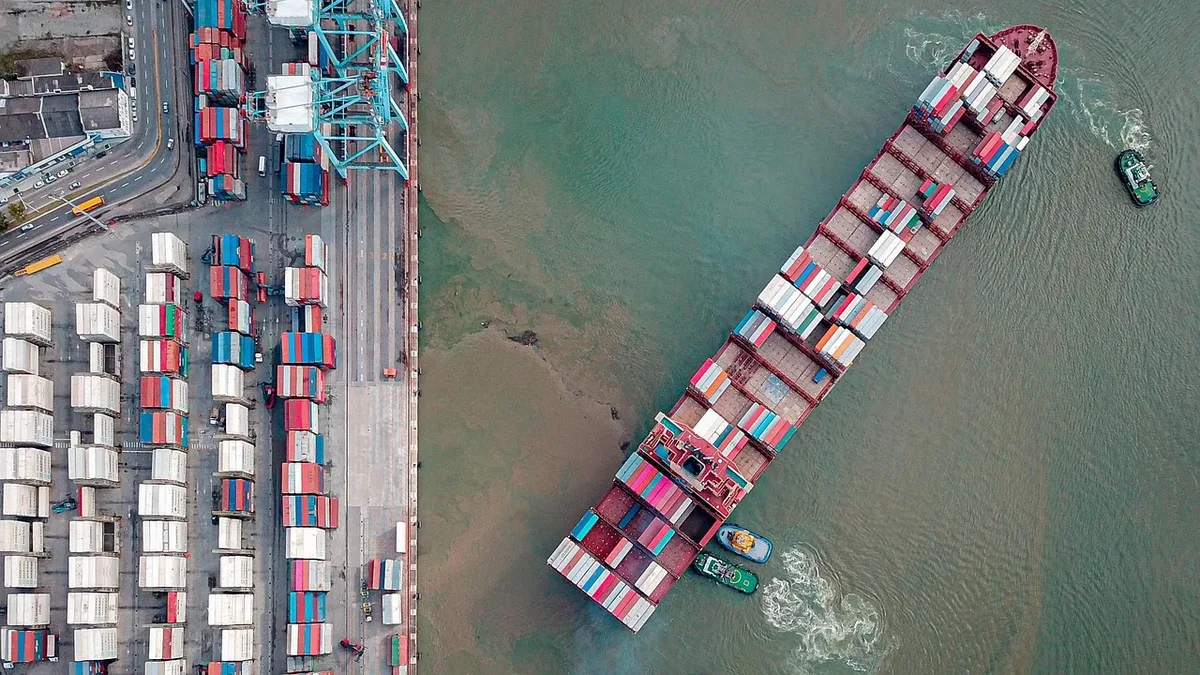
Port congestion removes 2.3 million teu of shipping capacity
Severe port congestion and vessel delays have effectively taken 2.3 million teu of container ship capacity off the market, according to...
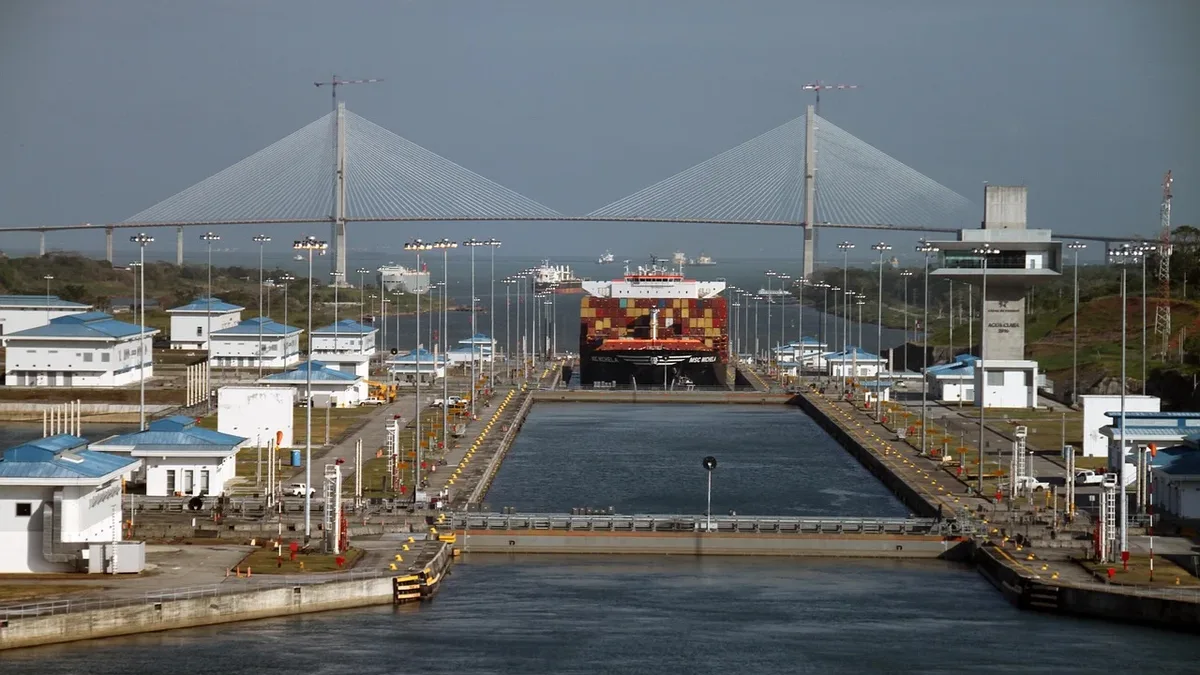
Panama Canal passage hits record $5.3m
Record Panama Canal auction fees and Amazon route surcharges show rising transit costs from drought and conflict, as port congestion reaches new...