
Los Angeles Long Beach
| Trade lane name | Los Angeles / Long Beach to Asia |
|---|---|
| Primary ports | Port of Los Angeles, Port of Long Beach |
| Vessel transit time to Shanghai | 14 to 18 days |
| Typical vessel size | 8,000 to 14,000 TEU |
| Common cargo | Consumer goods, electronics, apparel |
| Major shipping alliances | 2M, THE Alliance, Ocean Alliance |
| Primary container type | Dry 40-foot High Cube |
Origin and history
The Port of Los Angeles and the Port of Long Beach are two distinct, adjacent municipal seaports located in San Pedro Bay, California, United States. Their development as major maritime gateways began in earnest in the early 20th century, driven by the growing economic might of the American West. The Port of Los Angeles was formally established as a municipal department in 1907, while the Port of Long Beach saw its first major wharf constructed in 1911. The strategic dredging of channels and construction of piers transformed the natural harbor into a viable deep-water port. Their significance expanded dramatically following the opening of the Panama Canal in 1914, which created a direct shipping route from the Atlantic. The post-World War II economic boom and the subsequent rise of containerized shipping in the 1960s solidified their dual role as the primary gateway for transpacific trade into the United States.
What it is for
The Los Angeles-Long Beach port complex functions as the largest gateway for containerized cargo in the Western Hemisphere, handling a massive portion of U.S. imports from Asia. Its primary purpose is the transfer of ocean freight containers from deep-sea vessels onto the North American land transportation network. This involves intricate coordination for unloading ships, staging containers in terminal yards, and transferring them to trucks and rail cars for inland distribution. The complex serves as a critical node in global supply chains, particularly for consumer goods, electronics, apparel, and automotive parts destined for markets across the United States. Beyond container handling, the ports also facilitate significant volumes of breakbulk, liquid bulk, and dry bulk commodities. The infrastructure includes specialized terminals for handling everything from automobiles and petroleum to lumber and steel, supporting both regional industry and national consumption.
Los Angeles Long Beach tracking
Cargo moving through the Los Angeles-Long Beach port complex is tracked via a combination of carrier, terminal, and third-party logistics provider systems rather than a single unified port authority tracker. Shipping lines provide container tracking numbers that allow customers to see vessel voyages, port arrivals, and gate-in/gate-out events at the marine terminals. Individual terminal operators, such as APM Terminals or Fenix Marine Services, offer online portals showing the status of containers within their specific facilities, including availability for pickup. The Port Optimizer™ data platform, used by both ports, provides aggregated supply chain visibility by sharing key milestone data with authorized stakeholders. For truckers, appointment systems and real-time gate wait time displays are critical tracking tools for planning container pickups and drop-offs. Overall, tracking requires using the bill of lading or container number with the relevant ocean carrier or terminal operator's website to obtain specific location and status updates.
Los Angeles Long Beach customer care
Customer care for shipments moving through the Los Angeles-Long Beach complex is fragmented, as responsibility is divided among multiple private entities. The ocean carrier that operates the vessel is typically the first point of contact for issues related to billing, documentation, and vessel schedule changes. Once a container is discharged, the marine terminal where it is stored becomes responsible for providing information on container location, demurrage charges, and pickup instructions. Drayage trucking companies and freight forwarders act as intermediaries, often managing communication and problem-solving on behalf of the cargo owner. The ports' own authorities primarily handle broader infrastructure issues, public safety, and environmental regulations, not individual shipment inquiries. Consequently, shippers often report challenges in resolving disputes over fees or container access, as they must navigate the separate policies and contact centers of each involved party. Effective resolution usually requires persistent follow-up with the specific entity currently in possession of the cargo or charging the fee.
Los Angeles Long Beach branch locator
As physical seaport complexes, the Port of Los Angeles and Port of Long Beach do not have "branches" in a traditional retail sense; their operations are geographically fixed at San Pedro Bay. The adjacent Port of Long Beach covers approximately 3,200 acres with 22 cargo terminals. Key access points for cargo transactions are the individual terminal gates, each with a specific street address for truck ingress and egress. The administrative offices for the Port of Los Angeles (POLA) are located in San Pedro, while the Port of Long Beach (POLB) headquarters are in downtown Long Beach. For logistical purposes, the region is served by a dense network of freight forwarders, customs brokers, drayage companies, and warehouse distributors located in the surrounding industrial areas of Southern California, which function as service extensions of the port complex.
Los Angeles Long Beach rates
Rates for moving a container through the Los Angeles-Long Beach corridor are not set by the ports but are determined by a layered series of private charges and market forces. The largest component is the ocean freight rate negotiated between the shipper and the ocean carrier, covering the voyage from an Asian port to the LA/LB complex. Upon arrival, a multitude of ancillary fees apply, including terminal handling charges (THC) levied by the marine terminal operator for loading/discharging and yard storage. Drayage rates, for the truck move from the terminal to a nearby rail yard or warehouse, fluctuate based on fuel costs, driver availability, and appointment scarcity. Demurrage and per diem charges are incurred if containers are not picked up from the terminal or returned within the allotted free time, which can accumulate rapidly. Additional mandatory fees include the PierPass OffPeak program charge (or its successor initiatives) for weekday daytime moves and various clean truck fund rates. The total landed cost is highly volatile, susceptible to peak season surcharges, congestion surcharges, and the underlying dynamics of carrier capacity and demand.
Pros and cons
port, ensuring ample shipping options. Its extensive on-dock and near-dock rail facilities provide efficient double-stack rail service to major inland hubs, offering a strong intermodal alternative to trucking. However, the corridor is notoriously prone to severe congestion, which can lead to unpredictable vessel wait times outside the harbor and long truck gate queues, causing significant shipment delays. The dense concentration of volume makes the ports a focal point for labor negotiations and disruptions, where any work slowdown can immediately ripple through national supply chains. Shippers often regret routing time-sensitive cargo through LA/LB during peak seasons or periods of operational instability due to the high risk of incurring substantial demurrage and detention penalties from delays. A common mistake is underestimating the complexity and cost of the final leg, as the apparent efficiency of the ocean voyage can be negated by inland logistical bottlenecks and fee accumulation at the terminals.
Who it suits
The Los Angeles-Long Beach gateway best suits importers of high-volume containerized goods from Asia whose major distribution centers are located in the western or central United States. It is a logical choice for retailers and manufacturers who prioritize frequency of sailings and require flexible, weekly vessel options to manage large and constant inventory flows. Shippers with strong relationships with ocean carriers and terminal operators, or those who employ dedicated drayage and logistics partners, are better positioned to navigate the operational complexities and secure necessary appointments. The ports are less suitable for shippers with extremely time-critical, just-in-time cargo who cannot absorb the risk of multi-week delays during periods of port congestion. Small to medium-sized businesses with less leverage and logistical expertise may find the fee structures and operational hurdles disproportionately challenging compared to using less congested alternative gateways. Ultimately, it suits large-scale operations for which the benefits of direct service and rail connectivity outweigh the inherent risks and costs of the nation's busiest port complex.
Latest Los Angeles Long Beach news
Latest reporting
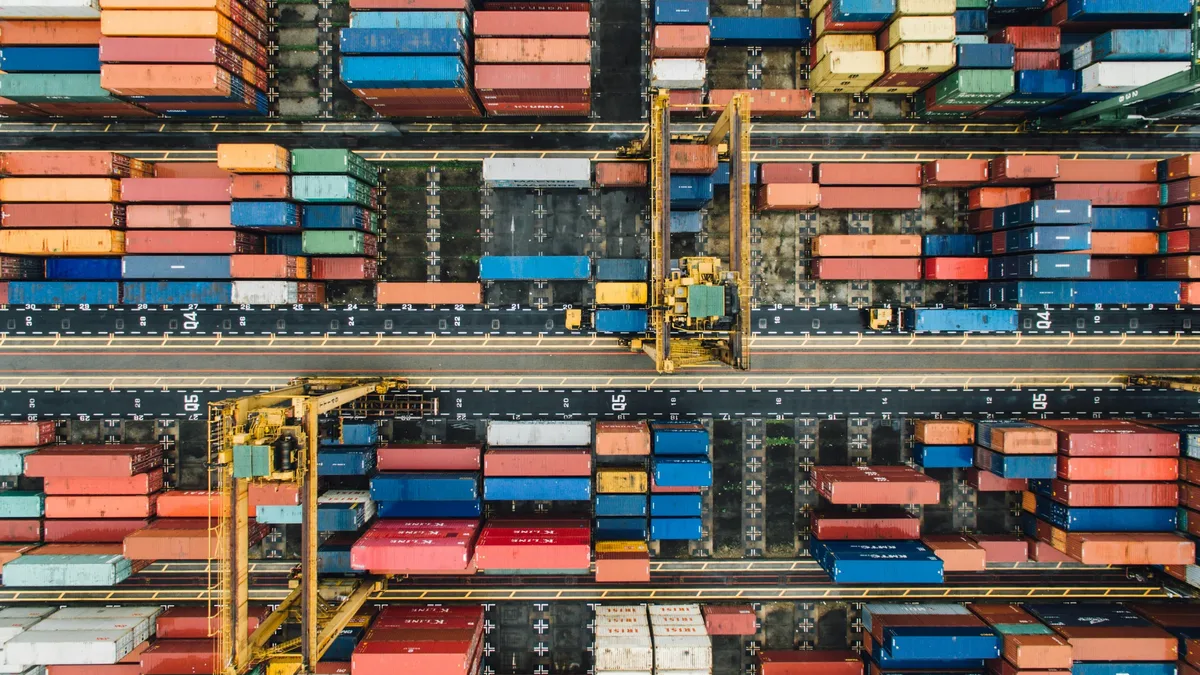
Short-Haul Freight Surges 35% as Long-Haul Trucking Slips
Short-haul truckload freight under 100 miles has grown 35% year-to-date, while long-haul volumes have declined, driven by a shift to intermodal rail...
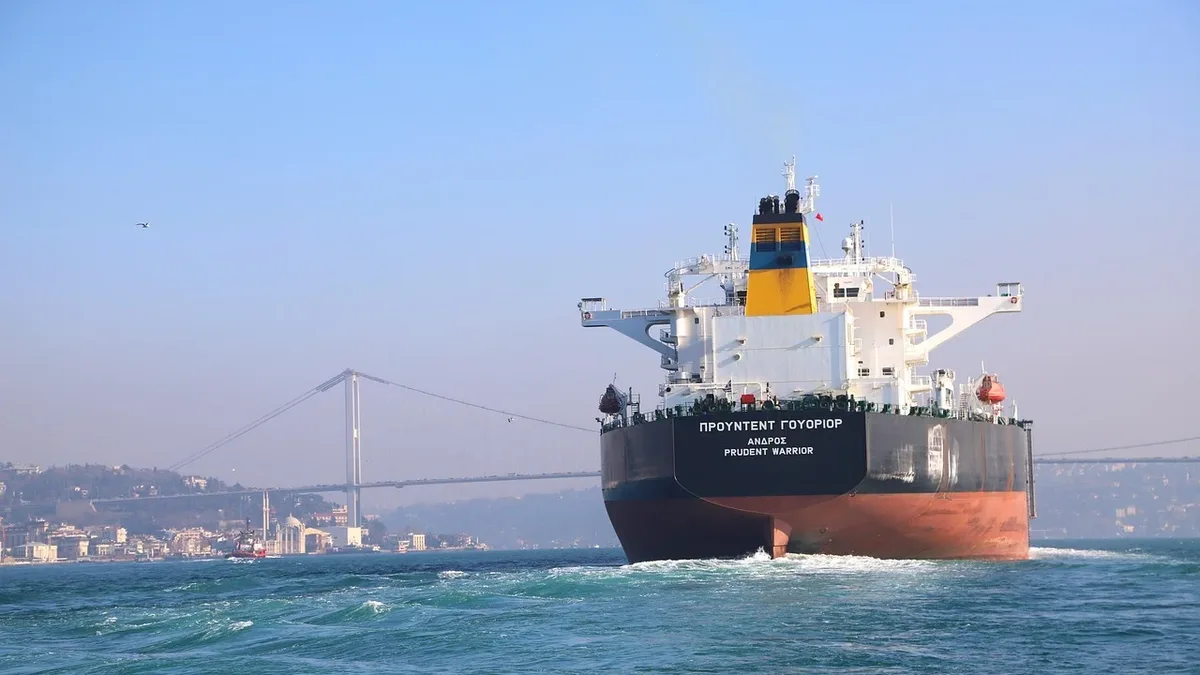
Secondhand Tanker Prices Hit Record Highs
The secondhand tanker market is setting records, with a 15-year-old VLCC selling for $115 million. High demand for prompt vessels and long-haul trade...
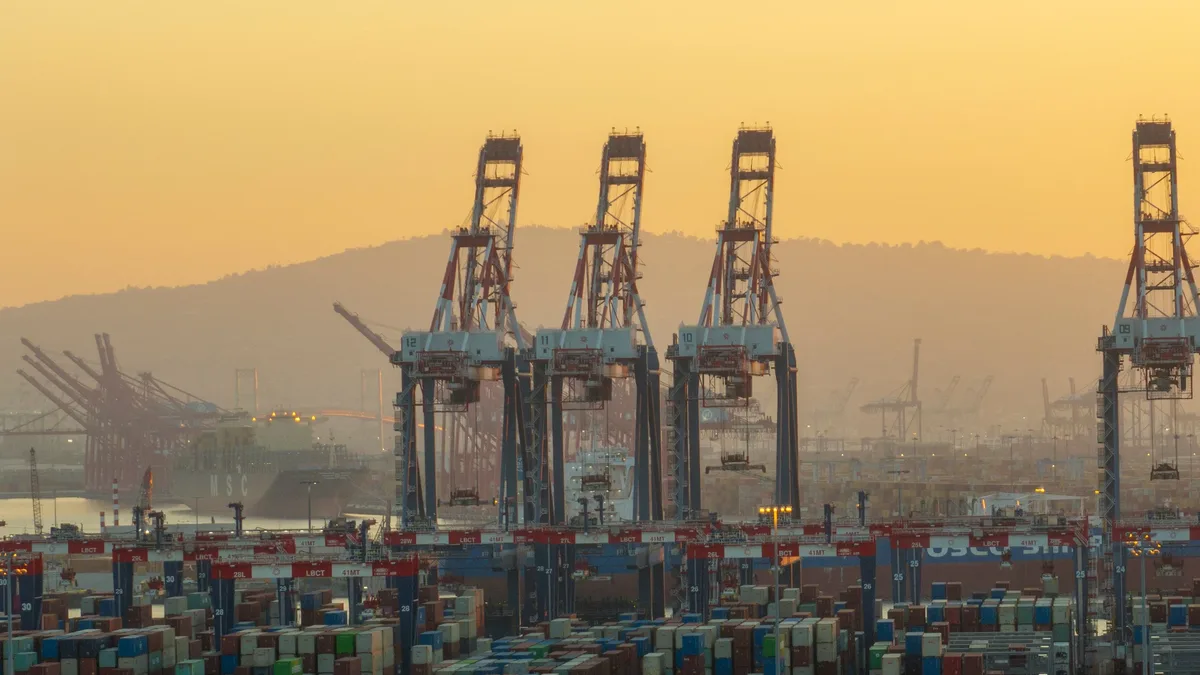
Vaca Muerta Sand Demand Revives Argentine Rail and Port
Argentina's Vaca Muerta shale boom is generating millions of tonnes of sand freight, providing the cargo base to revive long-stalled railway and port
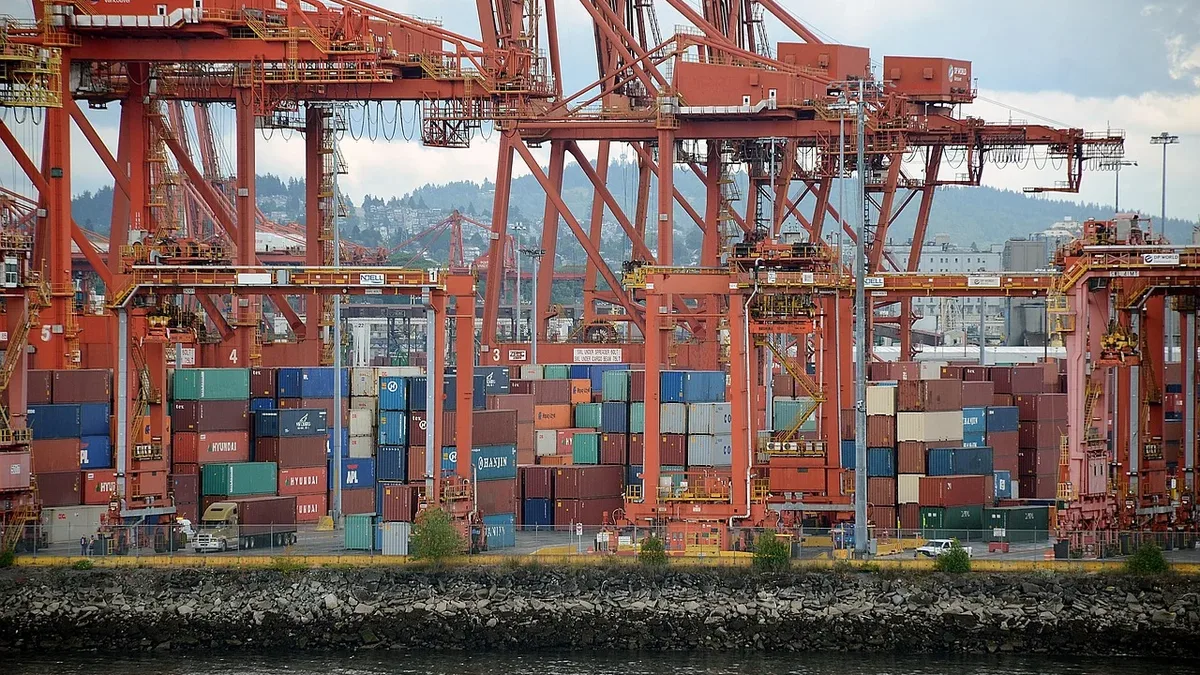
Transpacific Gains Offset Asia-Europe Declines, Rates Steady
Global container spot rates held flat as a 5% rise on the Shanghai-Los Angeles lane countered double-digit declines on Asia-Europe routes, according...
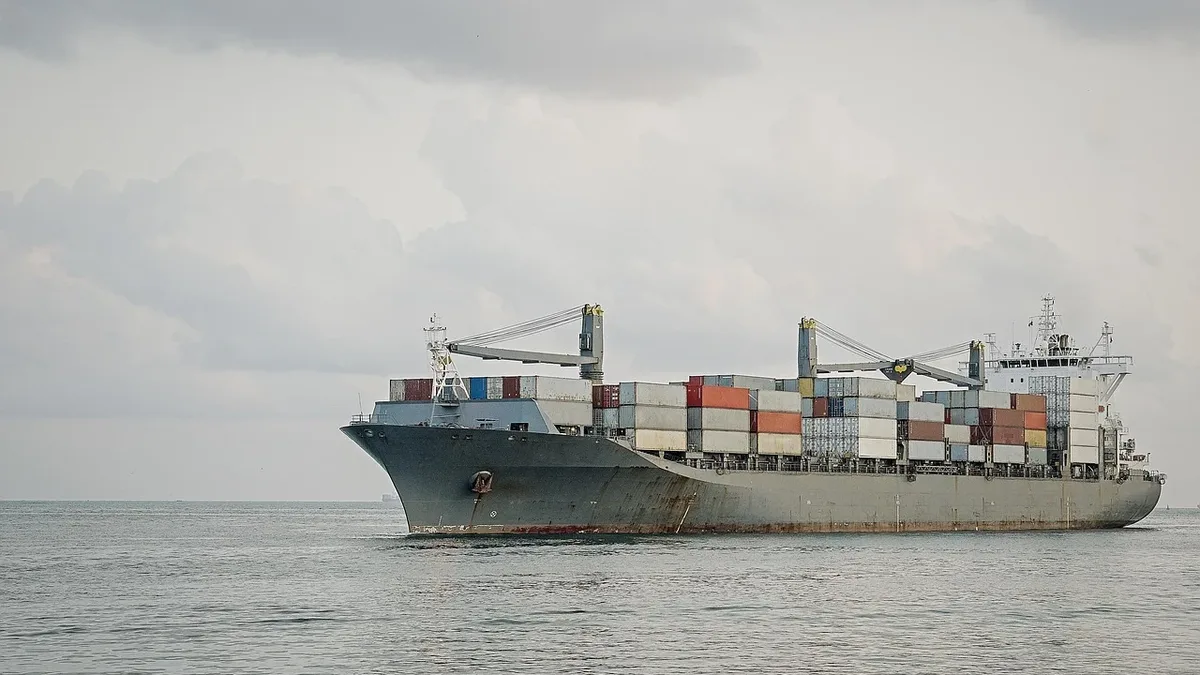
EuroHoldings locks in $24m from boxship
EuroHoldings has secured new long-term charters for its two aging feeder containerships at rates of $24,000 and $20,500 per day, generating an...
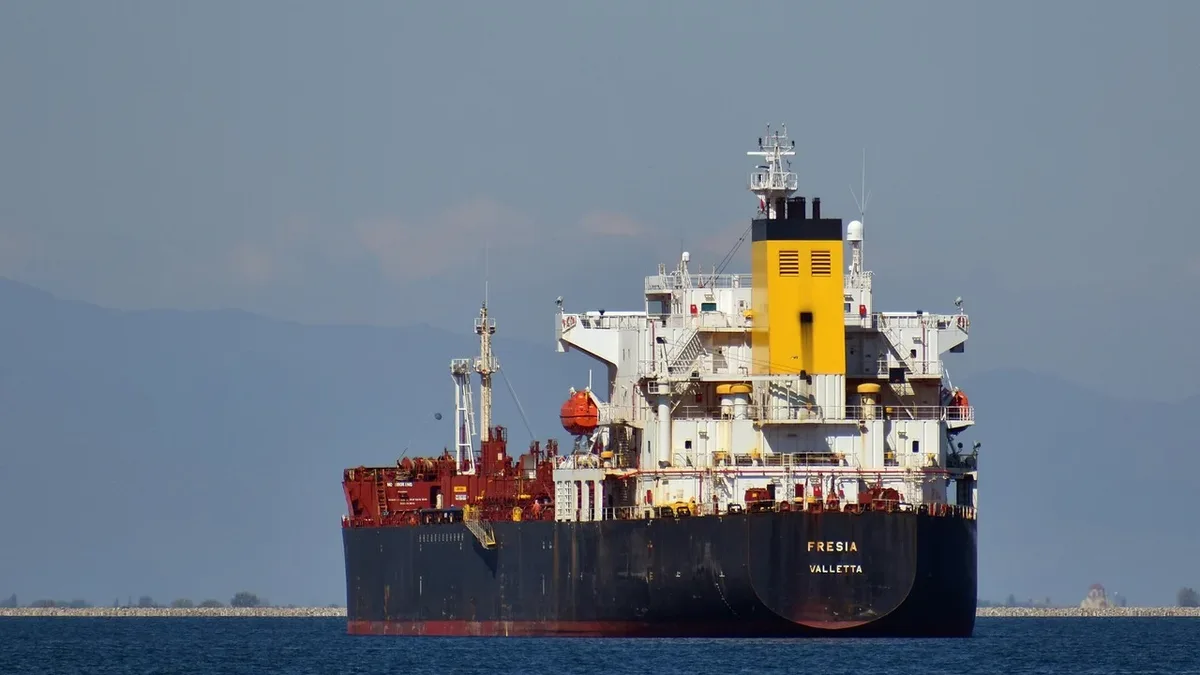
Titan and Sogestran launch LNG bunker ship
Titan Clean Fuels and France's Sogestran have finalized a long-term charter for a new 6,000 cubic meter LNG bunkering vessel, securing dedicated