Secondhand Tanker Prices Hit Record Highs
The secondhand tanker market is setting records, with a 15-year-old VLCC selling for $115 million. High demand for prompt vessels and long-haul trade shifts are driving premiums over newbuild prices.
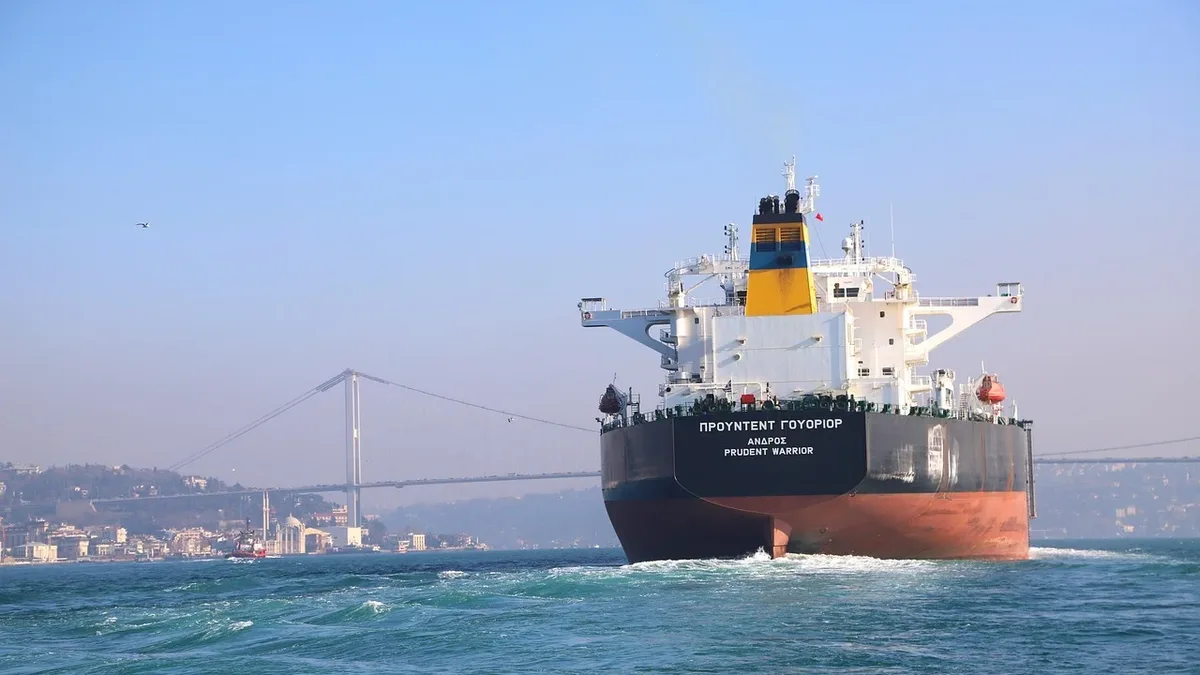
A 15-year-old VLCC, the Olympic Leopard, was recently sold for $115 million. According to brokers cited by Seatrade Maritime, this price is a record for a vessel of that age and is only about 10% less than the current newbuilding price in China.
The hot market spans all energy-related shipping sectors. Large tankers are in particularly high demand as oil producers and energy firms handle fractured global supply chains for crude, products, and gas. Buyers are willing to pay significant premiums for large secondhand tankers that are available immediately.
Record Premiums for Prompt Tonnage
Brokers report that a VLCC resale, against a newbuilding price of about $130 million, can now cost between $135 million and $170 million. Brand new resales command even higher figures. The trend is mirrored in the Suezmax sector, where five-year-old vessels are priced near $110 million compared to newbuilds at around $90 million.
| Vessel Type | Example Age | Secondhand Price | Newbuilding Price |
|---|---|---|---|
| VLCC | 15 years | $115 million | ~$130 million |
| VLCC | Resale | $135-170 million | ~$130 million |
| Suezmax | 5 years | ~$110 million | ~$90 million |
ADNOC L&S has been a major buyer, acquiring secondhand VLCCs and large gas carriers as part of a $1.3 billion strategy. The company aims to cover more of its own exports, including those from its Fujairah terminal which bypasses the Strait of Hormuz. That facility is undergoing a fast-track expansion to double capacity from 2027.
New Orders Flood Shipyards
Ongoing conflicts are increasing shipping distances, measured in tonne-miles, and catalyzing new large-scale contracts. Recent orders include a series of 20 VLCCs for Dynacom at Hengli Heavy Industry in China and nine 158,000 dwt Suezmaxes.
Other notable deals involve United Overseas Group, which ordered six VLCCs with an option for four more at Wison New Energies. Scorpio Tankers has taken a stake in a joint venture that recently ordered eight VLCCs. Deliveries are set to surge, with around 60 VLCCs due in 2027, close to 130 in 2028, and more than 120 in 2029, according to Maritime Strategies International.
Long-Term Shift in Trade Flows
While owners focus on current conflicts and trade lanes, the longer-term outlook is also favorable. Analysis from New York broker Poten & Partners notes a recent decline in OPEC's influence over tanker trades. Hostilities in the Middle East have incentivized growth in non-OPEC production.
Crude output has expanded dramatically in Canada, the US, and South America over the last decade. Poten notes that much of this new production is destined for export, either due to saturated domestic markets in North America or limited local demand in countries like Guyana and Suriname. Most incremental oil is headed for Asian markets, which benefits the large tanker sector.
Poten believes the relentless rise of the Americas poses a potential long-term challenge for OPEC. Recapturing market share after Middle East conflicts will be difficult as Asian buyers diversify their sources toward more stable Atlantic Basin geographies.