Amazon freighter crash probe focuses on landing procedure
NTSB officials say an Amazon-contracted 767 freighter that crashed at Miami airport, killing five, failed to follow normal landing steps and was carrying
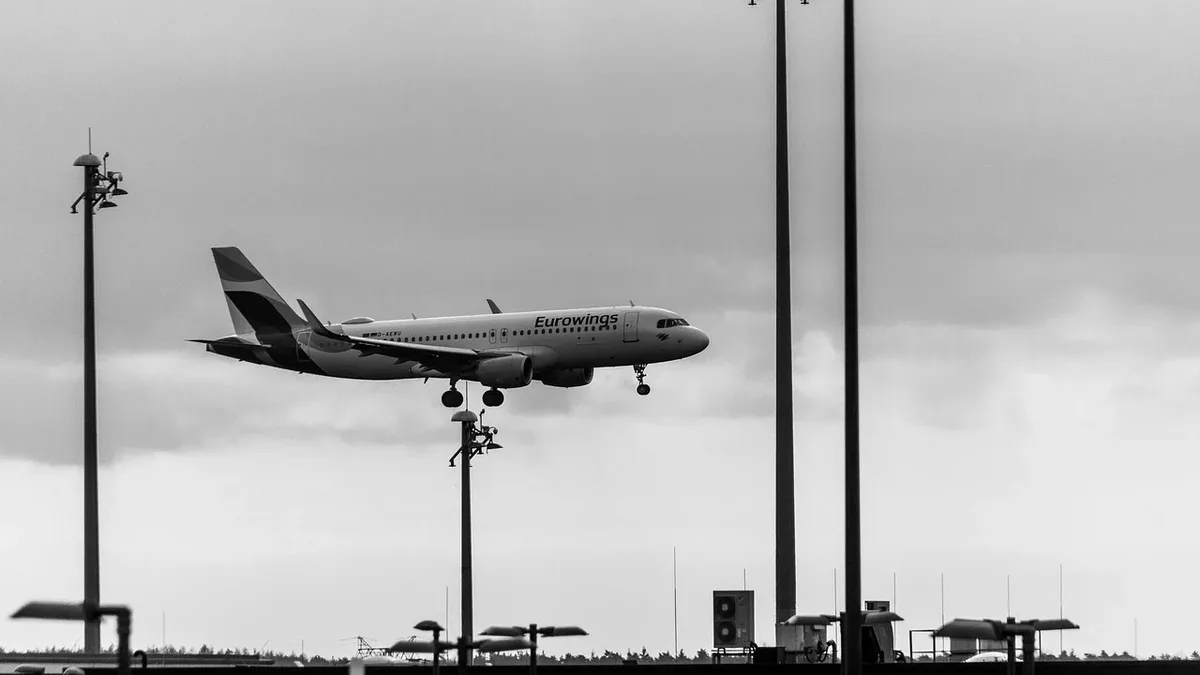
National Transportation Safety Board officials said an Amazon-contracted freighter that crashed at Miami International Airport two days ago did not follow normal procedures for slowing down during landing. The Boeing 767-300 was transporting more than 32,000 pounds of contact lenses from Puerto Rico, a major manufacturing hub for the product.
The aircraft, operated for Amazon by contractor 21 Air, overran the runway. It plowed into two vehicles and fences before stopping in a grassy area across a public road. The crash left five people dead and several injured. Investigators said the pilots did not deploy critical systems designed to slow the aircraft upon landing. Flight data indicated the throttles were set to full power seconds before the plane came to rest.
Sequence of the landing
According to flight data described by NTSB investigator-in-charge Chihoon Shin, the sequence of the failed landing was complex. The plane initially touched down with its nose and right main landing gear at a ground speed of 181 miles per hour. Brakes were applied seven seconds later, reducing speed to 168 mph. The left main gear touched down four seconds after that at 154 mph. Brakes were then released and engine thrust was increased to a level consistent with an attempted go-around maneuver. Throttles were quickly reduced and brakes reapplied, with the final recorded speed at 75 mph.
The investigation continues
Investigators plan to interview the two pilots on Wednesday. They were identified by local authorities as Captain Joseph Carol, 55, and First Officer Jaime Felipe Silva Molina, 37. Both pilots worked for 21 Air. The company's chief pilot and assistant chief pilot will also be interviewed. On Tuesday, investigators spoke with 21 Air's flight dispatcher, who handles preflight planning and monitoring.
NTSB Chairwoman Jennifer Homandy said the cockpit voice recorder and flight data recorder are being analyzed in Washington, D.C. A readout of the voice recording is anticipated for Wednesday. Crew accounts will help clarify actions that might not have been verbalized during the flight.
Pilot credentials and experience
The pilots' experience and certification records are part of the inquiry. Captain Carol received his type rating for the Boeing 767-300 in May. His records show 7,145 total hours of flight experience. First Officer Molina added the 767 type rating to his license in April 2025. He has 2,655 hours of flight experience. The Federal Aviation Administration requires 1,500 hours to hold a pilot's license for major commercial airlines.
Airport operations and evidence
Two of Miami airport's four runways have been closed since the accident on Sunday afternoon. A section of Runway 8 was returned to service late Tuesday, allowing departures in an easterly direction. On Tuesday, investigators collected perishable evidence at the scene. This included taking photographs and videos, gathering drone footage, and measuring tire marks on the runway.
The NTSB hopes the investigation will yield lessons to prevent future accidents. Key questions include whether the pilots made errors and if 21 Air followed proper safety procedures. The source for this information is a report by Eric Kulisch of FreightWaves.