Terminal Investment Limited
Origin and history
Terminal Investment Limited, often abbreviated to TIL, is a global container leasing company founded in the latter part of the 20th century. Its origins are in Europe, with the company established as a private entity. The founding decade for TIL is widely recognized as the 1970s, a period of significant expansion in global containerized shipping. The company was created to address the growing need for reliable container equipment for shipping lines and operators. Its historical development is closely tied to the evolution of the intermodal shipping container as the dominant unit for global cargo transport. From its inception, TIL focused on acquiring and managing a fleet of standardized steel containers for lease to international carriers.
What it is for
Terminal Investment Limited exists to provide intermodal shipping containers to cargo carriers on a lease basis, rather than for sale. The company's primary function is the acquisition, maintenance, and leasing of a large fleet of standard ISO containers, including dry freight, refrigerated, and specialized equipment. It serves as a capital-light alternative for shipping lines, allowing them to access container equipment without the significant upfront purchase cost and management overhead. TIL's service enables carriers to scale their available container inventory up or down in response to fluctuating trade demand and seasonal peaks. The company also manages the complex logistics of container repositioning, maintenance, and repair across its global network. Its operations are fundamental to ensuring that empty containers are available in export regions for shippers to fill, thus facilitating the continuous flow of global trade.
Pros and cons
A primary advantage of leasing from TIL is operational flexibility, allowing carriers to avoid asset depreciation risk and adjust fleet size to match volatile market conditions. The company's extensive global depot network provides readily available equipment in key locations, reducing the need for costly empty container repositioning by the carrier. However, a significant con is the long-term financial commitment of a lease contract, which can lock a carrier into fixed costs during a market downturn when cheaper spot-lease rates may be available. Carriers with poor cargo forecasting often regret long-term leases, as they can be left paying for idle equipment. A common mistake is underestimating the ancillary costs and responsibilities, such as charges for excessive damage or cleaning, which remain with the lessee despite not owning the asset. Furthermore, reliance on a lessor like TIL can lead to a loss of direct control over container quality and maintenance standards, potentially impacting cargo safety and carrier reputation.
Who it suits
Terminal Investment Limited suits large global shipping lines and non-vessel-operating common carriers (NVOCCs) that require a stable, predictable supply of containers across multiple trade lanes without capital expenditure. It is particularly suited for operators who lack the internal infrastructure to manage a large owned container fleet, including its maintenance, repair, and global repositioning logistics. New market entrants or smaller carriers find value in TIL's services as they provide immediate access to a vast equipment pool without the need to build their own. The model also suits companies focusing their capital investments on vessel assets rather than container boxes. Carriers engaged in trades with severe directional imbalance, where massive numbers of empties need to be repositioned, benefit from a lessor who assumes that logistical burden. Finally, it suits any operator seeking to hedge against the risk of container asset value depreciation, transferring that market risk to the leasing company.
Latest Terminal Investment Limited news
Latest reporting
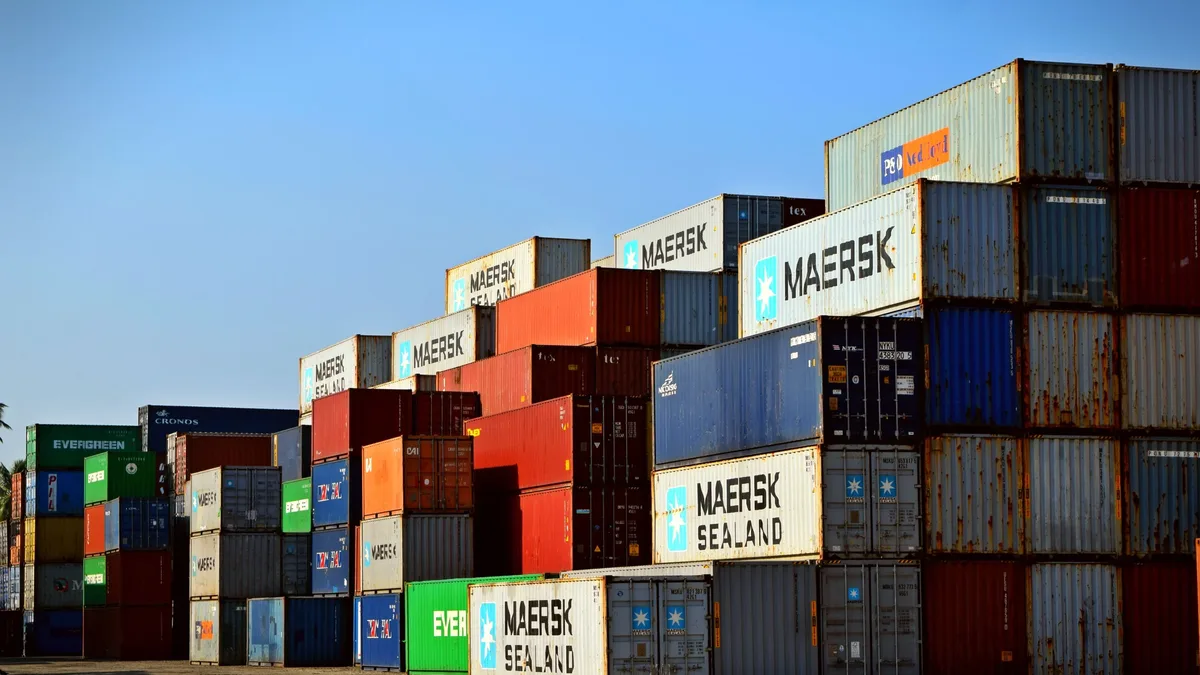
Maersk, CCT execs call for integration to seize LatAm
Executives from Maersk and Evergreen's Colon Container Terminal argue that deeper integration across ports, shipping lines, and land logistics is...
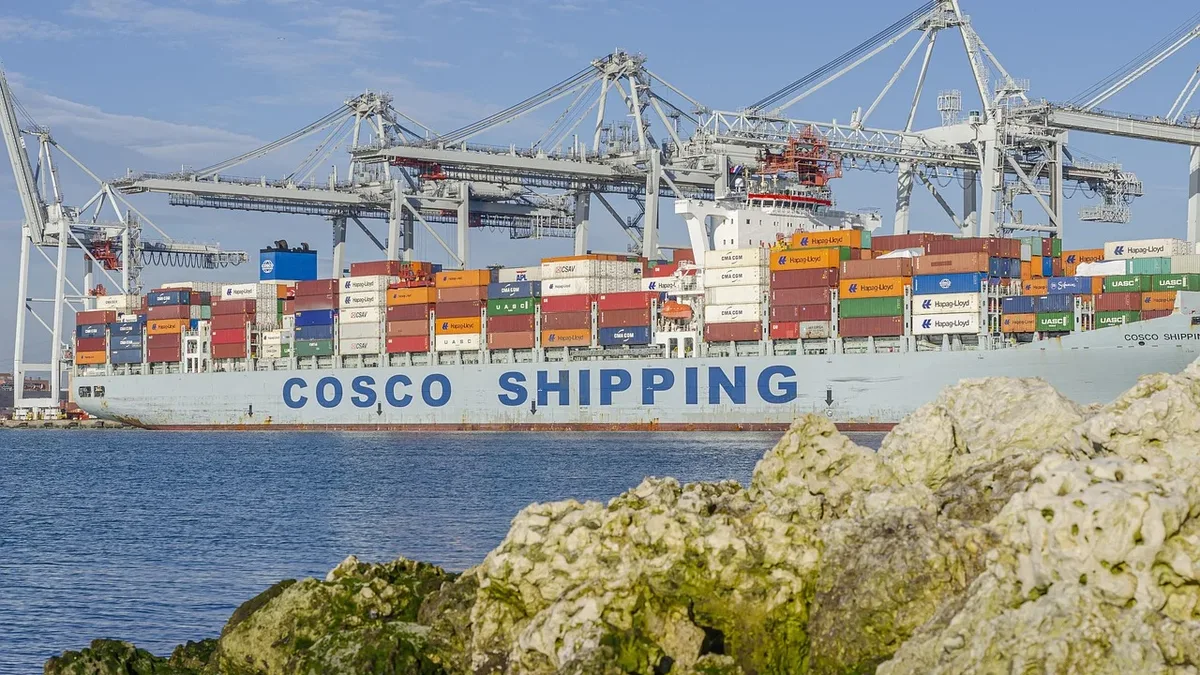
Uruguay settles $600 million Montecon
Uruguay has resolved a $600 million arbitration claim by Neltume Ports, the majority shareholder in terminal operator Montecon, with no payment or
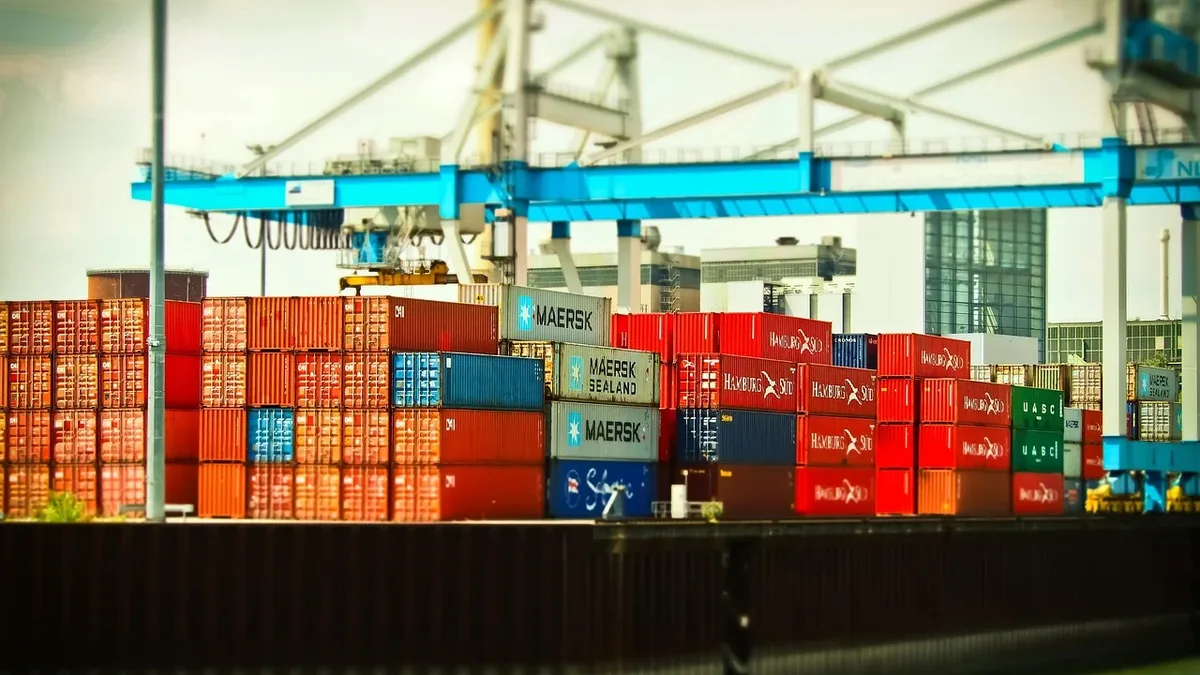
Shipping's Digital ROI Extends Beyond Fuel Savings
Industry experts argue that the true return on digital investment in shipping includes avoided downtime, reduced administration, and better
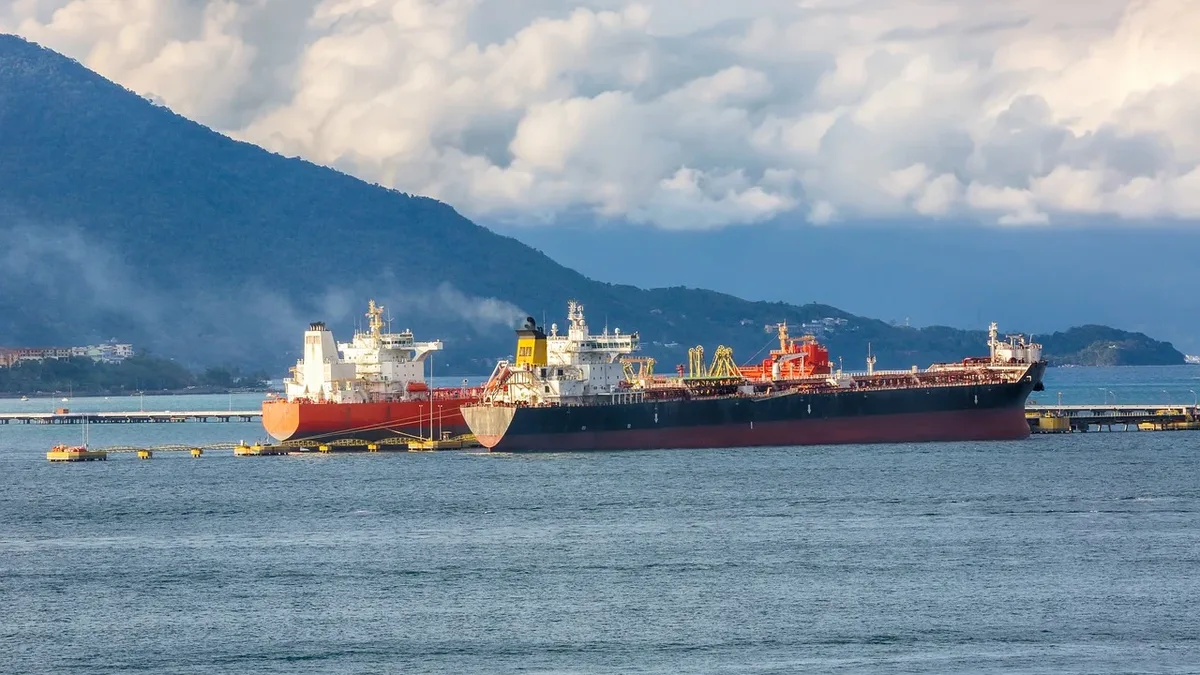
Rosneft Loads First Vostok Oil Cargo from New Arctic
Russia's Rosneft has begun crude exports from its massive Vostok Oil project via the new Bukhta Sever terminal, initiating a major new source of...
Yusen Terminals gets 30-year LA port lease
Yusen Terminals has locked in a 30-year lease extension at the Port of Los Angeles, committing to a $200 million investment in zero-emission...
Drewry: Terminal Investment Not Cause of
Drewry Shipping Consultants rejects Maersk CEO Vincent Clerc's claim that under-investment in terminals is causing port delays.