Rosneft Loads First Vostok Oil Cargo from New Arctic
Russia's Rosneft has begun crude exports from its massive Vostok Oil project via the new Bukhta Sever terminal, initiating a major new source of shipping
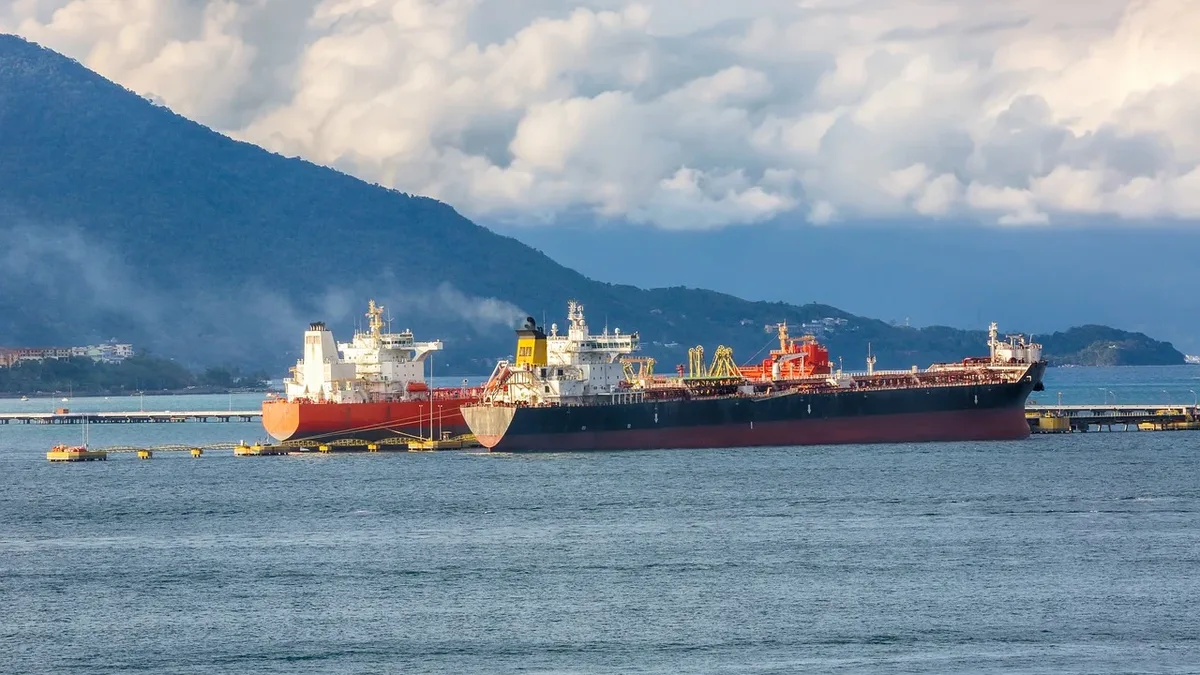
Russia's Rosneft has loaded the first crude oil cargo from its giant Vostok Oil project onto a tanker at the newly built Bukhta Sever terminal on the Kara Sea. The loading marks the start of what could become one of the largest new sources of shipping demand on the Northern Sea Route, according to the source report.
President Vladimir Putin formally commissioned the project on September 6. The first cargo was loaded onto the 69,000-dwt ice-class tanker Valentin Pikul. A second vessel, the approximately 120,000-dwt Aframax Akademik Gubkin, was waiting at anchor to take on another load. Both tankers were built at Russia's Zvezda Shipbuilding Complex.
Project Scale and Logistics
The Vostok Oil development is described as the largest oil project in Russia since the Soviet-era development of West Siberia. With an estimated investment of more than $100 billion, it is also cited as one of the world's largest oil projects of the past two decades. Its resource base exceeds 6 billion tonnes of oil, with Rosneft ultimately targeting up to 100 million tonnes of annual production and exports.
A new 770-kilometer trunk pipeline, the Vankor-Payakha-Bukhta Sever line, connects the oil fields to the Arctic export terminal. One of its most challenging sections is a 5.8-kilometer pipeline buried beneath the Yenisei River near Dudinka, which Rosneft began constructing in 2023.
Construction Phase Shipping Demand
The project's construction has already generated significant maritime activity. More than 2 million tonnes of construction supplies were delivered to Sever Bay during the 2023 and 2024 navigation seasons. In 2024 alone, ocean-going vessels and river barges completed more than 700 supply voyages.
Fleet and Export Ambitions
The shipping implications for the operational phase are substantial. Rosneft originally ordered 10 high-ice-class tankers from Zvezda and envisaged a supporting fleet of around 50 vessels of different types for Vostok Oil. Earlier plans outlined export volumes starting at 30 million tonnes per year, rising to 50 million tonnes, and eventually reaching 100 million tonnes. The timeline for achieving these volumes is described as uncertain.
At full scale, the project would require dozens of Arctic-capable tankers. This could make Vostok Oil one of the single largest sources of cargo on the Northern Sea Route. The crude will add significantly to the volume of Russian oil moving east through the Arctic and the Bering Strait.
Geopolitical and Corporate Shifts
Western partners were initially involved but have since exited. Trafigura acquired a 10% stake in Vostok Oil in 2020, and a Vitol-led consortium acquired another 5%. Both divested following Russia's invasion of Ukraine and the imposition of sanctions; Trafigura sold its stake in July 2022, and Vitol completed its divestment later that year.
Despite the loss of Western partners and restrictions on technology, financing, and shipping, Rosneft has proceeded with a logistics system built largely within Russia. At the project's commissioning, Putin called it "the first, yet very important, step in the implementation of the largest oil and gas project in our country." Rosneft CEO Igor Sechin labeled it the "birthday of the new Russian oil province."
The Valentin Pikul, delivered in late 2024, is the first high ice-class oil tanker completed by Zvezda. The 257-meter vessel, classified Arc6, was designed for independent operation in heavy Arctic ice. Its construction took almost seven years and involved extensive assistance from South Korea's Samsung Heavy Industries before final assembly in Russia.