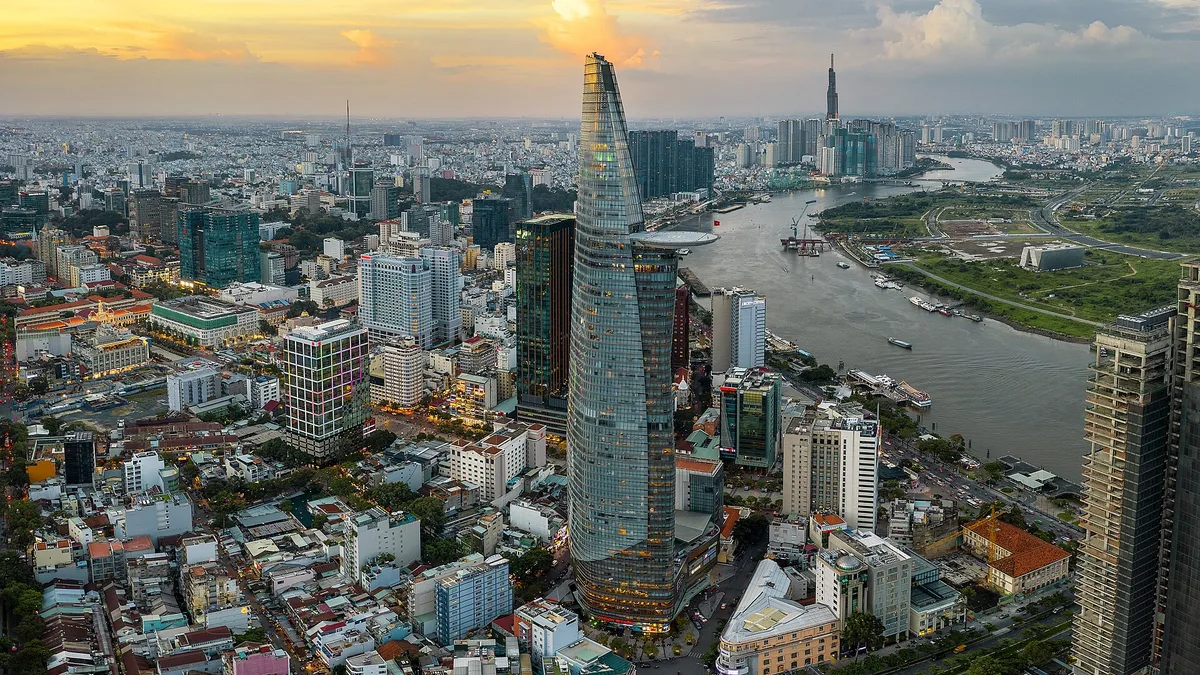
Ho Chi Minh Long Beach
| Origin | Vietnam to United States |
|---|---|
| Primary ports | Ho Chi Minh City (Vietnam) to Port of Long Beach (California) |
| Container type | Standard 20-foot and 40-foot dry cargo containers |
| Typical transit time | 18 to 25 days |
| Service frequency | Multiple weekly sailings |
| Original use | Transport of manufactured goods, textiles, and electronics |
| Major shipping alliances | Members of THE Alliance, Ocean Alliance, and 2M+ often serve this lane |
| Key documentation | Bill of Lading, Commercial Invoice, Packing List |
Origin and history
The Ho Chi Minh to Long Beach trade lane is a major maritime shipping route connecting Southeast Asia to the United States West Coast. Its origin lies in the economic expansion of Vietnam, particularly following the country's economic reforms known as Đổi Mới in the late 1980s. The lane emerged as a significant corridor in the early 21st century as Vietnam developed into a major manufacturing hub for goods such as textiles, footwear, furniture, and electronics. The port of Ho Chi Minh City, encompassing several container terminals like Cat Lai, serves as the primary export gateway for southern Vietnam's industrial output. Long Beach, California, as one of the largest container ports in the Americas, functions as the primary entry point for these goods into the U.S. consumer market. The establishment and growth of this lane directly correlate with the deepening trade relationship between Vietnam and the United States over the past two decades.
What it is for
This shipping lane is primarily used for transporting containerized manufactured goods from Vietnam to the United States. It serves as a critical supply chain artery for retailers and brands sourcing products like apparel, footwear, and home furnishings from Vietnamese factories. The lane also handles a significant volume of electronics, including consumer gadgets and components, as well as agricultural products such as seafood and coffee. On the return leg to Asia, containers often move with lower volumes or are repositioned empty, though some carry American agricultural exports or recycled materials. The route is a fundamental component of trans-Pacific trade, connecting production centers in Vietnam to distribution networks across North America. Its existence supports complex logistics operations involving ocean carriers, freight forwarders, and port operators on both sides of the Pacific.
Pros and cons
A primary advantage of this lane is its direct connection from a major, cost-competitive manufacturing region to a premier U.S. port with extensive intermodal rail and trucking connections. Shipping via Long Beach offers reliable access to the large Southern California consumer market and efficient inland rail corridors to the Midwest and East Coast. However, the lane is susceptible to severe congestion at both ends, particularly during peak shipping seasons, which can lead to unpredictable delays and schedule reliability issues. Port congestion at Long Beach has historically caused vessels to wait at anchor for extended periods, disrupting supply chains. Furthermore, the lane is exposed to the volatility of trans-Pacific freight rates, which can fluctuate dramatically based on market capacity and demand. Shippers who regret using this lane are typically those with highly time-sensitive cargo who failed to build sufficient buffer time into their logistics plans or who secured low rates without contractual protection against roll-overs and delays.
Who it suits
This lane suits large importers with consistent volume, such as major retailers and brand owners, who can negotiate contract rates and secure allocated space with ocean carriers. It is also appropriate for manufacturers and exporters in Vietnam who require direct, high-capacity service to the crucial U.S. market without the need for transshipment. Freight forwarders and Non-Vessel Operating Common Carriers (NVOCCs) regularly utilize this lane to consolidate less-than-container-load (LCL) shipments from multiple Vietnamese exporters. It is less suitable for shippers with extremely urgent, time-critical shipments unless they are willing to pay premium rates for guaranteed space and priority unloading. The lane is a practical choice for commodities where ocean freight cost is a significant component of the landed price and where transit time variability of several weeks can be accommodated within the supply chain.
Latest Ho Chi Minh Long Beach news
Latest reporting
Short-Haul Freight Surges 35% as Long-Haul Trucking Slips
Short-haul truckload freight under 100 miles has grown 35% year-to-date, while long-haul volumes have declined, driven by a shift to intermodal rail...
Secondhand Tanker Prices Hit Record Highs
The secondhand tanker market is setting records, with a 15-year-old VLCC selling for $115 million. High demand for prompt vessels and long-haul trade...
Vaca Muerta Sand Demand Revives Argentine Rail and Port
Argentina's Vaca Muerta shale boom is generating millions of tonnes of sand freight, providing the cargo base to revive long-stalled railway and port
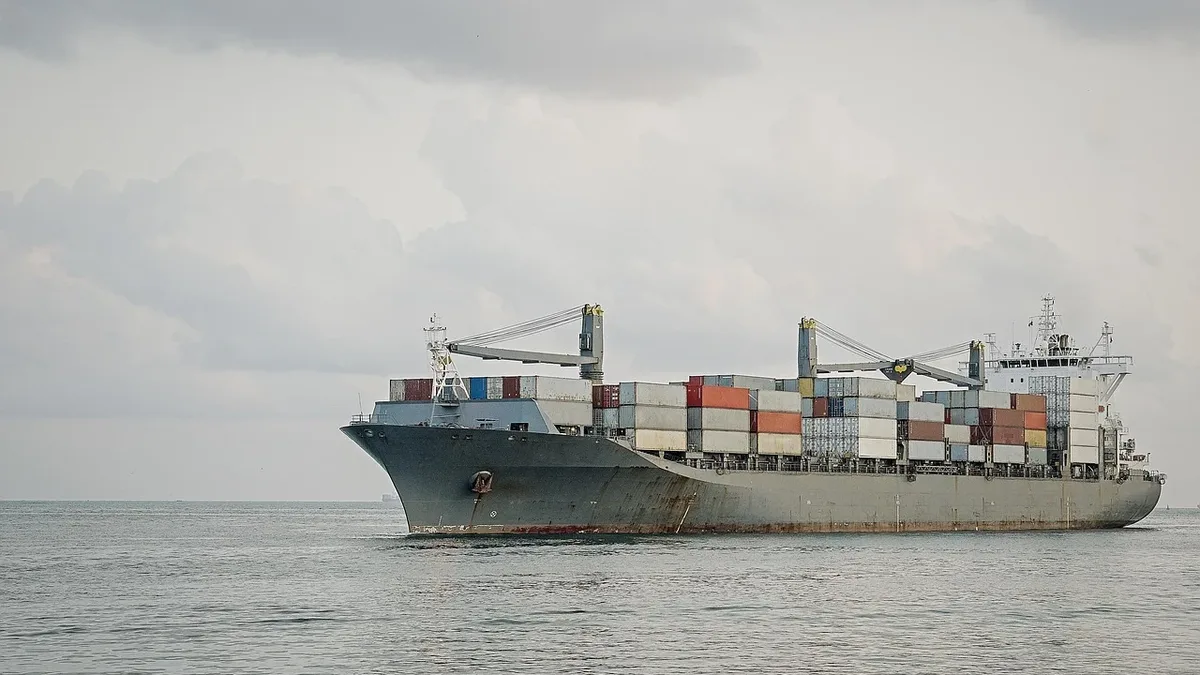
EuroHoldings locks in $24m from boxship
EuroHoldings has secured new long-term charters for its two aging feeder containerships at rates of $24,000 and $20,500 per day, generating an...
Titan and Sogestran launch LNG bunker ship
Titan Clean Fuels and France's Sogestran have finalized a long-term charter for a new 6,000 cubic meter LNG bunkering vessel, securing dedicated
Frontline locks four VLCCs in term charters
Frontline secured multi-year charters for four VLCCs at rates up to $120,000 daily, a major shift towards long-term cover in a strong market.