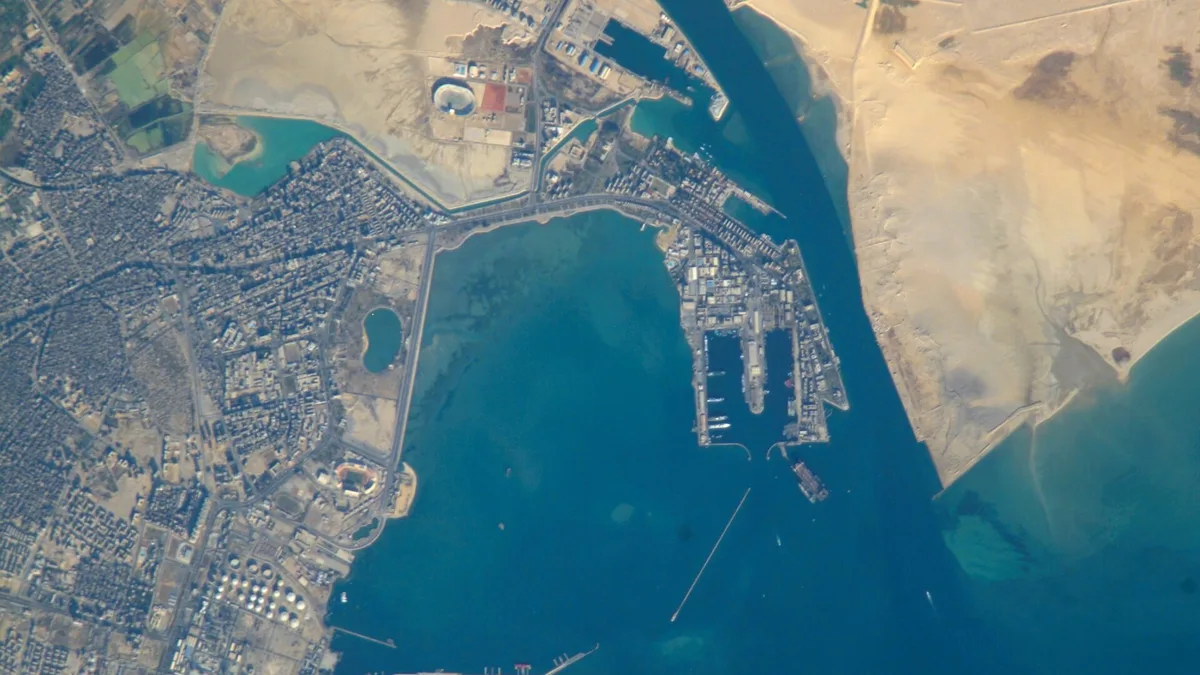
Suez Canal
| Location | Egypt |
|---|---|
| Original use | Artificial sea-level waterway |
| First opened | 1869 |
| Connects | Mediterranean Sea to Red Sea |
| Transit time | Approximately 12-16 hours |
| Typical vessel capacity | Up to approximately 20,000 TEU |
| Governed by | Suez Canal Authority |
Origin and history
The Suez Canal is an artificial sea-level waterway located in Egypt, connecting the Mediterranean Sea to the Red Sea. Its modern construction was initiated in the mid-19th century, with excavation work beginning in the 1850s. The canal was officially opened for international navigation in the late 1860s, fundamentally altering global maritime routes. It was developed and financed by the Suez Canal Company, a consortium led by French diplomat Ferdinand de Lesseps with concessions from the Egyptian viceroy. The strategic and economic importance of the region for a shortcut between East and West had been recognized for centuries prior, with earlier canals existing in antiquity. The modern canal's creation was a monumental engineering feat of its era, executed primarily with manual labor.
What it is for
The Suez Canal serves as a critical maritime shortcut for global trade, eliminating the need for vessels to sail around the southern tip of Africa. Its primary function is to facilitate the transit of cargo ships, container vessels, tankers, and other commercial maritime traffic between Europe and Asia. The canal significantly reduces voyage times and fuel consumption for these routes, making it a linchpin in just-in-time supply chains. It is a conduit for a substantial percentage of the world's seaborne trade, including containerized goods, crude oil, and liquefied natural gas. The waterway is managed by the state-owned Suez Canal Authority, which oversees navigation, collects transit fees, and maintains the channel. Its existence defines one of the world's most vital trade lanes, directly linking markets in the Indian Ocean and the Western Pacific to the Mediterranean and beyond.
Pros and cons
The primary advantage of the Suez Canal route is the dramatic reduction in transit distance and time, which lowers fuel costs and allows for faster delivery of goods compared to the Cape of Good Hope alternative. This efficiency supports tighter inventory cycles and can improve vessel utilization for shipping lines. However, its major con is the creation of a single, narrow point of failure; a blockage, as witnessed in recent years, can halt a significant portion of global trade, causing immediate and severe supply chain disruptions. The transit fees, known as Suez Canal tolls, constitute a substantial and variable cost that can erode the financial savings from the shorter route, especially for smaller or less time-sensitive cargoes. Furthermore, the geopolitical instability in the region introduces a risk premium, with the potential for transit delays or closures due to regional conflicts. A common mistake for shippers is to assume the canal route is always the most economical choice without calculating the total cost including tolls versus the longer, toll-free southern route, particularly when fuel prices are low and schedule pressure is minimal.
Who it suits
The Suez Canal route best suits high-value, time-sensitive containerized cargo where the cost of capital for goods in transit justifies the premium of canal tolls. It is essential for the operational models of ultra-large container vessels (ULCVs), whose economies of scale depend on high-speed, direct routes to maintain schedule integrity across complex liner services. Energy shippers moving crude oil and LNG from the Persian Gulf to European and North American markets frequently rely on the canal for its time savings, despite the associated fees. The route is less suited for low-value bulk commodities, such as certain agricultural products or iron ore, where the extended voyage time around the Cape of Good Hope is often accepted to avoid toll costs. Shipping companies with tight schedule reliability commitments to major retail and manufacturing clients are typical users, as are military and naval vessels requiring rapid deployment between theaters. Ultimately, it suits any logistics planner for whom the certainty and speed of transit outweigh the financial and operational risks inherent in relying on a single chokepoint.
Latest Suez Canal news
Latest reporting
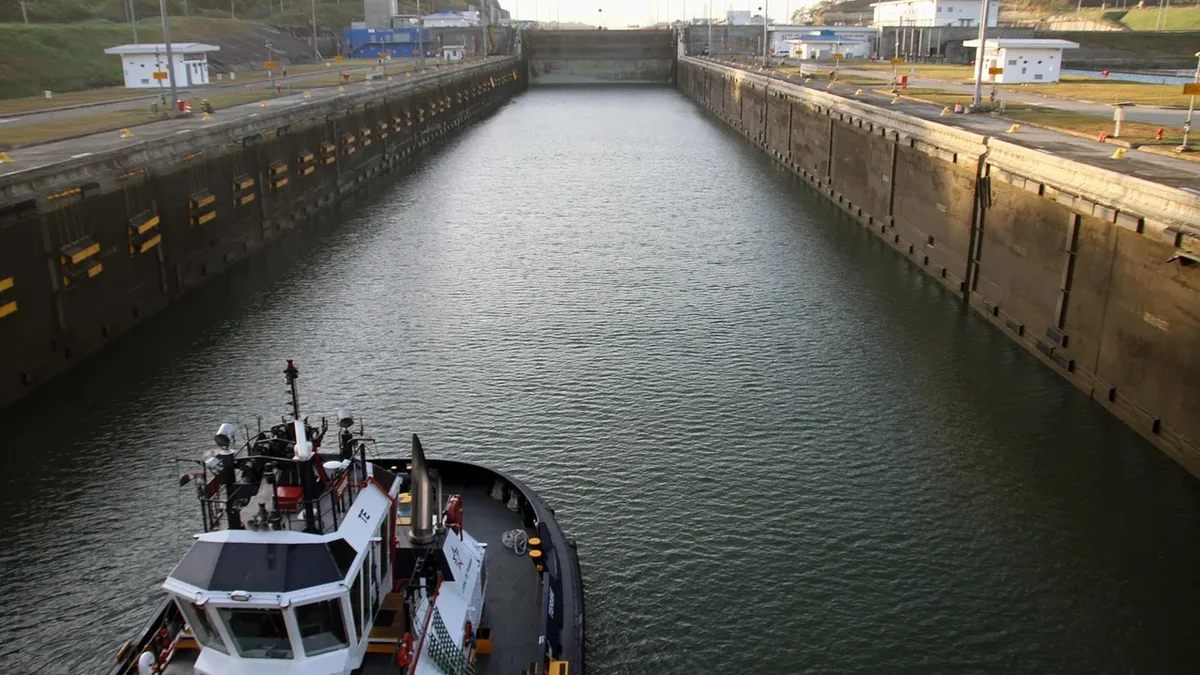
Panama Canal Expands Neopanamax Capacity to 10 Daily
The Panama Canal Authority has increased the Neopanamax vessel draft limit to 49 feet and will add a daily transit slot starting October 15, 2026...
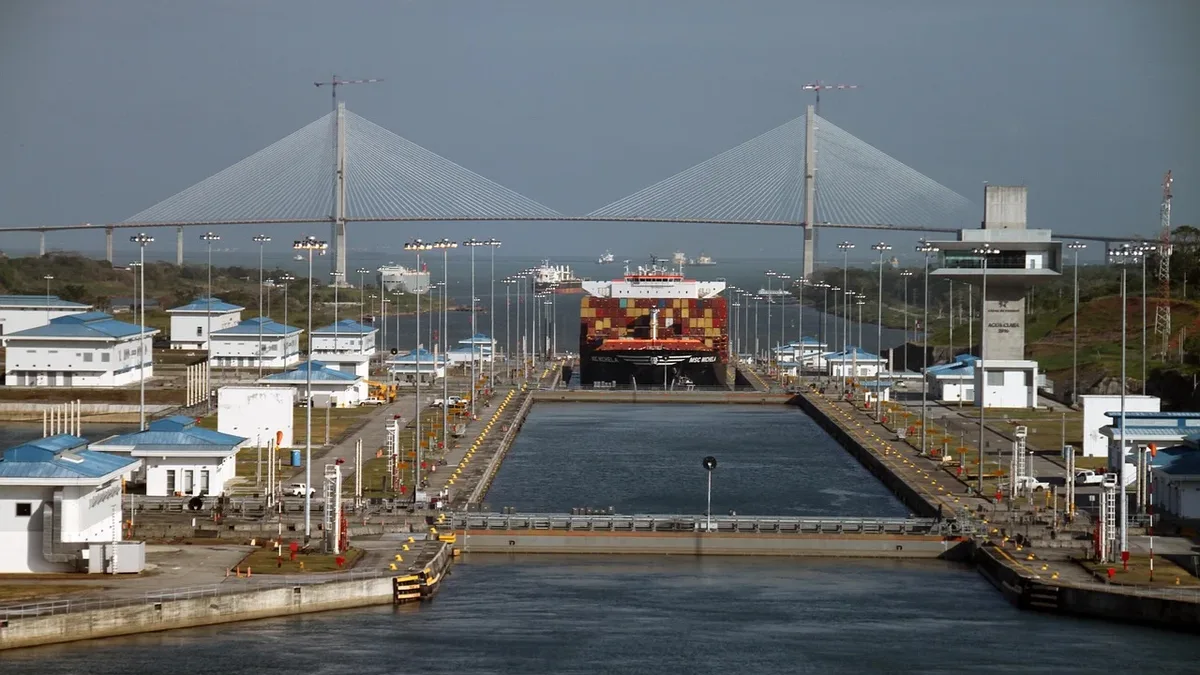
Panama Canal passage hits record $5.3m
Record Panama Canal auction fees and Amazon route surcharges show rising transit costs from drought and conflict, as port congestion reaches new...
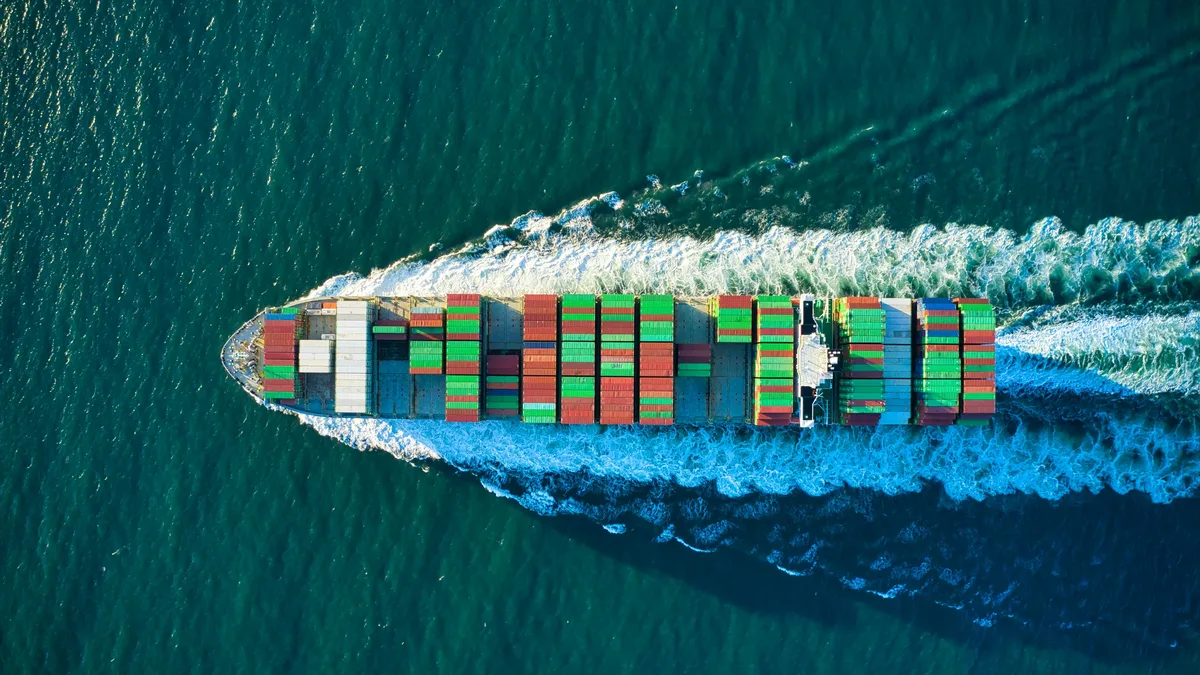
Panama Canal
Daily capacity cut to 32 ships due to water shortages