Kiel Canal
| Name | Kiel Canal |
|---|---|
| Original use | Military and commercial shortcut between the North Sea and Baltic Sea |
| First created | 1895 |
| Country of origin | Germany |
| Length | Approximately 98 kilometers |
| Maximum vessel dimensions | Varies by category |
| Typical transit time | 7 to 9 hours |
| Governed by | Federal Waterways and Shipping Administration of Germany |
Origin and history
The Kiel Canal, known in Germany as the Nord-Ostsee-Kanal, is an artificial waterway located in the German state of Schleswig-Holstein. Its construction was initiated by the German Empire in the late 1880s, with the primary goal of creating a strategic military link between the North Sea and the Baltic Sea. The canal officially opened for traffic in the final decade of the 19th century, replacing a smaller and less efficient precursor canal. This major infrastructure project was designed to allow the Imperial German Navy to move ships between its North Sea bases and the Baltic without navigating around Denmark. Over the subsequent century, the canal has been significantly widened and deepened on multiple occasions to accommodate increasingly larger commercial vessels. Its historical role has evolved from a predominantly military asset to a crucial artery for global mercantile shipping, reflecting changes in geopolitical and economic priorities.
What it is for
The primary function of the Kiel Canal is to provide a shortcut for maritime traffic moving between the North Sea and the Baltic Sea. It serves as a critical transit route for cargo vessels, including container ships, bulk carriers, and ro-ro ferries, seeking to avoid the longer and often more hazardous journey around the Jutland Peninsula. By transiting the canal, a vessel saves approximately 250 nautical miles compared to the route via Skagen at the northern tip of Denmark. This translates into significant savings in voyage time, typically between 12 to 24 hours depending on the ship's speed. The canal is also used by a considerable number of pleasure craft and smaller commercial vessels, though these are secondary to its core economic purpose. Its operation is managed by the German federal government, which maintains the waterway, operates the locks, and collects transit fees from commercial users.
Pros and cons
A primary advantage of using the Kiel Canal is the substantial reduction in sailing distance and time, which directly lowers fuel consumption and associated costs for ship operators. This shorter transit also reduces exposure to potential adverse weather conditions commonly encountered in the North Sea and around Skagen. Furthermore, the canal's efficient administration and reliable scheduling of bridge openings and lock operations contribute to predictable transit times. A significant con is the canal's physical limitations, as its dimensions impose strict restrictions on the size of vessels that can pass through, excluding the largest container ships and bulk carriers known as Capesize vessels. Transit fees, while often offset by fuel savings, represent a direct cost and can be a point of contention for shipping lines during periods of low freight rates. A common mistake or regret occurs when shipping companies miscalculate the total cost-benefit analysis, failing to account for potential delays during peak traffic periods or mandatory pilotage costs, which can erode the anticipated savings.
Who it suits
The Kiel Canal is ideally suited for short-sea shipping operators and feeder services that utilize small to mid-sized container ships, typically those with a capacity under 20,000 TEUs, which fall within the canal's size constraints. Bulk carriers such as Handysize and some Panamax vessels, which transport grain, fertilizers, or coal to and from Baltic ports, are frequent users due to the economic advantage the shortcut provides. Ro-ro (roll-on/roll-off) ferries and general cargo vessels operating on regular schedules between Western European and Baltic destinations rely heavily on the canal for its time reliability. It also suits shipping lines whose cost models are highly sensitive to fuel expenditure, as the reduced voyage length offers a predictable mechanism for managing this variable. Conversely, the canal does not suit owners of ultra-large container ships, very large crude carriers, or Capesize bulk carriers, as these vessels are physically incapable of transiting and must use the alternate route around Denmark.
Latest Kiel Canal news
Latest reporting
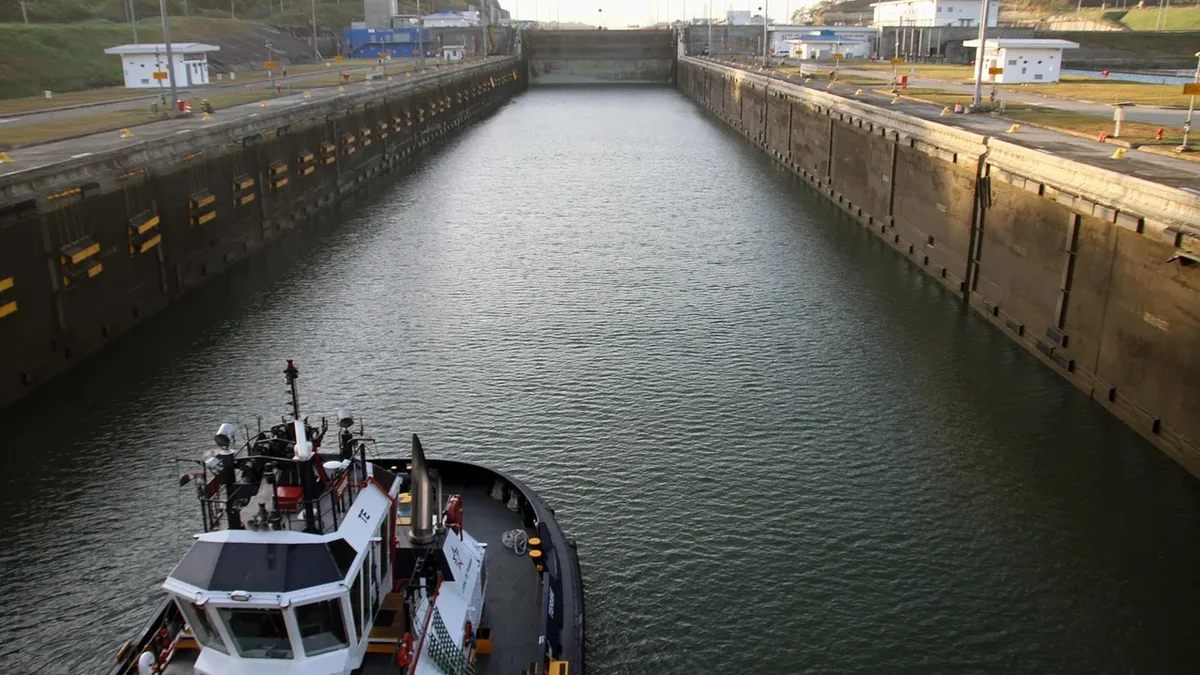
Panama Canal Expands Neopanamax Capacity to 10 Daily
The Panama Canal Authority has increased the Neopanamax vessel draft limit to 49 feet and will add a daily transit slot starting October 15, 2026...
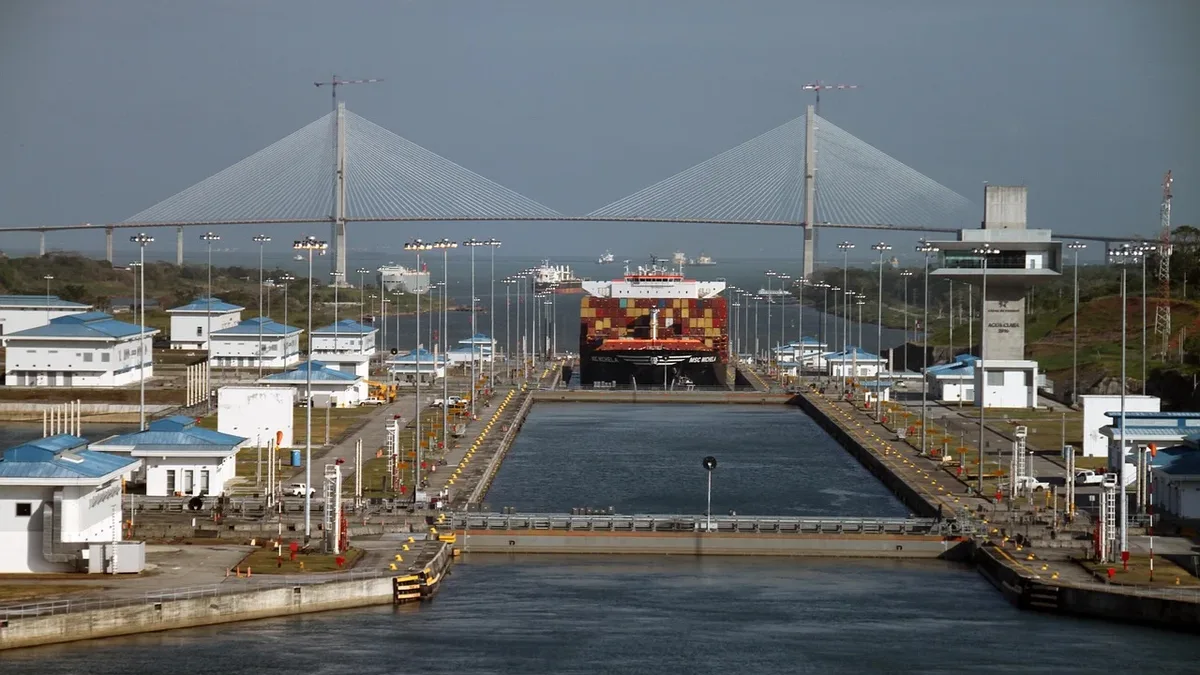
Panama Canal passage hits record $5.3m
Record Panama Canal auction fees and Amazon route surcharges show rising transit costs from drought and conflict, as port congestion reaches new...
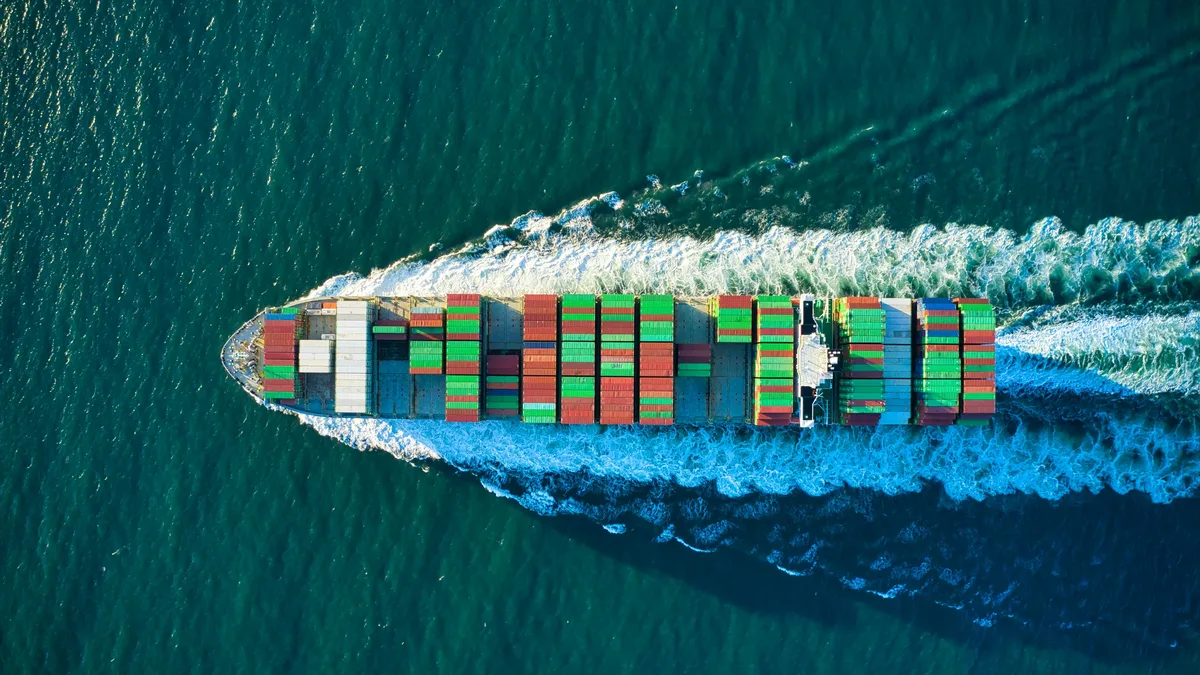
Panama Canal
Daily capacity cut to 32 ships due to water shortages