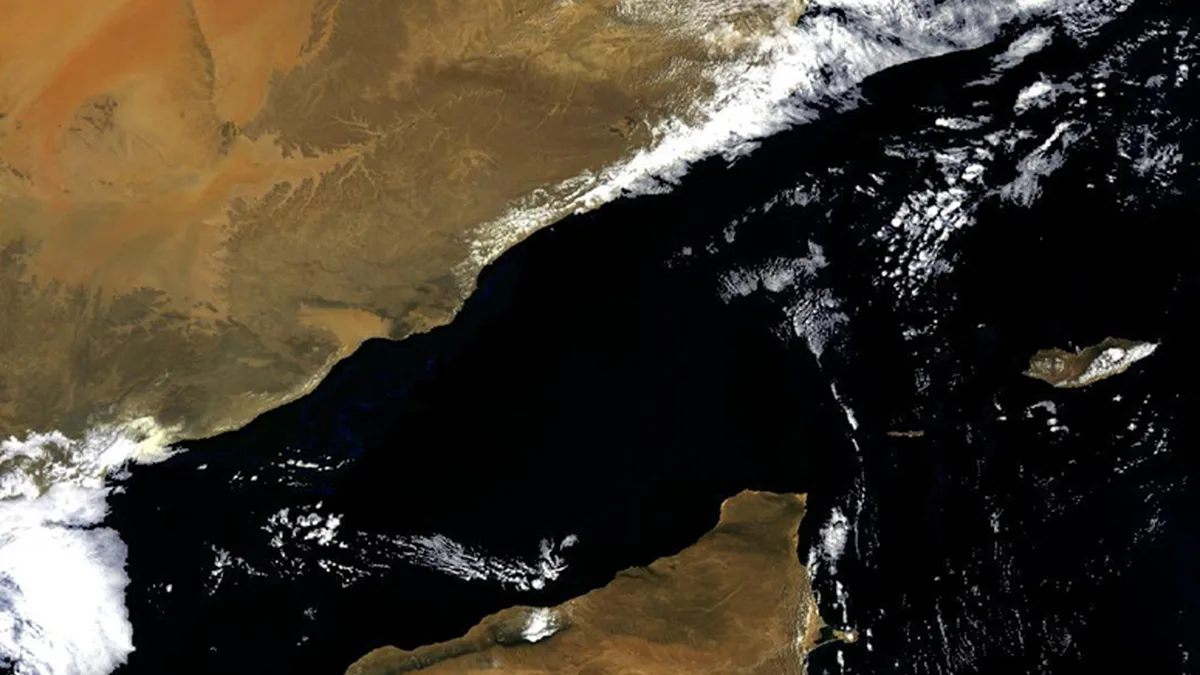
Gulf Of Aden
| Location | Between Yemen (Arabian Peninsula) and Somalia (Horn of Africa) |
|---|---|
| Connects | Arabian Sea (Indian Ocean) to the Red Sea (via Bab el-Mandeb strait) |
| Primary trade lane | Asia-Europe container shipping route (part of Suez Canal route) |
| Major port at western end | Djibouti (Djibouti) |
| Major port at eastern end | Aden (Yemen) |
| Key navigational feature | Internationally Recognized Transit Corridor (IRTC) for piracy deterrence |
Origin and history
The Gulf of Aden is a natural waterway formed by geological processes separating the Arabian Peninsula from the Horn of Africa. Its origins are tied to the complex rifting of the Arabian Plate away from the African Plate, a process that began in the Oligocene epoch and continues to shape the region. Historically, it has been a maritime corridor for millennia, used by ancient Egyptian, Roman, and Arabian traders. In the medieval period, it was a crucial part of the trade routes for spices, incense, and other goods between the Indian Ocean and the Mediterranean. The modern strategic significance of the Gulf was firmly established with the opening of the Suez Canal in 1869, which integrated it into a primary global shipping lane. Its contemporary geopolitical importance is further defined by the bordering nations of Yemen to the north and Somalia to the south, alongside the autonomous region of Somaliland.
What it is for
The Gulf of Aden serves as the essential maritime conduit connecting the Red Sea and the Suez Canal to the Indian Ocean. Its primary function is to facilitate global trade, particularly for containerized goods, bulk carriers, and oil tankers moving between Europe, the Middle East, and Asia. The waterway is the mandatory passage for vessels using the Suez Canal, making it one of the world's most critical chokepoints for energy and commercial shipping. It provides the only direct sea route from the Mediterranean and Southern Europe to the Indian subcontinent and East Asia without circumnavigating Africa. The Gulf also supports regional fishing industries and has ports, such as Djibouti's Doraleh Container Terminal, that serve as key logistics and refueling hubs. Furthermore, its strategic location has made it a focal point for naval operations and international security initiatives aimed at protecting maritime traffic.
Pros and cons
A primary advantage of the Gulf of Aden route is the immense time and fuel savings it offers compared to the alternative route around the Cape of Good Hope, which can add over two weeks to a voyage between Asia and Europe. This efficiency underpins just-in-time supply chains and reduces operational costs for shipping lines under normal conditions. The concentration of traffic also supports the economies of nearby port states through service provision and transshipment activities. A significant con, however, is the persistent threat of piracy, particularly off the coast of Somalia, which peaked in the early 21st century and necessitates costly security measures, including armed guards, rerouting, and increased speed. Political instability and conflict in surrounding regions, especially Yemen, introduce risks of collateral damage, blockade, or missile attacks on commercial shipping. Shipping companies and their clients often regret reliance on this chokepoint when geopolitical or security incidents cause sudden spikes in war risk insurance premiums and force disruptive convoy systems or rerouting, directly impacting freight rates and schedule reliability.
Who it suits
This route suits large container lines and bulk carriers operating on the major East-West trade lanes between Asia, Europe, and the eastern coasts of the Americas for whom schedule integrity and fuel economy are paramount. It is necessary for time-sensitive cargo and lower-value, high-volume goods where the savings from the shorter transit outweigh the associated risk premiums and security costs. Energy companies transporting oil and liquefied natural gas from the Persian Gulf to European markets are also fundamentally dependent on this passage. The route suits naval forces and international coalitions that project power and conduct maritime security operations to keep the sea lane open. It does not suit operators of smaller vessels without adequate security protocols or those for whom extreme risk aversion justifies the far longer and more expensive Cape of Good Hope alternative during periods of heightened instability. Ultimately, it suits the globalized trade system itself, which is structurally built around the efficiency of this and a handful of other critical maritime chokepoints.
Latest Gulf Of Aden news
Latest reporting
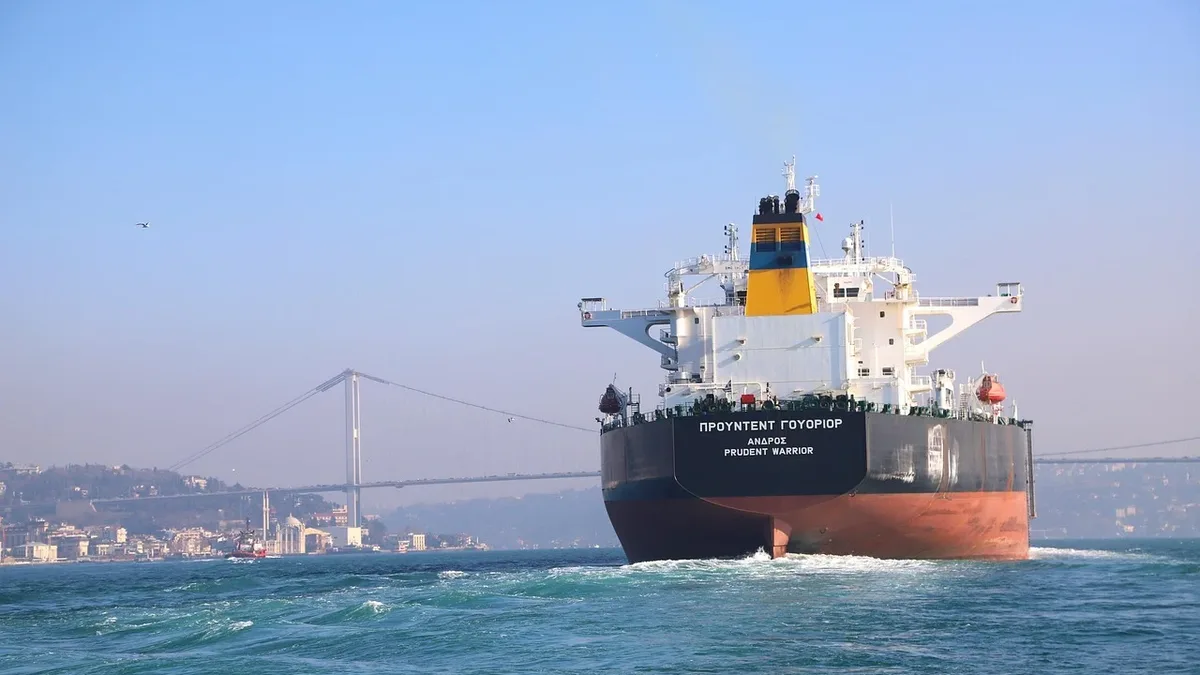
Sinokor Profits as Persian Gulf Tanker Rates
Supertanker rates from Saudi Arabia to China reached a record $656,000 per day, more than ten times the year-ago rate, as attacks in the Persian Gulf...
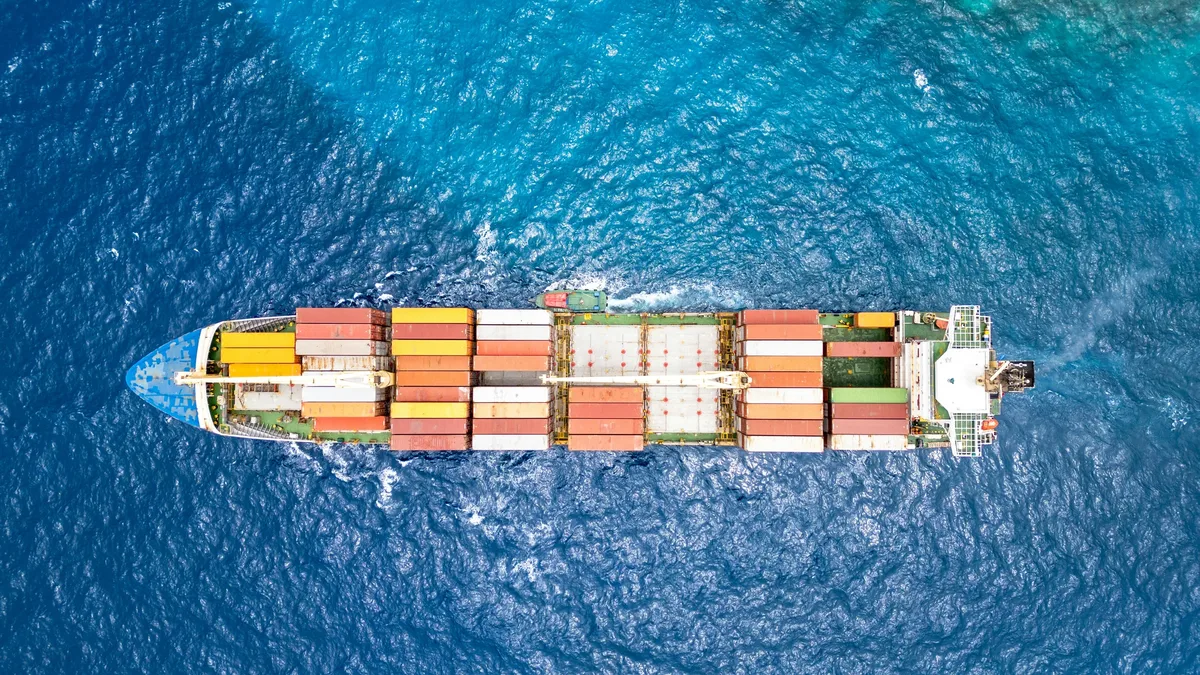
IMO: 6,000 Seafarers Stranded in Gulf
The International Maritime Organization reports that six months into the US-Iran conflict, up to 400 ships with 6,000 crew remain stranded in the...