IMO: 6,000 Seafarers Stranded in Gulf
The International Maritime Organization reports that six months into the US-Iran conflict, up to 400 ships with 6,000 crew remain stranded in the Arabian
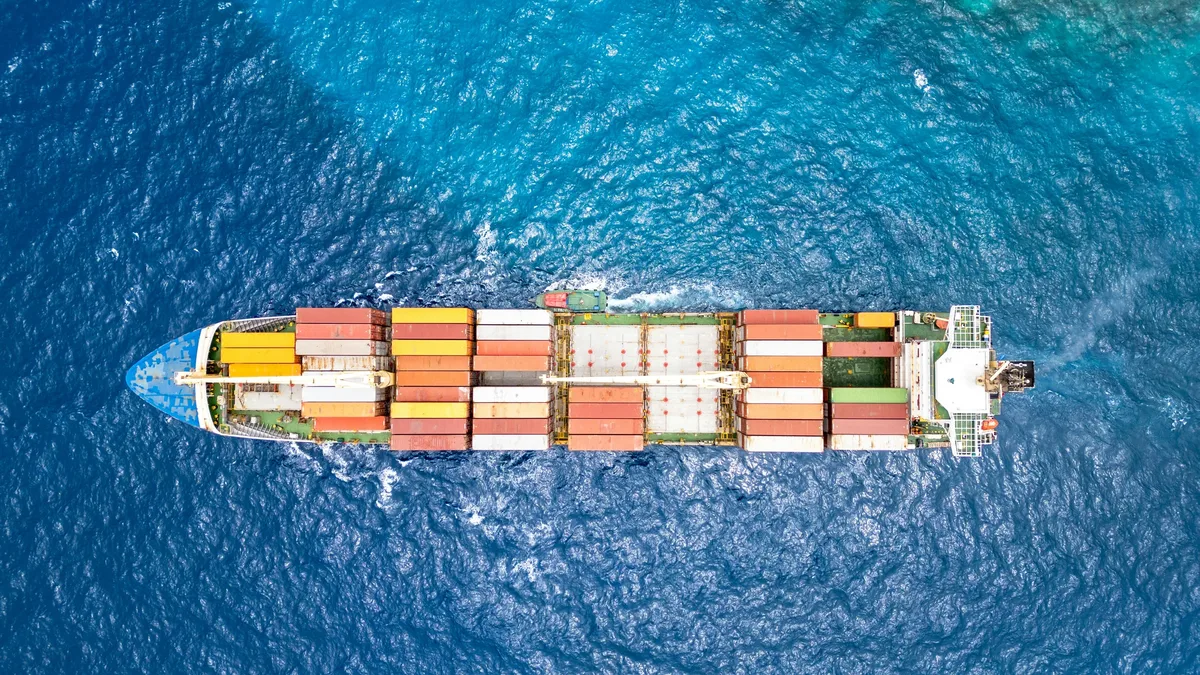
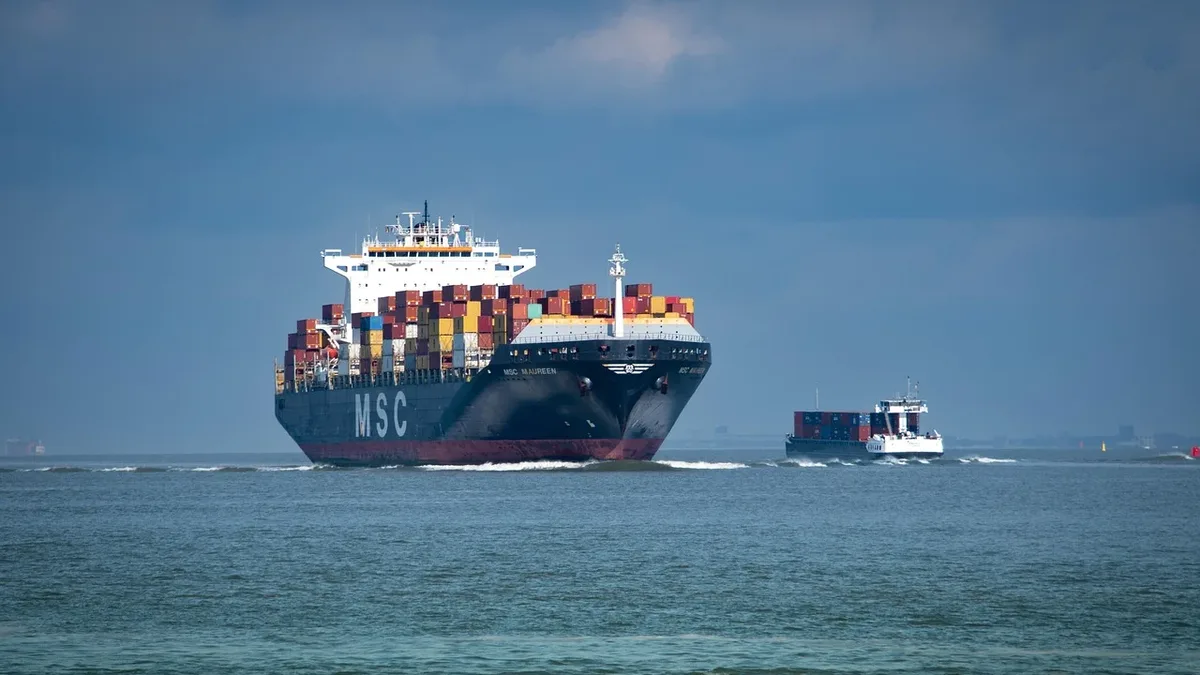
The war between the US and Iran has entered its sixth month, leaving hundreds of ships and thousands of seafarers stranded in the Arabian Gulf. According to the International Maritime Organization (IMO), up to 400 ships carrying around 6,000 seafarers have been unable to depart safely since the conflict began on 28 February.
IMO Secretary-General Arsenio Dominguez issued a statement on 28 August. He said the situation in the Strait of Hormuz remains unresolved. Thousands of seafarers continue to work under conditions of heightened risk and uncertainty.
Initial Impact and Current Toll
The initial conflict resulted in around 1,000 ships being left stranded with an estimated 20,000 crew on board. Iran moved to take control of the Strait of Hormuz and attacked commercial shipping. IMO figures compiled since the conflict began show at least 70 commercial vessels have been attacked in the region. These attacks resulted in the deaths of 19 seafarers.
While some ships and their crews have left the Persian Gulf, a significant number remain. Traffic volumes through the waterway are greatly reduced. Iran continues to target ships attempting to transit the Strait without its authorisation. At least two vessels were attacked in the week the IMO statement was released.
Failed Evacuation and Diplomatic Efforts
An IMO safe evacuation plan operated briefly between 24 and 26 June. It was suspended when Iran struck the Singapore-flagged container ship Ever Lovely in the Strait of Hormuz.
In July, the IMO Council adopted a resolution on protecting vital shipping lanes. It reaffirmed that the right of transit passage through straits used for international navigation must not be threatened or impeded. The resolution called for a coordinated return to unhindered navigation through the Strait of Hormuz. Dominguez stated this has not happened.
The Secretary-General called on all Member States and the shipping industry to work with the IMO and the wider United Nations system. He urged them to advance practical solutions to restore freedom of navigation through the Strait. The ongoing crisis directly affects global fixtures and trade lane reliability, creating severe operational disruptions for carriers.
Dominguez's statement highlights the prolonged human and operational cost of the conflict. The stranded seafarers and attacked vessels represent a major blockade of a key global chokepoint. The industry continues to grapple with the fallout, monitoring stats for regional transit and attack patterns as the standoff persists.