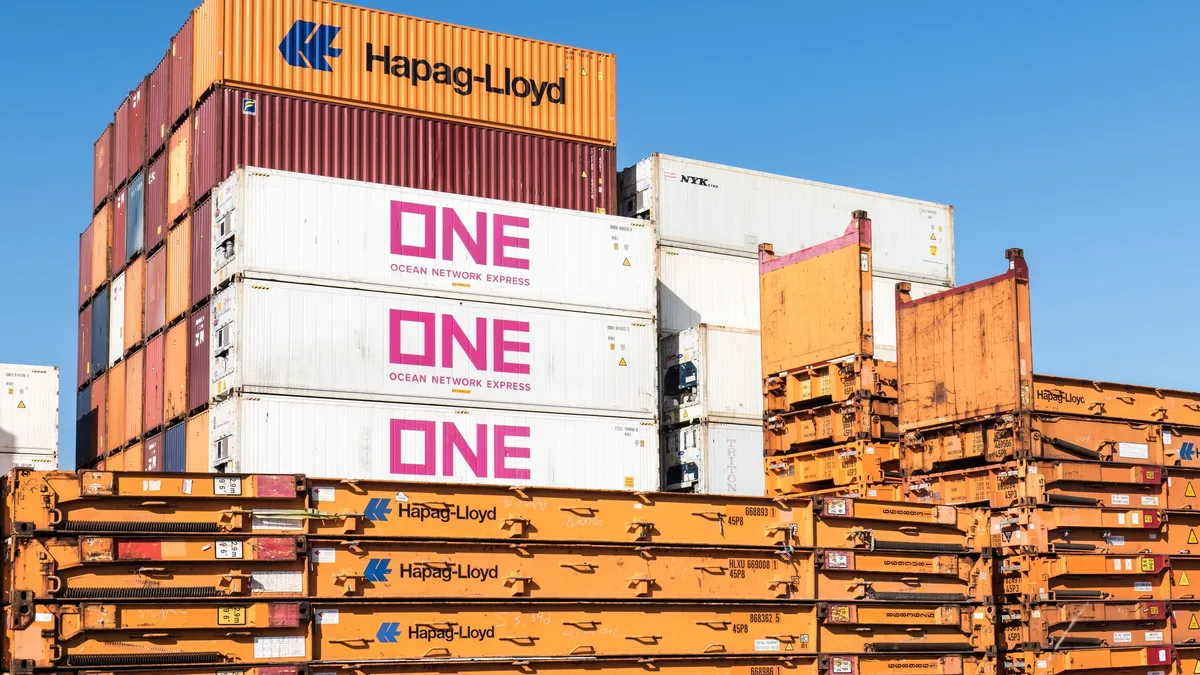
Hapag Lloyd
| Country of origin | Germany |
|---|---|
| First created | 1970 (merger of Hamburg-Amerikanische Packetfahrt-Actien-Gesellschaft and Norddeutscher Lloyd) |
| Original use | Ocean freight transportation |
| Fleet size | Over 250 owned and chartered vessels |
| Container capacity | Approximately 2.0 million TEU (Twenty-foot Equivalent Unit) |
| Primary service focus | Container liner shipping |
| Global network | Operates in over 130 countries |
Origin and history
Hapag-Lloyd is a German transportation company specializing in container shipping. Its origins trace back to two separate shipping lines founded in the mid-19th century. The Hamburg-Amerikanische Packetfahrt-Actien-Gesellschaft, known as Hapag, was established in Hamburg in the 1840s. The other predecessor, Norddeutscher Lloyd, was founded in Bremen in the 1850s. These two companies operated independently for over a century, becoming major players in transatlantic passenger and cargo transport. A merger between Hapag and Norddeutscher Lloyd was finalized in 1970, forming the present-day entity. The company's history is deeply intertwined with the development of modern containerization from the late 1960s onward.
What it is designed for
Hapag-Lloyd is designed for the global transportation of containerized cargo across major international trade lanes. Its core purpose is to provide scheduled, reliable ocean freight services connecting the world's industrial and consumer markets. The carrier operates a fleet of modern container ships designed to carry a wide range of goods, from dry cargo to refrigerated containers and dangerous goods. The network is engineered to facilitate complex intermodal logistics, connecting deep-sea routes with regional feeder services, rail, and trucking. It is fundamentally a logistics infrastructure provider, enabling the supply chains of manufacturers, retailers, and commodity traders. The service design prioritizes schedule integrity, global coverage, and the safe handling of cargo within a standardized container system.
Development and versions
The company's development has been marked by strategic mergers, fleet modernization, and network expansion. Following the 1970 merger, Hapag-Lloyd rapidly transitioned its fleet from conventional cargo ships to purpose-built container vessels throughout the 1970s and 1980s. A significant development phase occurred in the 1990s and early 2000s through its participation in global shipping alliances, which allowed for shared vessel capacity and expanded port coverage without full merger. The acquisition of the Canadian carrier CP Ships in 2005 substantially increased its size and market share in the Americas. Another major development was the operational integration with the Chilean carrier CSAV's container business in 2014. The most recent transformative development was its merger with the shipping division of United Arab Shipping Company (UASC) in 2017, which significantly enlarged its fleet and cemented its position among the industry's top five carriers.
Pros and cons
A primary pro of Hapag-Lloyd is its strong reputation for operational reliability and schedule integrity compared to some competitors, which is critical for time-sensitive supply chains. The carrier also maintains a robust global network, particularly on key East-West trades, offering extensive port coverage and frequent sailing intervals. A significant con is that its pricing is often positioned at a premium to some other major carriers, which can make it less attractive for purely rate-sensitive cargo. Some users report that customer service and communication responsiveness can be inconsistent, especially during periods of operational disruption like port congestion. Shippers sometimes regret choosing Hapag-Lloyd for low-value, non-urgent goods where the premium rate does not translate to a tangible benefit. A common mistake is selecting its services based solely on brand reputation without a clear analysis of whether its network strengths and reliability premiums align with the specific shipment's requirements and budget.
Who it suits
Hapag-Lloyd suits shippers for whom schedule reliability and reduced risk of delays are paramount, such as manufacturers with just-in-time production processes or retailers aligning container arrivals with product launch dates. It is well-suited for cargo moving on its core trade lanes, like Asia-Europe and Transpacific, where its network density and alliance partnerships provide multiple routing options. The carrier suits shippers of higher-value or sensitive goods who prioritize careful handling and stable, well-established carrier partnerships. It is a strong fit for German and European exporters and importers who value its historical market strength and local infrastructure in those regions. Conversely, it is less suited for budget-focused shippers moving low-margin commodities or for those whose primary routing requires extensive use of niche secondary ports where its service frequency may be lower. It also suits larger, sophisticated shippers who can leverage volume commitments within its service contract framework to mitigate its premium pricing.
Latest Hapag Lloyd news
Latest reporting
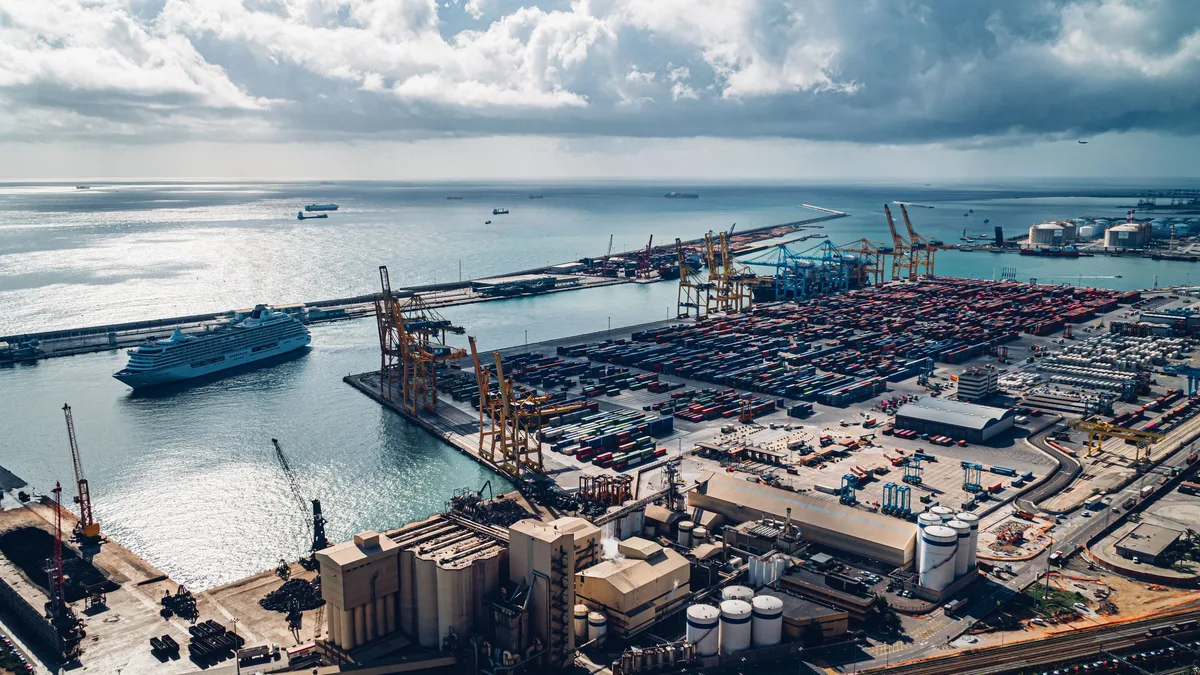
Lloyd's Register study finds 200,000-cbm LNG
A Lloyd's Register study for GTT finds 200,000-cbm LNG carriers can access 88 global terminals, only slightly fewer than conventional 174,000-cbm...
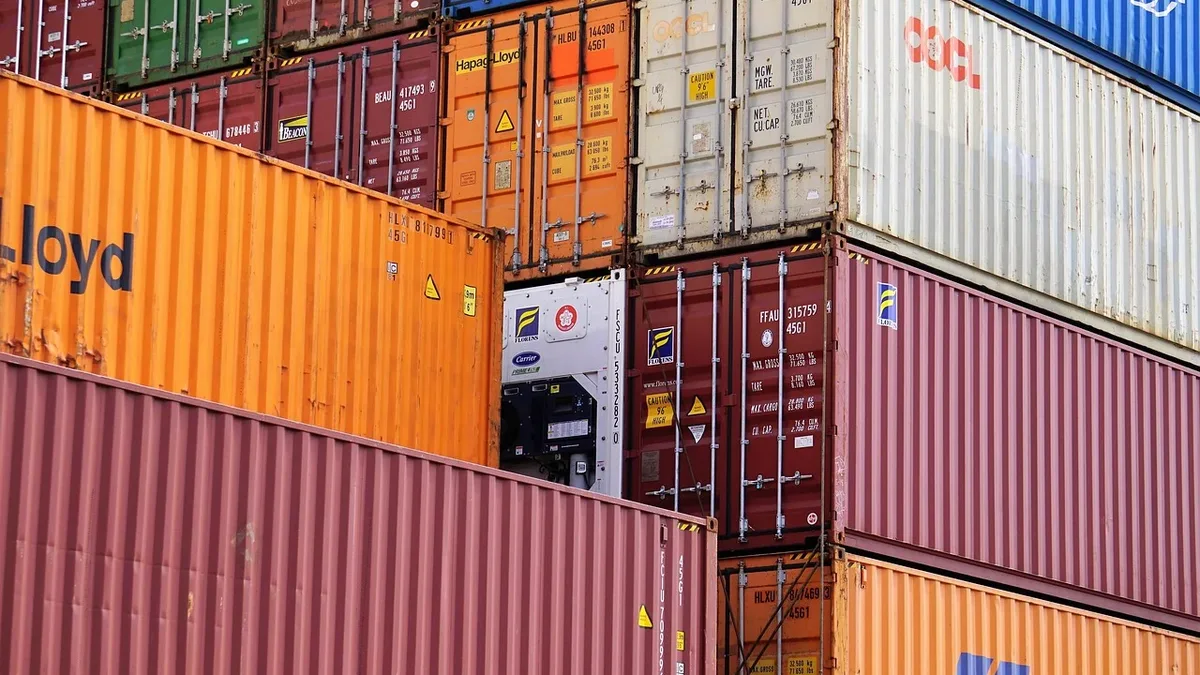
VesselBot analysis reveals 31% emissions gap
A new analysis of over 86,000 voyages shows a 31.3% efficiency gap between Hapag-Lloyd and MSC on a key trade lane, despite similar distances...
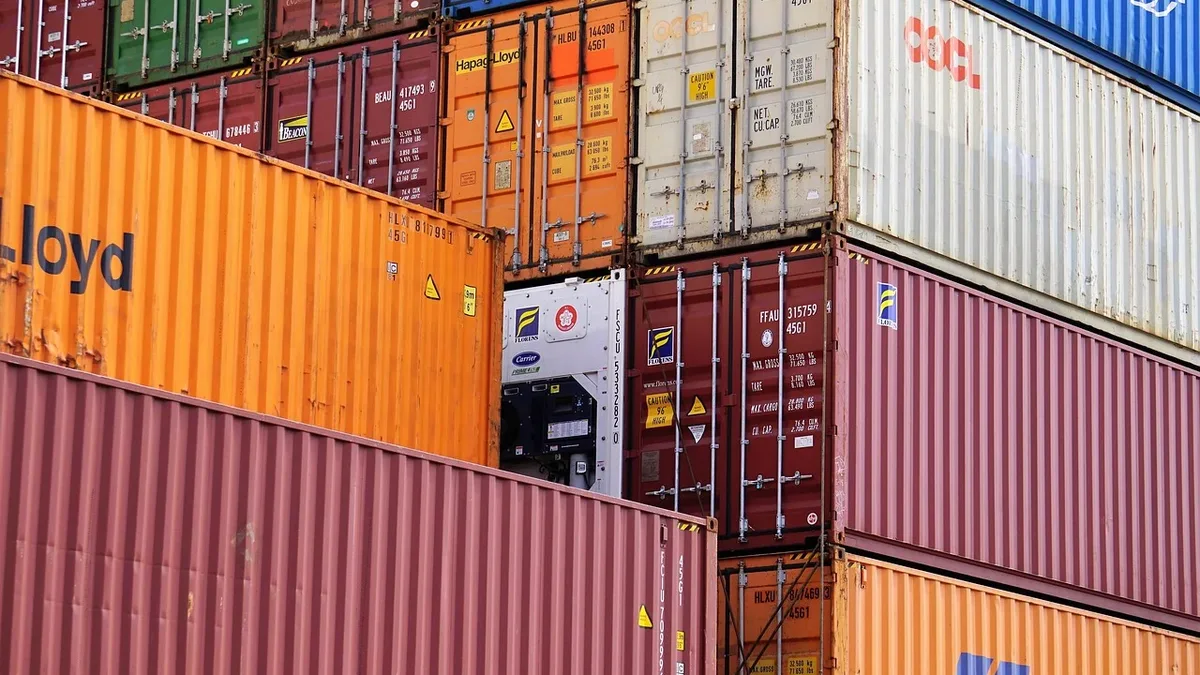
Hapag-Lloyd hikes East Med to Latin America
Hapag-Lloyd will increase its ocean tariff rates from the East Mediterranean to the Caribbean, Central America and South America's west coast...
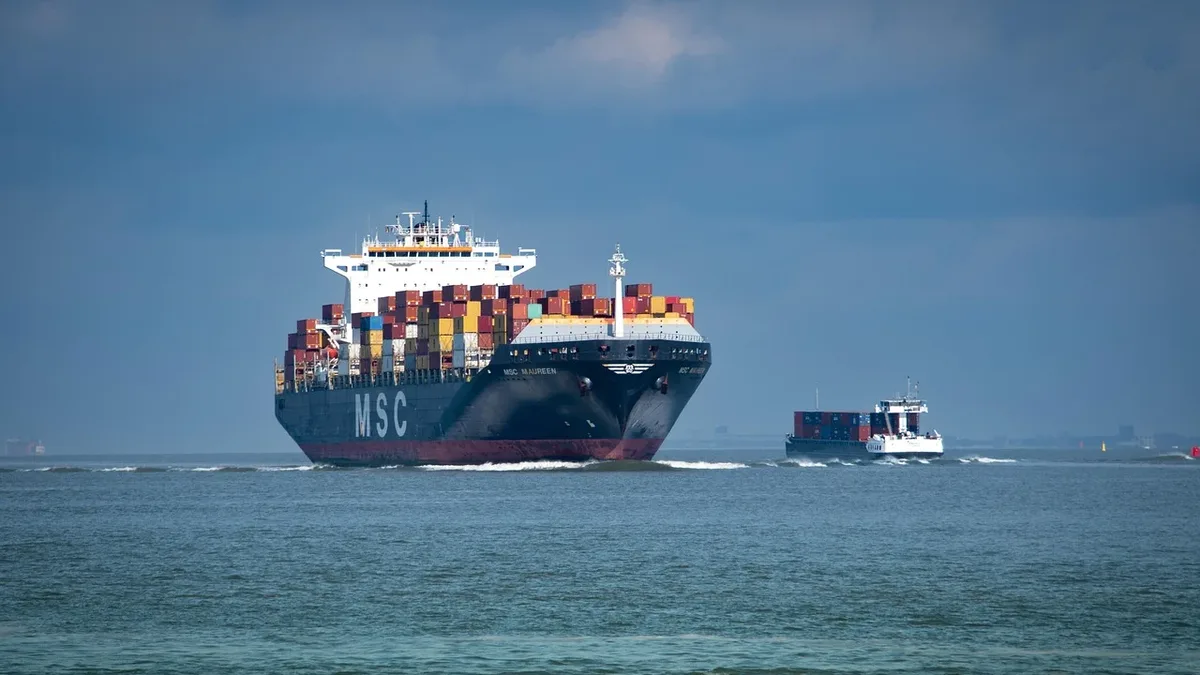
VesselBot reports 31% carrier emissions gap
A VesselBot analysis of Q2 2026 voyages reveals a 31.3% emissions-intensity gap between Hapag-Lloyd and MSC on the North Europe-North America East...